A Steakhouse Chain Filed for Bankruptcy With $4.2 Million in Debt but Says Every Location Is Still Open for Now
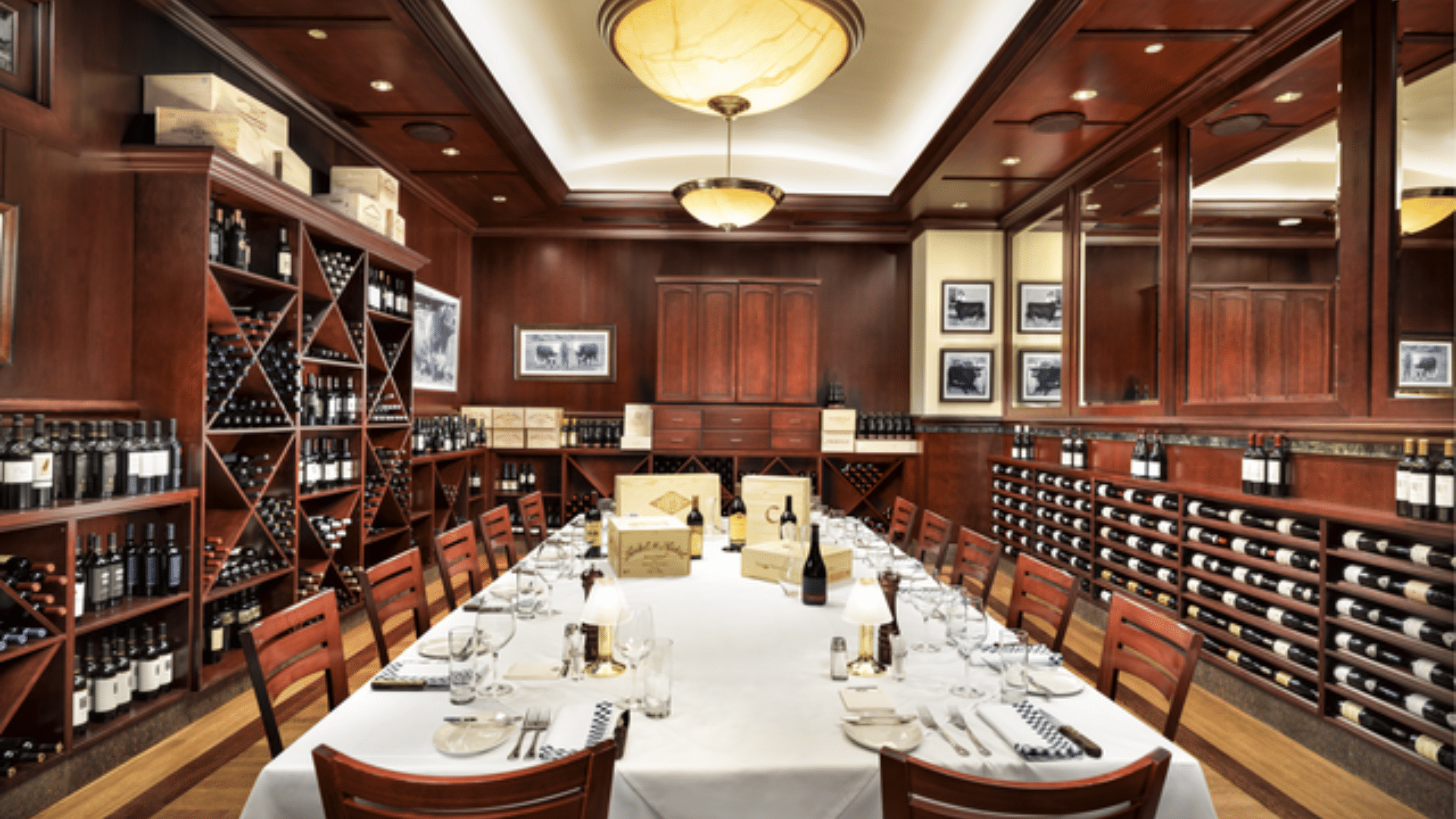

A well-known high-end steakhouse group has officially filed for Chapter 11 bankruptcy protection, reporting more than $4.2 million in unsecured debt, but insists that all restaurant locations will remain open during the restructuring process. The filing affects the parent company, 801 Restaurant Group, rather than the individual steakhouse locations themselves, which continue to operate normally. Company officials say the move is intended to reorganize financial obligations while preserving day-to-day restaurant operations. Despite the bankruptcy news, customers can still dine at all current locations without interruption.
The Steakhouse Chain Behind the Filing
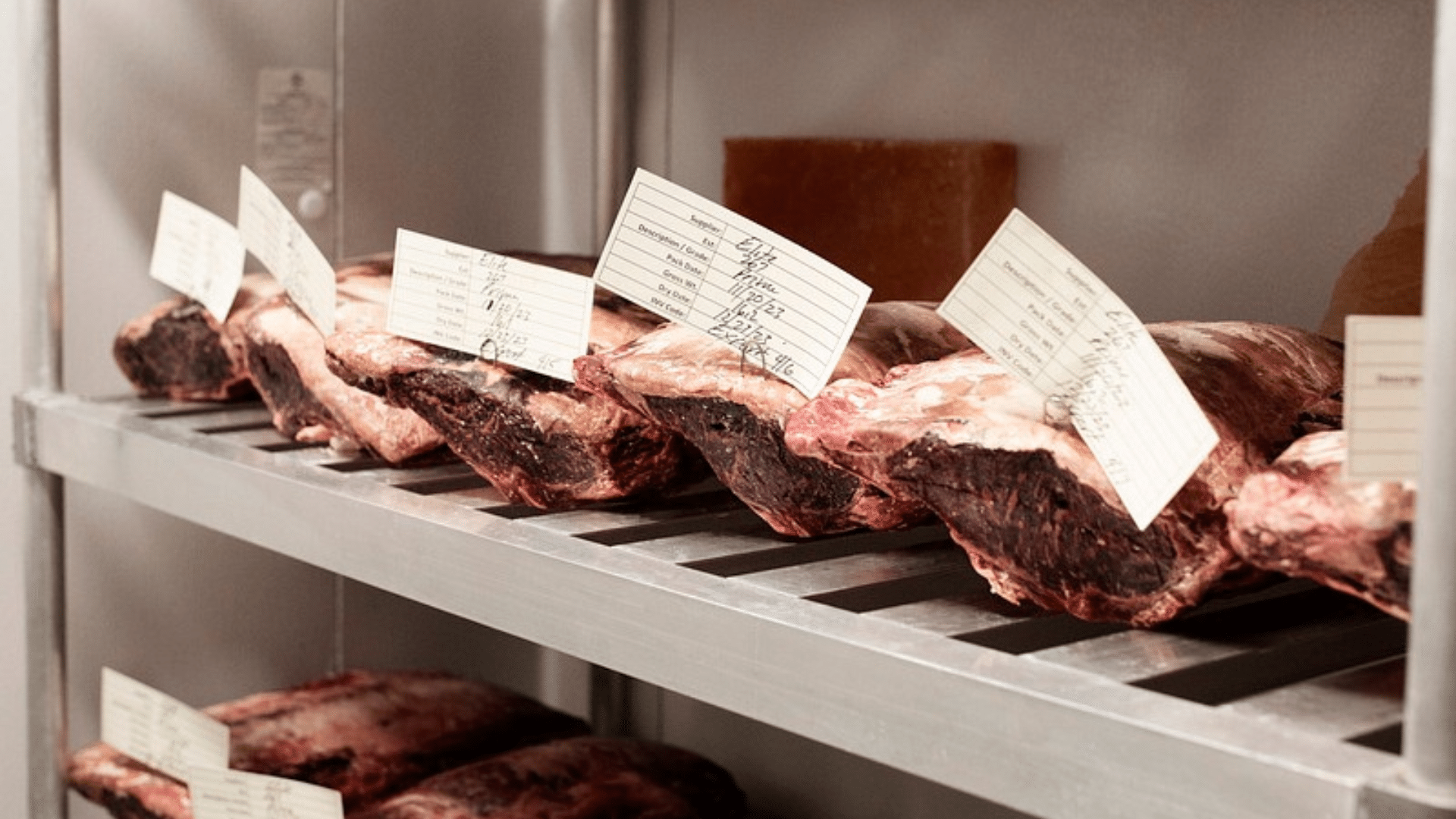
The company at the center of the filing is 801 Restaurant Group, a family-owned business known for its upscale dining concepts, including 801 Chophouse locations across multiple U.S. cities. The brand is recognized for premium offerings such as USDA Prime beef and Wagyu selections, targeting high-end dining customers. While the parent company manages financial obligations, the restaurants themselves operate under separate entities. This structure is one reason the locations are able to remain open despite the bankruptcy filing.
Why the Bankruptcy Was Filed

According to reports, the bankruptcy stems from financial guarantees tied to other business ventures within the same corporate group, including closures of affiliated restaurant concepts. These obligations created pressure on the parent company’s finances, ultimately leading to the Chapter 11 filing. The restructuring process is designed to help manage these debts without shutting down core restaurant operations. Officials emphasize that the filing is a financial reorganization, not a liquidation.
Debt and Financial Exposure Revealed
Court filings indicate the company has listed more than $4.2 million in unsecured claims from multiple creditors, along with larger lease-related obligations exceeding $9 million. Overall liabilities have been reported in the tens of millions when factoring in broader financial commitments. Despite these figures, the company also holds valuable assets tied to its restaurant operations. The financial restructuring aims to balance these obligations over time.
All Restaurants Remain Open
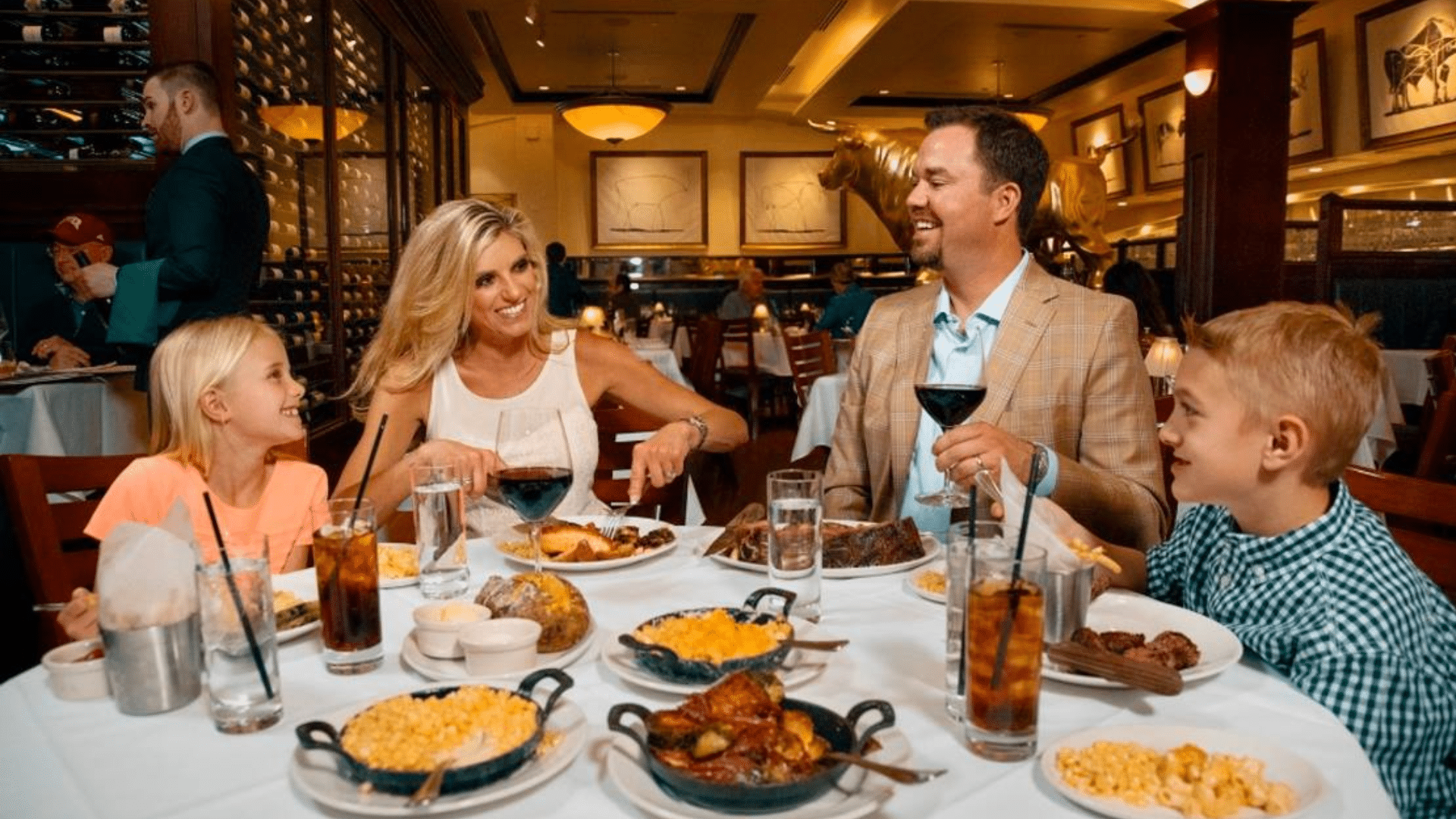
Company representatives have confirmed that all 801 Chophouse locations will continue normal operations throughout the bankruptcy process. Reservations remain active, and there are no announced closures tied directly to the filing. Officials also clarified that the individual restaurant operators are not themselves in bankruptcy. This separation allows day-to-day business to continue while financial restructuring is handled at the corporate level.
What Chapter 11 Means for the Chain
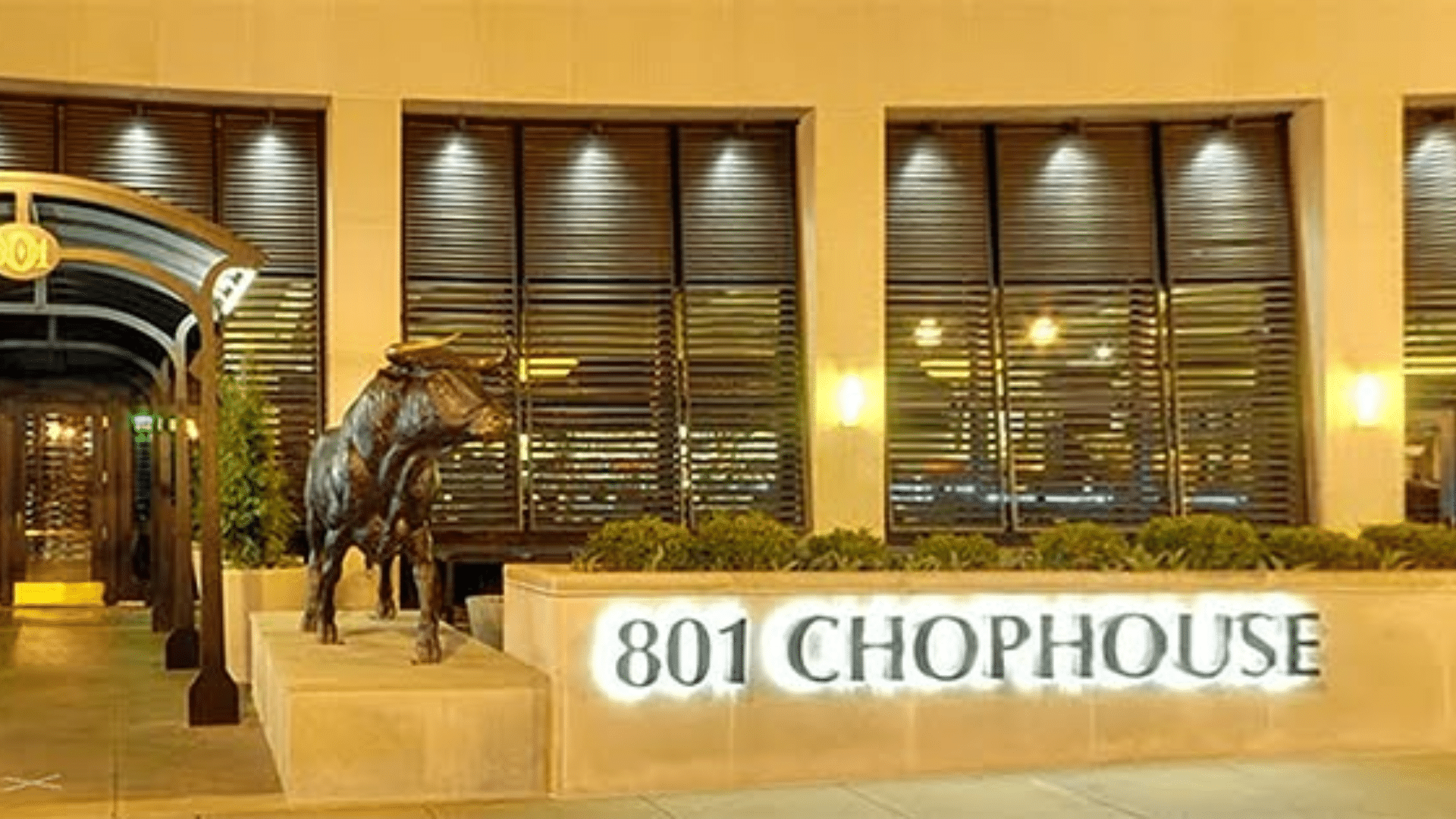
Chapter 11 bankruptcy allows companies to continue operating while they restructure debt and negotiate with creditors. Unlike liquidation, it is designed to give businesses time to stabilize financially without shutting down. In this case, it means the steakhouse brand can keep serving customers while the parent company works through its obligations. Many restaurant chains use this process as a way to survive financial strain while preserving their footprint.
Industry-Wide Restaurant Struggles
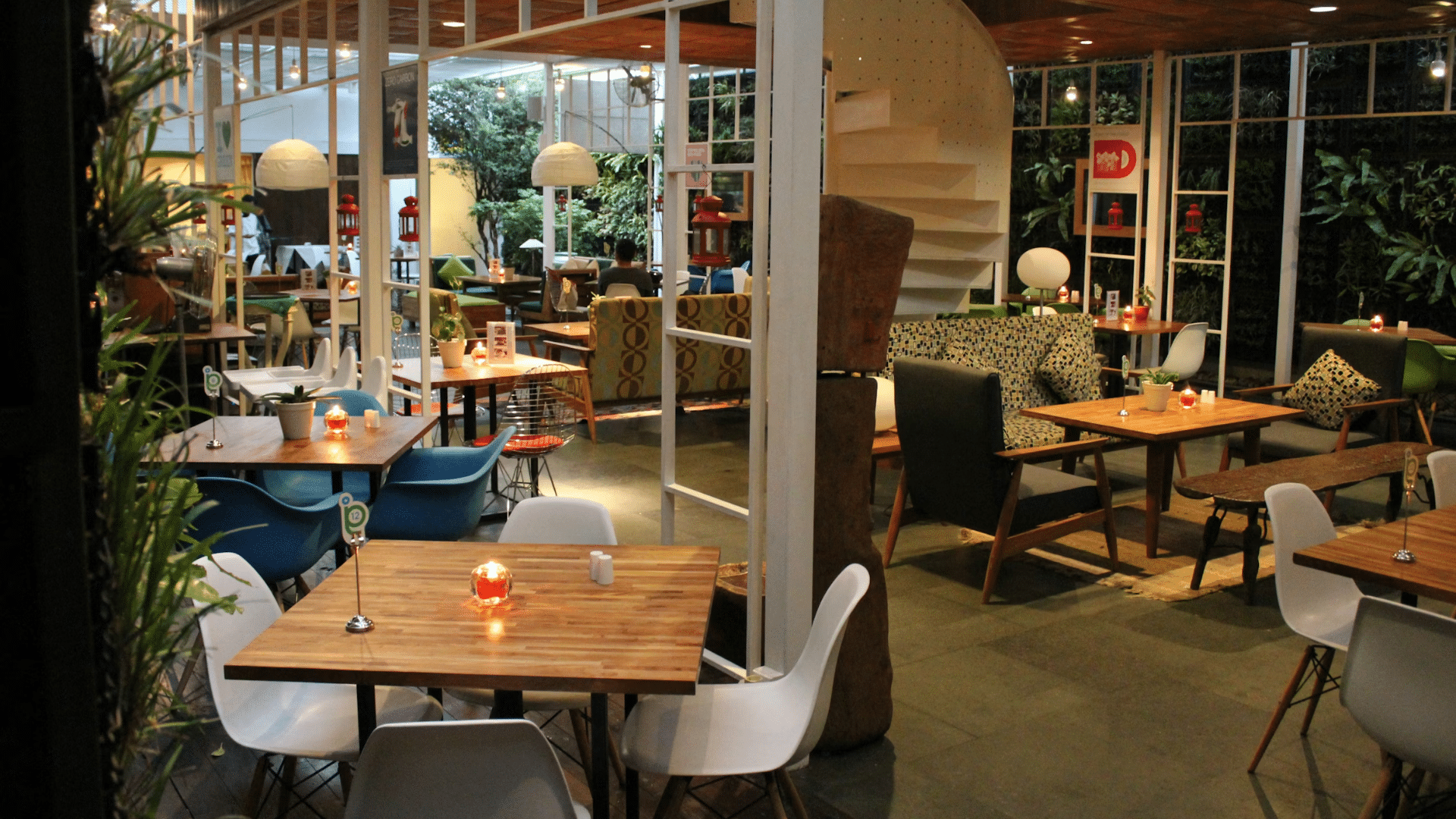
The filing comes amid a broader wave of financial stress across the restaurant industry, where rising labor costs, food inflation, and changing consumer habits have pushed several chains into bankruptcy or restructuring. Other well-known brands have recently faced similar challenges, highlighting how difficult the current environment has become for sit-down dining concepts. Even established chains are not immune to mounting operational costs and shifting demand. This trend reflects wider pressure across the hospitality sector.
Locations Spread Across Major US Cities
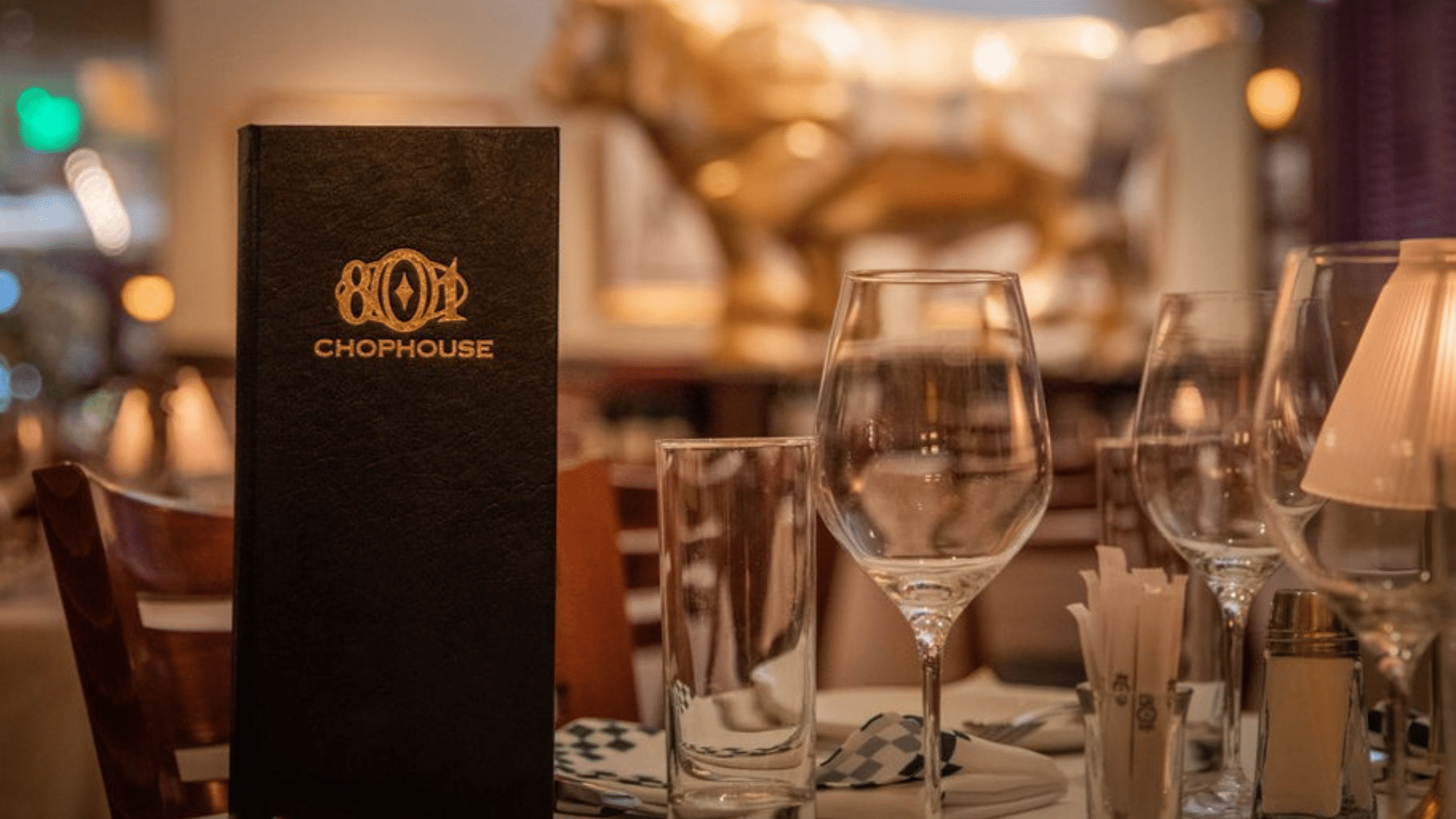
801 Chophouse operates in multiple cities including Omaha, Kansas City, St. Louis, Minneapolis, Denver, and Washington, D.C., among others. The chain has built a reputation for premium steakhouse dining in both midwestern and urban markets. Despite the financial restructuring at the parent company level, these locations continue to serve customers as usual. The geographic spread of the brand shows its established presence across several competitive dining markets.
What Customers Can Expect Next
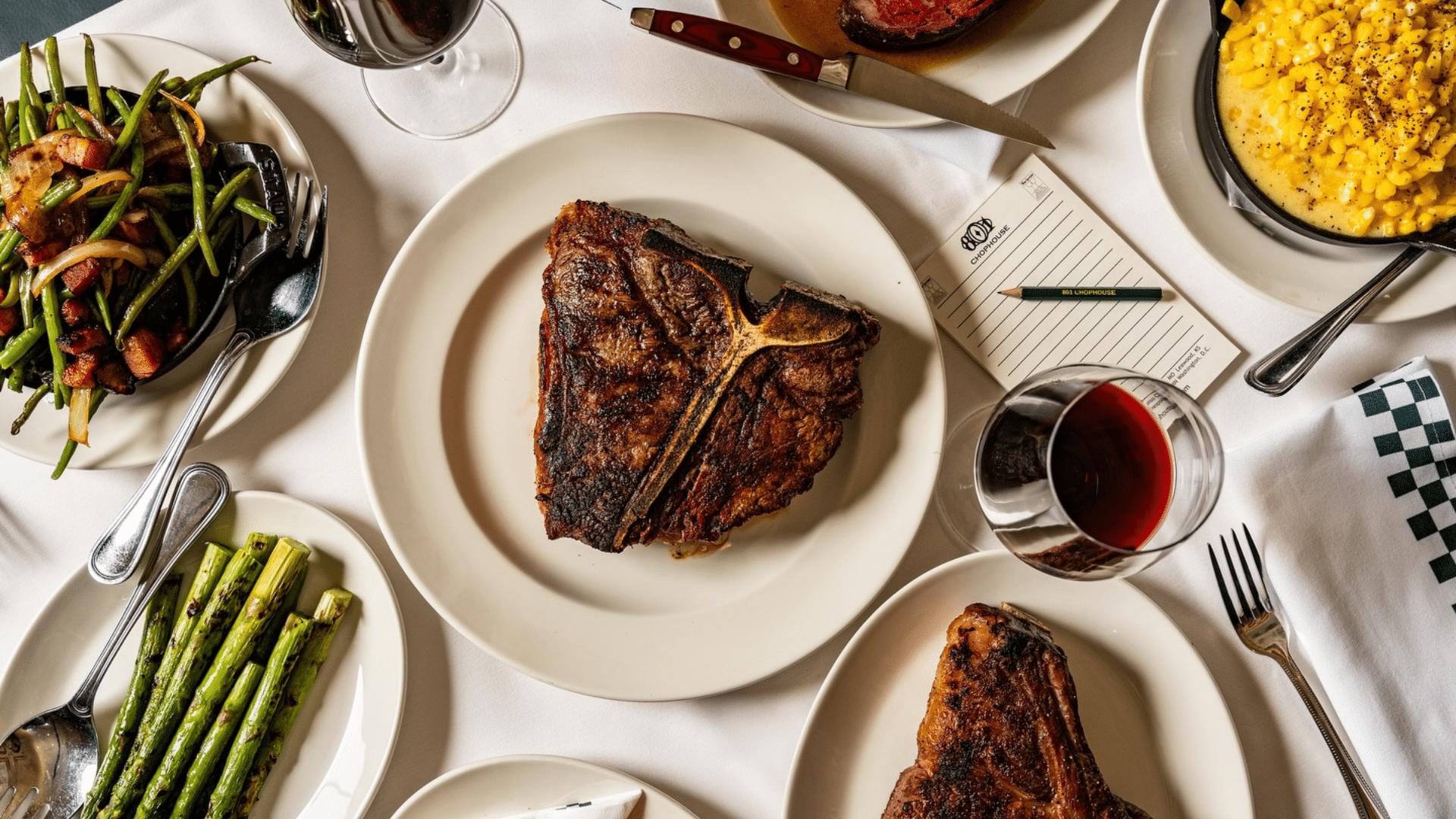
For now, customers are unlikely to notice major changes when dining at the restaurants, as operations remain stable during the restructuring process. However, future adjustments could include financial restructuring decisions that impact ownership or long-term strategy. Industry analysts will be watching closely to see how the company navigates debt repayment and potential refinancing. The next stages of the bankruptcy process will determine the chain’s financial future.
A Familiar Brand Navigates Financial Pressure
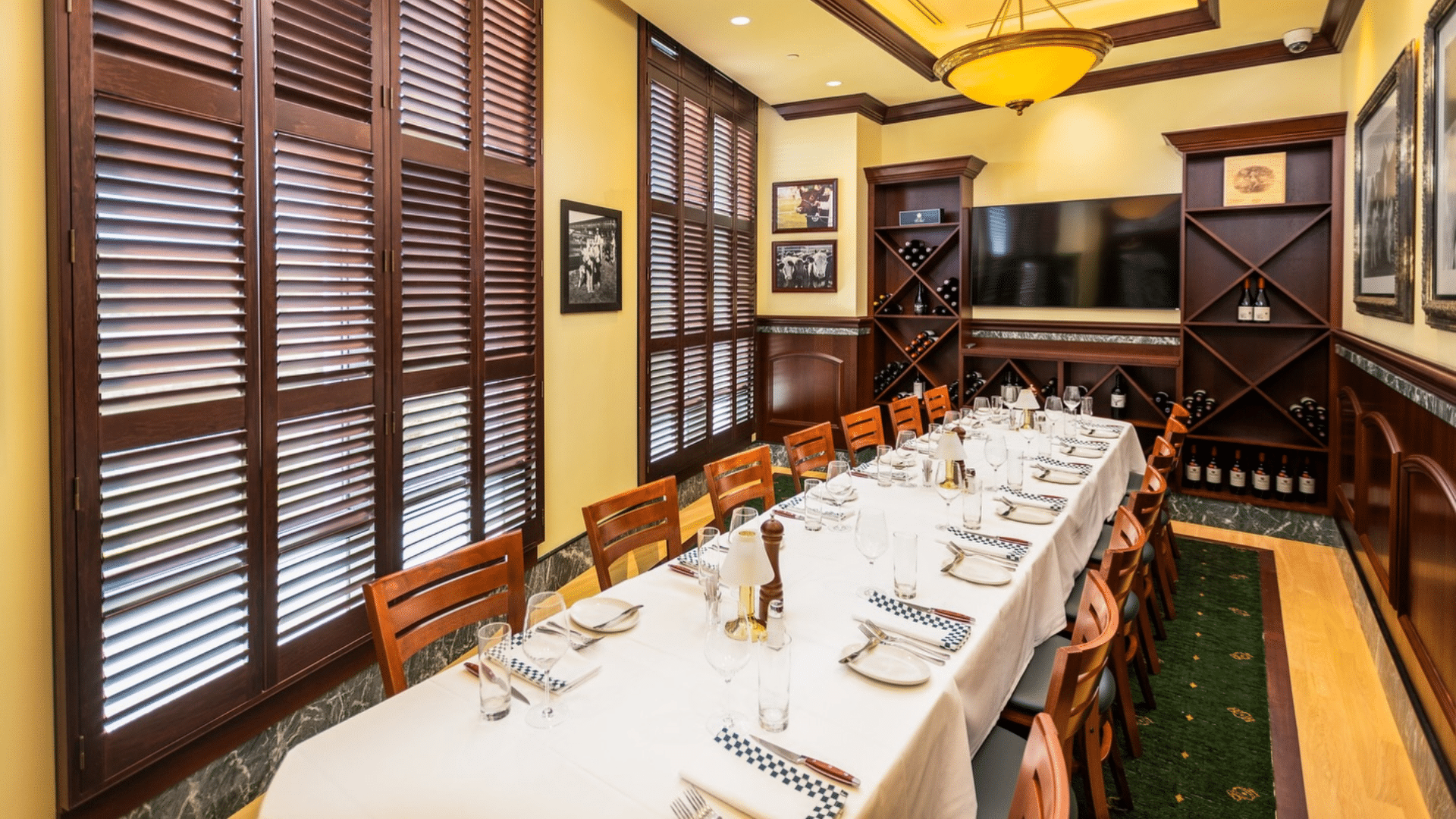
The bankruptcy filing by 801 Restaurant Group highlights the growing financial pressure facing even well-established restaurant chains in today’s economy. While the company carries millions in debt, its ability to keep all locations open offers short-term stability for customers and employees. The Chapter 11 process gives the brand a chance to restructure and potentially strengthen its long-term position. For now, the steakhouse chain continues to operate as it works through one of the most challenging phases in its history.