After 75 Years, One of America’s Largest Burger Chains Cuts 72 Locations as Beef Prices Surge
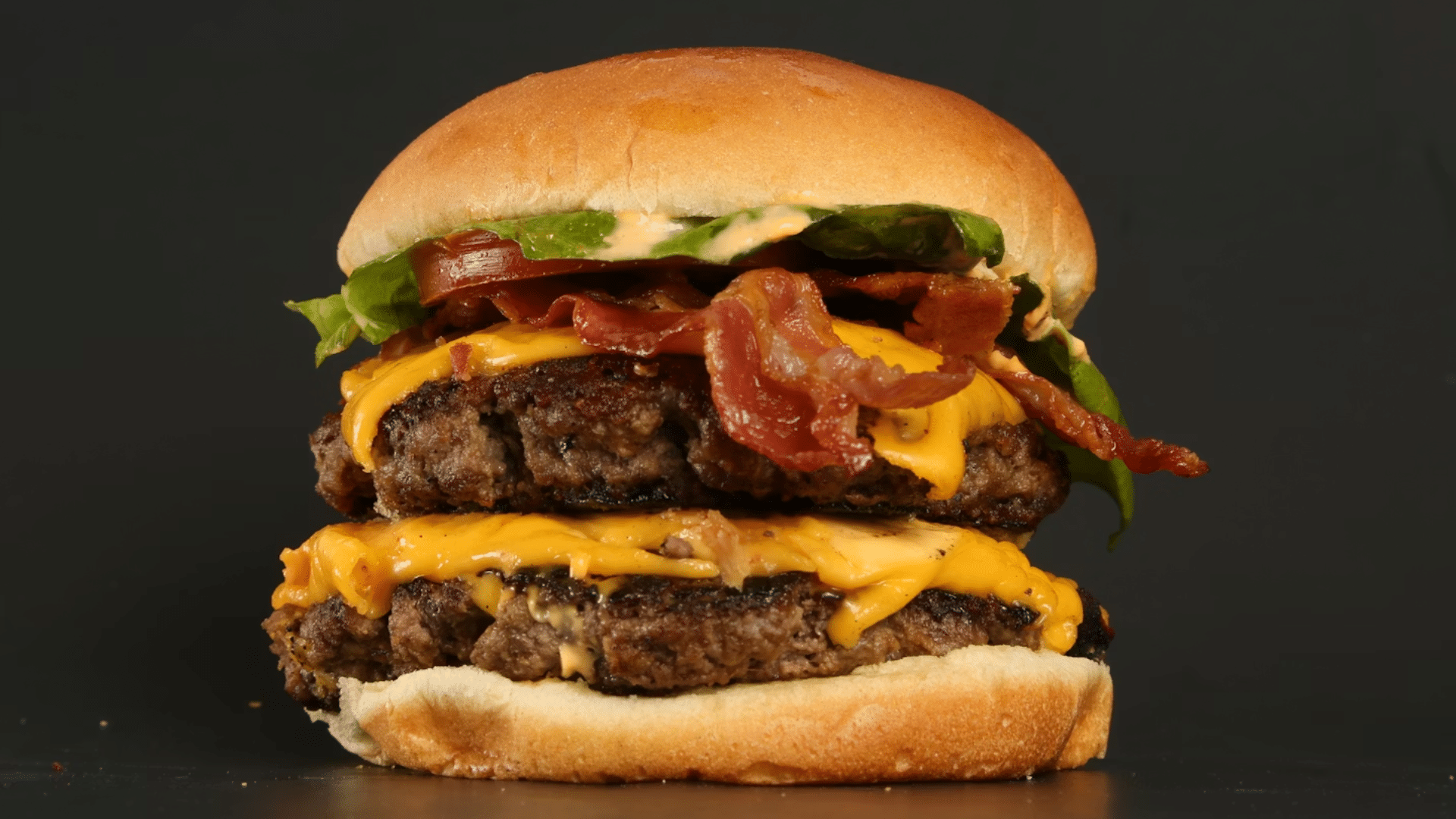

A longtime American burger chain is making a major pullback after decades in business, announcing plans to cut dozens of locations as rising beef prices and economic pressures take their toll. The company, widely reported to be Jack in the Box, a brand with roots stretching back more than 70 years, is shutting around 72 restaurants as part of a broader restructuring effort. The move reflects growing strain across the fast-food industry, where surging ingredient costs and shifting consumer habits are forcing even established brands to rethink their footprint.
Which Burger Chain Is Affected
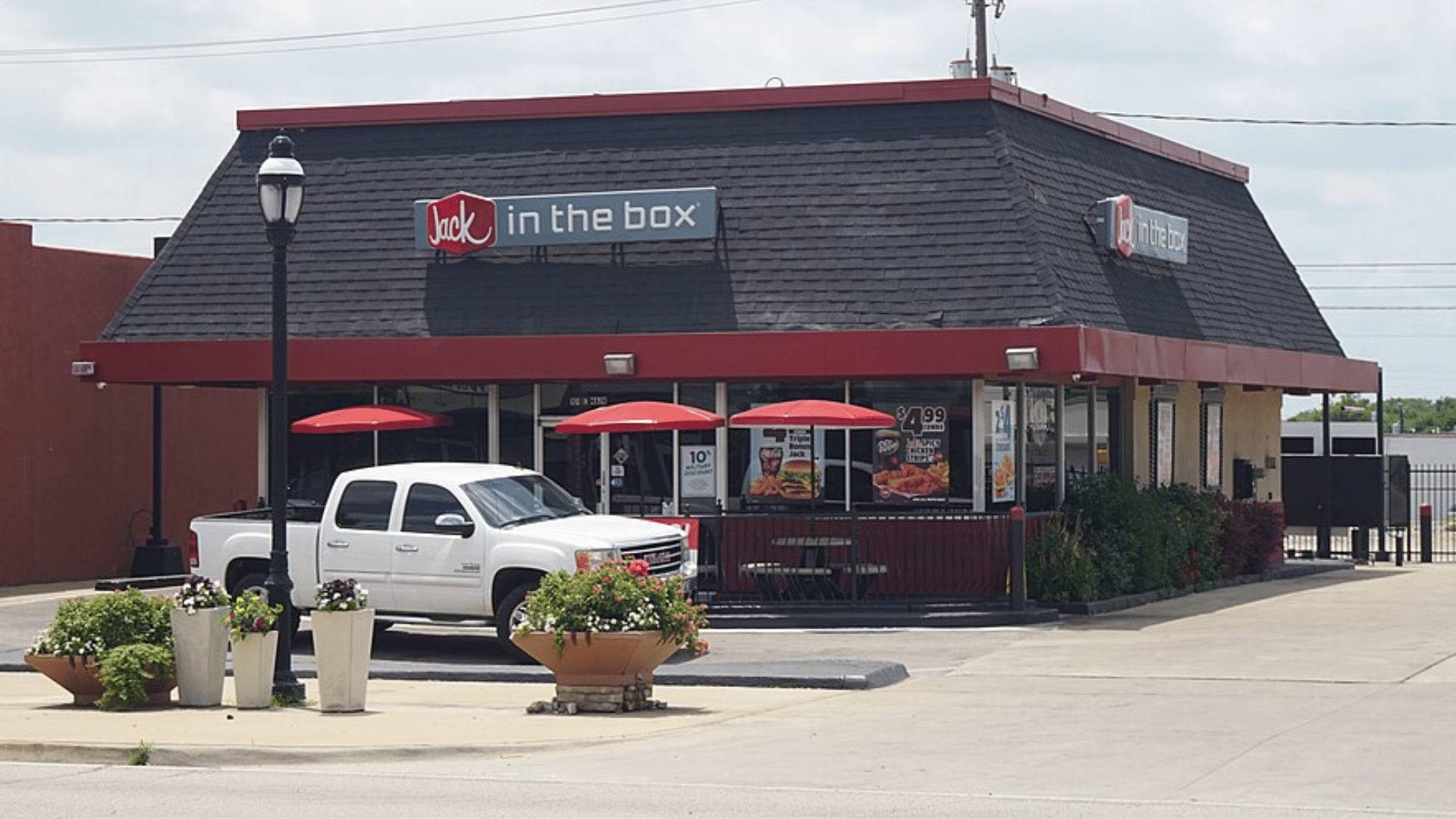
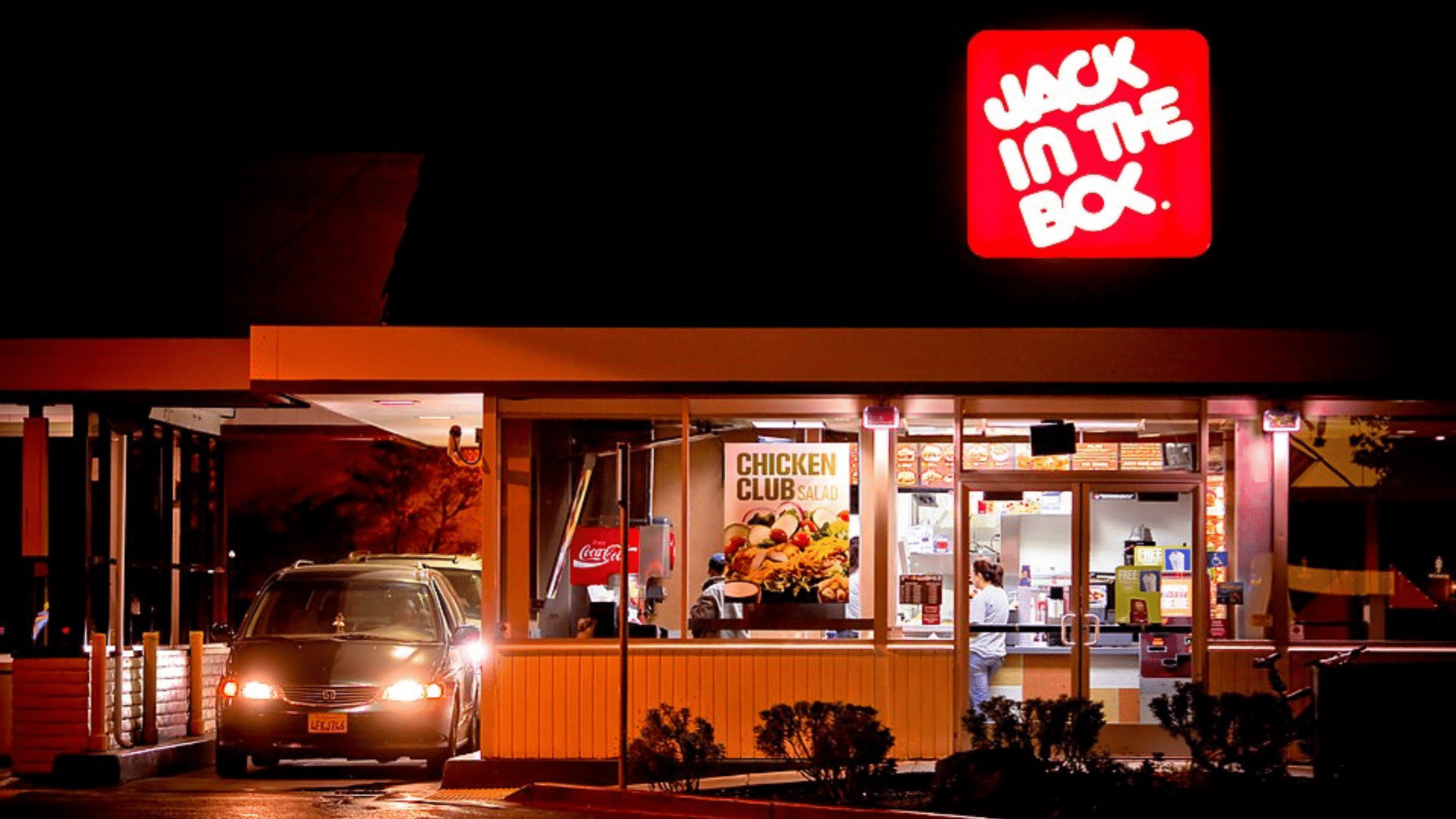
The closures are tied to Jack in the Box, one of the country’s largest burger chains, founded in the early 1950s and operating thousands of locations nationwide. Despite its long-standing presence in the fast-food industry, the company has recently struggled to maintain consistent performance across all its restaurants, particularly in certain regions.
Why 72 Locations Are Closing
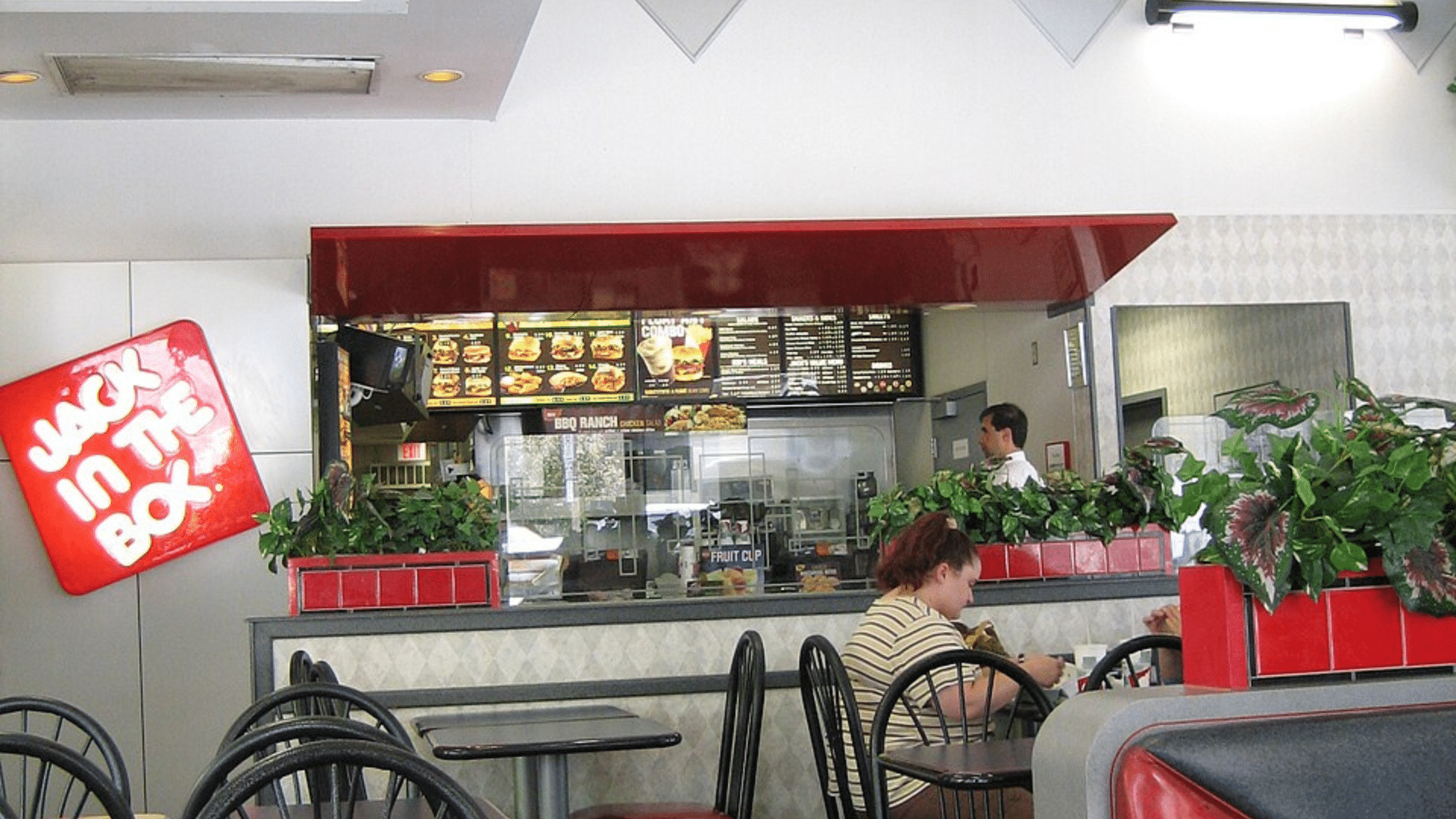
The decision to shut down dozens of restaurants comes as part of a larger turnaround strategy aimed at improving profitability and focusing on stronger-performing locations. Company leadership has acknowledged that some stores are no longer financially viable, prompting a targeted effort to reduce underperforming sites and stabilize the business.
Beef Prices Are a Major Factor
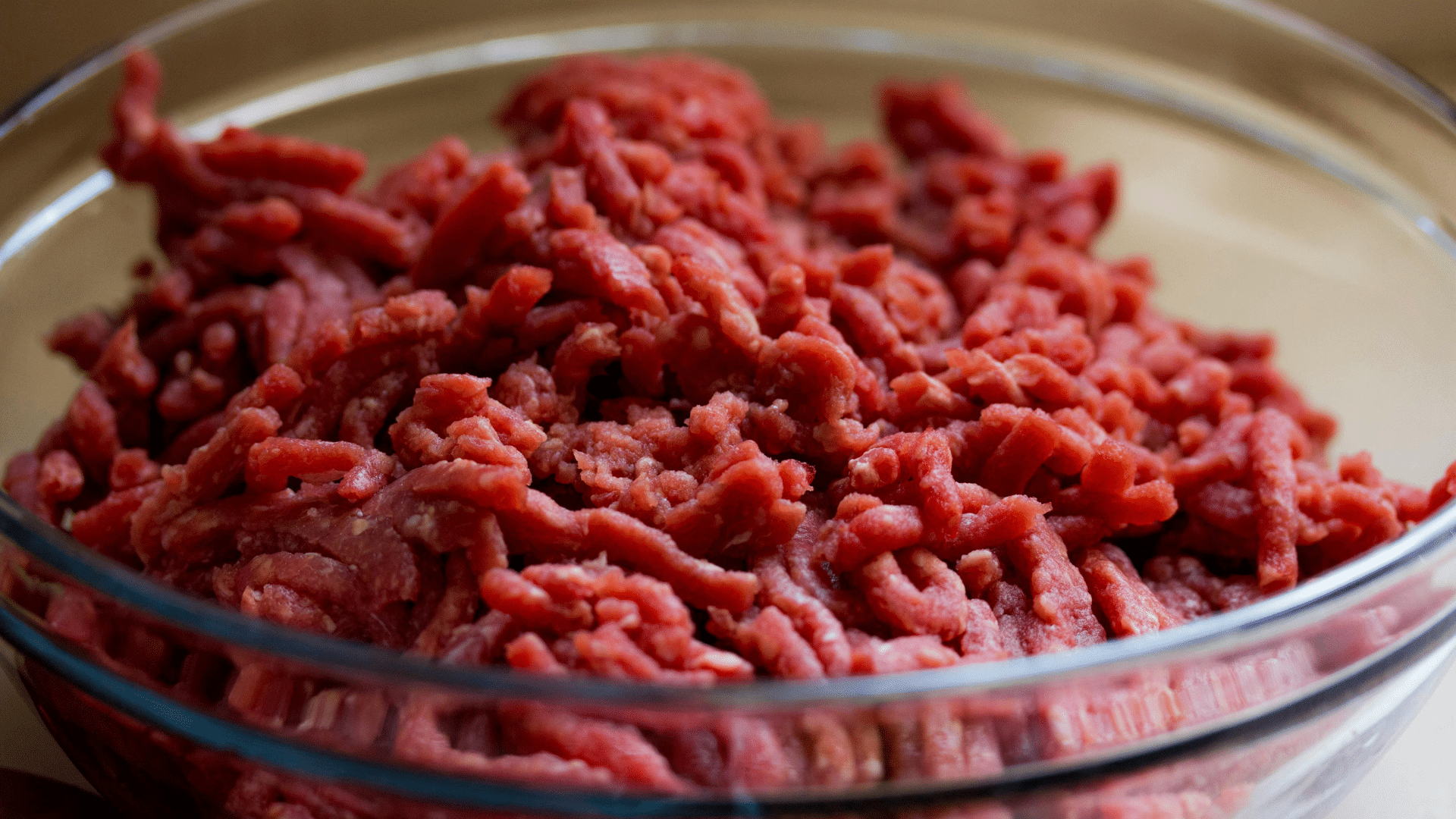
One of the biggest drivers behind the closures is the sharp increase in beef prices, which are central to most burger chains’ menus. Industry data shows that wholesale beef costs have surged significantly in recent years, putting pressure on profit margins and making it harder for restaurants to keep menu prices competitive.
A Chain Built Around Beef Faces Unique Challenges
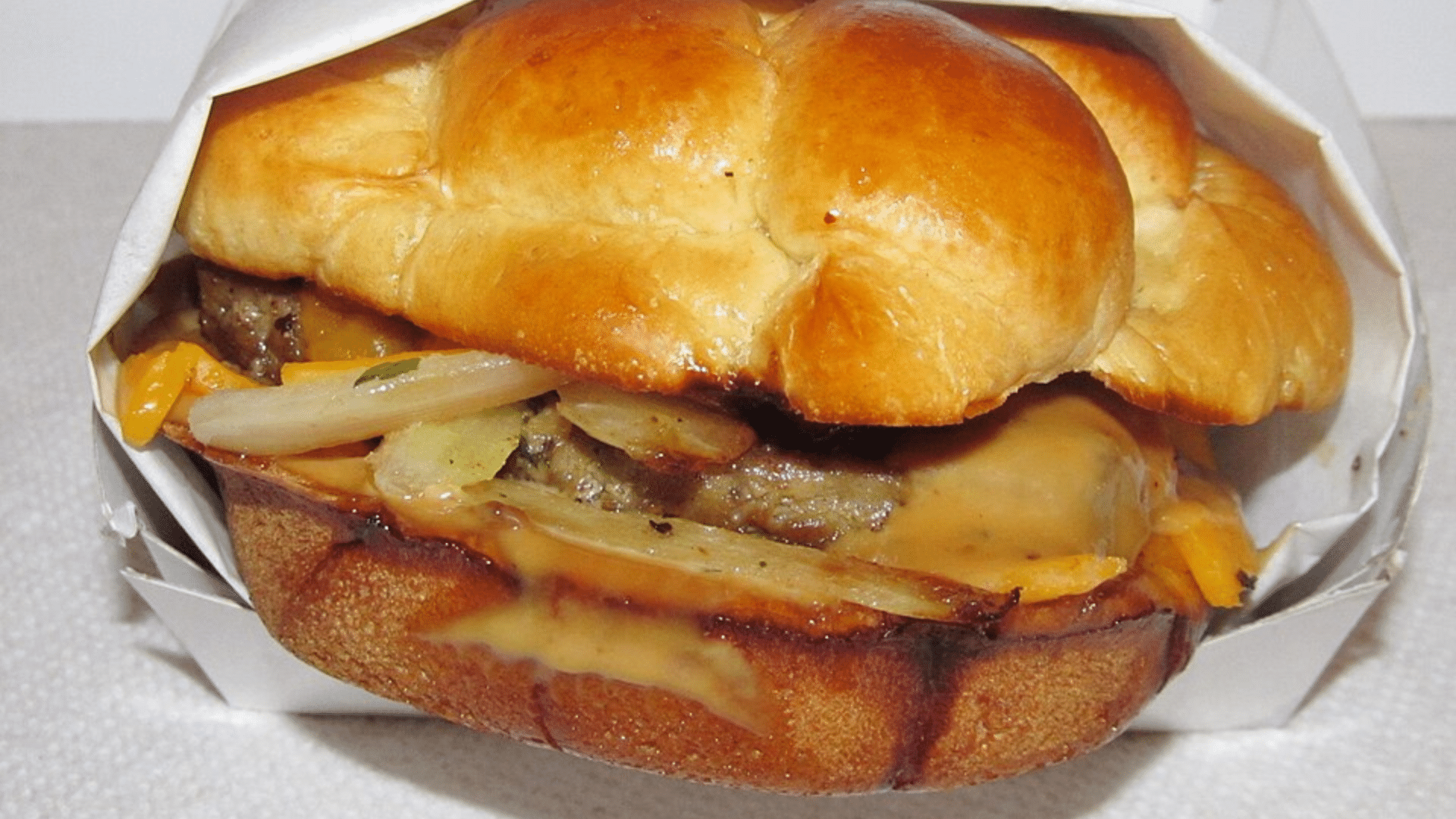
Unlike some competitors that have diversified their menus with chicken, plant-based options, or breakfast items, burger-focused chains remain heavily dependent on beef. This reliance makes them especially vulnerable to fluctuations in cattle supply, feed costs, and transportation expenses, all of which have contributed to rising prices across the industry.
Customers Are Feeling the Impact Too
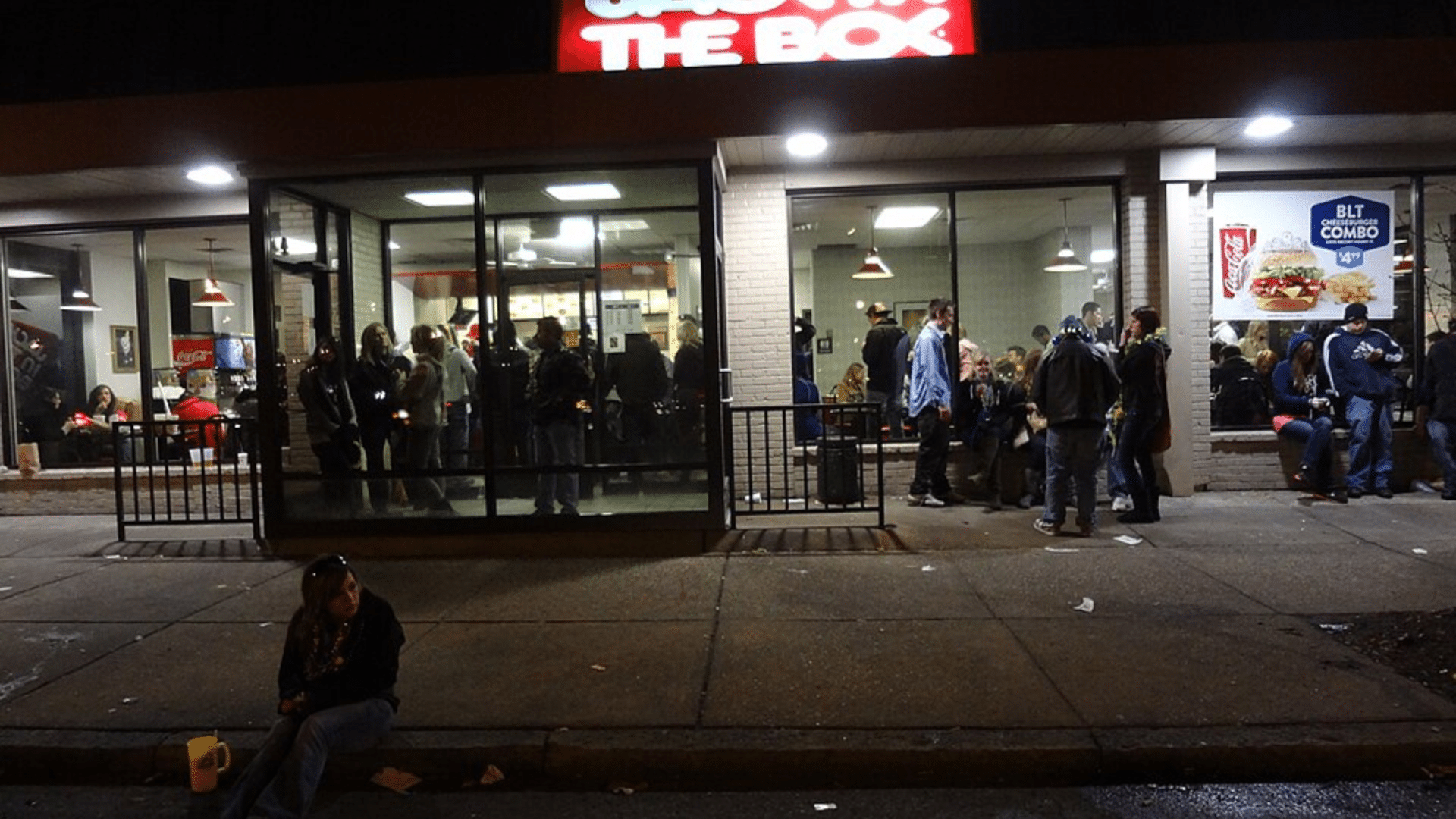
As costs rise, restaurants often face a difficult choice: raise prices or absorb losses. Many chains have increased menu prices, but that can lead to fewer customers as consumers become more cautious with spending. In today’s economy, diners are increasingly seeking value, which puts additional pressure on chains that rely on higher-priced menu items.
A Broader Industry Trend of Closures
The closures are not happening in isolation, as many fast-food and restaurant chains are trimming locations across the U.S. in 2026. Rising labor costs, inflation, and changing consumer habits have forced companies to reevaluate their operations, often leading to widespread closures as part of restructuring efforts.
Economic Pressures Continue to Build

Beyond beef prices, the industry is facing a combination of economic challenges, including higher wages, increased rent, and supply chain disruptions. These factors are squeezing profit margins and making it harder for chains to sustain large numbers of locations, particularly those that are already underperforming.
What This Means for Employees and Communities
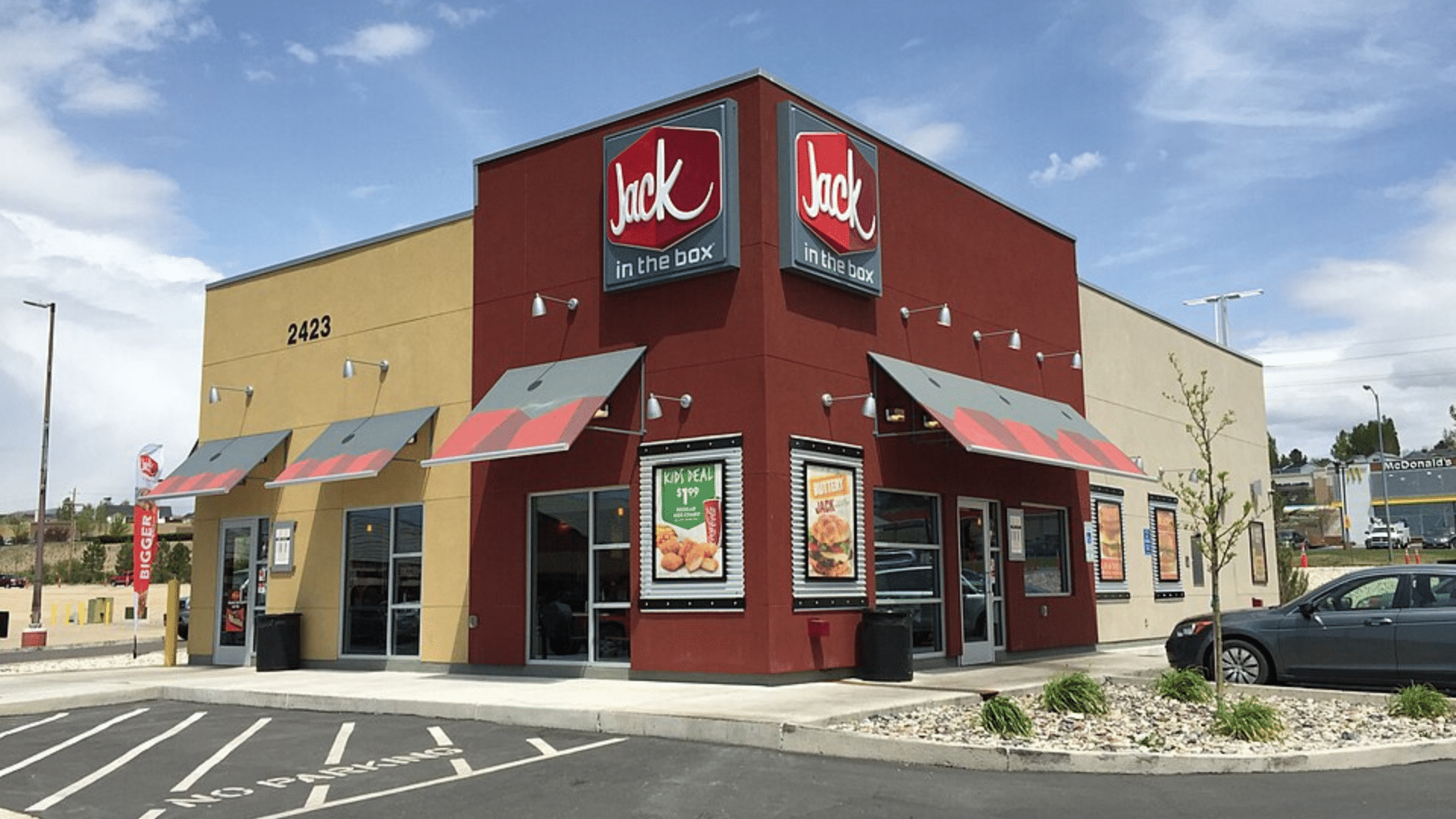
The closure of dozens of restaurants will inevitably impact employees and local communities, with workers facing job uncertainty and neighborhoods losing familiar dining options. While some staff may be relocated to other locations, not all positions can be preserved, making the transition difficult for many affected workers.
What Comes Next for the Burger Chain
Despite the closures, the company says it is focused on long-term stability and growth by strengthening its remaining locations and improving overall efficiency. As the fast-food industry continues to evolve, the success of this strategy will depend on how well the chain adapts to rising costs, changing customer expectations, and an increasingly competitive market.