Agriculture Secretary Boasts of Moving 4.3 Millions Off Food Stamps as SNAP Cuts Draw Scrutiny
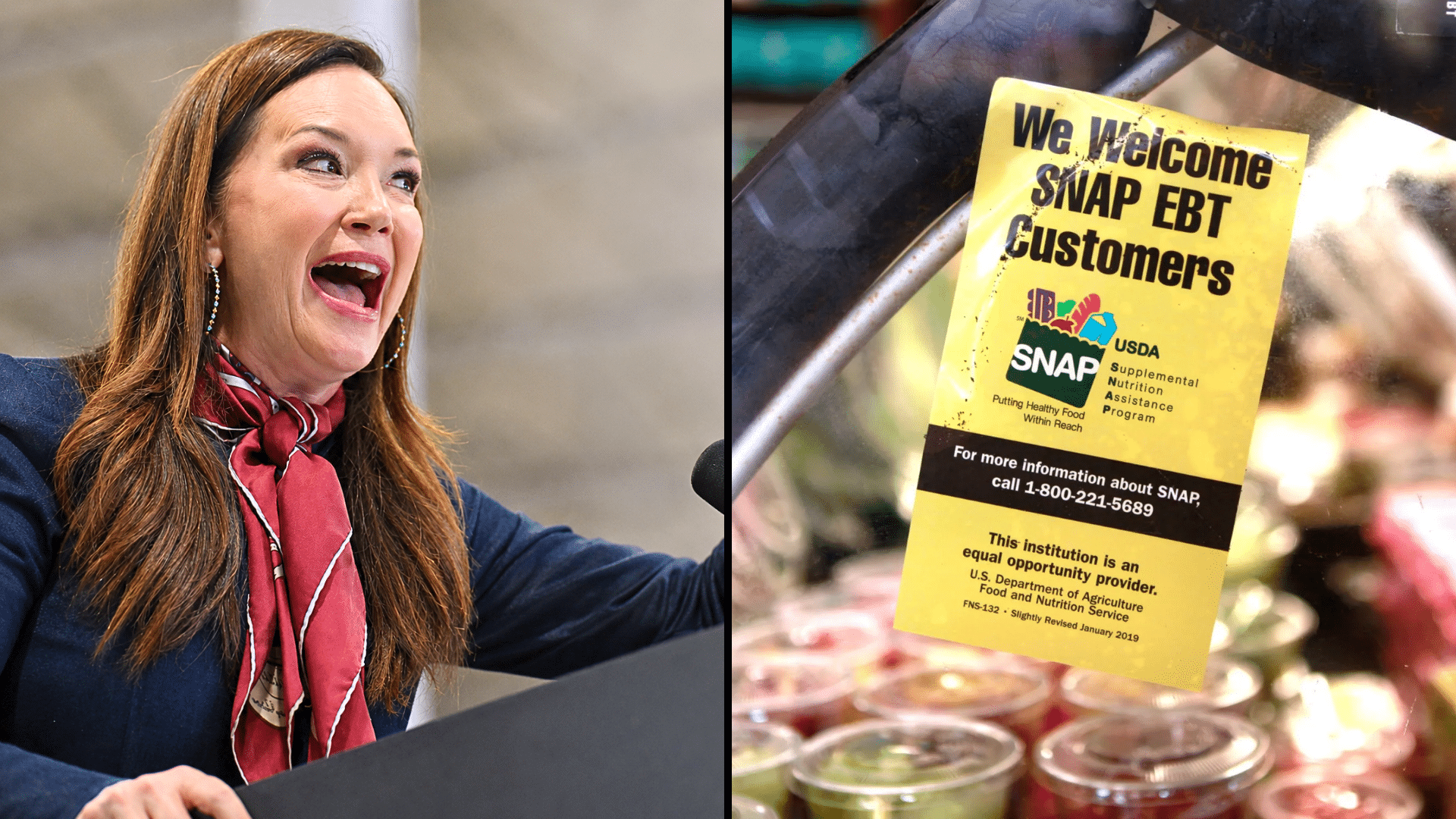

U.S. Agriculture Secretary Brooke Rollins is treating a hunger-assistance milestone as a victory lap. In a social media post citing preliminary USDA data, Rollins declared there were now “4.3 million off SNAP and counting!” referring to the Supplemental Nutrition Assistance Program, the federal food assistance program that served more than 42 million Americans at the start of 2025. The announcement drew immediate backlash from lawmakers, food security researchers, and anti-hunger advocates who say the numbers tell a very different story.
The drop is real, but the reasons behind it are sharply disputed. SNAP beneficiaries fell by nearly 4.3 million from January 2025 to January 2026, according to preliminary government data released by the Agriculture Department. Rollins credited a stronger economy and a crackdown on fraud. But the timing tells a story her messaging does not: there was a decrease of just 743,572 people from January 2025 to June 2025, and one of about 3.47 million from July 2025 to January 2026, the period that directly followed major legislative changes to the program.
Rollins has been vocal and unapologetic, framing the reduction as proof that Americans are returning to self-sufficiency. In a social media post, she added: “Under President Trump, Americans are getting back to work! Healthy employment numbers mean less reliance on government programs. Leaving benefits for those who truly need them. America is back in business!” What her posts left out: unemployment has actually risen since Trump began his second term, and food prices continue to climb, making those still on the margins more vulnerable, not less.
The Bill Did What Experts Said It Would
The numbers that Rollins is celebrating were, in large part, predicted well before they arrived. Experts say some of the biggest drivers in the drop were changes made in the 940-page “One Big Beautiful Bill Act,” also known as H.R. 1, which mandated that certain adults previously exempt from work requirements are now subject to them. Refugees and asylees lost eligibility entirely. The Congressional Budget Office had already forecast that certain provisions would reduce monthly SNAP participation by roughly 2.4 million people on average over the next decade.
Caitlin Caspi, an associate professor at the University of Connecticut who studies food insecurity, told the Associated Press there is no evidence to back up Rollins’ fraud claims. The numbers on actual SNAP fraud are striking in their smallness: in 2023, the latest data available, 41,476 people were removed from the SNAP program for fraud, including those who erroneously reported information and those who exchanged benefits for cash. That figure represents less than 1% of the 42 million participants. Fraud, by any measure, was not the driver Rollins described.
Caspi told reporters: “We’re not seeing a linear kind of drop-off. We are not seeing, if you look at the unemployment rates, things that might be an indicator that a strong economy was driving this change.” Her point is underscored by the data’s own timeline. The bulk of the decline came in the months after the “One Big Beautiful Bill” was signed into law, not during any measurable improvement in the economic conditions facing low-income households, who actually saw weaker wage growth than higher-earning Americans throughout 2025.
A Flex, or a Failure? Critics Push Back Hard
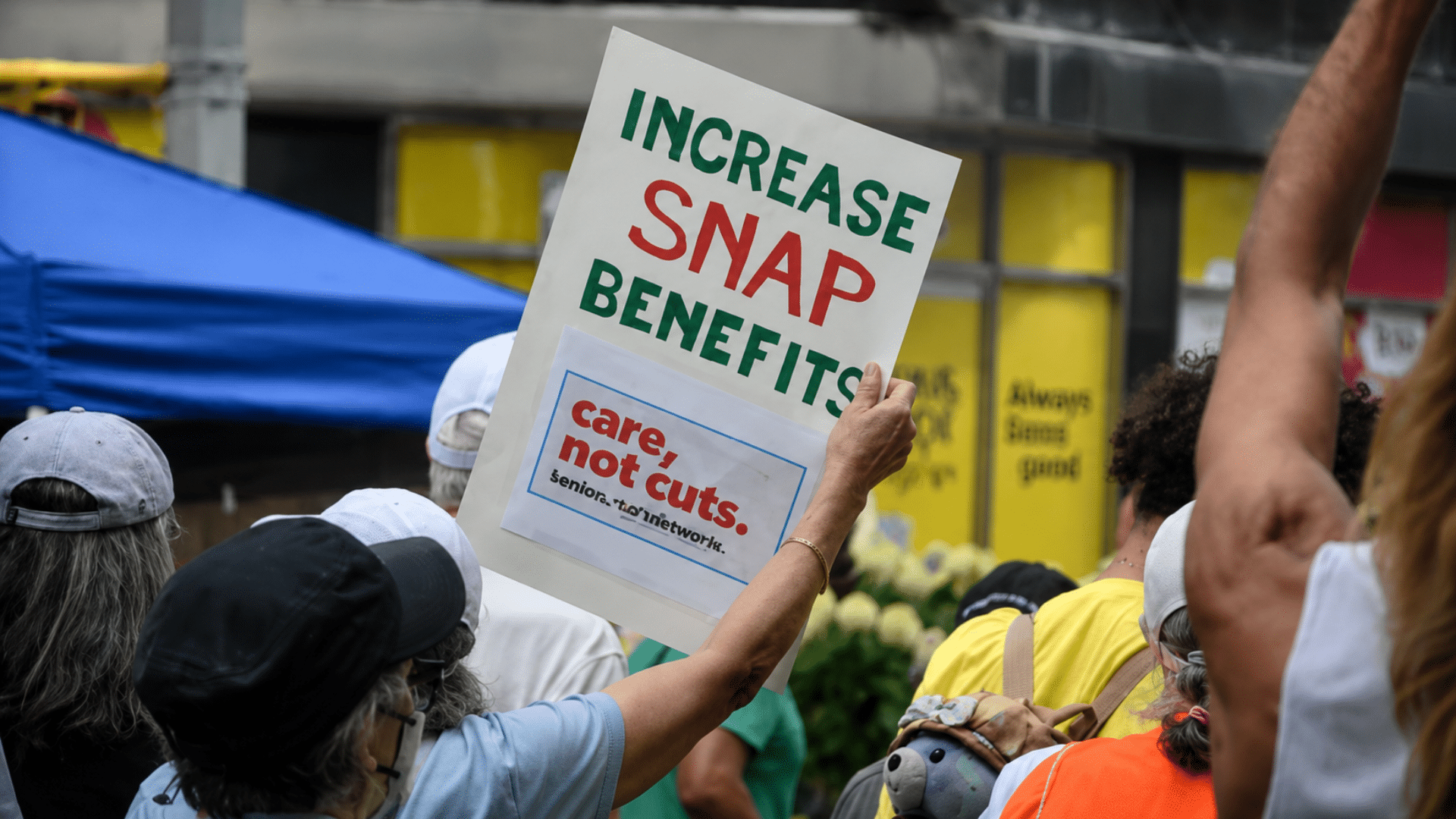
The administration’s triumphant framing has found few friends outside its own ranks. Representative Shontel Brown responded directly to Rollins’ social media post with pointed criticism. Brown wrote: “Better economy where? You mean the one where Americans paid $300 more on their groceries to compensate for Trump’s tariffs? Kicking 4.3 million Americans off of SNAP is not a flex, it’s a failure. That’s why I’ve authored legislation to reverse the Trump SNAP cuts.” That legislative push reflects a growing bloc of Democrats treating the SNAP reductions not as a policy outcome, but as a political emergency.
The Republicans’ 2025 budget law slashed funding to SNAP by $186 billion over a decade, restructuring eligibility rules in ways that food policy experts warned would harm working families who are poor but employed. The program was never designed exclusively for the jobless. Millions of SNAP recipients already work, often in low-wage service or gig positions where income alone is not enough to cover food costs. Stricter work requirements do not create better-paying jobs; they remove access to food while the underlying conditions remain unchanged.
The Brookings Institution has warned separately that the structural changes embedded in the “One Big Beautiful Bill” will also weaken SNAP as an economic shock absorber. The new law severely curtails states’ ability to request waivers from time-limit work requirements when local economies are struggling, limiting waivers to areas with unemployment rates of at least 10%, a threshold well above what many parts of the country experience even during deep recessions. That provision alone could leave millions stranded the next time a downturn hits.
The Hunger Question That Won’t Be Settled by a Tweet

Rollins’ claim that these millions left SNAP because they no longer need it rests on an optimistic reading of economic data that researchers do not share. Experts agree the economy was strong in stretches of 2025, but food costs are rising: they were up 3.1% that year and are expected to increase another 2.9% in 2026. For households already living paycheck to paycheck, those increases are not statistics. They are choices between paying rent and buying groceries, and no social media post resolves that math.
During her Newsmax interview, Rollins was asked directly how SNAP recipients were taking advantage of the program. She pointed to the Biden administration, saying: “Under the Biden years, they increased the program by 40%. Of course, they were working to buy the election, but the billions and billions and billions of dollars that we have lost is just shocking.” The characterization of pandemic-era expansions as electoral manipulation ignores that the increases were tied to a public health emergency that forced millions out of work simultaneously, a context Rollins did not address.
The harder question, one that Rollins’ victory lap does not answer, is what happens next to the 4.3 million people who are no longer on the rolls. If the economy stays stable and wages rise broadly, some will manage. But the Brookings Institution’s analysis paints a different picture for what a downturn would mean: a safety net now structurally weakened precisely when it would be needed most. Rollins says the program is now reserved for those who “truly need” it. Whether the people removed from it agree, and whether they will have anywhere to turn if conditions worsen, is the question her announcement did not answer.