Albertsons and Safeway Sued Over BOGO Promotions as Pricing Practices Come Under Scrutiny
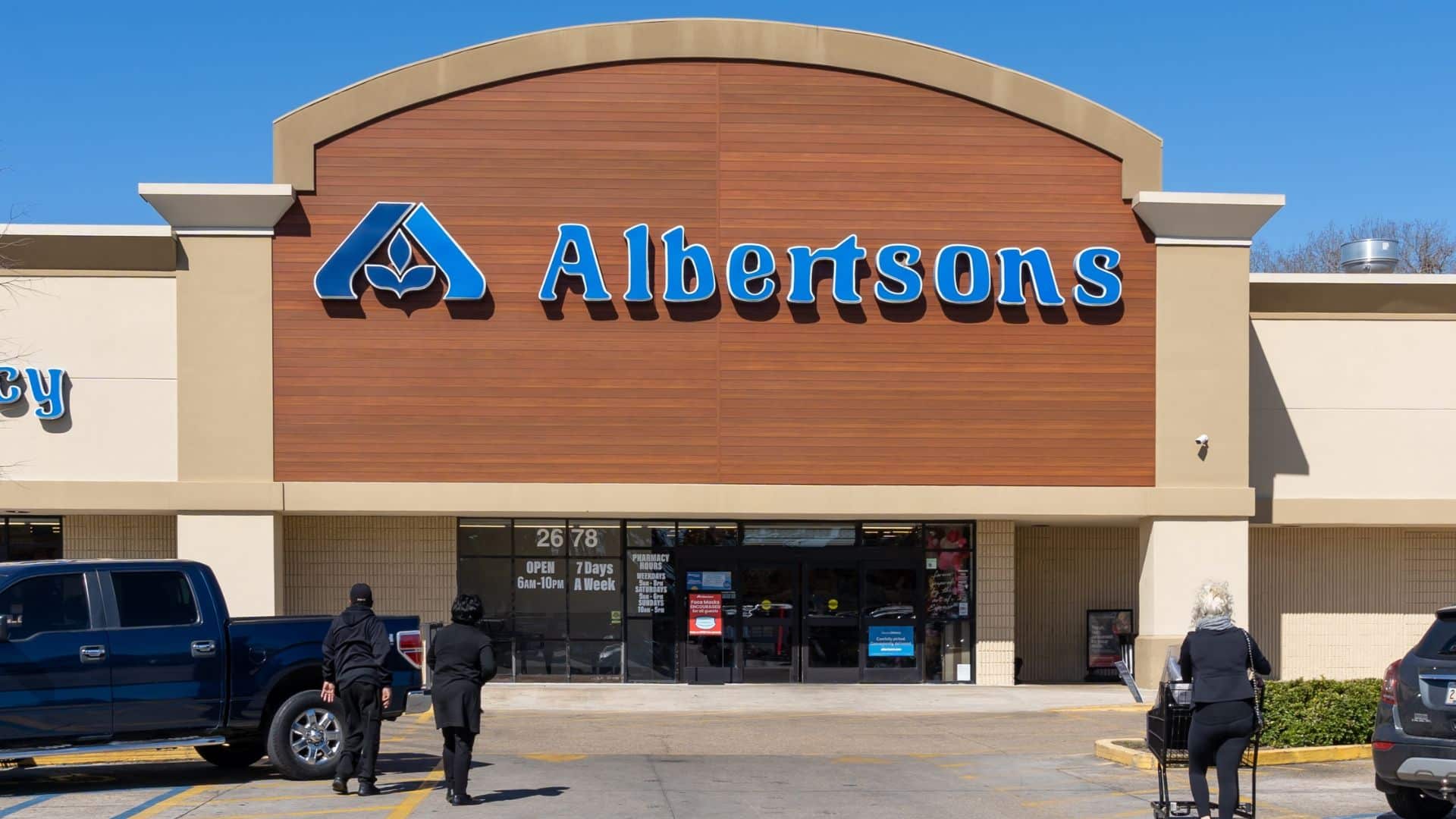

For a lot of shoppers, a “buy one get one free” deal feels like a win. But Washington State is now arguing that for Albertsons, Safeway, and Haggen, those promotions may have cost customers more than they saved. Attorney General Nick Brown filed a consumer protection lawsuit on April 27, 2026, targeting the grocery chains over what the state describes as a pattern of deceptive pricing tied to their BOGO offers.
The lawsuit, filed in King County Superior Court, claims the stores routinely raised prices on items in the weeks or months before a BOGO promotion launched, then lowered them again within about 30 days after the deal ended. The state argues that customers who bought during that pre-promotion window were overcharged, while those who bought during the BOGO period weren’t actually getting anything free. They were, in effect, paying an inflated price for the first item.
One example cited in the complaint involves a Gig Harbor Albertsons location, where a bottle of olive oil jumped from $6.99 to $10.99 ahead of a BOGO promotion, a 57% increase, before dropping back down after the deal closed. Similar pricing patterns were alleged across staples like bread, cereal, fresh produce, and other grocery items sold at Albertsons, Safeway, and Haggen locations throughout the state.
The Numbers Behind the Case

Boise-based Albertsons Companies owns and operates 225 retail grocery stores across Washington under the Albertsons, Safeway, and Haggen banners, making it one of the largest grocery operators in the state. According to the lawsuit, the alleged pricing conduct spanned from October 2019 to May 2024, covering more than 3 million transactions and generating as much as $19.7 million for the company during that period.
Attorney General Brown addressed the filing directly, saying the state won’t tolerate customers being misled, especially at a time when affordability is already a pressing concern. “We’ve got to push back when companies are misleading their customers,” he said. The lawsuit asks the court to find that the stores violated Washington’s Consumer Protection Act, halt the use of these promotions, and require the company to pay restitution and civil penalties.
Albertsons responded to the lawsuit, disputing the state’s claims. The company said it engaged in good-faith discussions with the Attorney General’s Office before the filing and called the allegations based on flawed analysis and data errors it had already raised. “Albertsons Companies is committed to complying with the law and to offering customers clear value through our promotions,” the company said, adding that it would address the matter through the legal process.
This Isn’t the First Time
The lawsuit lands against a backdrop of prior legal action involving the same company. In 2016, Albertsons paid $107 million to settle a class action lawsuit tied to misleading BOGO deals in its Oregon stores. Then in 2023, the company settled a separate proposed class action in federal court related to deceptive BOGO promotions in Washington state.
Washington’s case is notably supported by transaction-level data spanning five years, which provides a more detailed evidentiary foundation than the earlier class action filings. The state’s Consumer Protection Act allows for civil penalties in addition to restitution, meaning the financial exposure for Albertsons Companies could extend well beyond what previous settlements required.
The case is being handled by Assistant Attorneys General Bob Hyde and Shana Emile, alongside Paralegals Judy Lim and Michelle Paules. No trial date has been set, and Albertsons has said it will address the matter through the legal process.
What Comes Next

For now, the stores named in the lawsuit continue to operate across Washington. The legal process will determine whether the state’s pricing data supports its claims and whether the court finds that the BOGO structure crossed the line from aggressive marketing into deception. For consumers, the real question is whether any of these deals actually delivered the savings they promised.
Restitution is part of what the state is seeking, which means Washington consumers who shopped at these stores during the relevant period could potentially be included in any recovery if the case succeeds. The lawsuit doesn’t specify a per-consumer figure, but the $19.7 million total gives a sense of the scale the state is working with. Whether that money ever reaches shoppers depends on how the litigation unfolds.
Consumer protection cases like this one rarely move quickly, and settlements, if they happen, can take years to finalize. What’s clear for now is that Washington has made its position public, Albertsons has pushed back, and the details of how grocery promotions are priced will be getting a closer look in court.

