Americans Are Paying More for Eggs Because of a California Law They Never Voted On


Egg prices across the United States have been rising, and one of the reasons drawing attention is a California law that affects how eggs are produced and sold nationwide. While many consumers assume grocery prices are driven only by supply and demand, experts say regulations in one state can have ripple effects that reach far beyond its borders.
At the center of the issue is California’s Proposition 12, a law passed in 2018 that requires eggs sold in the state to come from cage-free hens raised with more space. Because California is such a large market, producers across the country often adjust their operations to meet these standards, even if they do not operate within the state.
This means that even consumers who never voted on the law, particularly those living outside California, may still be affected by its impact on production costs and supply chains, helping explain why egg prices have climbed nationwide in recent years.
How One State Law Is Influencing National Egg Prices
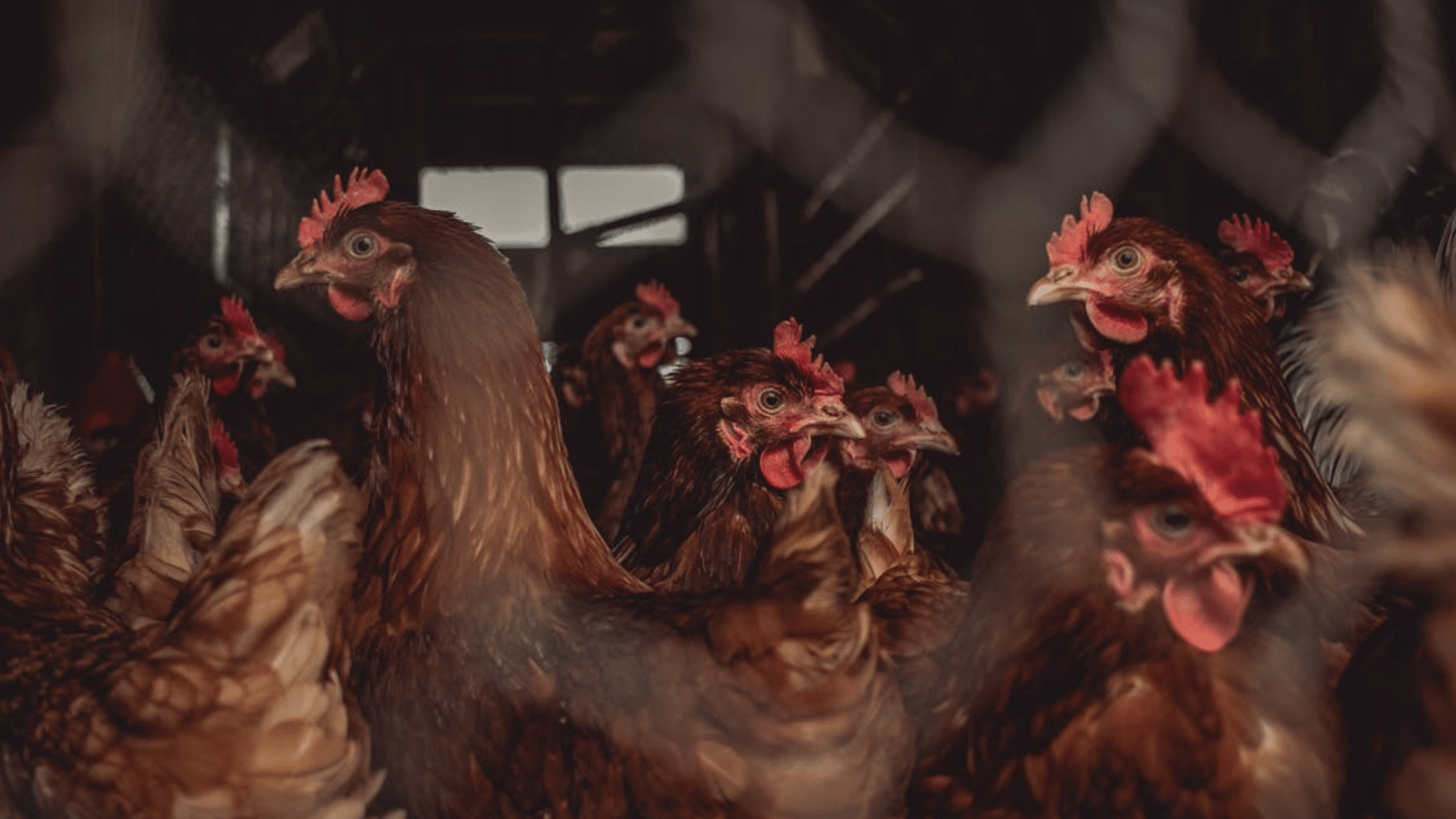
Proposition 12 requires farmers to transition away from traditional cage systems and adopt cage-free housing, which significantly increases the cost of raising hens. These systems require more space, more labor, and new infrastructure investments, all of which contribute to higher production costs.
Because producers must meet California’s standards to sell into its massive market, many have chosen to overhaul their entire operations rather than maintain separate supply chains. This widespread shift has reduced the availability of cheaper, conventionally produced eggs and contributed to higher prices across the country.
In some cases, analysts say these regulatory changes have also limited supply, especially when combined with other challenges like avian flu outbreaks and rising feed costs, creating a situation where prices remain elevated even as demand fluctuates.
Why Prices Keep Rising Beyond Just One Law

While California’s law is a major factor, it is not the only reason egg prices have surged, as the industry has also faced disruptions from bird flu outbreaks that have reduced the number of egg-laying hens nationwide. These supply shocks have compounded the effects of higher production costs tied to regulatory changes.
At the same time, inflation, transportation costs, and feed prices have all increased, making it more expensive to produce and distribute eggs. When combined with stricter housing requirements, these factors create a layered pricing effect that ultimately shows up at the grocery store.
Some economists argue that while regulations like Proposition 12 do raise costs, they also reflect shifting consumer preferences toward more humane farming practices, meaning higher prices may be part of a broader transition in how food is produced and valued in the U.S.
What This Means For Shoppers Going Forward

For shoppers, the impact is clear, as egg prices may remain higher than in previous years due to a combination of regulatory changes, supply challenges, and rising production costs. Even if prices stabilize, they are unlikely to return to past lows anytime soon.
The situation also highlights how interconnected the U.S. food system has become, where policies in one state can influence production decisions across the entire country, affecting consumers far beyond the original scope of the law.
Ultimately, while the California law was designed to improve animal welfare, its nationwide impact on pricing shows how complex the balance can be between ethical standards, economic realities, and affordability for everyday consumers.