50% of Americans Cannot Afford the Diet Their Own Government Just Told Them to Eat
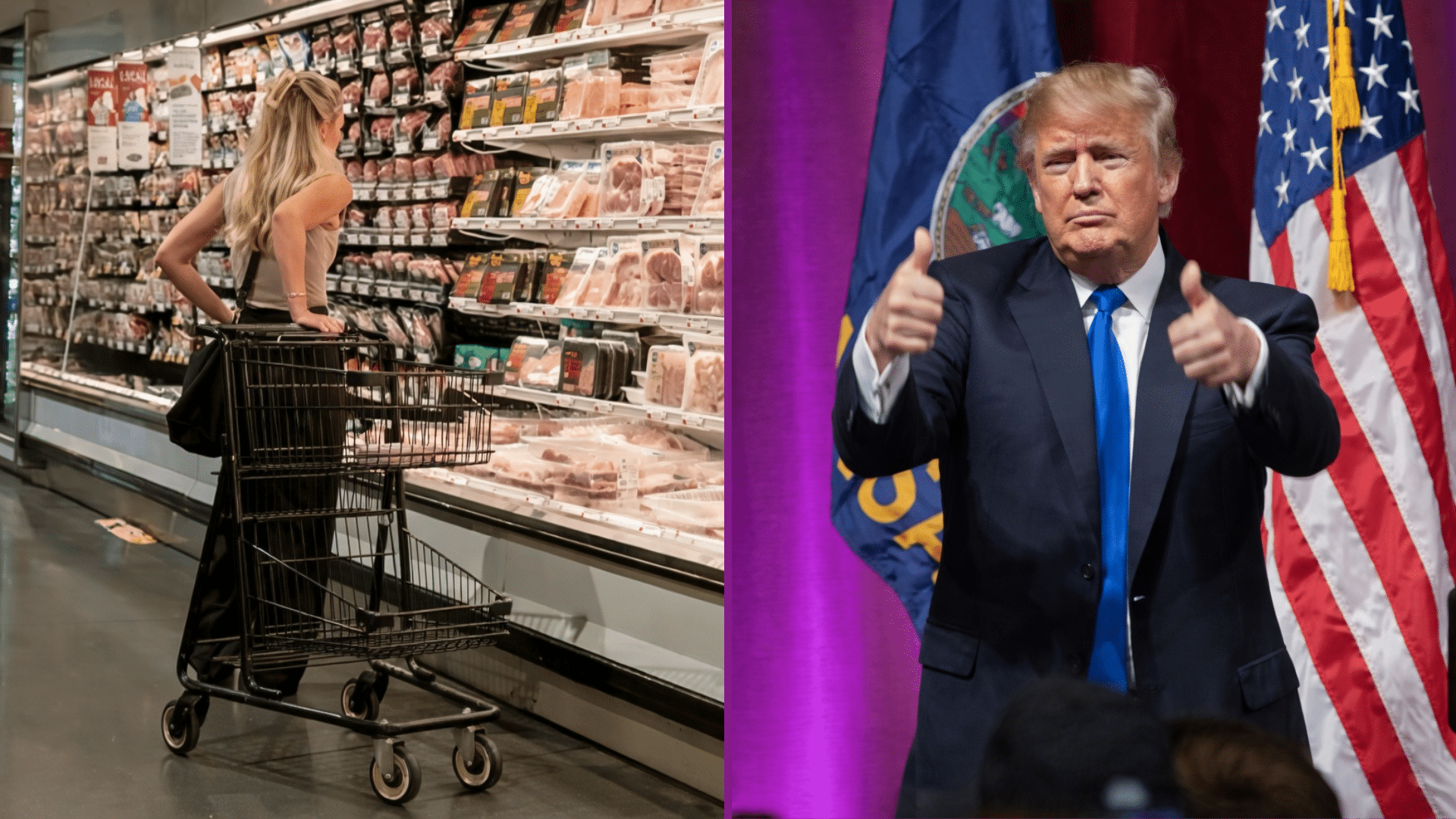

The United States government released a new dietary framework in January, and it comes with a price tag that roughly half of American households cannot manage. A survey by consumer analytics firm Numerator found that among more than 2,000 respondents, affordability was the single most common reason people said they could not follow the new “Real Food” pyramid championed by Health Secretary Robert F. Kennedy Jr. The guidance arrives at a moment when grocery costs are already straining household budgets across the country.
The financial math behind the new recommendations is stark. Numerator’s analysis found that fully aligning grocery purchases with the updated dietary guidance would raise a household’s food costs by 32% per person, amounting to an estimated $1,012 more per person each year. The study priced those figures using November 2025 data and beef prices have continued rising since then, meaning the actual cost gap for families trying to comply today is likely wider than the estimate already suggests.
Less than half of the survey respondents said they were even aware the guidelines had changed, which means the affordability barrier is compounding an awareness gap. Americans are being asked to restructure how they eat around a framework many have not yet heard of, at a cost most cannot absorb. The tension between what the government recommends and what households can realistically purchase sits at the center of a debate that involves not just nutrition science, but economic reality and competing medical opinion.
Who Benefits From a Meat-Heavy Food Pyramid
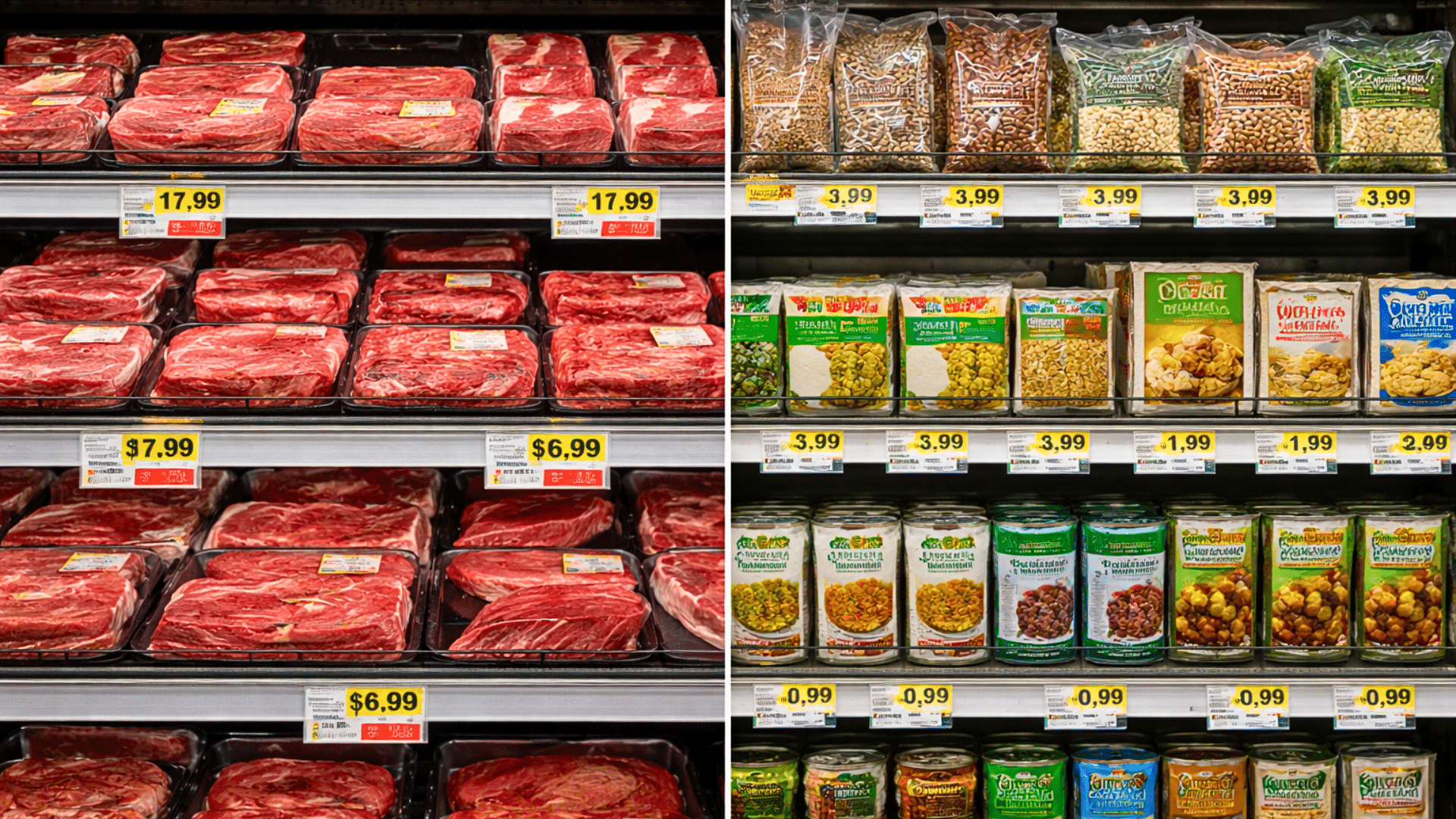
The dominant cost driver in Numerator’s analysis is protein, specifically the new guidelines’ emphasis on meat products. Nearly all of the estimated 32% increase in grocery spending was attributed to the shift toward higher protein consumption. Kennedy’s Make America Healthy Again movement has a documented preference for red meat, and the new pyramid reflects that orientation. The guidelines do include plant-based protein sources as an option, but the political and cultural messaging surrounding the framework has centered heavily on animal products.
The medical establishment is not aligned with that direction. The American Heart Association released a paper last week recommending a shift toward plant-based proteins rather than red meat or processed meat. The American Medical Association has long characterized meat and dairy as optional components of a healthy diet rather than essentials. These positions place two of the country’s most prominent medical institutions in direct tension with the federal government’s current dietary guidance, leaving consumers caught between conflicting expert recommendations with meaningfully different price points.
The cost disparity between animal and plant-based proteins is not incidental, it is the core of the affordability problem. Chicken, legumes, and eggs are generally far cheaper per gram of protein than beef or other red meats. A food pyramid that steers consumers toward premium cuts and frequent meat consumption will, by design, cost more to follow than one that distributes protein sources more broadly. For households already making careful decisions at the checkout line, that design choice carries direct consequences that the federal guidance does not appear to account for.
Larger Families, Tighter Budgets, and a Cost That Compounds With Every Seat at the Table

Numerator’s findings make clear that the affordability burden is not distributed evenly. Larger households face proportionally higher increases in total grocery spending if they attempt to follow the new pyramid, since the $1,012 per-person estimate multiplies with each additional family member. A family of four trying to comply with the new recommendations would be looking at more than $4,000 in additional annual food costs, relative to current spending, a figure that lands very differently for a household earning $45,000 per year than one earning $150,000.
The timing compounds the pressure. Beef prices, which were already elevated when Numerator conducted its November 2025 analysis, have continued climbing in the months since. Tariff-related uncertainty and supply chain shifts have kept grocery inflation elevated across multiple categories. The federal government released nutritional guidance calibrated to health outcomes without a parallel mechanism to make those outcomes financially accessible. There is no subsidy program, no cost assistance, and no acknowledgment within the guidelines themselves that price is a barrier for a significant portion of the population they are intended to reach.
This pattern is not new in American nutrition policy. Federal dietary guidelines have historically reflected the eating habits and cultural preferences of middle and upper-income households more accurately than those of lower-income families. Critics have long argued that recommendations divorced from economic context functionally exclude the households most likely to suffer from diet-related disease. The new pyramid, with its protein-forward emphasis and implicit preference for premium animal products, appears to replicate that structural gap in a new form.
What Americans Are Actually Doing and Why Government Guidance Barely Registers

Despite the affordability obstacles, Numerator’s data contains a finding that cuts against the narrative of dietary stagnation. Americans are making more frequent trips to the perimeter sections of grocery stores, the areas where fresh produce, dairy, and unprocessed foods are typically stocked, at a higher rate than to the center aisles dominated by packaged and heavily processed goods. The shift is modest but measurable, and it suggests a genuine, if gradual, reorientation toward fresher food choices happening independently of government guidance.
Numerator’s own framing of this trend is telling. “Consumers are not replacing one set of behaviors with another,” the firm wrote in its analysis. “They are layering health intentions on top of existing habits.” That description captures something important: most Americans are not overhauling their diets in response to a federal chart. They are making incremental adjustments based on a personal calculus that weighs health goals against budget constraints, convenience, and preference. Government recommendations factor into that calculus far less than policymakers tend to assume.
The larger question raised by this data is not whether the new food pyramid is nutritionally sound, but whether dietary guidance disconnected from economic reality can achieve meaningful public health outcomes. Half of Americans say they cannot afford to follow the recommendations their government has issued. Medical authorities are publicly disagreeing with the direction of those recommendations. And the people most in need of improved nutrition are the ones least equipped to absorb the cost of compliance. Whether the next revision to federal dietary guidelines will reckon with that reality remains to be seen.