Analyst Warns Higher Food Prices Will Hit American Grocery Bills
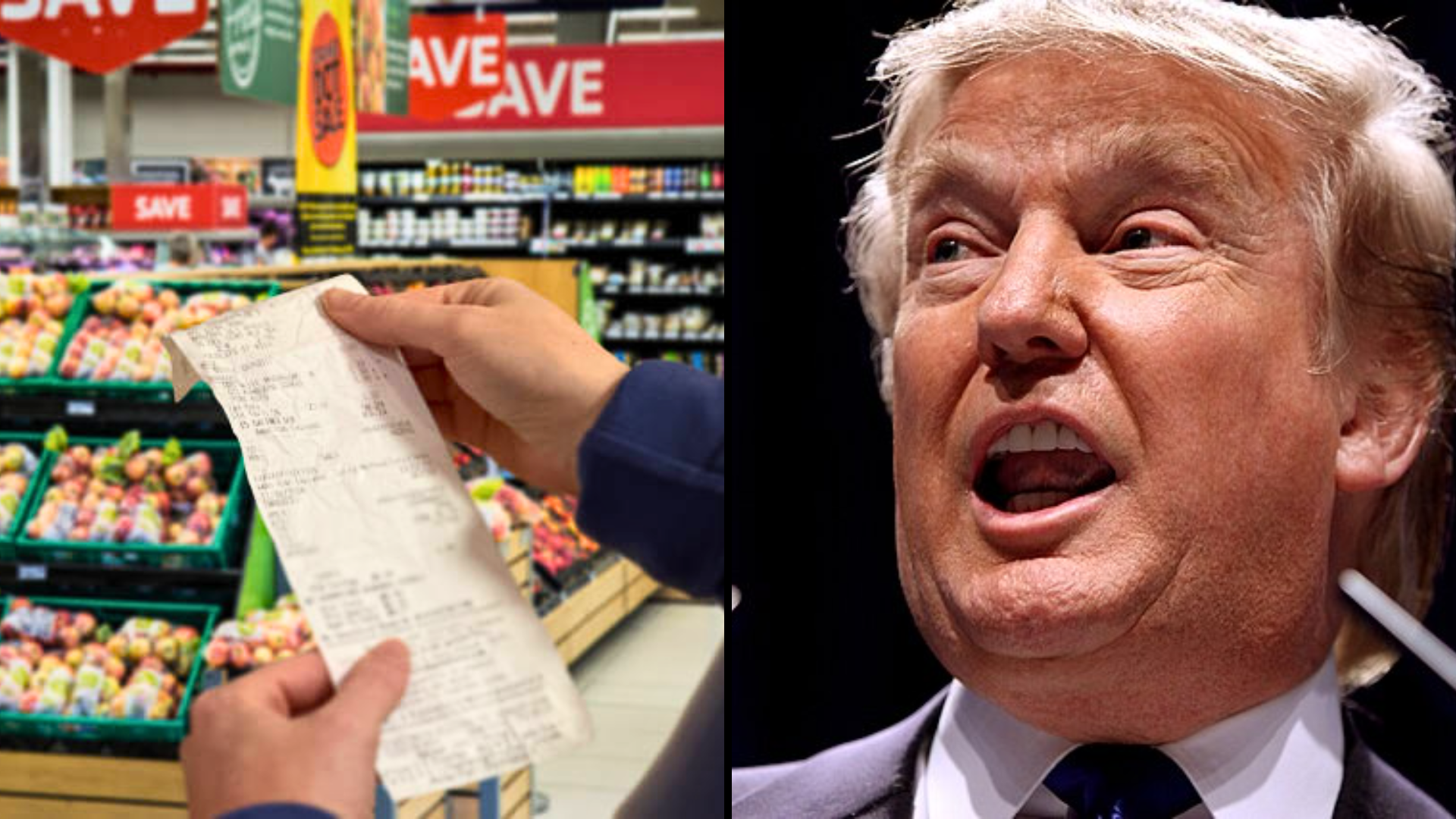

The Trump administration’s insistence that the U.S. economy remains in a golden age is facing a brutal reality check from the world’s leading financial analysts. A veteran markets journalist has issued a chilling forecast, suggesting that recent military escalations in the Middle East have guaranteed a surge in food prices. As families already struggle with fluctuating costs, this unexpected inflationary wave is expected to crest exactly when voters head to the polls for the 2026 midterm elections. The timing could not be worse for a White House attempting to maintain a populist mandate.
The root of the crisis lies in a sudden, severe disruption to the global agricultural supply chain following the invasion of Iran. Bloomberg analyst John Authers has been tracking global fertilizer vulnerability, noting that the war has effectively severed critical trade arteries. Even if the conflict were to reach a swift resolution next month, the damage to the planting cycle is already done. Major agricultural exporters like Brazil, which the U.S. relies on for soybean and grain imports, simply won’t be able to restock in time for the next harvest.
This supply chain fracture creates a breadcrumbing effect of economic pain. First, energy costs rise, then fertilizer disappears, and finally, the grocery shelf goes bare or becomes unaffordable. What started as a foreign policy maneuver has rapidly transformed into a kitchen table crisis. While the administration seeks to quell fears, the math behind the global food supply suggests that the answer to whether prices will drop is a resounding no. The real discovery, that modern war and modern food are inextricably linked, is just beginning to sink in.
The Fertilizer Fracture in Detail
John Authers and other market experts are focusing on the specific domino effect of the Iran conflict. Iran and the surrounding region are not just oil hubs, they are pivotal players in the production of liquefied natural gas. This gas is a primary ingredient in the manufacturing of nitrogen based fertilizers. By entering a hot war in the world’s most sensitive energy corridor, the administration has inadvertently throttled the production of the very chemicals that keep global crops growing. This is not just a theoretical dip, it is a physical shortage of the materials needed to sustain the 2026 food supply.
The scale of the vulnerability is grounded in concrete numbers. Brazil, the world’s largest fertilizer importer and a massive supplier of American food staples, is already reporting that its restocking efforts have stalled. Nobel Prize-winning economist Paul Krugman warns that any hope for a brief war is fading fast. He points out that the Iranian state is not a regime of mere thugs that can be decapitated easily, but a resilient infrastructure of religious fanatics who view this as an existential threat. Their grip on power means the conflict, and the resulting trade blockade, could drag on for years.
These details matter because they reflect a fundamental misunderstanding of the America First doctrine in a globalized world. Republican Senator Kevin Cramer of North Dakota, usually a supporter of the president, has noted that America First has effectively turned into America Strikes First. He expressed concern that the populist base is showing a general skepticism about the war’s necessity when it begins to impact their bottom line. The physical reality of empty fertilizer silos in the Midwest and South is a concrete detail that no political rhetoric can mask.
The Lousy February Report
The pivot from patriotic fervor to economic anxiety became official with the release of the lousy February jobs report. The U.S. shed 92,000 jobs in a single month, with previous gains being revised downward. Even the Wall Street Journal Editorial Board, typically a staunch ally of the administration, has characterized the current economy as struggling under the weight of the war and controversial tariffs. They are now urging the president to lift trade barriers to provide price relief to a public that is increasingly connecting policy choices to their dwindling bank accounts.
The larger implications are worrisome for the Republican party’s grip on the 2026 midterms. Conservative commentators like Mona Charen argue that while voters are often unable to connect complex policies to outcomes, they have finally done so with tariffs and war induced inflation. Back in 2024, the public was divided on trade protectionism, today, the lived experience of higher prices has shifted the majority toward skepticism. This experience is creating an emotional arc of concern that is rapidly turning into political frustration.
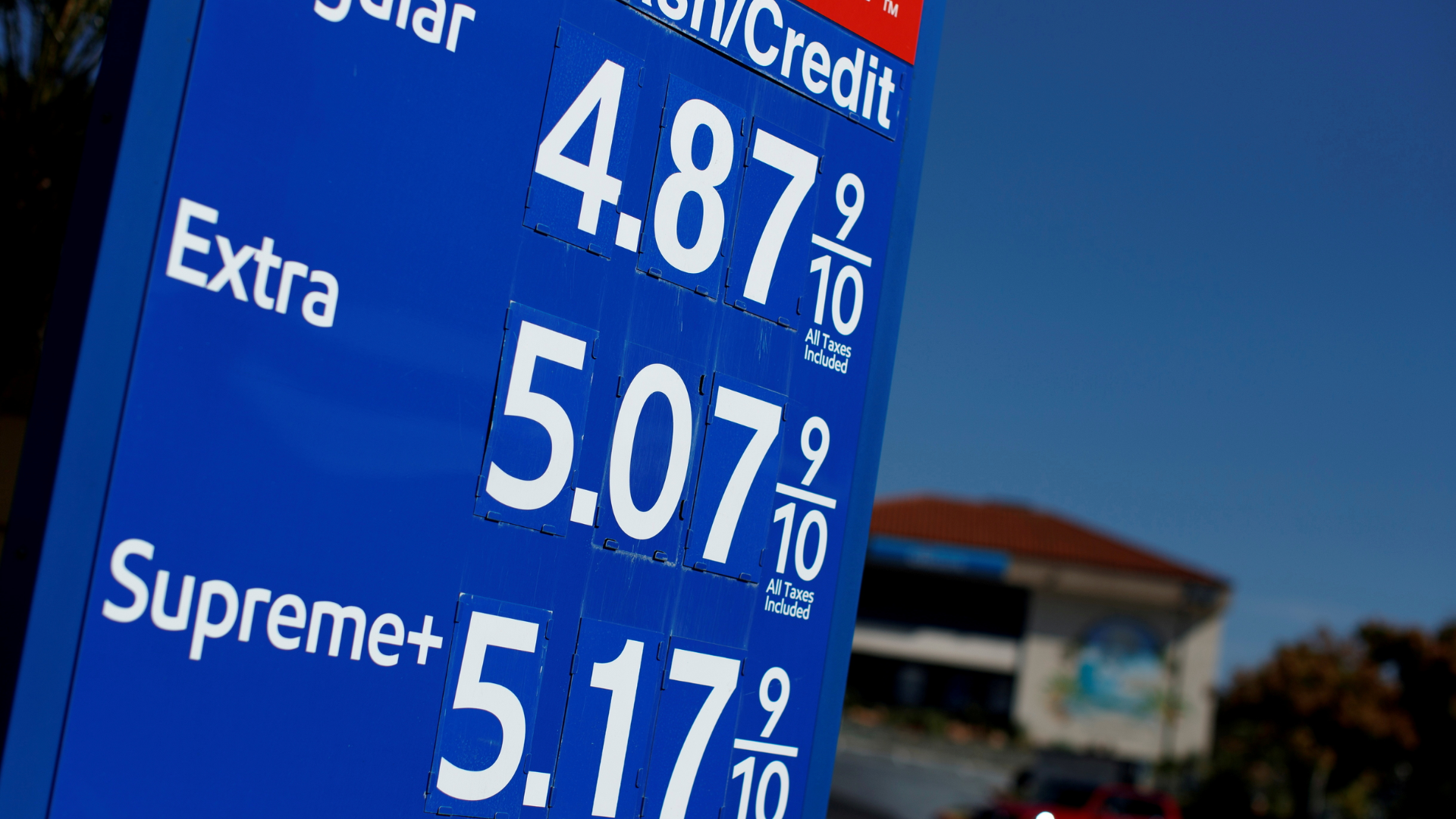
As the conflict in Iran continues, the impact on energy prices is becoming unavoidable. High fuel costs do not just affect the gas pump, they increase the cost of transporting every head of lettuce and gallon of milk across the country. The younger brother of the global economy, the American consumer, is being forced to pay for a national security decision that many experts now believe was made without regard for domestic stability. The populist president is now facing a populist backlash over the most basic human need, affordable food.
A Warning for the 2026 Midterms
The administration continues to project confidence, with the White House claiming significant progress in making the government more efficient. However, the question no one can answer is how efficiency helps a family that can no longer afford the same groceries they bought a year ago. As the midterms approach, the bad news comes in two parts. The war is not ending, and the energy prices are not dropping. The urgency of the situation is reflected in the frantic attempts to quell economy fears through televised press conferences and rallies.
The return to economic reality is painful. If the Trump administration does not pivot on its tariff and Middle East policies, the lousy February report may just be the beginning of a sustained downward spiral. Republican strategist Matthew Bartlett was blunt in his assessment, stating that the longer this goes on, the worse it is politically, full stop. The forward looking consequences of this America Strikes First era may be a significant realignment of the American electorate, driven not by ideology, but by the price of a dozen eggs.
The 2026 midterms will serve as a referendum on whether a national security agenda is worth the sacrifice of domestic prosperity. The analyst warnings are clear, the bill for the Iran invasion is coming due, and it will be delivered directly to the American grocery cart. As the heart of the world’s energy supply remains in a chokehold, we are reminded that in a global economy, there is no such thing as a distant war. We may have to accept that the most powerful statement a voter can make is not in a poll, but at the checkout counter.