Bagel Chain That Claimed to Beat New York Shut Down With Only $3,747 Left and Workers Got No Warning
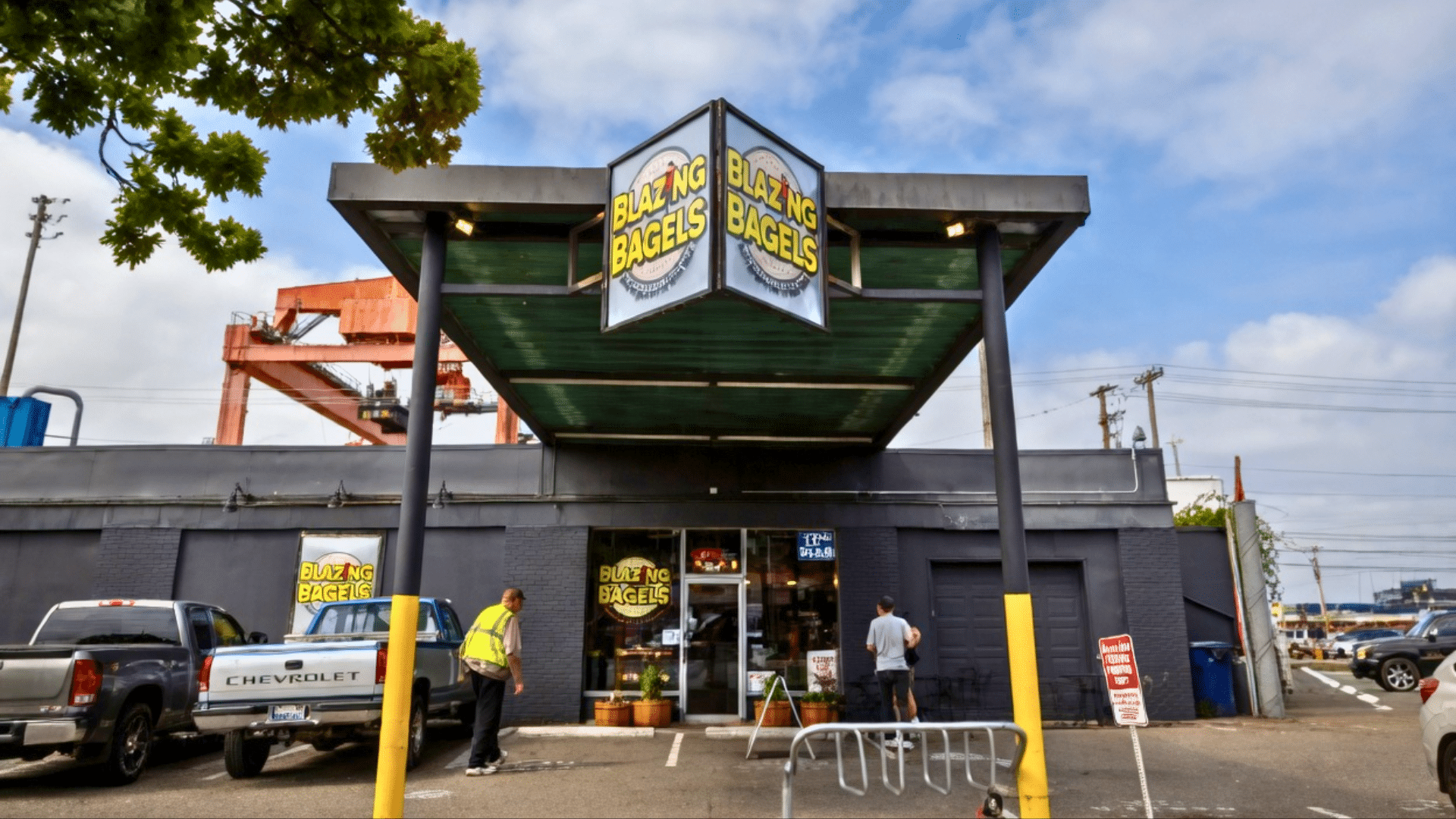

When employees of Blazing Bagels showed up to work on a Friday in March 2026, the doors were locked. They had learned the night before, through an email, that the company was filing for bankruptcy and closing permanently. No meeting. No severance conversation. No warning that anything was wrong. At the time the chain filed for Chapter 7 liquidation, its entire cash reserve amounted to $3,747. Not enough to cover a single day of payroll for a staff that had recently numbered between 76 and 100 people.
Blazing Bagels had operated for 25 years across five retail locations in the Pacific Northwest, building a loyal regional following and a reputation bold enough to back up a cheeky marketing line: “crafting the best bagels east of New York.” It was a claim few competitors could credibly challenge in that region, and for two and a half decades, the chain seemed to be making good on it. Then, in December 2025, it abruptly ended its wholesale operations. By March 2026, every retail location had gone dark. A week later, the bankruptcy filing made it official.
The Chapter 7 petition, filed on March 24, 2026 in the U.S. Bankruptcy Court for the Western District of Washington, has since shed light on exactly how dire the financial situation had become before anyone outside the company knew. What it revealed was not a business caught off guard by a sudden crisis, but one that had been quietly running out of road for months. To understand how a 25-year-old institution collapsed so completely, it helps to understand what made it worth fighting for in the first place.
What Made Blazing Bagels Worth Bragging About and What Makes Any Bagel Great

The bagel is a deceptively simple food, and making a great one is considerably harder than it looks. According to the American Chemical Society, two steps separate a genuinely exceptional bagel from an ordinary one. The first is an extended cold proof: after the dough is rolled, traditional bagels are left to rest in a cooler for several days, giving yeast time to ferment slowly and develop deeper flavor. The second is boiling, which alters the chemical structure of the dough’s starch and locks moisture inside, producing the shiny, chewy crust that defines the form.
New York bagels carry an almost mythological reputation, often attributed to the city’s famously soft water piped in from the Catskill Mountains. But according to Food Republic, the water is likely a minor factor. What actually drives the quality of a New York bagel is the method: the slow cold fermentation, the boiling, and the institutional knowledge built up over generations of bagel makers working in a city where standards are enforced by an unforgiving customer base. Blazing Bagels built its identity on honoring that same process, far from where it originated.
For 25 years, that commitment earned the chain a devoted following in the Pacific Northwest, a region not historically associated with great bagels. Founder Dennis Wallen built something real, and when he retired a year before the closure, he handed operations to his daughters, including CEO Whitney Ballen. It was under that new leadership that the business began its rapid decline. What went wrong has not been publicly explained by the family, but the bankruptcy filing filled in some of the silence.
$3,747 in the Account and a Note Taped to the Door
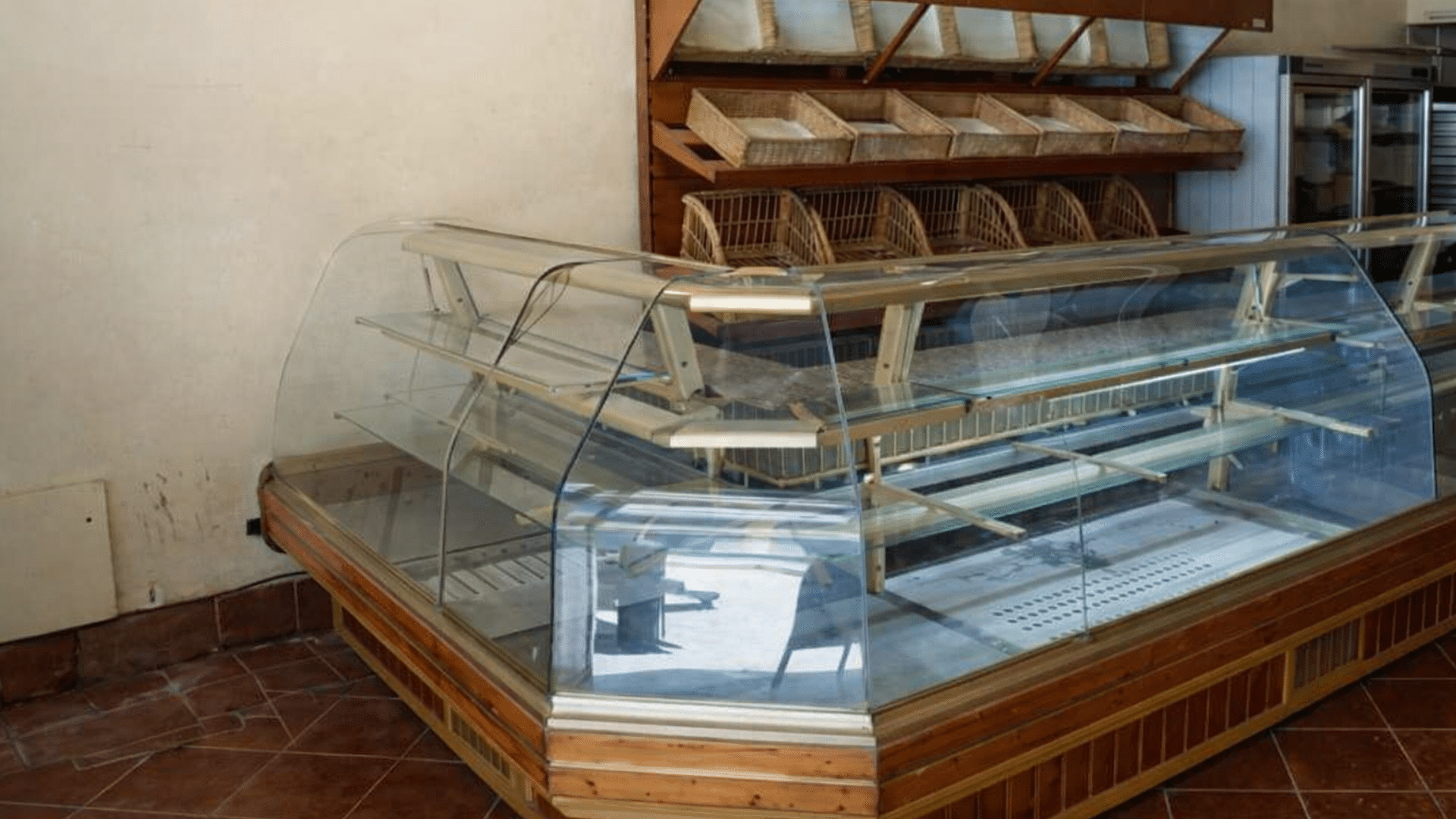
The Chapter 7 filing, classified as a no-asset case, painted a picture of total insolvency. Liabilities far exceeded assets, and court documents described the business as having no realistic path forward. The remaining physical assets consisted largely of perishable food inventory that was already spoiling at the time of filing, with any meaningful recovery expected to come from auctioning off bakery equipment after leases were formally rejected. Unsecured creditors, including vendors and suppliers owed money, are unlikely to recover anything through the liquidation process.
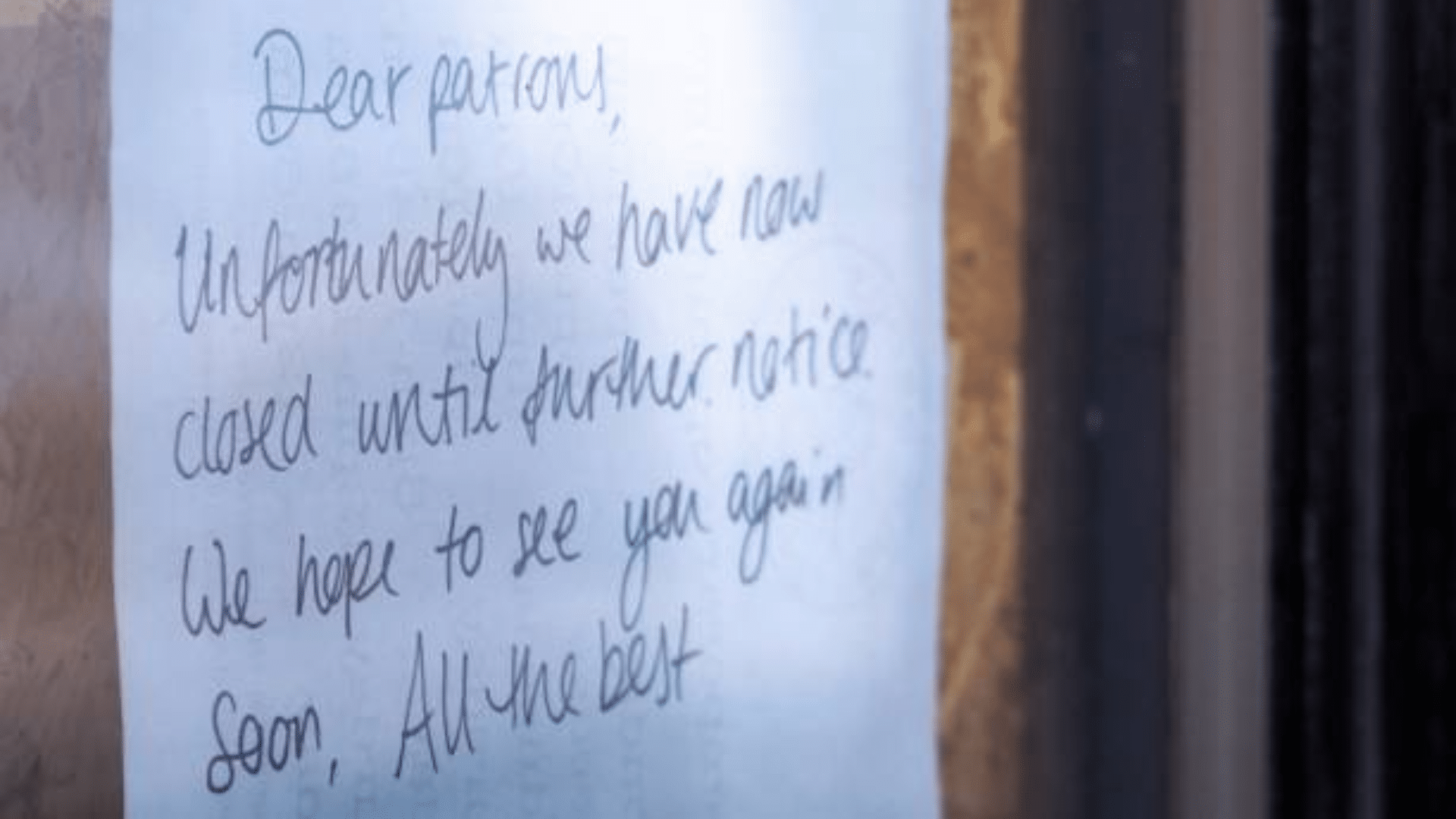
Workers found out they had lost their jobs through an email sent on a Thursday evening in March. By Friday, they were locked out. On Saturday, many returned to their former locations to collect personal belongings. At one location, employees had taped handwritten notes to the entrance for customers who arrived expecting fresh bagels. “Did you drive all the way here for something yummy? I’m so sorry, but the new owner sunk it so bad,” one note read. It stated that all employees at every location were laid off the same day, without warning. “Think this sucks? We do too,” another line read.
Seattle Met food columnist Naomi Tomky had flagged the situation publicly days before the bankruptcy filing, noting that the chain had abruptly shuttered all five retail locations and that questions were already circulating about what had happened. The filing on March 24 provided the answer that the company’s leadership had not. Neither CEO Whitney Ballen nor any member of the founding family has issued a public statement explaining the closure beyond a brief thank-you message posted to the company’s website. The bankruptcy case, assigned to Judge Christopher M. Alston with trustee Michael P. Klein overseeing liquidation, continues in court.
What Blazing Bagels Leaves Behind and What Its Collapse Quietly Signals
The handwritten notes taped to those locked doors carry a weight that goes beyond one closed bagel shop. They represent the end of something a community had built a routine around early Saturday mornings, a specific order memorized by staff, a place that felt like a small but reliable part of daily life. Blazing Bagels had 25 years of that kind of accumulated loyalty. It dissolved in a single email on a Thursday night, and the people who showed up to make the bagels the next morning found out they no longer had jobs when they couldn’t get through the door.
The collapse also reflects a pattern playing out across the independent and regional food business landscape. Wholesale revenue disappearing without a clear replacement, a leadership transition that coincided with rapid decline, and a cash position so depleted that the company could not cover one day of staff costs. These are not unusual features of a small food business failure. What makes Blazing Bagels unusual is the scale of the gap between its public-facing identity and its private financial reality. From the outside, it looked like a 25-year institution. Inside, it had $3,747 and spoiling inventory.
The bagel it made; Slow-fermented, boiled, built on a method it respected enough to market boldly, deserved a better ending than this. So did the workers who made them every morning without knowing the lights were about to go out. Whatever comes next for the Pacific Northwest’s bagel scene, the note taped to that door says something that will outlast the bankruptcy filing: the people who worked there cared, right up until they weren’t allowed back in. That kind of loyalty, given without warning of what was coming, is the detail that stays with you longest.