CDC Warns of Multistate Salmonella Outbreak Linked to Backyard Chickens
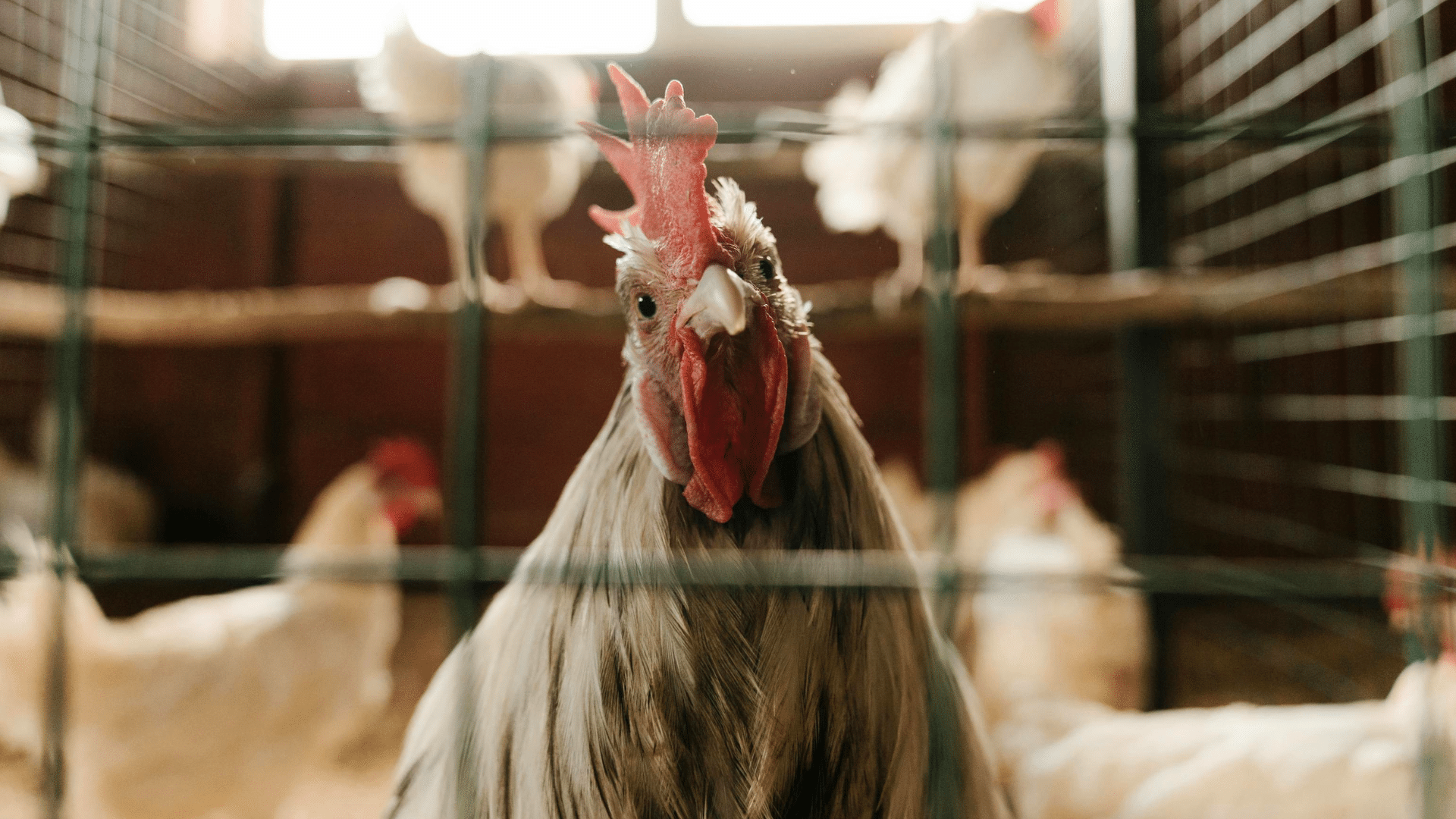

Health officials are sounding the alarm after a multistate Salmonella outbreak linked to backyard chickens and other poultry has sickened dozens across the U.S. The Centers for Disease Control and Prevention (CDC) says the outbreak is spreading across multiple states, raising concerns about a growing trend of backyard poultry ownership. While keeping chickens has become increasingly popular, especially as egg prices rise, experts warn that these birds can carry harmful bacteria, even when they appear perfectly healthy.
How Many People Have Been Affected

So far, at least 34 people across 13 states have been infected with the same strain of Salmonella, with 13 requiring hospitalization. Officials caution that the true number of cases is likely much higher, since many people recover without seeking medical care or being tested.
Backyard Chickens Are the Source
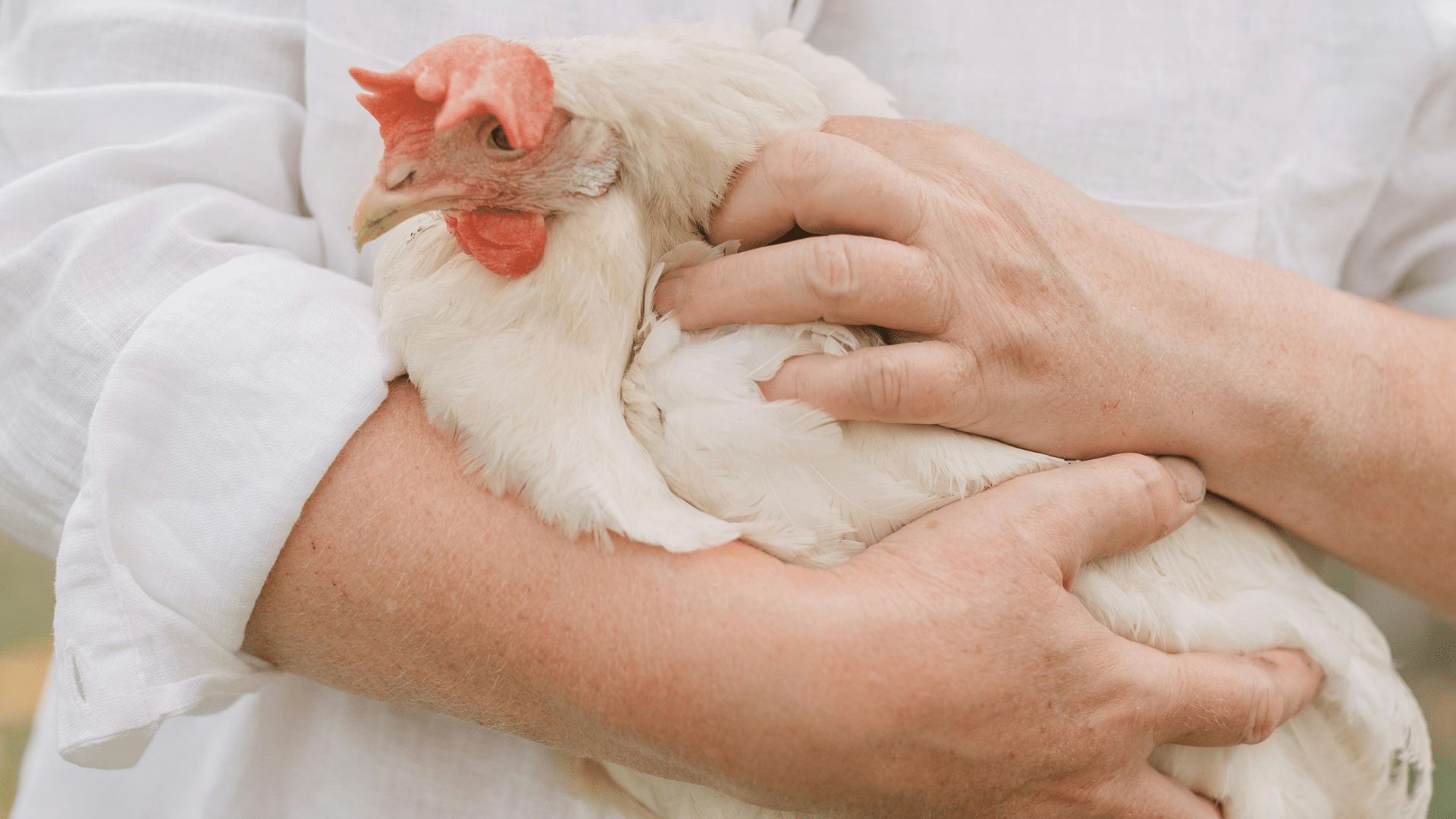
Investigators have linked the outbreak directly to backyard poultry, including chickens and ducks. Nearly 80% of those infected reported recent contact with these animals, and many had purchased or acquired birds earlier this year.
Healthy-Looking Birds Can Still Carry Salmonella
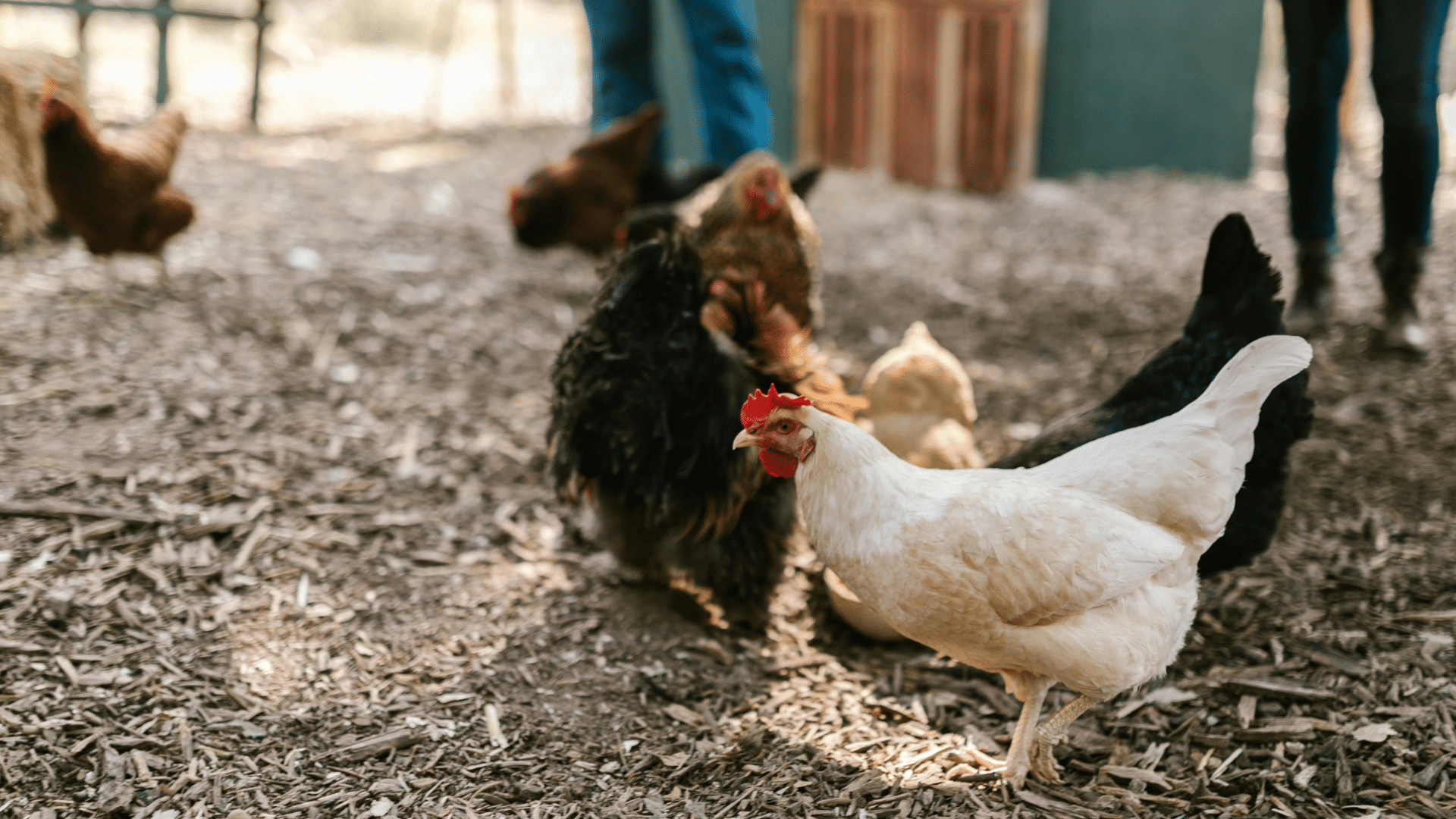
One of the biggest concerns is that backyard poultry can carry Salmonella bacteria without showing any signs of illness. Even birds that appear clean and healthy can spread the germs, making it difficult for owners to recognize the risk.
How the Bacteria Spreads to Humans
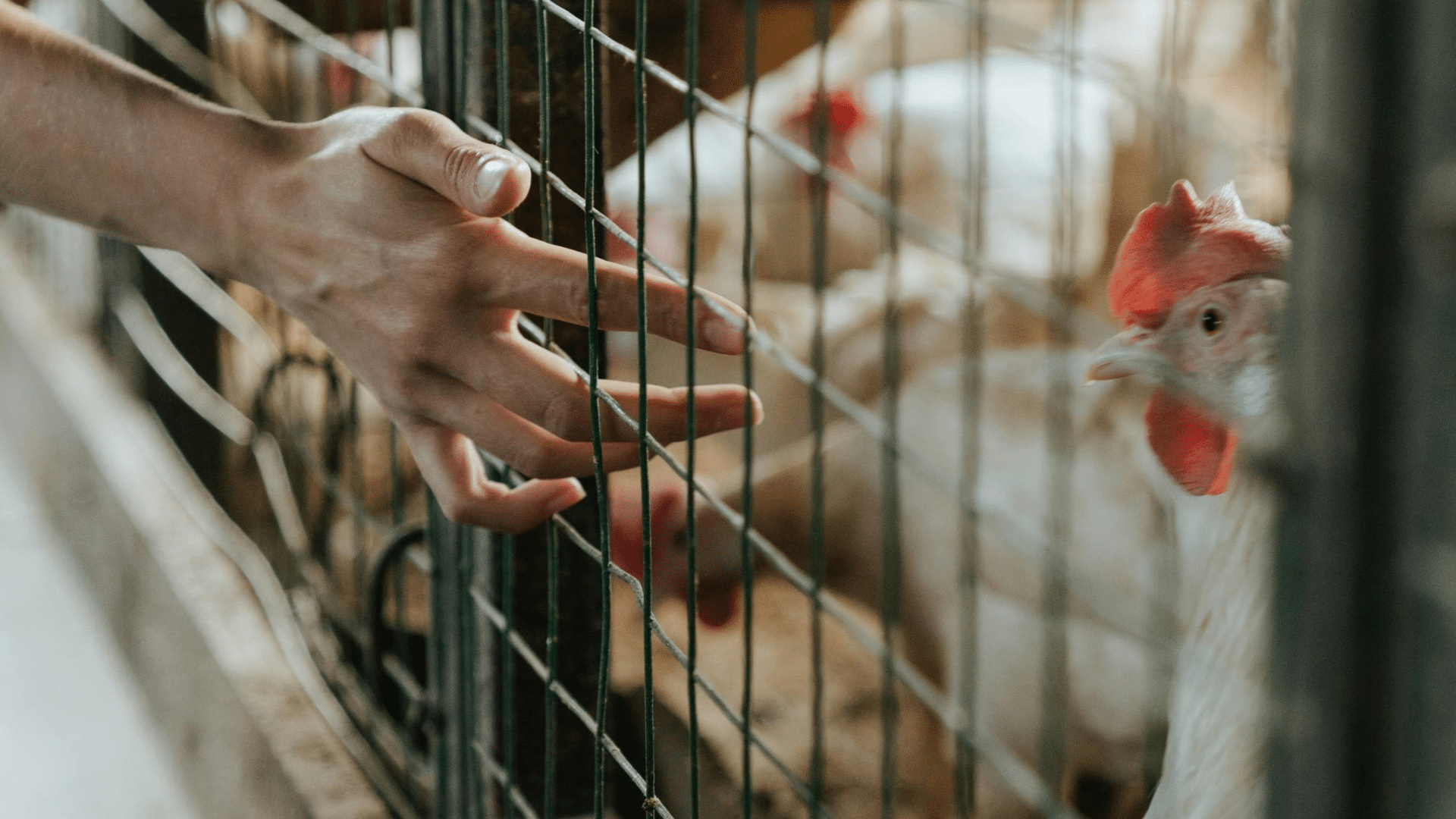
People typically become infected by touching birds or surfaces in their environment, such as cages, feeders, or bedding, and then touching their mouth or food without washing their hands. The bacteria can also spread indirectly through contaminated clothing, shoes, or household surfaces.
Symptoms Can Range From Mild to Severe

Salmonella infection usually causes symptoms like diarrhea, fever, stomach cramps, and vomiting, often starting within hours to a few days after exposure. While many people recover within a week, severe cases can require hospitalization, especially in young children, older adults, and those with weakened immune systems.
Children Are Especially at Risk

A significant portion of cases involve young children, with more than 40% of infections reported in kids under five years old. Because children are more likely to touch animals and then their faces, they are at higher risk of contracting the bacteria and experiencing more severe illness.
Drug-Resistant Strains Are Raising Concern

Health officials have identified signs that some of the Salmonella infections in this outbreak may be resistant to certain antibiotics. This makes treatment more complicated in severe cases and increases concern among public health experts about the spread of harder-to-treat infections.
Why Backyard Poultry Ownership Is Increasing Risk
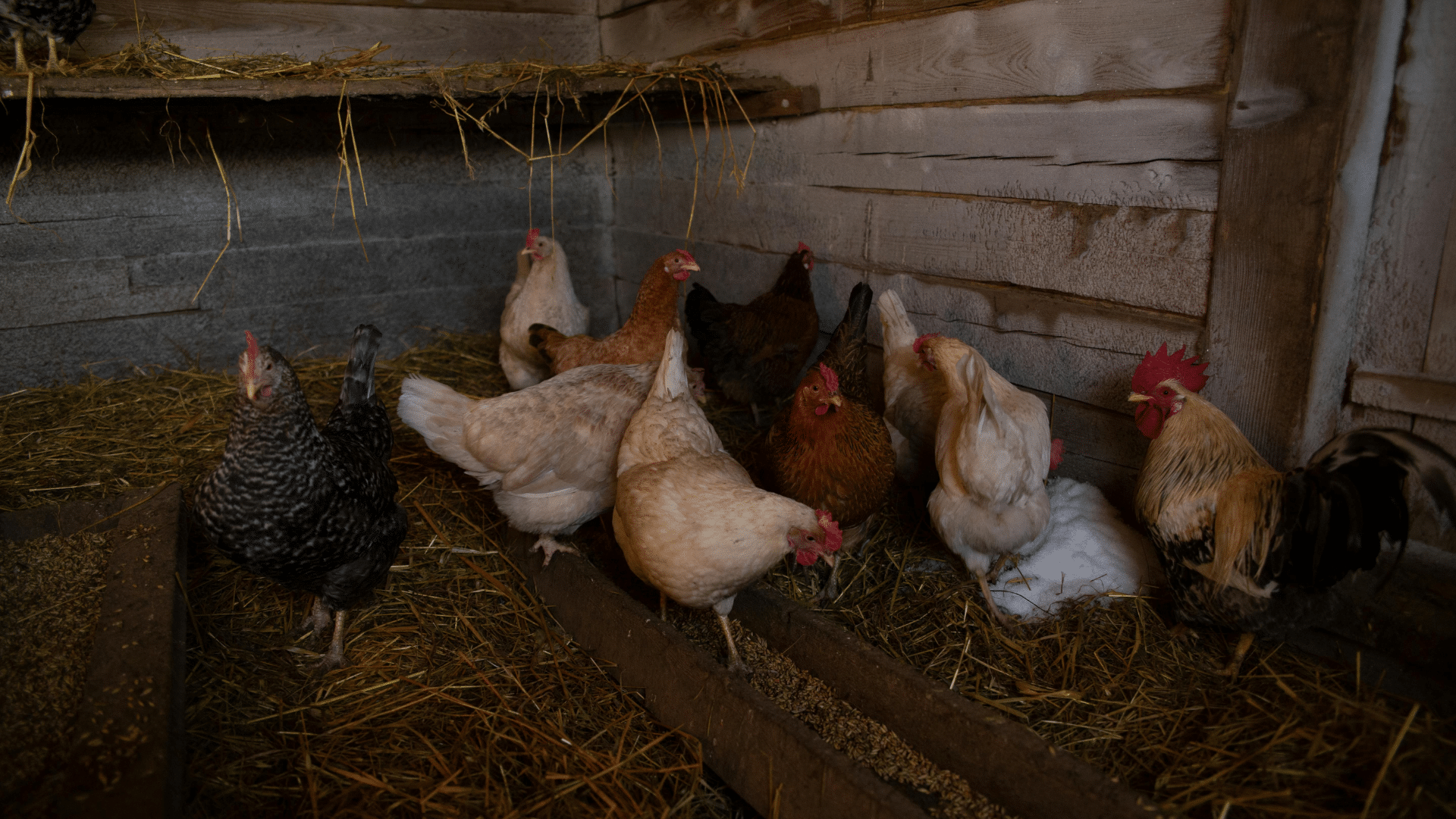
The popularity of raising backyard chickens has surged in recent years, driven in part by rising egg prices and interest in sustainable living. However, as more households take on poultry care without fully understanding the risks, the likelihood of outbreaks like this increases.
How to Protect Yourself and Your Family

The CDC recommends simple but critical safety steps, including washing hands thoroughly after handling birds or anything in their environment, keeping poultry out of the home, and avoiding close contact like kissing or cuddling the animals. With proper precautions, experts say it’s possible to enjoy backyard chickens while reducing the risk of infection, but awareness is key as this outbreak continues to unfold.