Consumer Advocate Clark Howard Says ‘Flat Tipping’ Hurts Servers Who Earn $2.13 an Hour


A recent question from a curious diner named Bill sparked a massive debate on consumer advocate Clark Howard’s podcast. Bill noticed that a server performs the same amount of work whether delivering a $10 burger or a $30 steak. He wondered why tips should be based on a percentage if the effort is identical. While the logic seems sound on the surface, Howard argues that switching to a flat dollar amount could devastate the livelihoods of thousands of workers.
The Reality of the $2 Wage
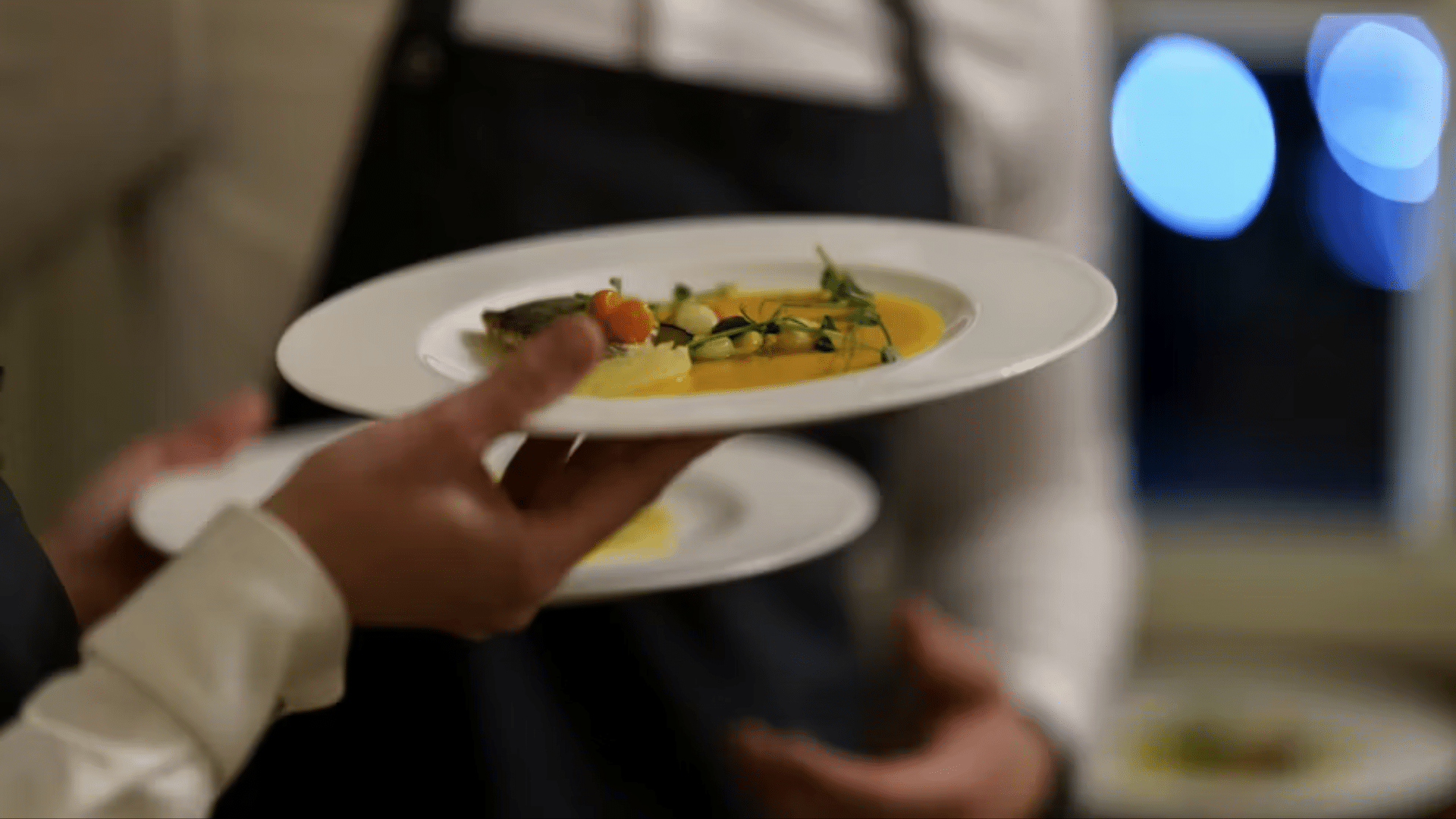
To understand the stakes, one must look at the federal tipped minimum wage, which remains a meager $2.13 per hour. In most states, this base pay is not even enough to cover the taxes on a server’s paycheck. Consequently, these employees depend almost entirely on tips to pay their rent and buy groceries. The percentage model effectively allows the customer base to set a server’s wage based on the price tier of the establishment where they work.
Why the Math Feels Unfair to Diners

Bill’s frustration is rooted in pure labor economics. Under a 20% tipping model, a server earns $6 for the steak table but only $2 for the burger table. Since the labor input is nearly identical, the pay gap seems arbitrary. However, Clark Howard points out that for most servers, these fluctuations evening out across an entire shift. It is a portfolio effect where a few low checks are balanced by higher ones.
The Collapse of the High End Model

If every diner switched to a flat $4 tip, the impact would be felt differently depending on the restaurant. At a casual lunch spot with $12 checks, a flat tip might actually increase a server’s take home pay. However, at a mid range or upscale restaurant, that same flat tip would slash a server’s income by more than half. The percentage system ensures that compensation scales with the economic level and expectations of the dining environment.
Inflation is Already Raising Your Tip

There is a hidden factor in this debate: the rising cost of living. Between March 2025 and February 2026, the Consumer Price Index rose significantly, driving up menu prices across the country. Because tips are calculated as a percentage, the dollar value of a 20% tip has grown automatically alongside those prices. This compounds the financial pressure on diners, many of whom are already saving less just to keep up with their daily expenses.
The Problem with outliers and Wagyu
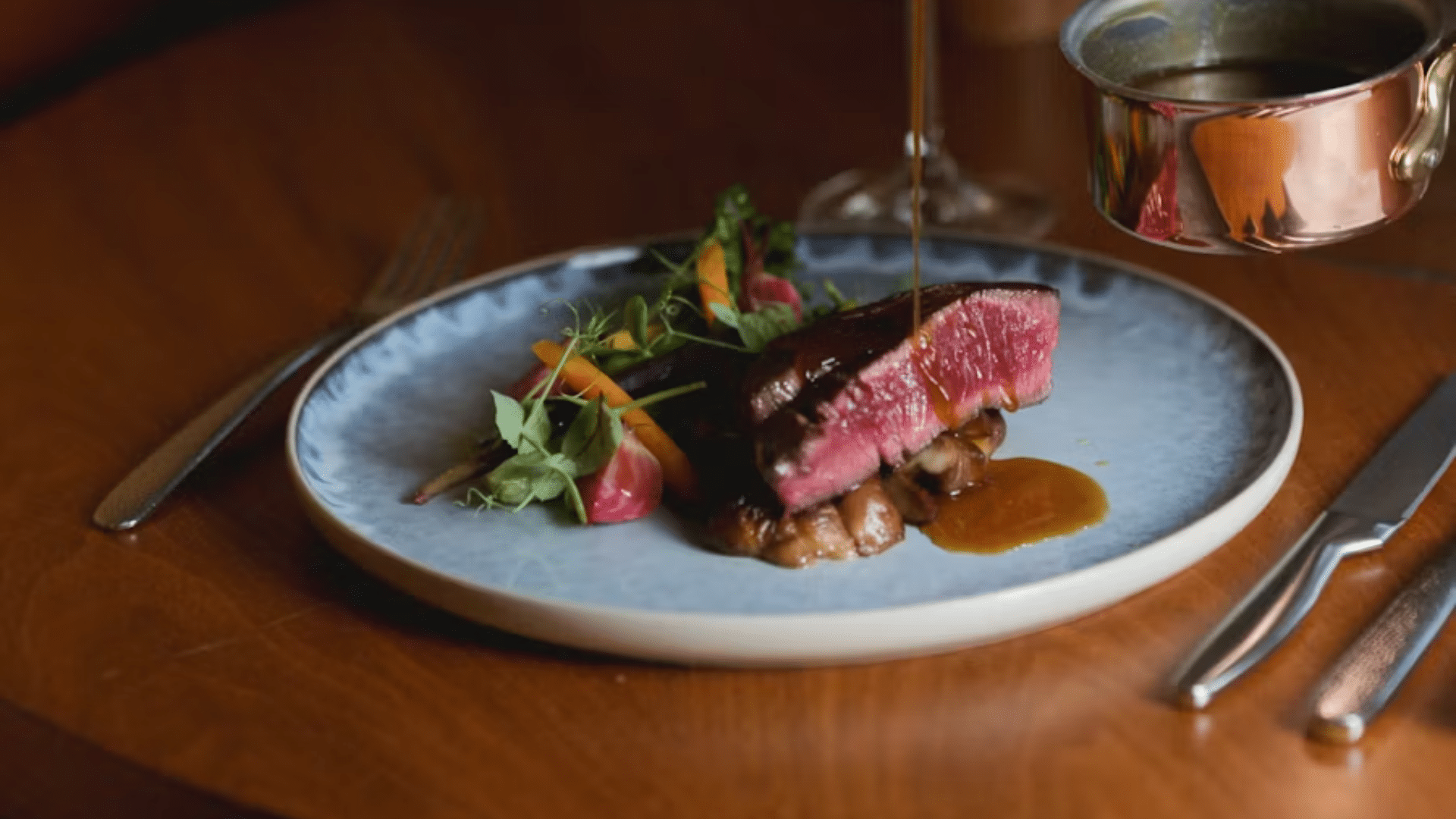
Clark Howard admits that the percentage system is not perfect, especially when it comes to outliers. If you order a $90 wagyu steak at a restaurant where every other dish costs $25, the 20% tip overpays significantly for the actual labor involved. In these rare cases, the logic of a flat tip or a modified percentage makes the most sense. It recognizes that the service level is tied to the restaurant, not a single luxury item.
Preserving the Incentive for Good Service

One of the strongest arguments for the current system is the incentive structure it creates. Howard notes that the harder a server works, the more they generally earn. A percentage-based tip keeps the financial upside of exceptional service alive. In countries that have moved to a no-tipping or flat-fee model, many travelers notice a distinct drop in attentiveness and speed. The imperfect American system still drives a high level of hospitality.
Psychological Taxes vs Voluntarism
Flat tips or mandatory service fees often feel like a separate price increase or a tax rather than a gesture of appreciation. Howard argues that the percentage model keeps the tip psychologically tied to the meal itself. When a tip is voluntary and based on a percentage, the diner feels more in control of the transaction. Moving to flat charges changes the entire perception of value, often making a burger feel twice as expensive as it actually is.
The Spending Power of American Diners

The scale of the restaurant industry is staggering, with Americans spending over 1.5 trillion dollars on food services in early 2026 alone. With such massive amounts of money flowing through the system, even a small change in tipping behavior has giant ripple effects. As personal savings rates fall, the tension between being a fair tipper and being a frugal consumer is reaching a boiling point. The debate is a symptom of broader economic stress.
How to Tip Fairly Moving Forward

For the vast majority of restaurant visits, the standard 18 to 20% remains the most reliable path. It aligns your payment with the restaurant’s price tier and avoids the mental exhaustion of calculating labor costs for every plate. If you encounter a genuine outlier, like an expensive bottle of wine, tipping on the typical menu price is a reasonable compromise. Thoughtful application of the rules helps support the workers who keep the industry running.