Texas Woman Showed Up to Costco Early and Got a Rude Awakening About the Store Member’s ‘Class System’
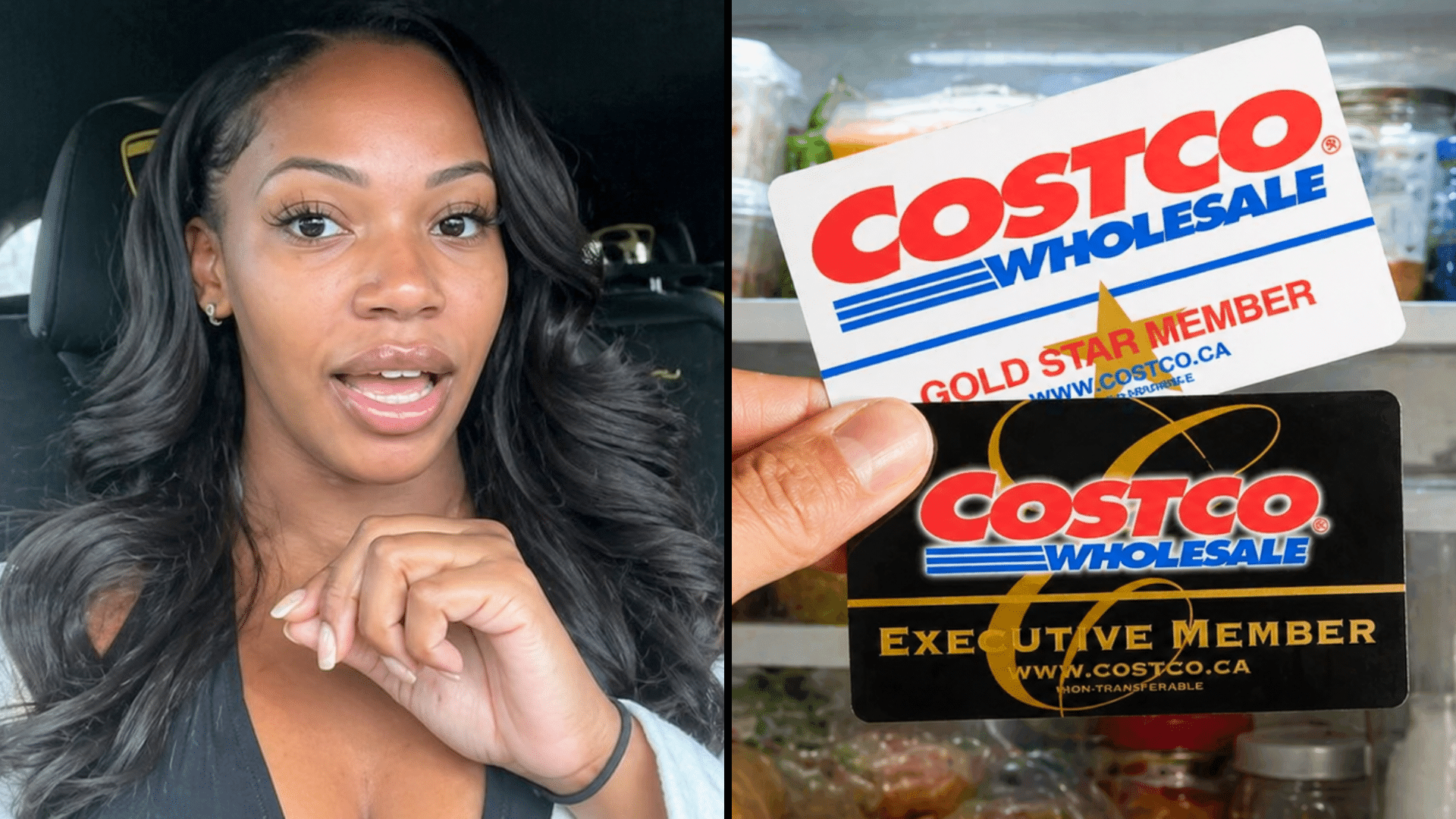

A Texas woman thought she was being smart by arriving at Costco three minutes before the 10 a.m. opening time. Standing outside the warehouse at 9:57 a.m., she noticed other shoppers scanning in and walking through the doors ahead of her. That is when she realized her mother’s standard Costco membership was not the same as what those early entrants held. “Did you guys know executive members get to get in at 9 a.m.?” she asked in a TikTok video that has since been viewed more than 1.5 million times. “The rest of us plebeians, we have to wait until 10 a.m.”
The TikToker, Sierra Aaliyah, who posts under the handle sierraxliyah, had gone to Costco to pick up medication and was using her mother’s standard membership. The video captures the moment she processes the reality of Costco’s two-tier membership structure in real time, standing outside a store she cannot yet enter while executive members shop undisturbed inside. She joked that she needed an executive membership to “break free of this generational curse my mom has given me.” The comment section filled quickly with executive members who were happy to confirm that the perk is exactly as good as it sounds, and occasionally to rub it in.
The video struck a chord because the experience is both specific and widely relatable. Costco has more than 76 million cardholders across its two membership tiers, and millions of standard members have stood at that same metaphorical door without realizing there was an earlier one available to people paying more. The early access hour is not a secret benefit, but it is one that a significant number of standard members are unaware of until they encounter it the way Sierra Aaliyah did: from the outside, three minutes before 10, watching someone else walk in.
What the Executive Membership Actually Costs

The Costco executive membership costs $130 per year, more than double the standard membership fee of $65. That price gap is the first thing most shoppers consider when deciding whether to upgrade, and for occasional Costco visitors the math may not work in the executive tier’s favor. But for regular shoppers, the membership’s signature benefit addresses the cost directly. Executive members receive 2% back on all of their Costco purchases, a reward that can accumulate fast enough to cover or partially offset the membership cost for the following year, depending on how much a household spends.
Beyond the 2% reward, executive members receive access to exclusive discounts on auto and pet insurance, same-day Costco delivery orders, and other periodic offers that standard members cannot access. Those additional benefits vary in value depending on a shopper’s circumstances, but for households that already use Costco for a significant portion of their grocery and household spending, the combination of the cash back reward and the additional perks can make the $65 price difference look manageable. Several commenters on Sierra Aaliyah’s video made that point directly: “If you buy enough, the cash back that you get pays for the membership. It literally pays for itself.”
The early access hour is the executive benefit that generates the most visible response online, but for many members it is not the primary reason they upgraded. It is a side benefit that turns out to matter more than expected once they experience it. A quiet Costco at 9 a.m. on a Wednesday is a materially different shopping experience from a crowded Costco at 10:30 a.m. on a Saturday. One commenter described how her husband, who previously avoided Costco because of the crowds, now willingly goes with her during executive hours. That specific behavioral change, a reluctant shopper becoming a willing one, captures what the hour of separation actually produces in practice.
The Comment Section Becomes Its Own Class Divide

Once Sierra Aaliyah’s video gained traction, the comment section became a genuinely entertaining illustration of the dynamic she had stumbled into. Executive members arrived in force, not necessarily to be helpful, but to perform their status with the kind of theatrical seriousness that lands as comedy precisely because everyone involved knows it is absurd. “How DARE you make eye contact. I’m an executive,” one commenter wrote. Another added: “A Costco hot dog tastes better at 9:15 knowing y’all can’t get in.” A third described feeling “golden on a random Wednesday at 9am” as an executive member.
The joke works because it mirrors a real social dynamic compressed into an unusually low-stakes format. The difference between a standard and an executive Costco membership is $65 a year, not a meaningful economic divide. But the structure of one group waiting outside while another group shops in peace creates exactly the kind of visible status distinction that people find both funny and slightly galling in the moment. Sierra Aaliyah’s framing of the situation as a “class system” and her use of the word “plebeians” was deliberate comedy, but it resonated because the feeling she described is real, even if the stakes are, in the grand scheme, minor.
Standard members who responded to the video were largely good-natured about the discovery, with many saying the video prompted them to look into upgrading. Others said they had been standard members for years without realizing the early hour existed. That gap between a membership benefit existing and members knowing about it is a consistent feature of tiered loyalty programs across retail. Costco does not aggressively advertise the executive hour to standard members for obvious reasons, and many shoppers encounter it the way Sierra Aaliyah did: by showing up at the wrong tier at the right time.
What the Costco Class System Actually Tells Us About How Americans Shop
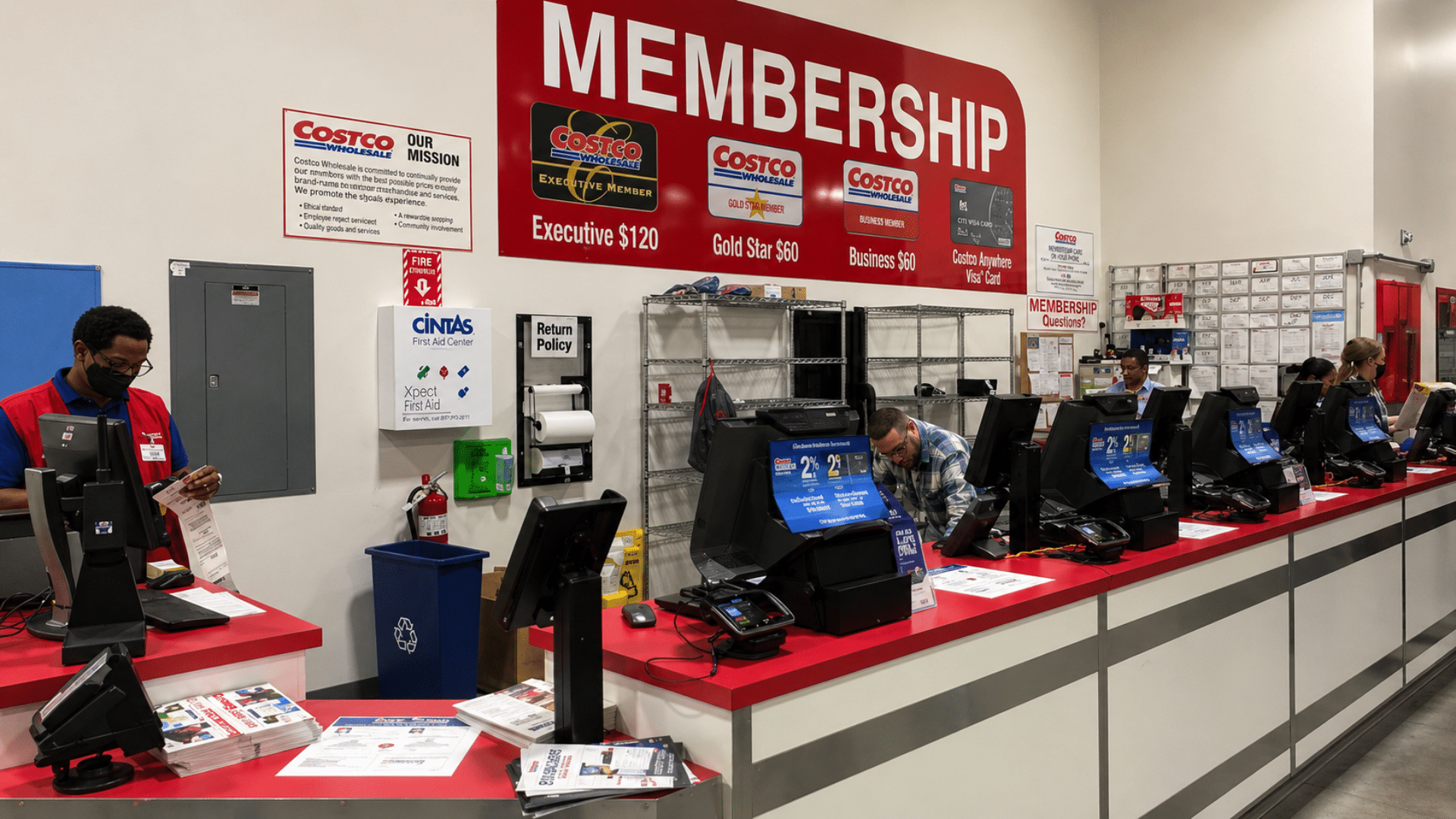
Costco’s two-tier membership model is effective precisely because it makes the benefits of the higher tier visible to the people who do not have it. A standard member who shows up at 9:57 a.m. and watches executive members enter is not just learning about a feature she missed. She is experiencing a mild version of the feeling the tiered structure is designed to produce: the sense that a better version of this experience is available if she upgrades. That psychological mechanism is not unique to Costco. Airlines use it with boarding groups. Hotels use it with elite status. But Costco’s version is unusually transparent, which is part of why a three-minute wait outside a warehouse became a 1.5 million-view TikTok.
The fact that the video resonated so broadly also reflects how central Costco has become to American household economics. The warehouse model, built on bulk purchasing, membership fees, and a deliberately curated product selection, has made Costco one of the most visited retailers in the United States. Its membership renewal rate consistently exceeds 90%, a figure that reflects how thoroughly the store has embedded itself in the shopping habits of the households that use it. For those households, the decision between a standard and executive membership is a genuine financial calculation, and the early access hour is the kind of tangible, experiential benefit that tips the math in the executive tier’s favor for regular shoppers.
Sierra Aaliyah ended her video by joking about needing to upgrade to break a generational curse. The comment section told her she was right. Whether she upgrades or not, her three minutes outside a Texas Costco at 9:57 a.m. generated a conversation that millions of people recognized immediately, because the experience of discovering you are on the wrong side of a membership tier, even a minor and affordable one, carries a very specific and familiar feeling. The good news is that at Costco, the upgrade costs $65 and the return on that investment is measurable, documented, and apparently worth posting about at 9:15 a.m. on a Wednesday when you have the warehouse mostly to yourself.