Del Monte Bankruptcy Forces Farmers to Remove 420,000 Peach Trees, Raising Questions About Food Waste and Farm Losses
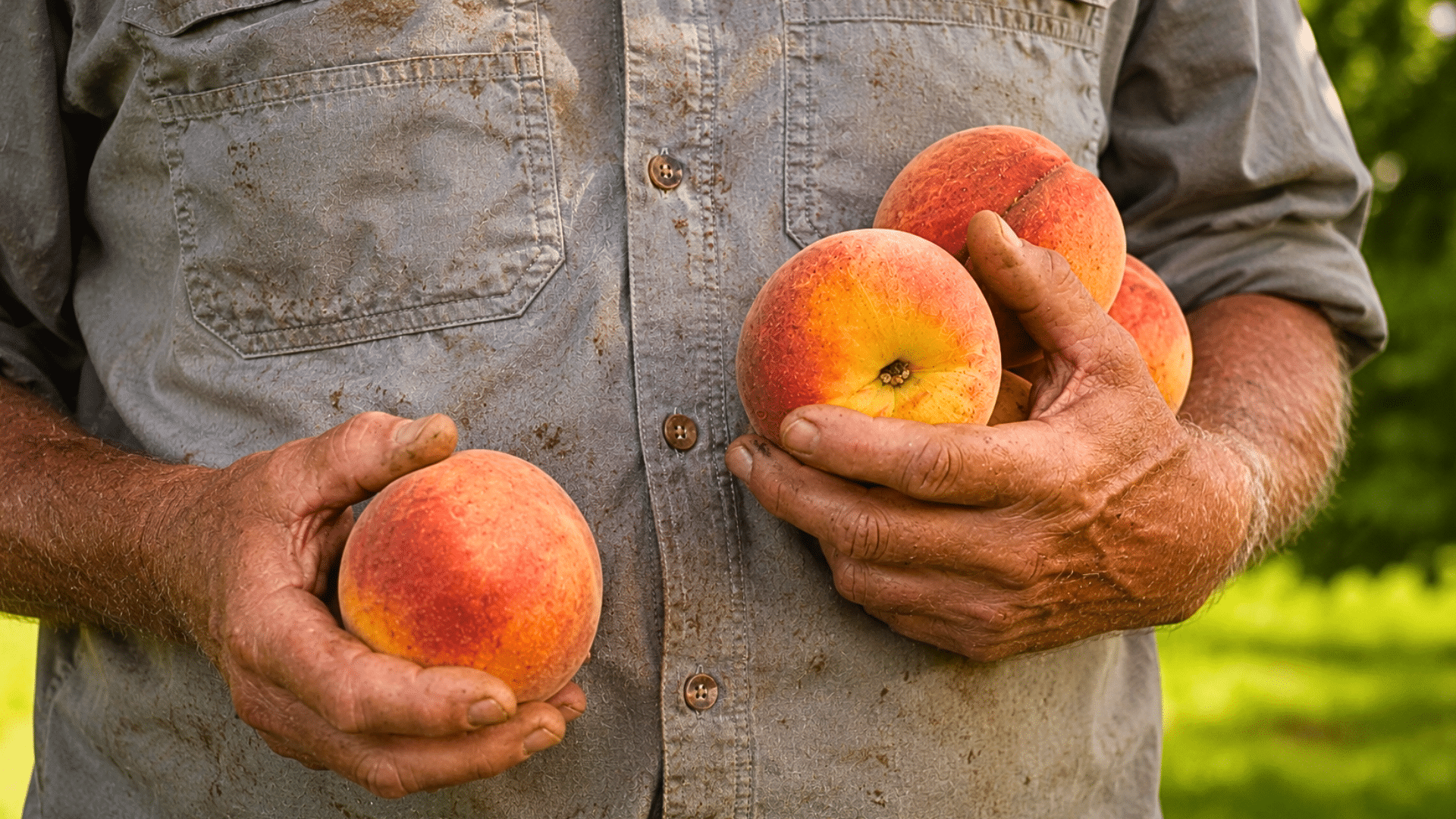

This summer, California farmers will take chainsaws to 420,000 peach trees, not because the fruit is diseased or the land is needed, but because there is no one left to buy the peaches. The collapse of Del Monte Foods, a canned goods company with more than a century of history in California, has left growers across the Central Valley with orchards full of fruit and no processing facility to send it to. For many, the trees coming down represent a life’s work going with them
Del Monte filed for Chapter 11 bankruptcy protection in July 2025, citing crushing debt and poor long-term purchasing decisions made when food sales spiked during the pandemic. By April 2026, both of its California canneries, in Modesto and Hughson, had permanently shut their doors. No buyer came forward to keep the Modesto facility running, ending what had been more than 100 years of the company processing California-grown fruit. Behind that closure was a cascade of consequences few outsiders saw coming.
The farms most exposed were those growing clingstone peaches, a variety with no meaningful fresh market. Clingstone peaches are grown almost exclusively for canning. When the cannery closes, the crop has essentially no other place to go. Del Monte had contracted roughly 35% of California’s cling peach supply. Its exit did not just reduce competition. For the growers whose contracts were voided overnight, it eliminated their only buyer. That problem is now the subject of a federal rescue program, the details of which reveal just how deep the damage runs.
Contracts Signed for Decades, Canceled in Months
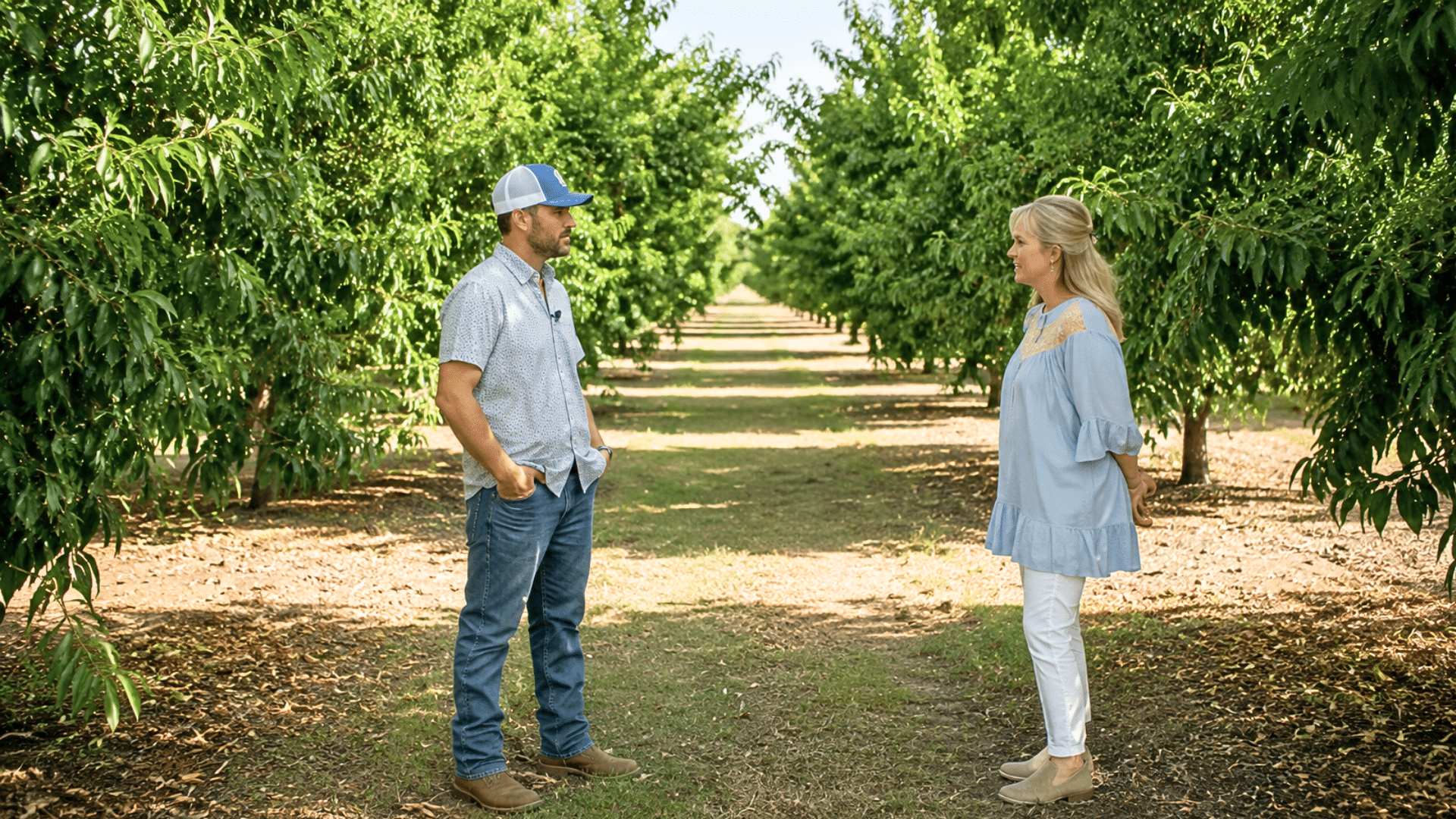
Many of the farmers affected had signed 20-year contracts with Del Monte, some as recently as a few years ago. Del Monte had contracted roughly 35% of California’s entire cling peach supply, making the company central to the industry’s survival. Under federal bankruptcy law, it exercised its right to reject those agreements entirely, leaving growers facing projected revenue losses estimated at $550 million. The California Canning Peach Association, which represents roughly 70% of the state’s cling peach growers, filed a $555 million claim in bankruptcy court. Experts warned early on that growers would likely see little or none of that money returned. The contracts were gone, and so was the income those farms had been built around.
The human stories behind the numbers are stark. One Escalon farmer, Richard Lial, grew 105 acres of cling peaches entirely under Del Monte contract. He had even pulled out a productive almond orchard to plant peaches at the company’s request. His trees were blooming when the closure was confirmed. Another grower, Carlos Barron, had planted a new peach orchard near Hughson after finally achieving his dream of owning land, only to face removal of trees that had not even reached peak production yet. Young orchards typically take four years before they turn a profit.
In Yuba County, farmer Sarb Johl still had 10 years remaining on his Del Monte contract when it was voided. Rather than maintain an orchard with no buyer, he is preparing to remove his 9-year-old peach trees instead. His story repeated itself across dozens of farms in Yuba, Sutter and Stanislaus counties. According to The AG Center, growers with hauling operations built around the Modesto facility estimated losses exceeding a million dollars. The financial damage was not limited to the orchards themselves.
50,000 Tons of Peaches With Nowhere to Go
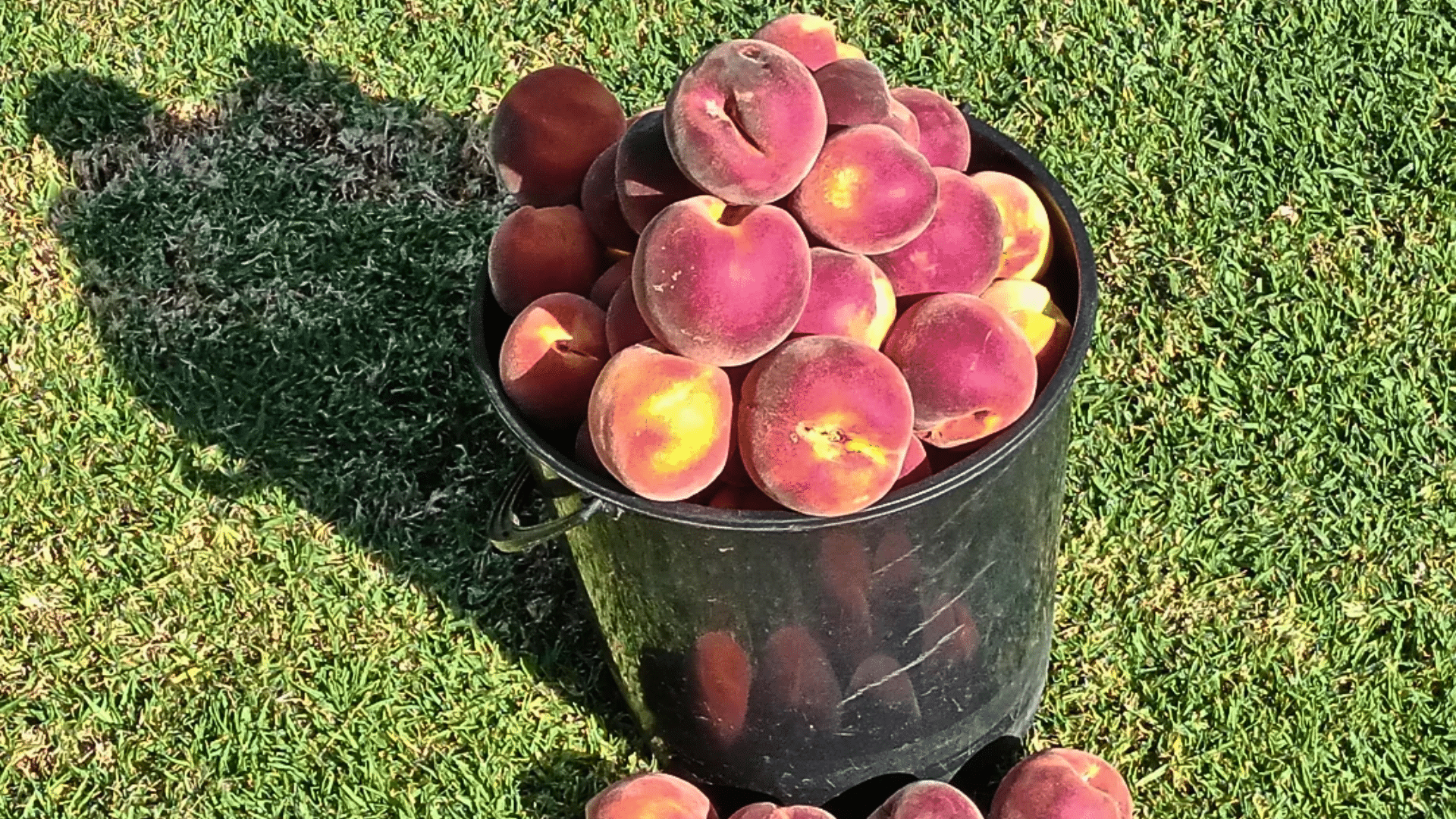
When Del Monte’s assets went to auction, Lodi-based Pacific Coast Producers purchased the canned fruit business. It is now the last remaining major peach canner in California. Pacific Coast Producers offered one-year contracts covering roughly 24,000 tons of cling peaches, a partial lifeline at best. According to Fresh Fruit Portal, that left approximately 50,000 tons of peaches without any buyer, the equivalent of 3,000 acres of trees producing fruit that had nowhere to go. The question became whether that fruit would simply rot in the orchards, or whether growers would be paid to prevent it from reaching the market at all.
The USDA-backed solution, announced in early May 2026, is a tree-pull program. Up to $9 million in federal funds, matched by $3 million from the California Canning Peach Association and industry partners, will pay farmers to remove up to 420,000 clingstone peach trees before the summer harvest. The goal is to take 50,000 tons of peaches off the market entirely, which USDA analysis projects will save growers roughly $30 million in losses they would otherwise absorb by trying to move unsaleable fruit. The trees come out before the peaches ripen.
The program raises a question that has no clean answer. Removing trees before harvest prevents a glut that would depress prices across the board, protecting the farmers who remain. But it also means tens of thousands of tons of food that could have fed people will simply never be harvested. California Farm Bureau President Shannon Douglass called the funding “a glimmer of hope after a devastating period,” saying it would help growers transition to new crops and remain on their land. What it does not do is address the fruit already hanging from the trees of those who chose to stay in production.
The Wider Reckoning This Crisis Demands
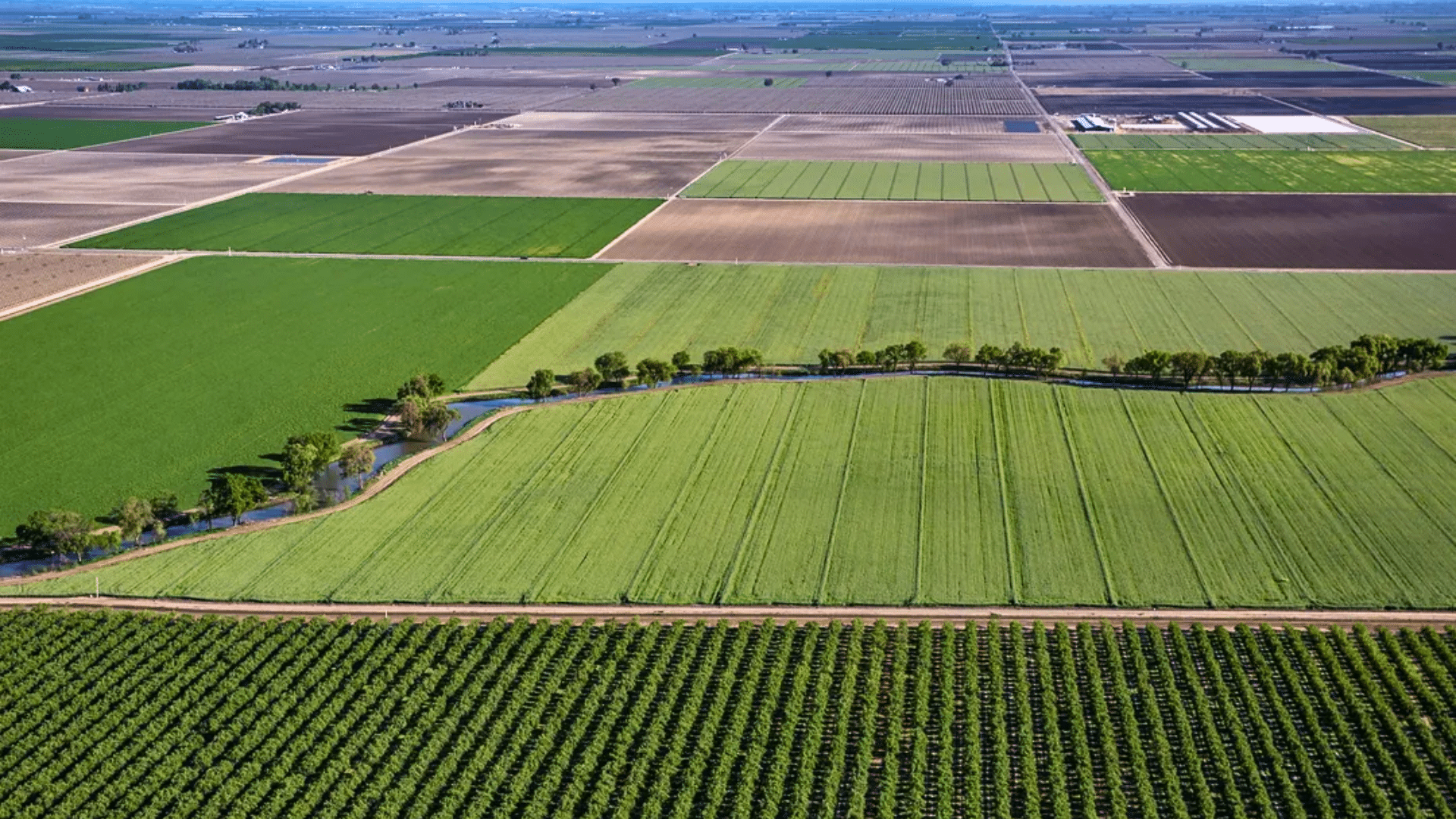
A bipartisan delegation of 42 members of Congress wrote to Agriculture Secretary Brooke Rollins in March, warning that without intervention, the Central Valley crisis could cause “long-term structural damage to our nation’s agricultural base.” Many of the affected farms are multigenerational operations, families who have farmed the same land for decades. Representative David Valadao described growers left with “thousands of pounds of fruit and no clear path forward.” Senator Adam Schiff said the $9 million in USDA support offers relief, but acknowledged it follows what he called “a devastating period” for these communities. The federal aid is primarily intended to cover tree removal and land transition costs, which the USDA estimates could help growers avoid roughly $30 million in additional losses tied to abandoned orchards and deteriorating farmland.
The collapse also signals a broader vulnerability in American food processing. Del Monte’s Modesto cannery had survived the bankruptcy of several competitors over the decades. Stanislaus County Supervisor Vito Chiesa, a farmer himself, noted that what set Del Monte apart was its staying power through multiple industry downturns. In an interview with CapRadio, he called the closure “a tough gut punch to overcome,” adding that the ripple effects would work their way through an entire regional economy that still depends heavily on agriculture for employment and identity.
The $9 million in federal aid will help some farmers remove their trees and plant something new. What it cannot do is rebuild a processing industry that took generations to construct and collapsed in under a year. There is currently no funded state or federal plan to restore California’s shrinking canned fruit processing infrastructure. As California’s cling peach sector shrinks, the farmers who remain face a market concentrated in a single processor, Pacific Coast Producers, with little redundancy if that company ever faces its own pressures. The real question the Del Monte crisis leaves behind is not whether these farmers can survive this loss, but whether the country is willing to invest in the infrastructure needed to prevent the next one.