Diesel Is Up 35% and the USDA Is Warning Grocery Bills Could Keep Climbing, So Shoppers May Want to Check Their Carts Now
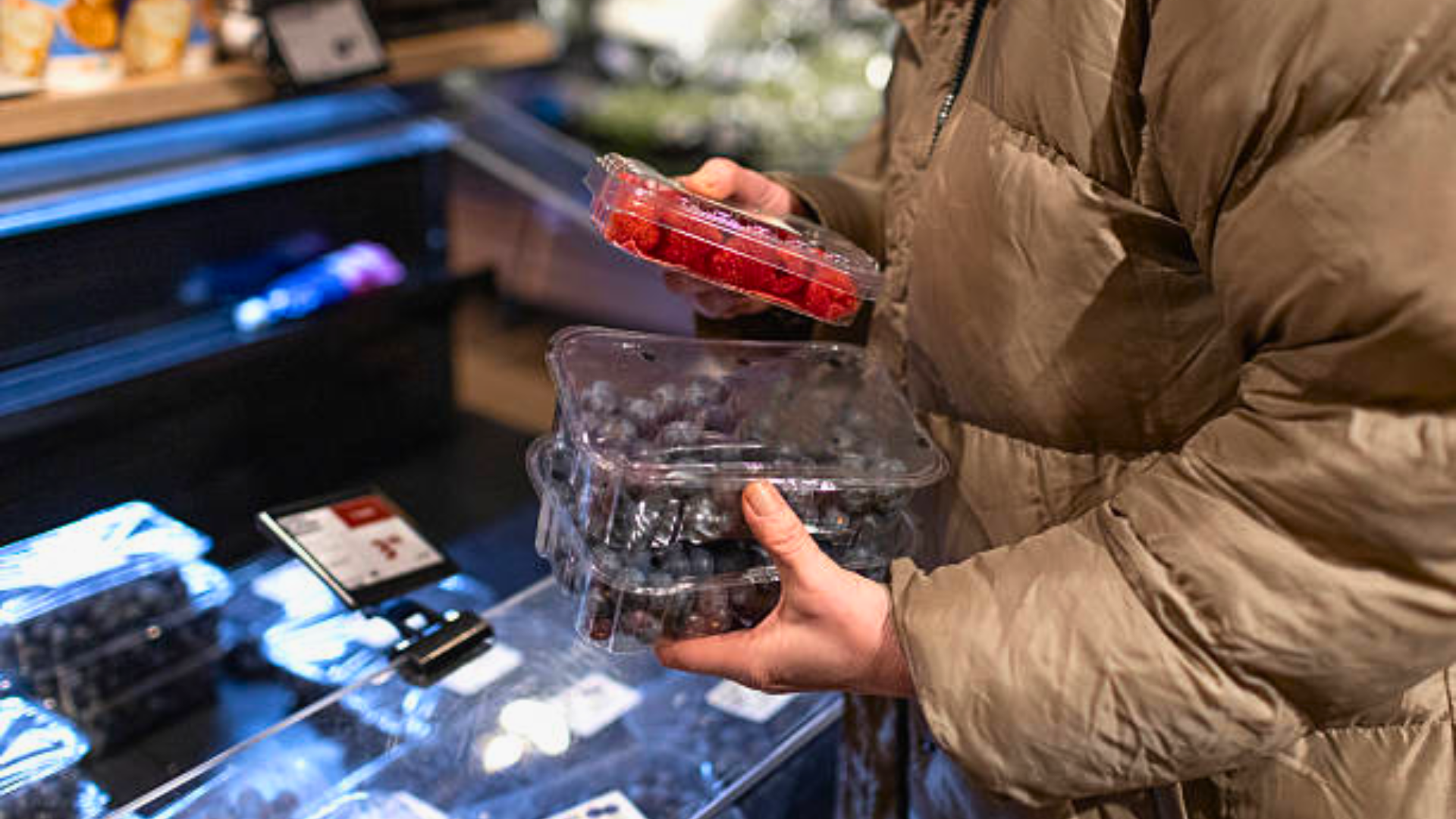

A six-ounce container of organic raspberries at a Whole Foods in Atlanta recently rang up at nearly $8, about 20 cents per berry. One shopper, Catessia McGee, looked at the price tag and walked away. She grabbed the $4.99 strawberries instead. That small moment at the produce aisle captures something much larger happening across the entire American food supply chain, and the pressure driving it has very little to do with the fruit itself.
Diesel fuel prices have climbed more than 35% in a single month, according to data from the Federal Reserve Bank of St. Louis. That spike doesn’t stay at the gas pump. It moves through every layer of how food gets from a farm field to a grocery shelf through the equipment that harvests it, the trucks that haul it, the refrigeration that keeps it fresh, and the packaging that holds it together. When diesel costs surge, food costs follow. The only question is how far behind the prices trail the fuel.
The U.S. Department of Agriculture has already issued a projection: food prices could rise approximately 3.6% in the period ahead, with certain categories facing steeper increases. Beef, veal, fresh vegetables, and sugar and sweets are among the items flagged for potentially larger jumps. For households already stretched thin by years of post-pandemic inflation, another round of grocery price increases is not an abstract economic forecast. It is a concrete problem arriving at checkout counters across the country.
From Farm to Fridge: Why the Supply Chain Makes Every Berry More Expensive
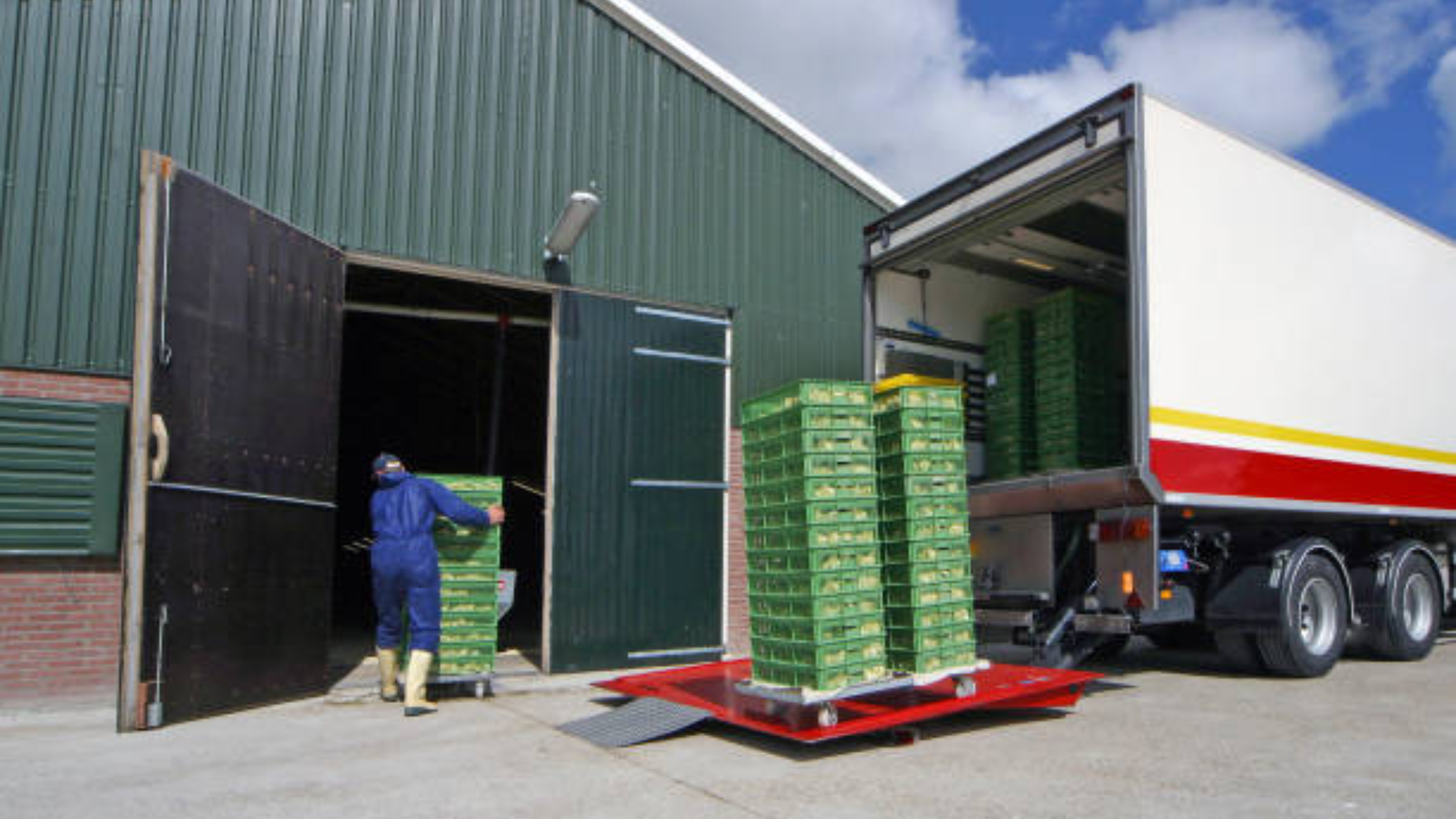
Raspberries are among the most logistically demanding fruits in the produce section. According to Chefs Resource, they must be handpicked, handled with extreme care, and moved quickly through refrigerated trucks or cargo planes before they spoil often within just a few days of harvest. That cold-chain requirement makes them unusually fuel-intensive compared to hardier produce, which is why their price tends to react faster and sharper when transportation costs climb.
But the raspberry is really just a useful illustration of a system-wide vulnerability. Fresh produce in the United States regularly travels thousands of miles before reaching store shelves, and the refrigerated trucks carrying it run almost entirely on diesel. Higher fuel costs don’t affect just the final delivery leg. They ripple backward through the entire chain, raising costs for the farming equipment used at harvest, the fertilizers derived from petroleum, and the plastic packaging — most of which is petroleum-based — that holds the food together on its journey.
For imported produce, which includes a significant share of the berries sold in American grocery stores year-round, the pressure compounds further. Currency fluctuations and shifting trade policies can add cost layers on top of already elevated transportation expenses. A berry grown abroad, packed in petroleum-based plastic, flown in a refrigerated cargo hold, and trucked to a distribution center carries a fuel cost at nearly every single step. When diesel prices spike 35%, all of those steps get more expensive at once.
Smart Moves Shoppers Can Make Before Prices Climb Any Higher
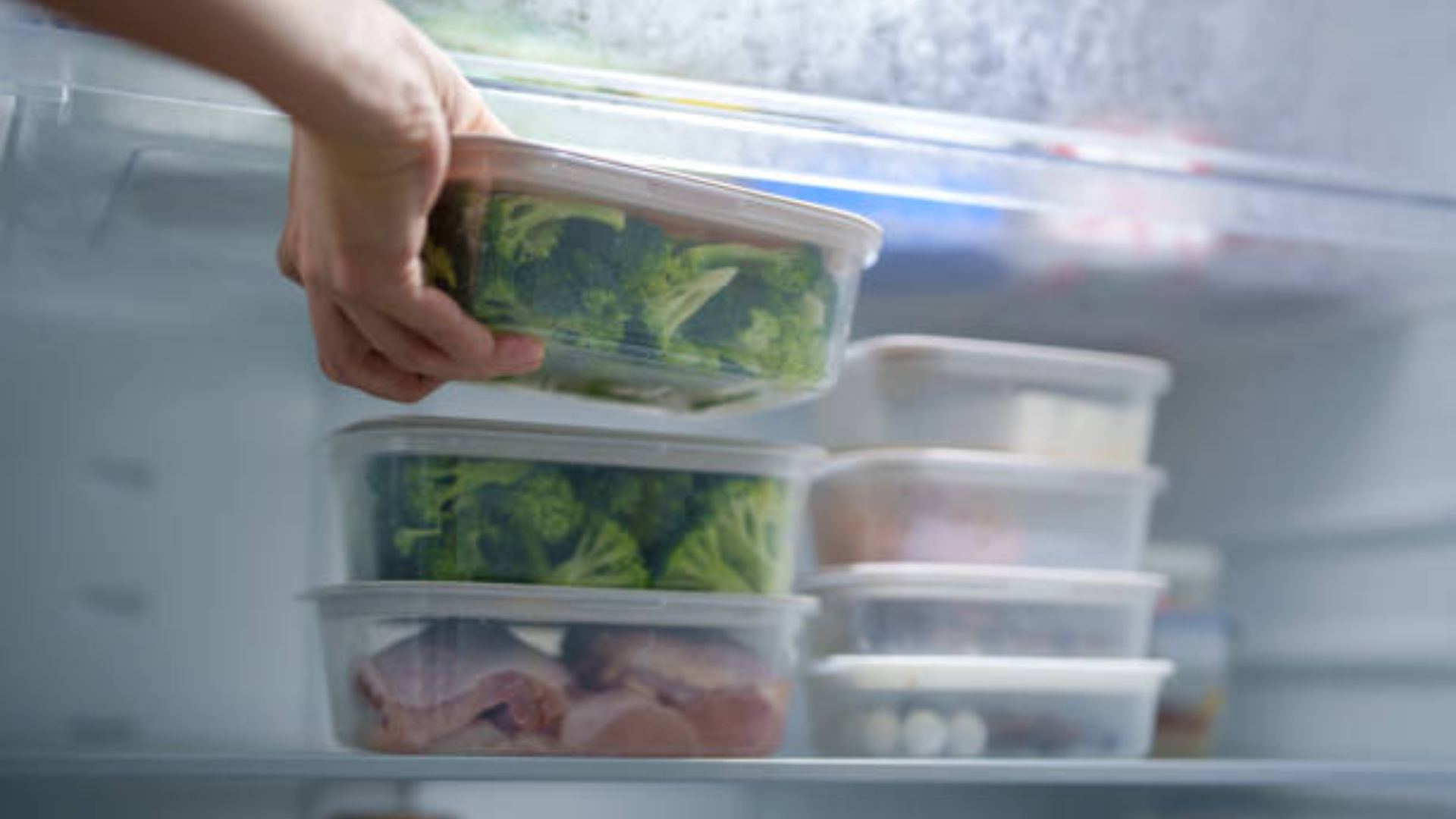
The global forces driving grocery prices higher are not ones individual shoppers can control. But there are concrete habits that can meaningfully reduce what ends up on a grocery receipt, and several of them are straightforward enough to implement this week. The USDA recommends starting with a meal plan and a grocery list before setting foot in a store; a simple step the agency says is one of the most effective ways to cut down on impulse purchases and reduce food waste.
That last point matters more than most shoppers realize. The USDA estimates the average American family throws away approximately $1,500 worth of food every year. That is money already spent, never consumed. Organizing a refrigerator so older items are visible, freezing food before it goes bad, and actively building meals around leftovers can recover a significant portion of that annual loss. In a period of rising prices, waste reduction is effectively a discount that requires no coupon.
Frozen produce is another tool worth reconsidering. Frozen fruits and vegetables are typically cheaper than their fresh counterparts, last considerably longer, and according to GoodRx, retain nutritional profiles comparable to fresh options. For shoppers priced out of fresh raspberries at 20 cents a berry, the frozen aisle offers the same nutritional value without the cold-chain premium. Comparing unit prices on shelf labels, buying pantry staples like beans, rice, and oats in bulk, and shifting meals toward lower-cost seasonal ingredients can all help stretch a grocery budget further when prices are moving against you.
What a Berry Tells Us About the Fragility of the Food System

A small plastic clamshell of raspberries is an unlikely window into global economics but it is a remarkably clear one. The price of that fruit reflects diesel markets, international trade policy, petroleum-based packaging costs, refrigerated freight logistics, and agricultural labor, all compressed into a single sticker on a grocery shelf. When any one of those inputs becomes more expensive, the shopper pays. When several of them spike simultaneously, the effect compounds quickly.
What makes the current moment distinct is the breadth of the pressure. A 35% jump in diesel prices in a single month is not a normal fluctuation. Combined with the USDA’s projection of broad food price increases and the particular vulnerability of imported, cold-chain-dependent produce, the conditions are in place for grocery bills to climb in ways that will be hard to absorb for households already managing tight budgets. The categories flagged by the USDA are not specialty items. They are the core of how most American families eat.
None of this means the grocery store becomes unmanageable, but it does mean that the habits formed now will matter more in the months ahead. Shoppers who plan meals, reduce waste, lean on frozen produce, and build around lower-cost staples will be better positioned than those who don’t. The raspberry at $8 is an early signal, not an isolated anomaly. How far that signal travels through the rest of the produce section is the question that will answer itself at the checkout counter, one receipt at a time.