Experts Issue Urgent ‘Caffeine Ban’ Because a Stubborn Heat Dome Is Making Morning Coffee ‘Lethal’


A relentless and stubborn heat dome has settled over the American Southwest, pushing temperatures up to 30 degrees above seasonal norms. In a move that has shocked millions of morning commuters, the National Weather Service is explicitly advising against caffeine consumption, including coffee, as the region faces record-breaking heat. Forecasters warn that temperatures soaring well into the 100s, levels typically seen in mid-summer rather than March, are making the simple act of drinking a morning latte potentially dangerous.
The advisory comes as major population centers like Phoenix, Las Vegas, and Los Angeles brace for a multi-day stretch of extreme conditions that offer little relief even overnight. Meteorologists describe the early-season heat wave as particularly hazardous because a multiday stretch of extreme heat significantly increases the risk of heat-related illnesses. With dozens of temperature records expected to be broken, experts are classifying the current environmental risk as a significant threat to life and safety.
Public safety officials are prioritizing caffeine avoidance alongside other life-saving measures like staying in air-conditioned spaces and checking on vulnerable neighbors. While most people view coffee as a harmless daily ritual, officials are sounding the alarm on its biological effects during extreme thermal stress. The warning to avoid caffeine is now a centerpiece of emergency broadcasts across southern California, Arizona, and Nevada.
How Coffee Accelerates Dehydration and Body Heat

The primary danger of caffeine during a heat dome lies in its ability to accelerate dehydration during extreme heat. In normal conditions, the body manages fluid balance easily; however, when temperatures exceed 100°F, the body is already under immense stress to stay cool. Caffeine acts as a catalyst in this process, potentially triggering a metabolic spike that generates more internal body heat.
When a stimulant like caffeine increases the heart rate, it forces the body to work harder in an environment where it is already struggling to dissipate heat. This combination can cause a sustained increase in core body temperature, which is especially dangerous for those who are physically active. When combined with extreme external heat and protein-heavy meals, which also raise body temperature, the risk of a medical emergency sky-rockets.
Medical experts note that while typical coffee consumption is usually safe, its ability to impair heat dissipation is what makes it a specific threat in a heat wave context. By increasing metabolic demand while the environment prevents natural cooling, caffeine can push the body toward heat exhaustion. For those venturing outdoors, this physiological strain can rapidly escalate into the far more dangerous condition of heat stroke.
“Don’ts” of the Dome: Why Protein and Cars Are Also Deadly
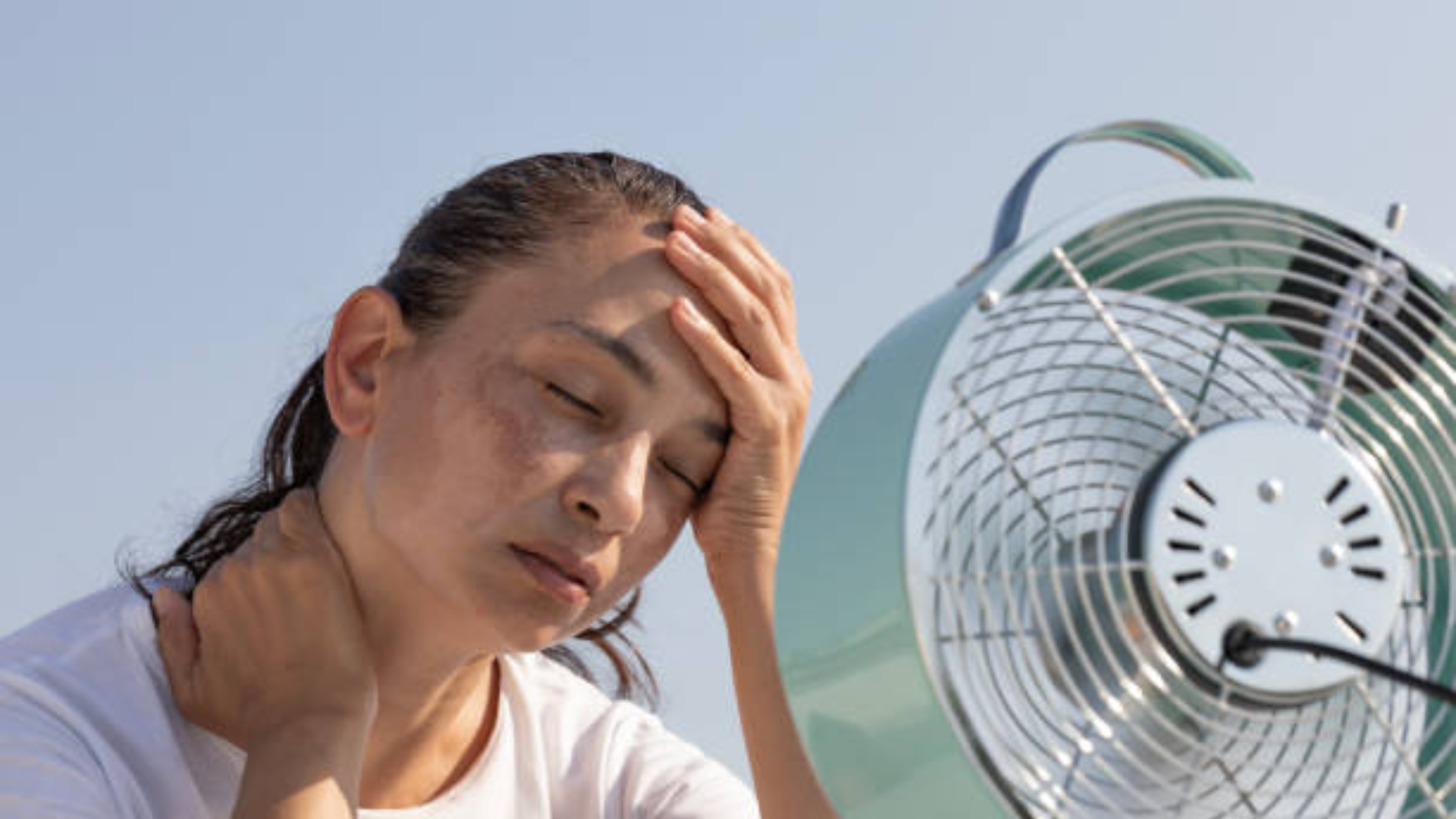
The National Weather Service has released a comprehensive safety advisory that places caffeine on a prohibited list alongside alcohol and heavy, protein-rich meals. High-protein foods require significant metabolic energy to digest, a process that raises body temperature and adds to the internal thermal load. In a heat dome, this digestive heat adds another layer of risk to a system that is already desperately trying to shed temperature.
Adding to the urgency is the lethal speed at which car interiors can reach deadly temperatures in the Southwest sun. Within just minutes, a parked vehicle can become a trap for children, as interior temperatures skyrocket far beyond the ambient outdoor heat. Forecasters emphasize that because the heat is arriving so early in the year, many residents may underestimate how quickly a mild morning can turn fatal.
To stay safe, authorities are urging millions to swap their coffee for water and electrolyte-rich drinks that help maintain hydration. Protecting the body with loose, light-colored clothing and high-SPF sunscreen is also critical to preventing skin damage that can impair cooling. Planning activities to avoid the peak sun hours—typically between 10 AM and 4 PM is currently the most effective way to survive the stubborn atmospheric pressure.
Hiker Restrictions and Bare-Minimum Survival
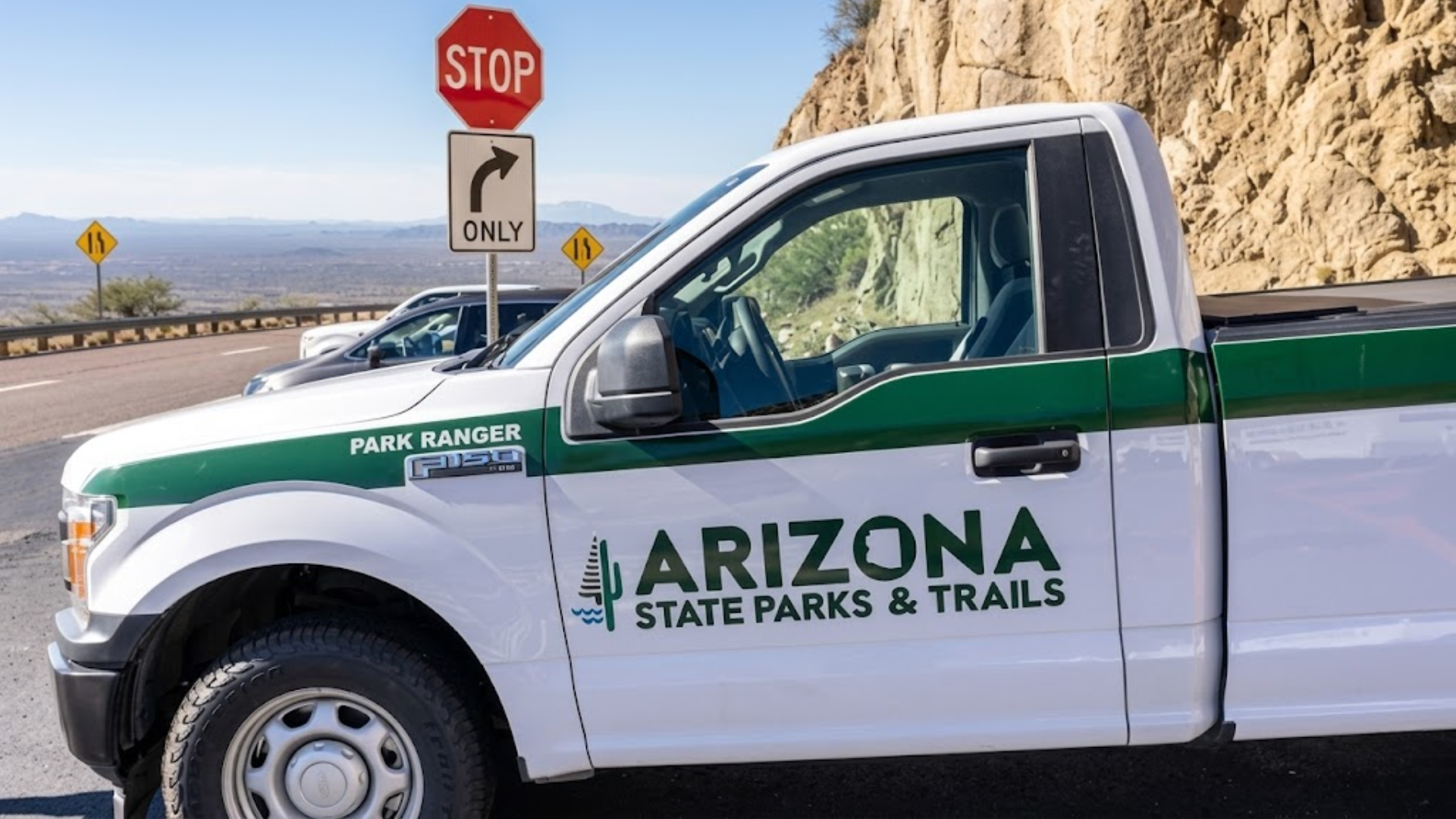
In Arizona, the danger has become so acute that park rangers are actively turning hikers away from popular trailheads to prevent life-threatening rescues. On the Bright Angel Trail, hikers are being told to descend no further than 1.5 miles from the upper trailhead to ensure they can return safely. Officials are discouraging all physical activity during the hottest parts of the day, as the combination of exertion and heat dome intensity is historically dangerous.
Vulnerable populations, including the elderly, children, and the homeless are at the greatest risk for heat-related illnesses. Those without access to effective indoor cooling are being urged to stay in air-conditioned rooms or check on neighbors as bare-minimum life-saving measures. Experts warn that without proper intervention, heat exhaustion can rapidly progress to heat stroke, a condition that can be fatal.
While the forecast offers hope for relief after the weekend, temperatures are expected to remain dangerously high through Sunday evening. The current heat wave is a stark reminder of the intensity of extreme weather events that can disrupt even the most basic daily habits. For now, the safest way to navigate the Southwest is to stay hydrated, stay indoors, and most importantly, put down the coffee mug.