Extreme Heat Prompts Warning for Southwest Residents Not to Drink Coffee


A powerful heat surge is sweeping across the Southwestern United States, placing millions under prolonged extreme heat warnings. Temperatures are climbing far beyond seasonal norms, creating conditions more typical of peak summer than early spring. This unusual pattern has raised alarm among meteorologists and public safety officials alike. The intensity and duration of the heat are what make this event particularly concerning. Many residents are now being urged to take the warnings seriously as risks continue to grow.
Major Cities Face Dangerous Temperature Spikes
Urban centers such as Las Vegas, Los Angeles, Phoenix, and Tucson are experiencing dangerously high temperatures. In several of these locations, readings are soaring well into the 100s. This level of heat places significant strain on infrastructure, energy systems, and public health services. Residents in densely populated areas are especially vulnerable due to heat-retaining urban environments. Officials continue to emphasize caution as conditions intensify.
Unseasonal Heat Breaks March Expectations
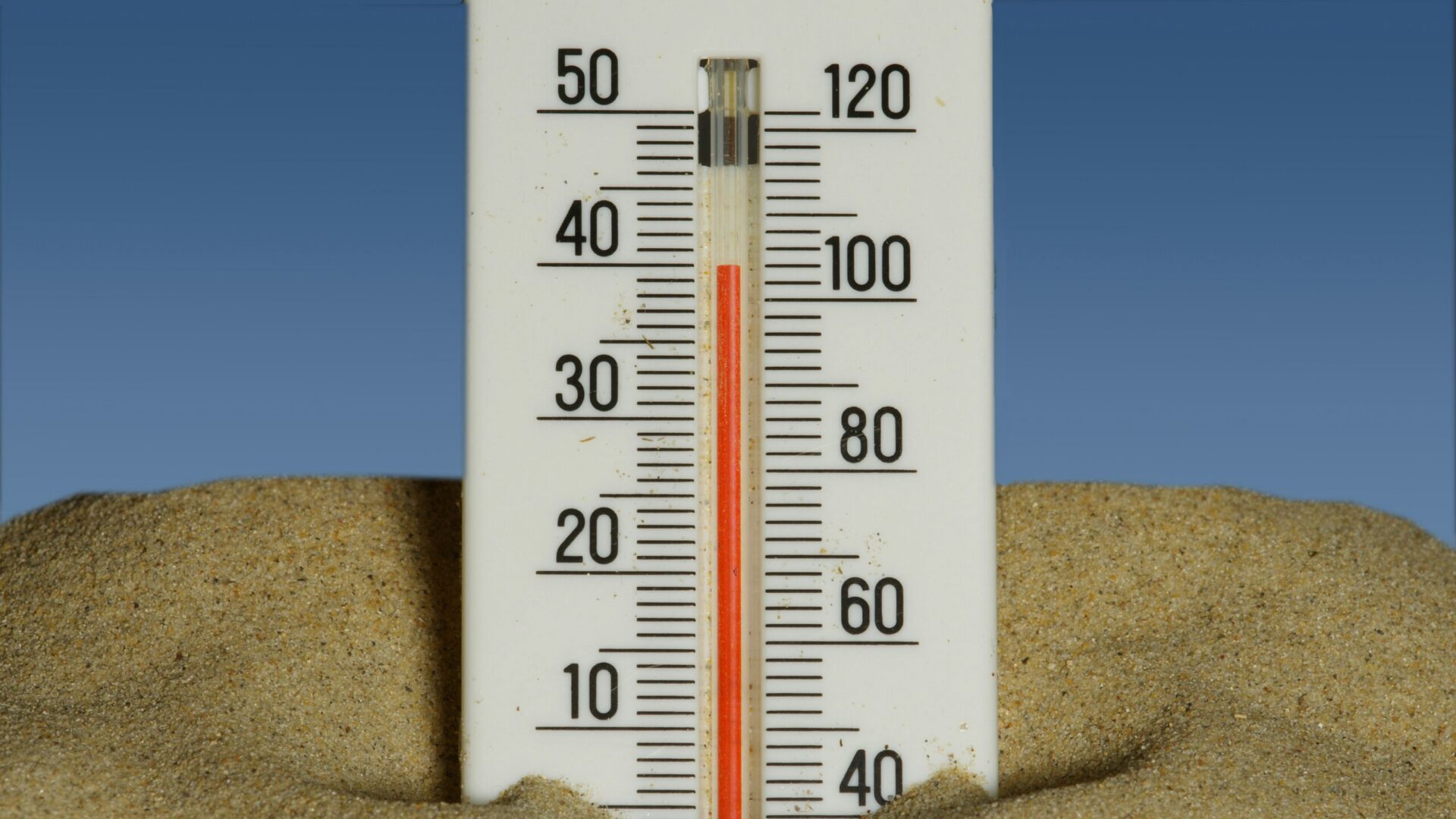
Such extreme temperatures are rarely seen this early in the year. March is typically a transitional month, not one associated with record-breaking heat. The current surge is expected to shatter long-standing temperature records across multiple states. This shift highlights how unpredictable seasonal patterns have become. For many, the sudden arrival of summer-like heat feels both abrupt and unsettling.
Persistent Heat Dome Intensifies Conditions

Meteorologists attribute the event to a stubborn heat dome lingering over the region. This atmospheric phenomenon traps hot air and prevents cooler systems from moving in. As a result, temperatures continue to build over consecutive days. The lack of circulation means there is little opportunity for natural cooling. This persistence is what makes the heat wave especially dangerous.
Overnight Temperatures Offer Little Relief
One of the most concerning aspects of this event is the lack of nighttime cooling. Even after sunset, temperatures remain elevated, offering minimal relief for residents. This prevents the body from properly recovering after prolonged heat exposure. Over time, the cumulative effect can increase the likelihood of heat-related illnesses. Experts warn that consecutive hot nights can be just as dangerous as extreme daytime highs.
Officials Warn Against Caffeine Consumption
Health experts, including the National Weather Service, are advising people to avoid caffeine during this period. Drinks like coffee and certain sodas can contribute to dehydration. In extreme heat, even mild dehydration can quickly become dangerous. Officials stress that hydration choices matter more than usual under these conditions. Replacing caffeinated beverages with water or electrolyte drinks is strongly encouraged.
Hydration and Cooling Become Essential

Staying hydrated is one of the most effective ways to combat extreme heat. Authorities recommend frequent water intake, even before feeling thirsty. Access to air-conditioned environments can significantly reduce health risks. Wearing loose, light-colored clothing also helps the body regulate temperature. These simple steps can make a critical difference in preventing heat-related emergencies.
Outdoor Activities Carry Increased Risk

Spending extended time outdoors during peak heat hours can be hazardous. Activities like hiking or exercising in direct sunlight increase the risk of heat exhaustion and heatstroke. In some areas, officials have issued specific guidance limiting outdoor recreation. Trails and exposed environments can quickly become dangerous without proper preparation. Timing and caution are essential for anyone venturing outside.
Vulnerable Groups Face Greater Danger

Certain groups are more susceptible to the effects of extreme heat. Children, older adults, and individuals with preexisting health conditions are at higher risk. Pets and livestock are also vulnerable, especially without adequate shade or water. Those without access to cooling systems face even greater challenges. Community awareness and support can help reduce these risks.
Safety Measures Can Prevent Heat Emergencies

Taking proactive steps can significantly lower the chances of heat-related illness. Avoiding heavy meals, limiting sun exposure, and planning activities during cooler hours are key strategies. Checking on neighbors and family members can also save lives. Small actions, when taken collectively, can make a meaningful impact. As the heat wave continues, vigilance remains the most effective defense.

