Family Blames Popular Energy Drink for Cheerleader’s Sudden, Wrongful Death

The family of a 17-year-old Texas cheerleader has filed a wrongful death lawsuit, alleging that a widely marketed energy drink played a role in her unexpected death. Larissa Nicole Rodriguez, an active high school student with no known prior health issues, died in October after what her family describes as a preventable tragedy.
According to the lawsuit, Rodriguez suffered a fatal cardiac event linked to an enlarged heart caused by excessive caffeine consumption. Her family’s attorney said the medical examiner found no drugs or alcohol in her system, identifying caffeine as the only substance present.
The lawsuit, filed in Hidalgo County, seeks more than $1 million in damages and targets beverage distributor Glazer’s Beer and Beverage. The family argues that companies involved failed to provide adequate warnings about potential health risks associated with the product.
A Teen Athlete’s Life and Daily Routine

Rodriguez was described by family and attorneys as a vibrant, high-achieving teenager. She was a cheerleader, tennis player, and student leader with plans to attend college and pursue a legal career. Those close to her emphasized that she had no history of heart problems or underlying conditions.
In photos shown during legal proceedings, including one on page 3 of the report, Rodriguez is seen smiling in her cheer uniform while holding a can of the energy drink. The image reflects how closely the product had become tied to her daily life and social environment.
Her attorney said that over the past year, Rodriguez drank at least one energy drink per day, sometimes more. What began as casual use, encouraged by social media and peer influence, became part of her routine, from school mornings to sports activities.
Claims of Risk, Marketing, and Missing Warnings
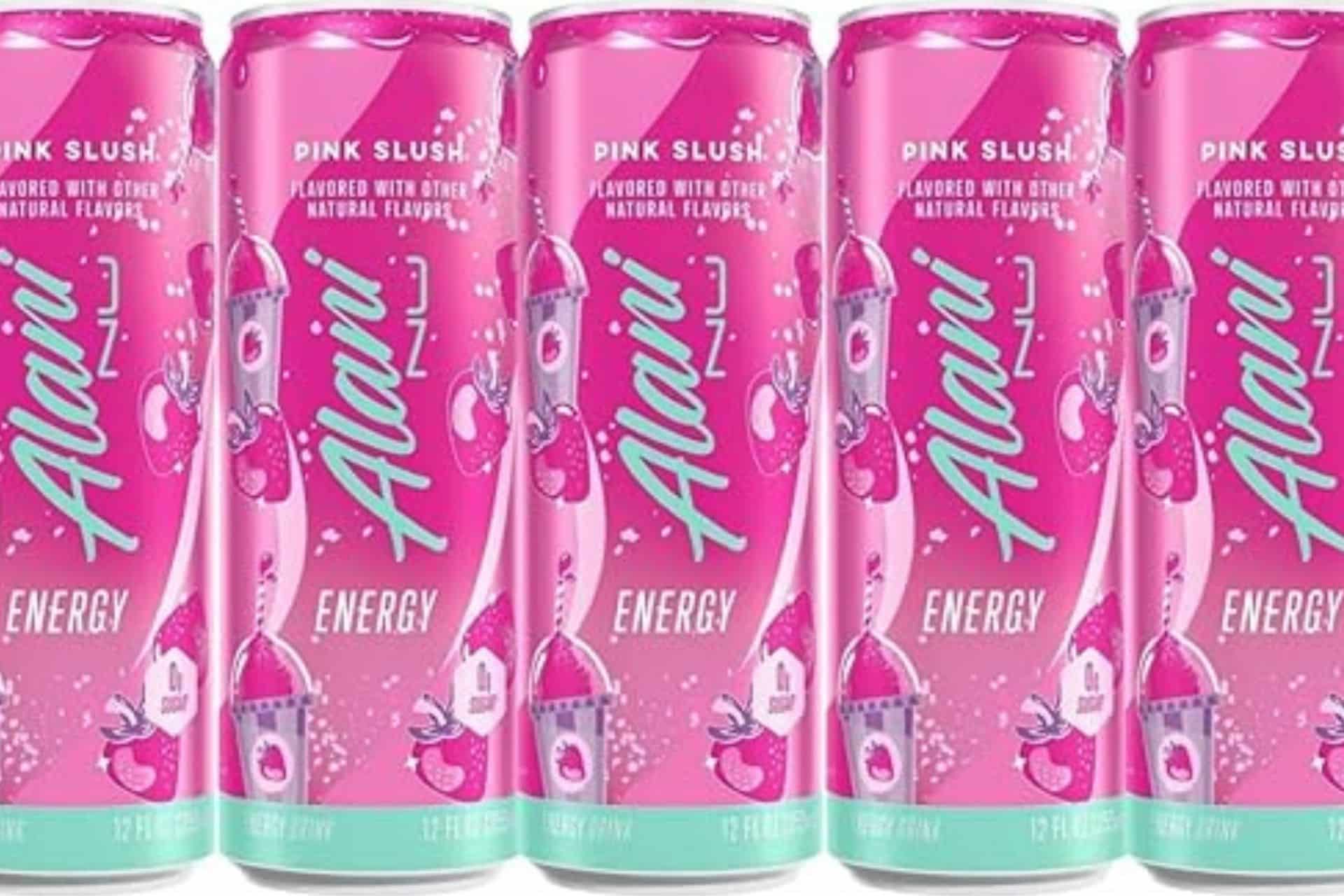
According to Wane 15, the lawsuit centers on claims that the energy drink, Alani Nu, was marketed in a way that appealed to young consumers while failing to adequately communicate potential health risks. Attorneys argue that branding and influencer promotions positioned the beverage as a lifestyle or wellness product, encouraging frequent consumption among teens.
Each 12-ounce can contains about 200 milligrams of caffeine, double the recommended daily limit for teenagers, according to medical guidance cited in the case. The lawsuit alleges that warnings on the packaging were insufficient and not prominently displayed, leaving consumers unaware of possible dangers.
The company behind the drink, owned by Celsius Inc., said it complies with federal labeling requirements and includes advisories stating the product is not recommended for children or those sensitive to caffeine. The company also emphasized that it does not market products to individuals under 18.
Broader Health Concerns Around Energy Drinks
Medical experts have long raised concerns about the effects of energy drinks on heart health, particularly among young people. High levels of caffeine and other stimulants can increase heart rate and blood pressure, potentially leading to irregular rhythms or more serious conditions.
Health guidance from institutions like UC Davis notes that excessive caffeine consumption can cause heart palpitations, elevated blood pressure, and in some cases contribute to heart muscle issues or rhythm disturbances. These risks may be heightened when energy drinks are consumed frequently or in large amounts.
As the lawsuit moves forward, Rodriguez’s family says their goal extends beyond financial compensation. They hope the case will lead to clearer warnings and stricter oversight, aiming to prevent similar tragedies. The outcome may also influence ongoing discussions about how energy drinks are marketed, labeled, and consumed, particularly by younger audiences.