Fast Food Franchise Operating 77 Locations Files for Bankruptcy After Lawsuit
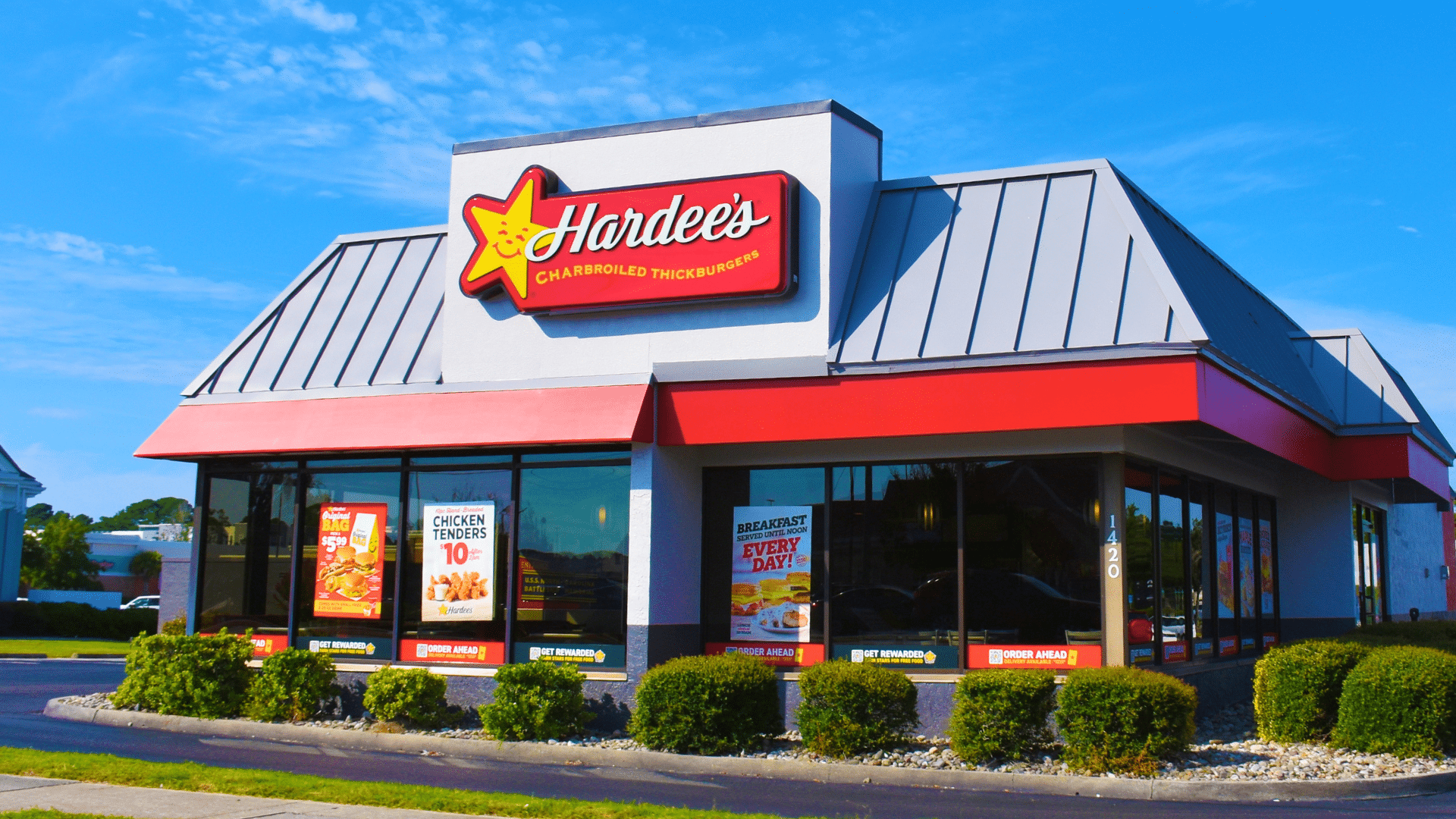

A major fast-food franchise operator running 77 restaurant locations has filed for Chapter 7 bankruptcy after becoming embroiled in a legal dispute with its parent chain. The company, ARC Burger LLC, is now moving through liquidation proceedings after years of financial strain and mounting debt. Court filings show the bankruptcy came shortly after a lawsuit over unpaid franchise fees and contract breaches.
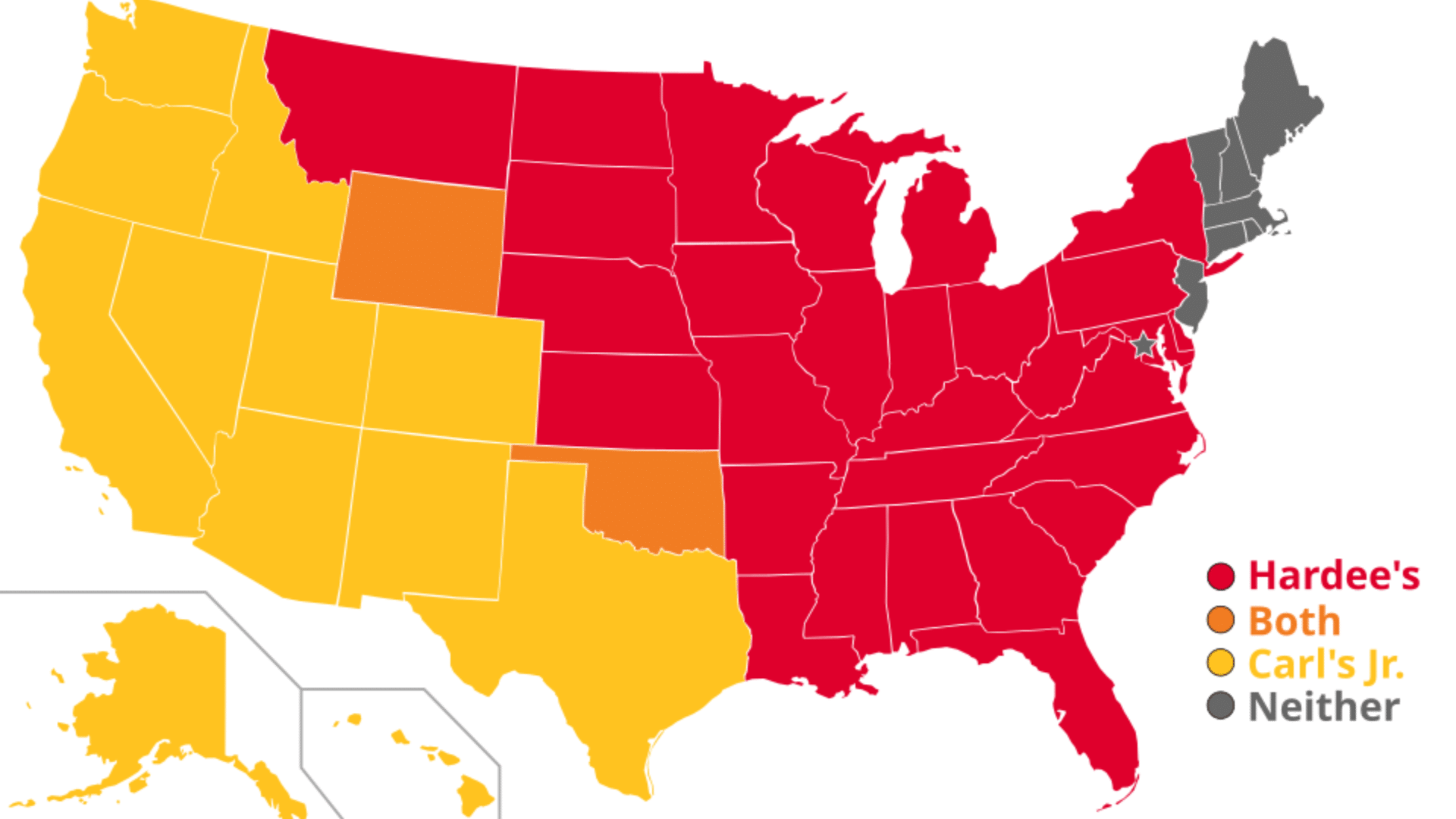
The franchisee operated Hardee’s locations across nine U.S. states, including Alabama, Florida, Georgia, Illinois, Kansas, Missouri, Montana, South Carolina, and Wyoming. The business was formed by a private investment group in 2023 to manage a large portfolio of franchised restaurants. At its peak, the operator controlled dozens of busy fast food locations across multiple regional markets.
The legal conflict escalated when the parent company accused the franchisee of failing to pay more than $6.5 million in required fees. Despite continued restaurant operations, the franchisor alleged that payments were not being properly remitted. The dispute ultimately led to the termination of franchise agreements and triggered the bankruptcy filing.
Legal Battle Behind the Collapse

Court documents reveal that the franchisor filed suit in late 2025, claiming the operator was behind on royalties, rent, and advertising contributions. The lawsuit argued that the franchisee continued operating profitable locations while failing to meet financial obligations. This created a breakdown in the business relationship between the two parties.
The franchisee reportedly owed more than $29 million in total liabilities, while its assets were valued at under $1 million. With debts far exceeding available resources, the company was left with limited options outside of liquidation. Chapter 7 bankruptcy proceedings mean the remaining assets will be sold to repay creditors.
The legal dispute also forced the temporary suspension of related lawsuits as bankruptcy protections took effect. Meanwhile, the parent company began regaining control of several restaurant locations to continue operations under new management. This transition aims to stabilize affected communities and keep some stores open.
Industry Impact and Store Closures
The bankruptcy has resulted in widespread closures across the franchise’s 77 locations, impacting workers and customers in multiple states. Some restaurants have already been shut down permanently, while others are being transitioned to new operators. The situation reflects ongoing financial pressure in the fast food franchise sector.
Parent company representatives have stated that efforts are underway to reopen selected locations under corporate or new franchise ownership. More than 20 restaurants have reportedly already resumed operations under new management. However, the full recovery of the affected network remains uncertain.
Industry analysts note that rising costs, debt burdens, and franchise disputes have contributed to increased financial instability across restaurant chains. Similar bankruptcies have affected other brands in recent years, signaling broader challenges in the fast food industry.
A High-Profile Franchise Collapse With Wider Implications
The bankruptcy of a 77-location fast-food franchise highlights the financial risks tied to large-scale franchise operations. A combination of legal disputes and mounting debt ultimately pushed the company into liquidation. The case underscores how quickly franchise networks can collapse under financial pressure.
While some locations are expected to reopen under new management, many remain permanently closed. Employees, creditors, and local communities are all affected by the restructuring process. The long-term impact will depend on how many stores can successfully transition to new operators.
As the fast food industry continues to evolve, this case serves as a warning about the vulnerabilities of heavily leveraged franchise systems. It also highlights how legal disputes between franchisors and franchisees can accelerate financial collapse.