Fast-Food Was Built on Cheap and Convenient, but Americans Are No Longer Buying Either
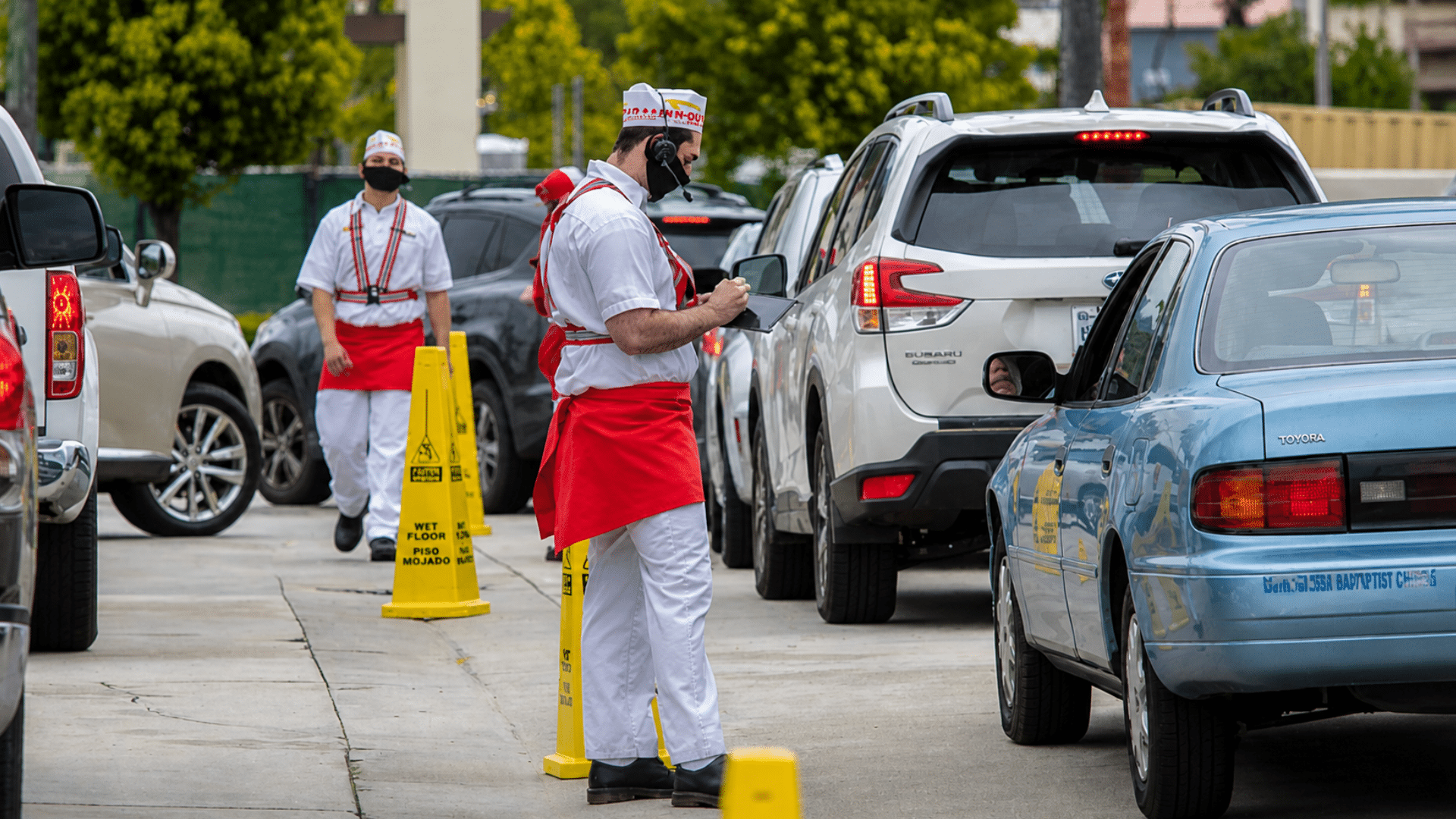

The golden era of the affordable drive-thru is coming to a grinding halt as millions of Americans rethink their relationship with fast food. For decades, these chains dominated the landscape by promising lightning fast service and unbeatable prices, but that core identity is rapidly vanishing. Today, a single meal can easily cost as much as a sit-down restaurant experience, leaving consumers to wonder if the convenience is actually worth the steep financial and nutritional trade-off.
Rising prices have fundamentally broken the value equation that once made fast food a household staple for every income level. Reports of eighteen dollar burger meals and twenty-four dollar combos have become common, causing a massive shift in how families budget for their weekly meals. When a quick bag of burgers costs the same as a fresh, home-cooked dinner, the incentive to choose the drive-thru begins to disappear entirely for budget-conscious shoppers.
This economic shift is paired with a growing awareness of health and wellness that is reshaping modern dining habits. Americans are increasingly prioritizing nutritious, wholesome ingredients over processed options that are high in calories, unhealthy fats, and sugars. As diet-related health issues like obesity and diabetes continue to rise, many are finding that the true cost of fast food extends far beyond the receipt. This newfound health consciousness is driving a search for better alternatives.
The High Price of Low Quality Meals
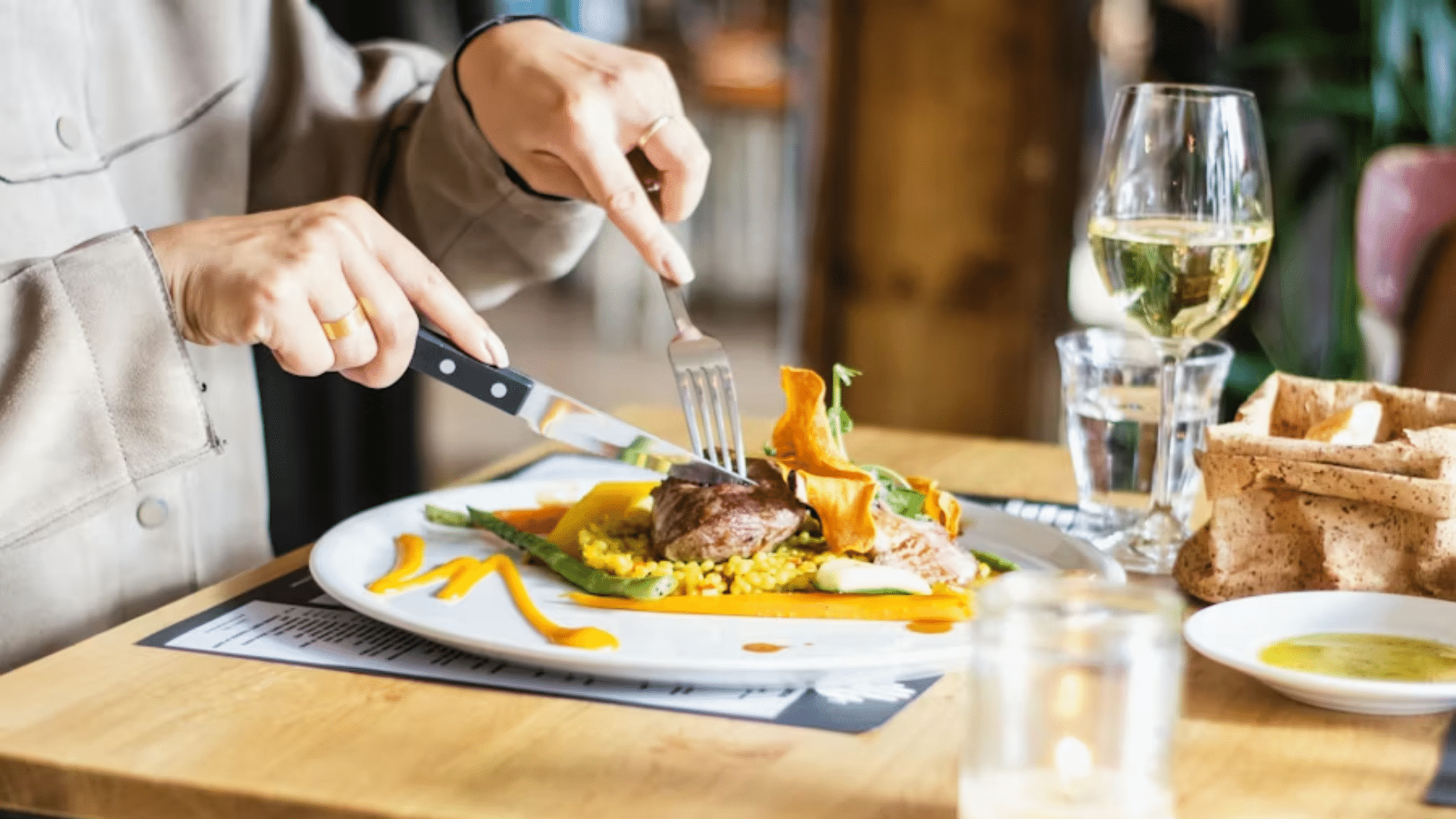
The industry is currently divided into three distinct segments: fine dining, casual dining, and quick service establishments. Historically, fast food relied on being the cheapest option, but that advantage has significantly weakened in recent years. Many consumers now find that they can enjoy a made-to-order meal at a casual dining spot for nearly the same price as a standardized fast-food combo. This price parity is forcing a major re-evaluation of brand loyalty.
Beyond the cost, the perceived quality of fast-food offerings has also taken a hit in the eyes of the public. Frequent diners often complain about shrinking portion sizes and inconsistent food quality, such as shriveled fries or unappealing sandwiches. As people become more intentional about what they eat, they are willing to spend more time seeking out food that is fresher and less processed. Convenience alone no longer carries the same weight it once did.
Home cooking has also emerged as a powerful competitor to the traditional drive-thru model. Preparing meals at home is no longer seen just as a way to save money, but as a lifestyle choice that offers control over ingredients. By cooking their own food, people can avoid additives and customize meals to fit specific dietary needs like vegan, keto, or gluten-free lifestyles. This cultural shift toward mindful consumption is challenging the older, rigid fast-food models.
New Alternatives Are Crowding the Plate
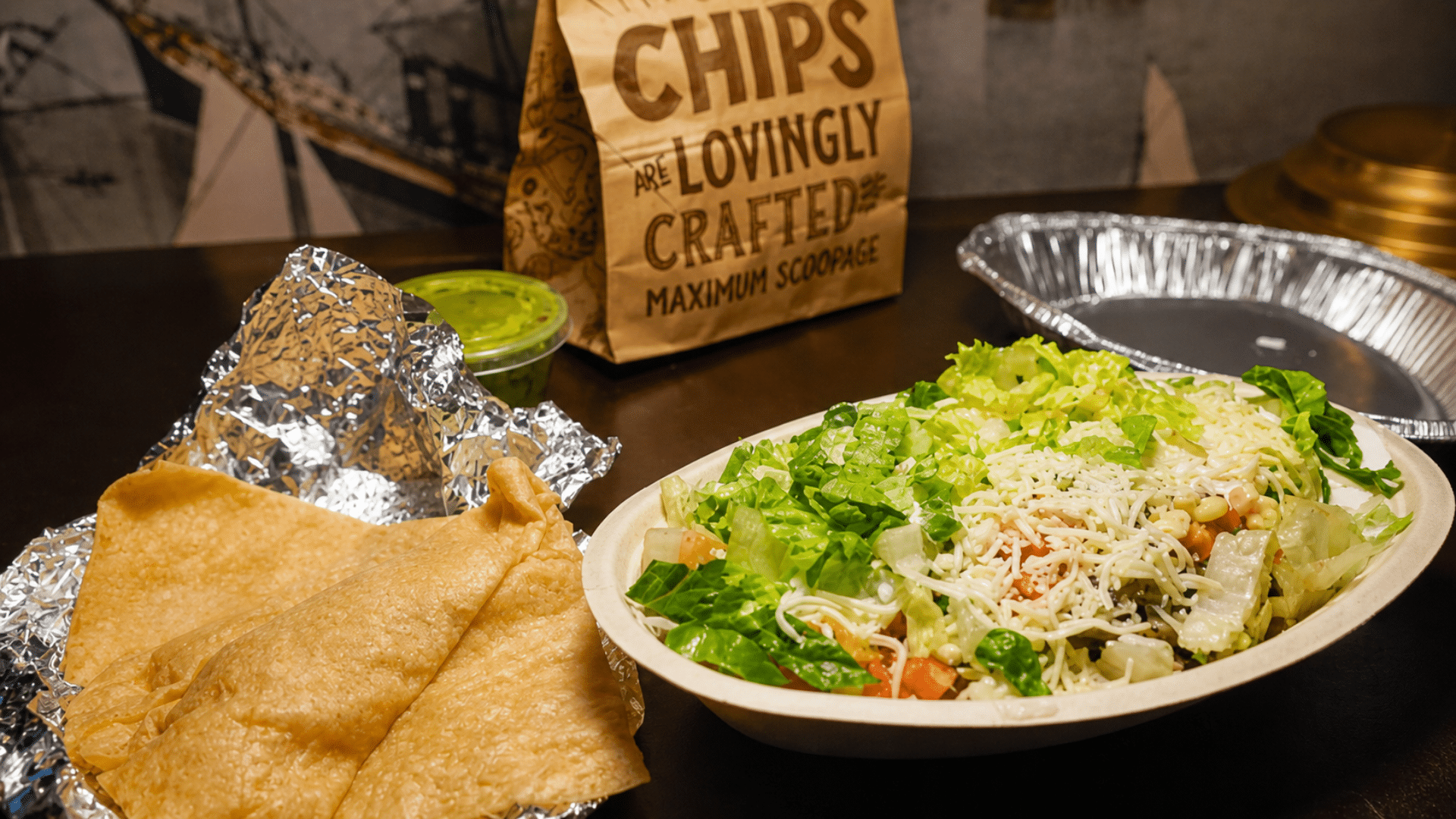
The rise of the fast-casual sector has provided a middle ground that satisfies the need for speed without sacrificing quality. Chains like Chipotle and Panera Bread offer customizable, healthier options that appeal to a wide range of modern diners. These establishments often emphasize transparency regarding their ingredient sourcing and nutritional information. This level of detail resonates with a public that increasingly demands to know exactly where their food comes from.
Digital advancements have also leveled the playing field for smaller, independent eateries that offer higher quality fare. Delivery platforms like DoorDash and Uber Eats allow consumers to access a variety of dining options from their smartphones, making fast food less necessary for pure convenience. Now, a gourmet salad or an organic bowl is just as accessible as a greasy burger. This expanded reach of casual and fine dining has fundamentally changed the competitive landscape.
Social media and food influencers are further steering the public away from traditional fast food by promoting enticing and nutritious recipes. Visual platforms highlight beautifully plated, healthy dishes that make the standard fast-food meal look unappealing by comparison. These digital trends celebrate the pleasure of eating well and offer simple ways to achieve restaurant-quality results at home. As these trends grow, the old drive-thru habit continues to lose its social and practical luster.
A Growing Expectation for Integrity and Value
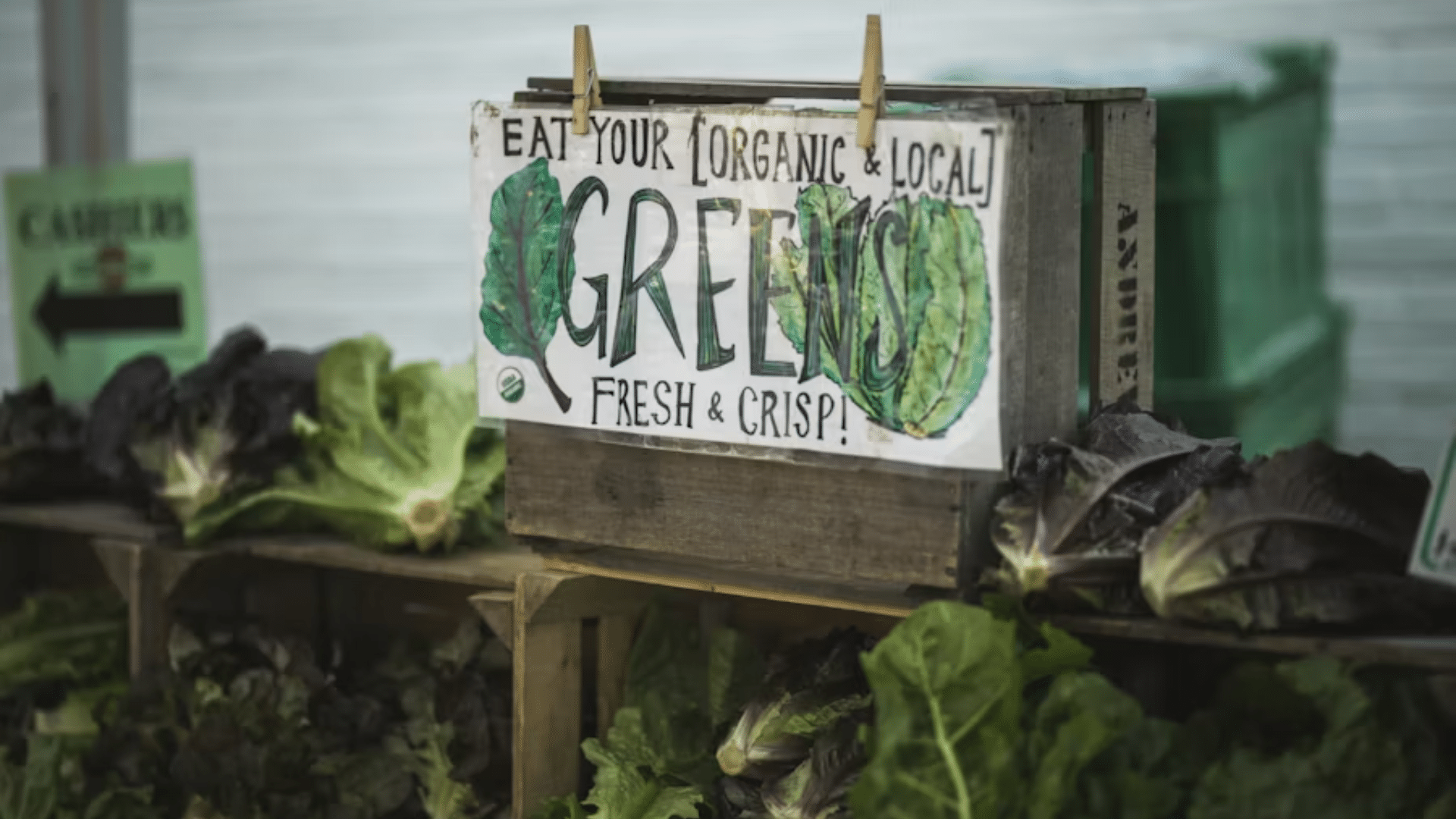
Environmental and ethical considerations are also playing a larger role in where Americans choose to spend their food dollars. Many are concerned about the sustainability of mass-produced, processed foods and the impact of the fast-food industry on the planet. In contrast, establishments that focus on ethical eating and fair labor practices are gaining favor. Consumers are looking for brands that align with their personal values, making the drive-thru experience feel increasingly outdated.
Fast food is not vanishing entirely, but the industry is feeling intense pressure to reinvent itself for a more discerning public. The future of dining belongs to options that can deliver speed while maintaining high standards for ingredients and overall value. People still want convenience, but they want it with fewer compromises on their health or their ethics. The chains that fail to adapt to these new expectations risk becoming relics of a different era.
As we look forward, the conversation around food is becoming more about quality and intention rather than just speed. Will the drive-thru find a way to offer real value again, or will the trend toward home cooking and fast-casual dining become the new American norm? For many, the choice is already made: they are looking for a side of integrity with every meal. The next few years will decide which models survive this major cultural shift.