Fast Food Loses Ground as Americans Turn to Grocery and Convenience Stores for Better Value

Nearly half of American diners say their favorite restaurant has changed in the past year alone. A new 2026 report from Tillster, a restaurant technology company, finds that fast-food and fast-casual chains are losing customers to grocery stores and convenience stores at a pace that is reshaping how and where Americans eat. The reasons go deeper than price and this is a warning signal for an entire industry.
A Landscape More Fractured Than Ever Before
The 2026 Phygital Index Report from Tillster surveyed 2,144 U.S. diners and concluded that the foodservice industry is experiencing one of its most disruptive periods in modern history. The old categories, fast food, fast casual, sit-down dining, are blurring. Grocery stores now offer hot meals. Convenience stores compete on speed and quality. According to Tillster, the boundaries between digital and in-person dining experiences are fading just as quickly.
Loyalty Is Collapsing Faster Than Restaurants Realize
In 2025, 1 in 3 diners said their favorite restaurant had changed within the year. By 2026, that figure jumped to 45%. But that is not gradual drift. It is a sharp break in what the industry once took for granted: that a good product would keep customers coming back. According to Tillster, restaurants can no longer rely on being the “go-to” to secure repeat visits. Something fundamental in the relationship between diner and brand has shifted.
Economic Pressure Is Changing Spending Habits
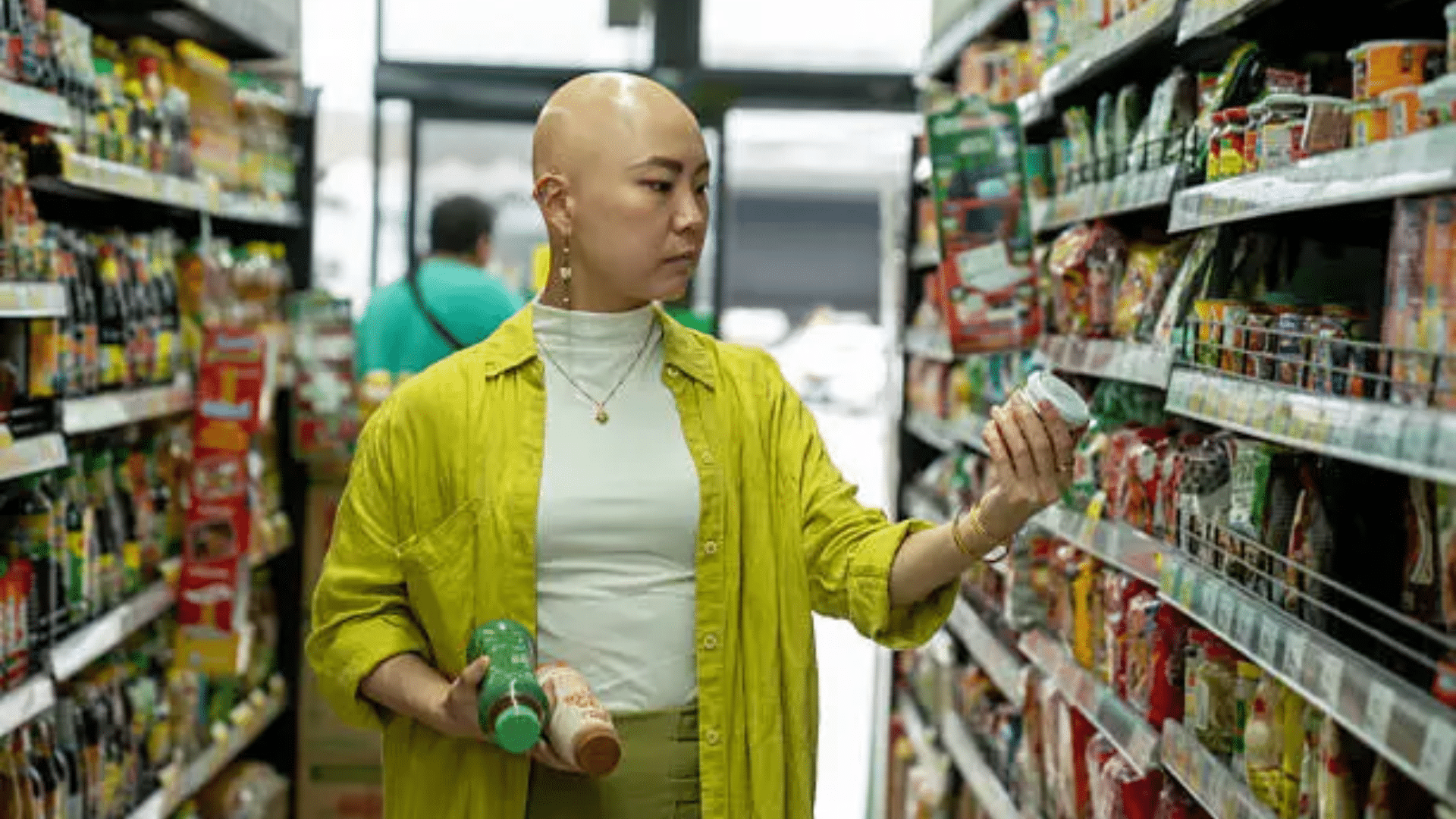
Nearly 70% of diners say they have decreased or maintained their dining-out budgets because of economic conditions, the report found. Consumers are making sharper trade-offs. 61% have abandoned an online order because of service fees. One-third are choosing cheaper menu items. More than a quarter are tipping less. These are not isolated decisions. They reflect a collective recalibration of what a restaurant meal is actually worth compared to other options.
Price Matters Less Than You Might Think
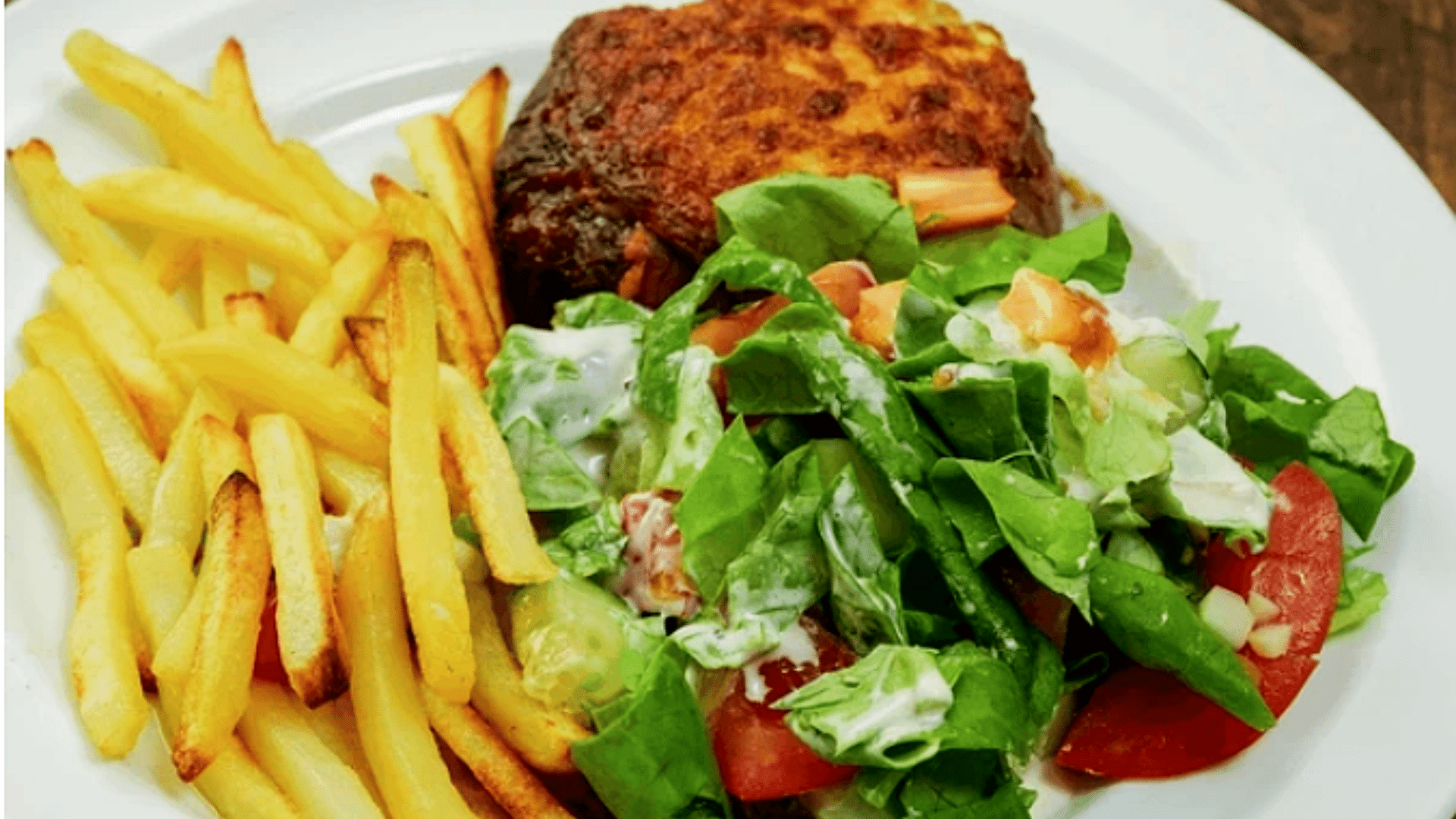
Despite tightening budgets, price alone is not what is driving diners away. When asked what matters most when choosing where to eat, 45% of respondents cited food quality, 44% cited convenience, and 34% cited speed. Discounts ranked lower. This creates a serious problem for chains that have responded to declining traffic primarily by cutting prices or offering deals. According to Tillster, that approach misses the real drivers of dining decisions entirely.
Loyalty Programs Are Failing on Their Own Promises
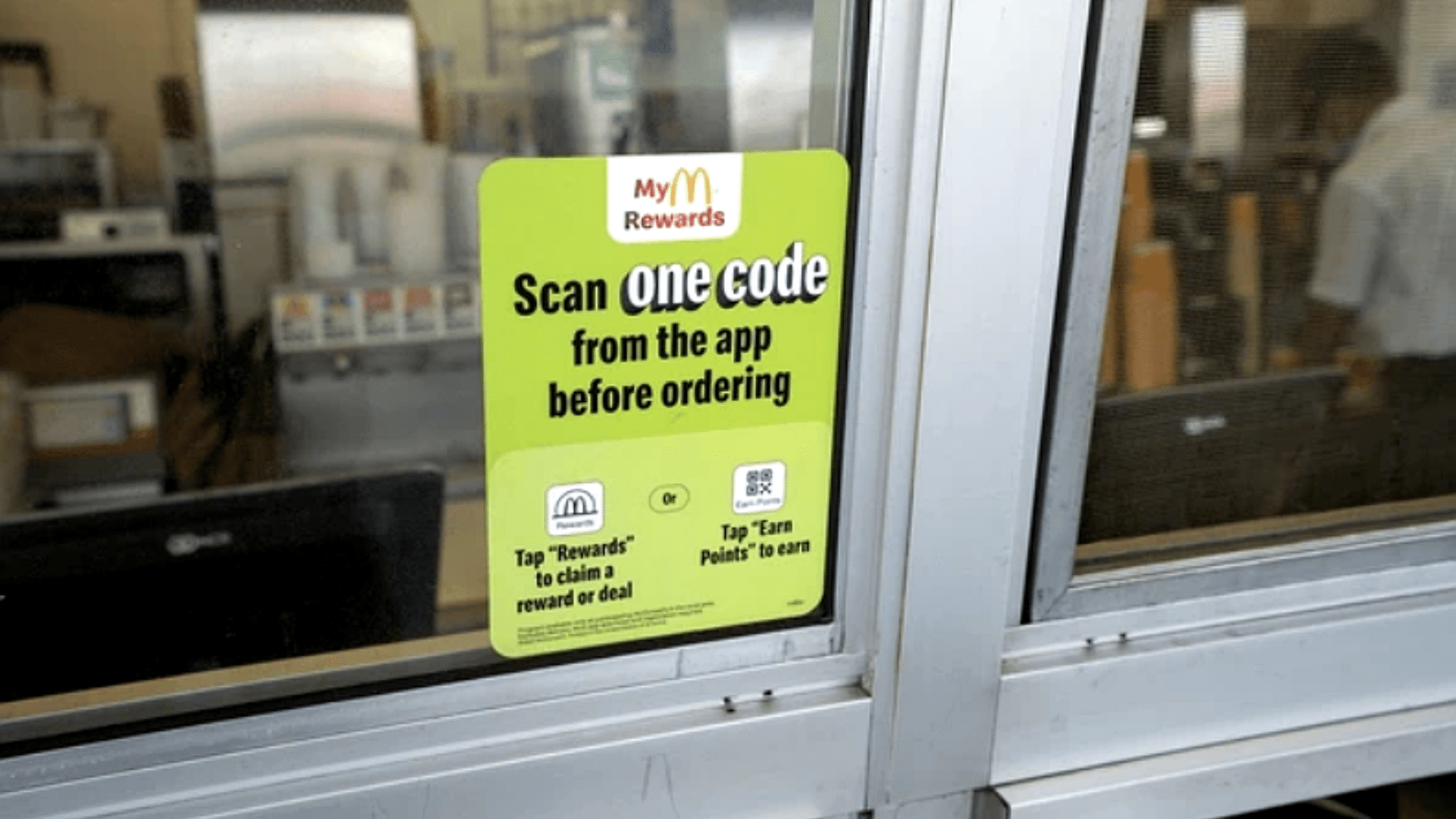
Restaurants have invested heavily in loyalty apps and rewards programs, yet satisfaction with those programs has nearly doubled in the wrong direction. In 2025, 15% of members reported dissatisfaction. By 2026, that figure reached 28 %. Nearly 40% of diners do not check their loyalty programs consistently before deciding where to eat. According to Tillster, brands need more targeted, timely offers, especially since 74% of consumers say programs do drive extra spending when they work.
The Technology Gap Diners Feel Every Visit
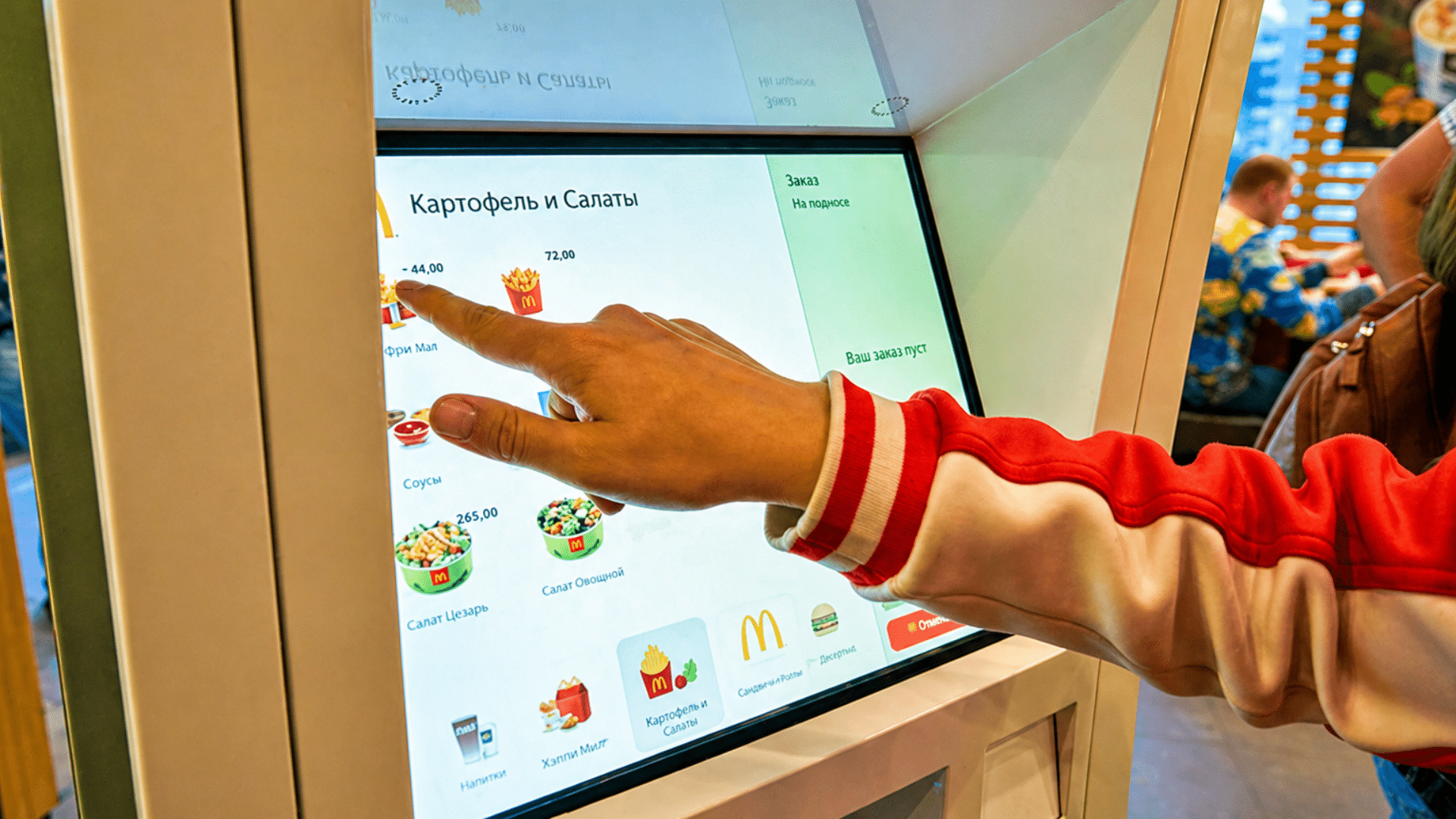
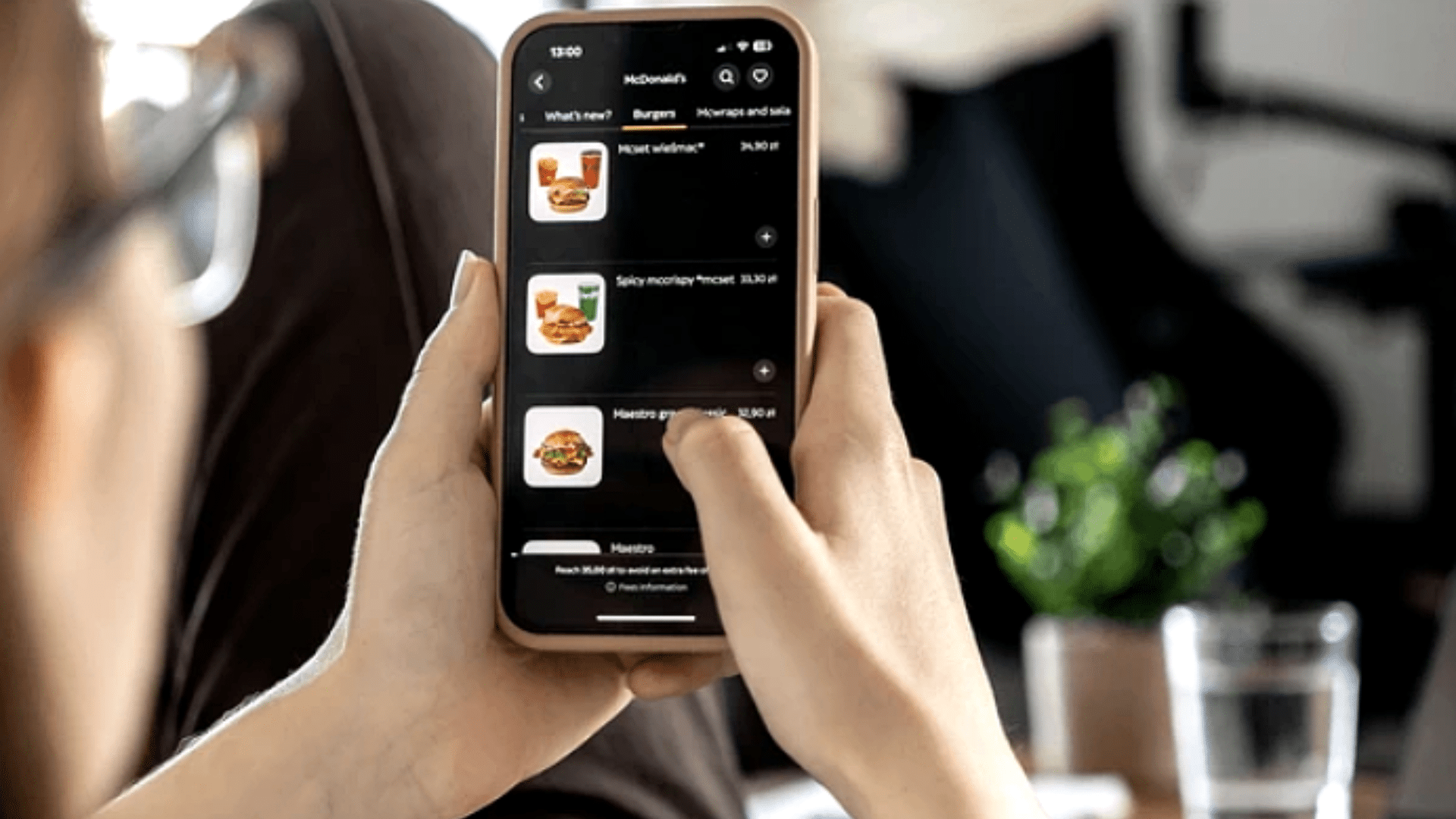
64% of diners use self-service kiosks regularly. 75% use drive-thrus at least several times a month. 61% still order from a cashier just as often. Consumers are moving fluidly across every channel, yet brands have not built systems to connect those experiences into one consistent journey. That disconnect, between how restaurants operate and what diners expect, is one of the key reasons loyalty keeps eroding, according to the Tillster report.
Grocery And Convenience Stores Are Winning on Value
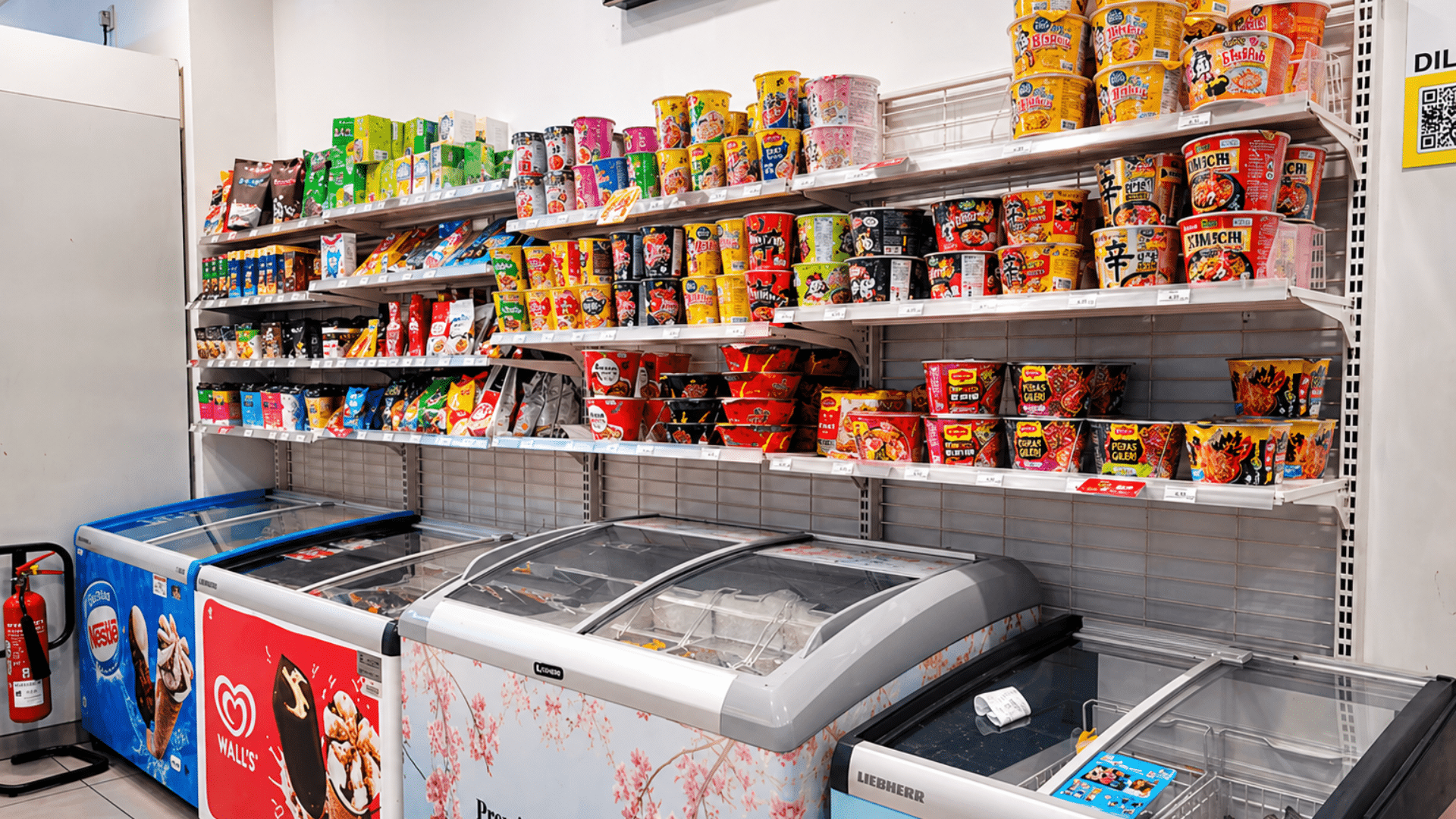
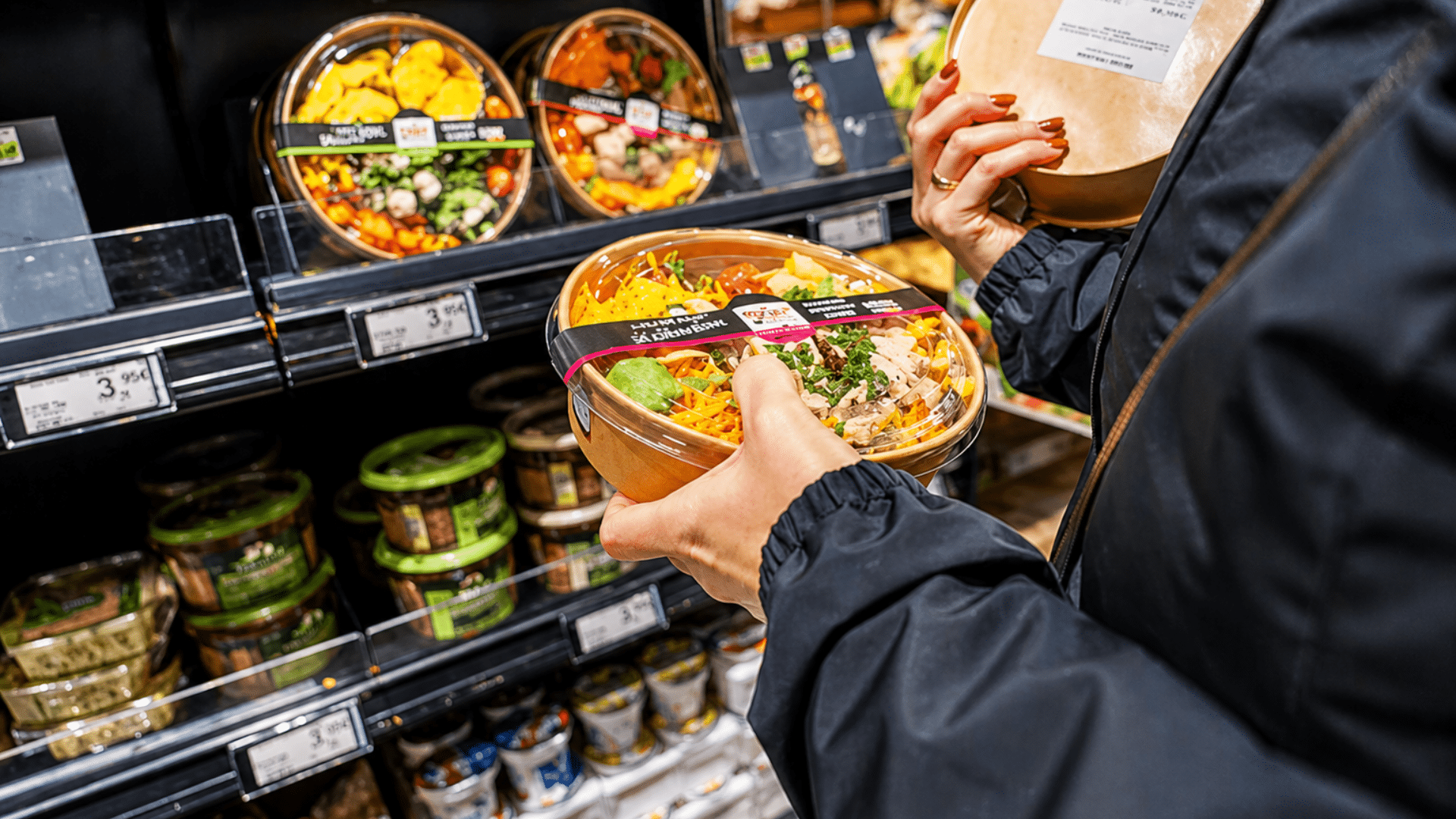
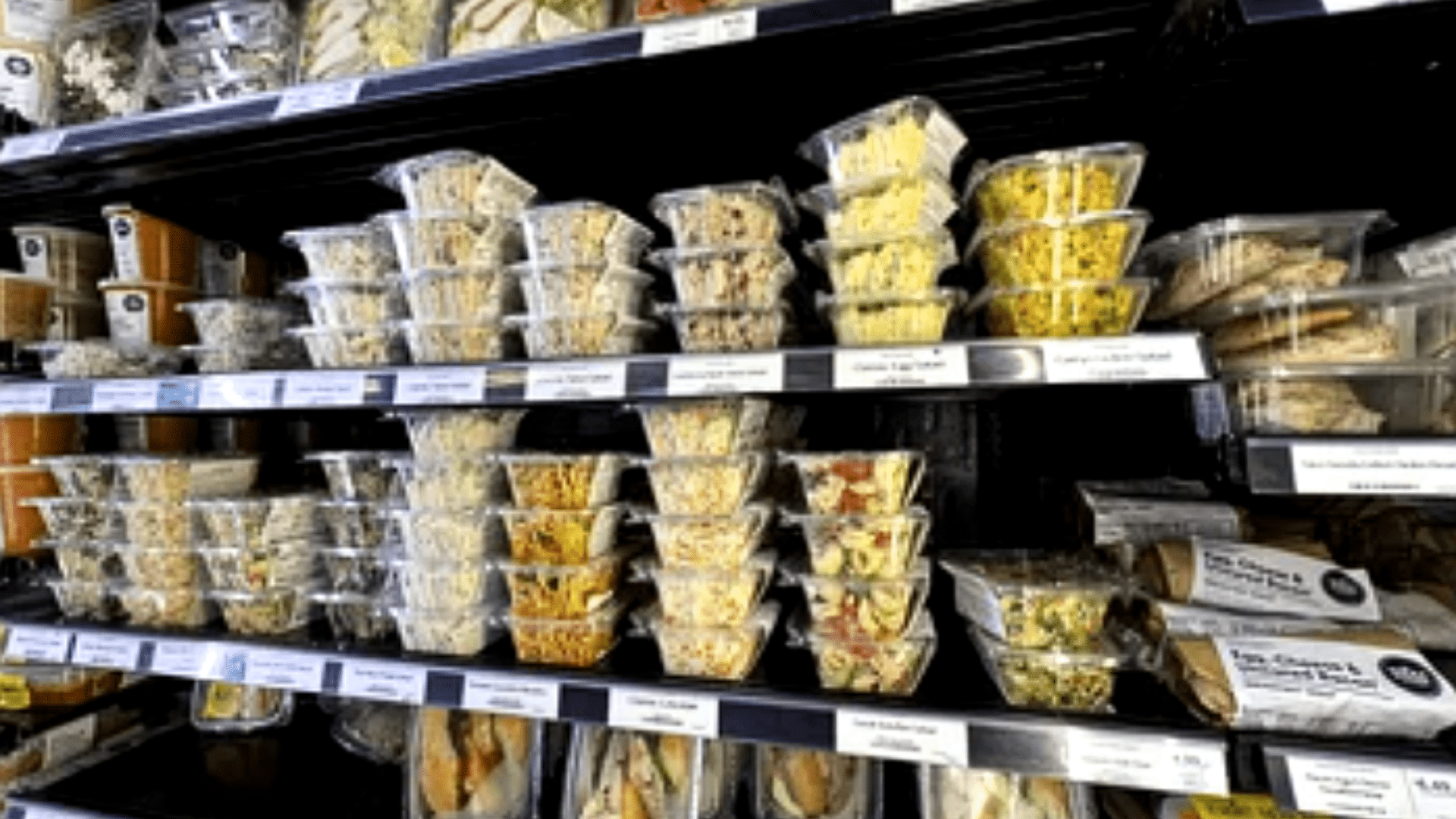
29% of diners say they visit fast-food chains less often than they used to. For fast-casual restaurants, the drop is even steeper: 37% report going less frequently. On the other side, 36% say they shop at grocery stores more often, and 33% say the same about convenience stores. According to industry analysts, nontraditional foodservice players are winning more dining occasions and beating traditional restaurants on perceived value.
The Industry Is Being Called to Reinvent Itself
Perse Faily, CEO of Tillster, described the moment as a fundamental industry shift he calls “Restaurant 2.0.” According to Faily, brands must move away from a mindset of “tech for tech’s sake” and instead build systems that deliver seamless, consistent experiences across every physical and digital touchpoint. Right now, most operators lack the connected infrastructure to meet that standard. That gap between what diners expect and what restaurants actually deliver is widening, and the cost is measured in lost customers.
The Restaurant of The Future Has to Earn Every Visit

The era of passive loyalty, where a restaurant could count on regulars simply returning out of habit, is over. Diners are more willing than ever to change brands, skip delivery fees, order somewhere new, or grab a hot meal from a grocery store instead. The chains that survive this moment will be the ones that treat every touchpoint as an opportunity to earn trust. In a fragmented market, the question is no longer “how do we get them in the door?” but “why would they come back?”