FDA Recalls Frozen Cheese Bread Sold at Major U.S. Retailers Over Salmonella Risk

Frozen convenience foods have become a staple in millions of American households, but a recent recall serves as a reminder that even familiar products can face unexpected safety concerns. Champion Foods LLC has voluntarily recalled certain batches of Motor City Pizza Co. 5 Cheese Bread after a supplier-linked contamination concern raised the possibility of Salmonella exposure.
The recall affects both single-pack and two-pack versions of the frozen cheese bread, which were distributed nationwide through major retailers including Walmart, Costco, Target, Kroger, Publix, Meijer, Hy-Vee, and several others. According to the company, the action was taken after learning that milk powder used in a seasoning blend supplier’s ingredients was connected to a separate recall involving potential Salmonella contamination.
Although routine testing conducted before production reportedly found no evidence of Salmonella in the seasoning batches used for the cheese bread, Champion Foods said it chose to move forward with the recall out of caution. The company emphasized that no illnesses or injuries linked to the affected products had been reported at the time of the announcement.
How a Milk Powder Recall Triggered a Broader Food Safety Response
The source of the concern can be traced back to a California Dairies milk powder recall. That ingredient was supplied to a third-party manufacturer responsible for producing a seasoning blend used in the cheese bread’s five-cheese sauce mixture.
Food recalls often spread beyond the original product because modern food manufacturing relies on extensive supplier networks. When a potentially contaminated ingredient enters the supply chain, companies frequently trace where it was used and take preventive action before illnesses occur. In this case, Champion Foods determined that recalling affected products was the safest approach despite negative test results from the seasoning manufacturer.
The situation also reflects a broader trend in food safety management. Regulators and manufacturers increasingly rely on precautionary recalls to reduce risk, especially when products have been distributed nationally. While such actions can be disruptive for businesses and consumers, they are often viewed as an important safeguard against larger outbreaks.
What Consumers Should Know About Salmonella Risks
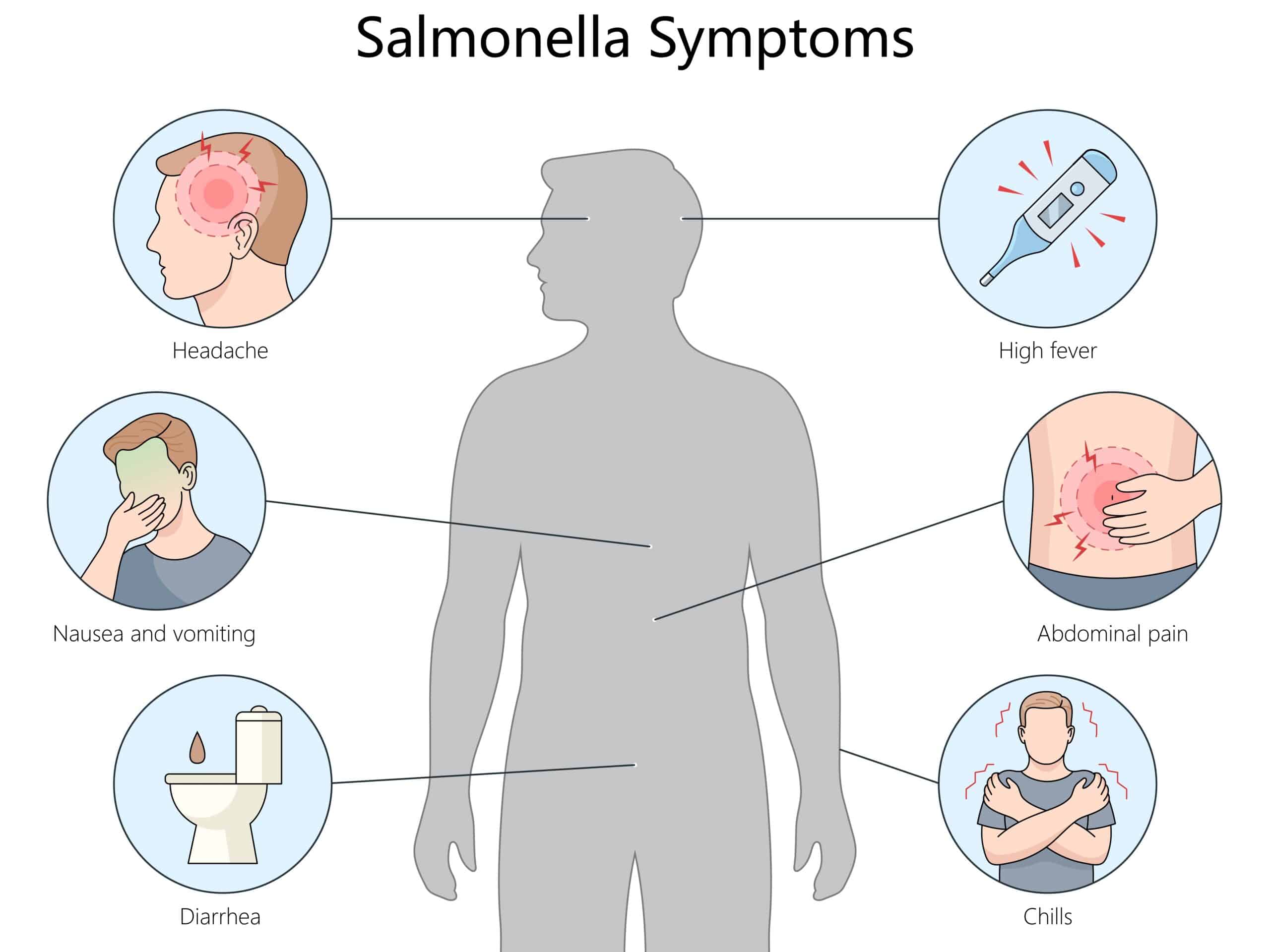
Salmonella is one of the most common causes of foodborne illness in the United States. According to health authorities, infection can cause symptoms including fever, diarrhea, nausea, vomiting, and abdominal pain. Symptoms typically appear within hours or days of consuming contaminated food.
While many healthy adults recover without medical treatment, the bacteria can pose a greater threat to young children, older adults, and individuals with weakened immune systems. In rare cases, the infection can spread beyond the digestive system and enter the bloodstream, potentially leading to more serious medical complications.
The recall announcement by FDA noted that no illnesses connected to the cheese bread had been reported. Even so, public health officials generally encourage consumers to avoid eating recalled products because contamination may not be visible, detectable by smell, or apparent through changes in taste.
Checking Your Freezer and What Happens Next
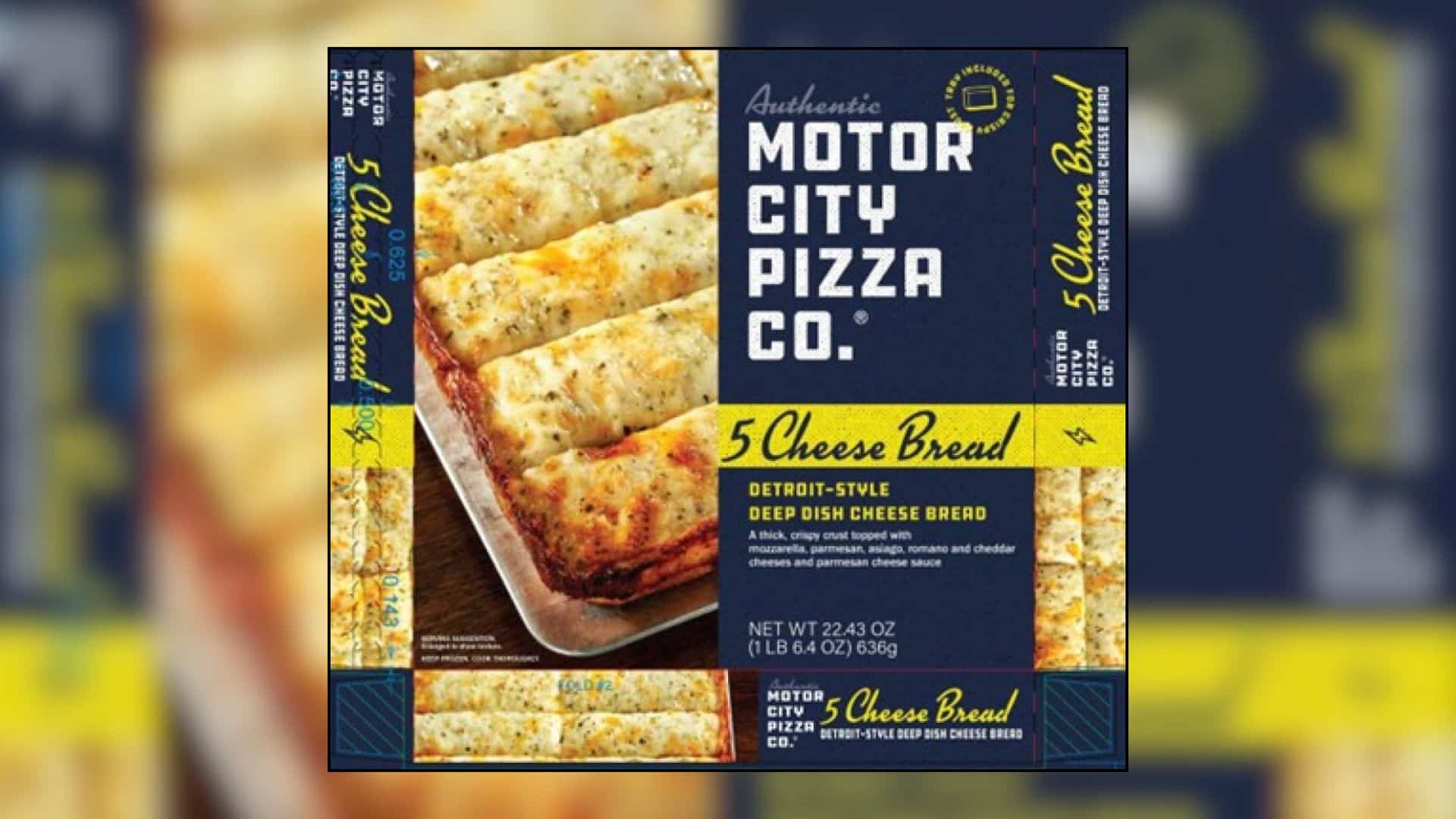
Consumers who purchased Motor City Pizza Co. 5 Cheese Bread are being urged to carefully check the UPC code and sell-by date on the packaging. The recall covers the single-pack version (UPC 8 70375 00511 1) with sell-by dates of February 4, February 5, February 23, February 24, March 9, March 10, March 17, March 18, March 24, March 25, April 7, April 8, April 20, and April 21, 2027. It also includes the two-pack version (UPC 8 70375 00509 8) with sell-by dates of February 3, February 4, February 24, February 25, March 10, March 11, March 18, and March 25, 2027. The sell-by date can be found printed on the front of the package within the cheese bread image area, and consumers are advised not to eat any affected products.
Costco has already notified members who purchased the affected products between February and May and advised customers not to consume them. The retailer instructed shoppers to return recalled items to a warehouse location for a full refund. Similar guidance applies to consumers who purchased the products through other retailers.
For now, the recall appears to be a preventive measure rather than a response to confirmed illnesses. Still, it highlights how closely food manufacturers, retailers, and regulators monitor ingredient sourcing and potential contamination risks. As food supply chains grow increasingly interconnected, rapid recalls remain one of the industry’s most important tools for protecting consumers before a potential problem becomes a public health event.

