Food Deserts Are Spreading Across America and a New Report Blames a Federal Law


A new report is raising alarm about the growing number of “food deserts” across the United States, where residents have limited access to affordable and nutritious food. Researchers say the trend is worsening in many communities as grocery prices climb and smaller stores struggle to compete. According to the report, part of the problem may stem from decades of weak enforcement of a federal antitrust law meant to protect smaller retailers. The findings highlight how changes in the grocery industry and federal policy may be shaping the way Americans access food.
What Is a Food Desert

A food desert refers to a geographic area where residents have limited access to supermarkets or large grocery stores that sell affordable, healthy food. These areas are often found in low-income neighborhoods or rural communities where transportation options may also be limited. Without nearby grocery stores, residents may rely on convenience stores or fast food outlets that offer fewer healthy choices. This lack of access can contribute to poor nutrition and long-term health challenges.
New Data Shows the Problem Is Growing

Recent research suggests that food deserts may be expanding in parts of the country as grocery stores close or consolidate. Rising operational costs and competitive pressure from large chains have made it harder for smaller independent grocers to survive. When a neighborhood loses its only grocery store, residents may be forced to travel long distances to buy fresh food. In some communities, this leaves thousands of households with limited access to basic groceries.
The Growing Impact on American Communities

Researchers behind the report point to weak enforcement of the Robinson–Patman Act as a key factor contributing to the problem. The law, originally passed in 1936, was designed to prevent suppliers from offering better prices to large retailers while charging smaller stores more. In theory, it was meant to protect competition and keep smaller businesses viable. However, enforcement of the law declined significantly starting in the 1980s.
How Large Chains Gained an Advantage
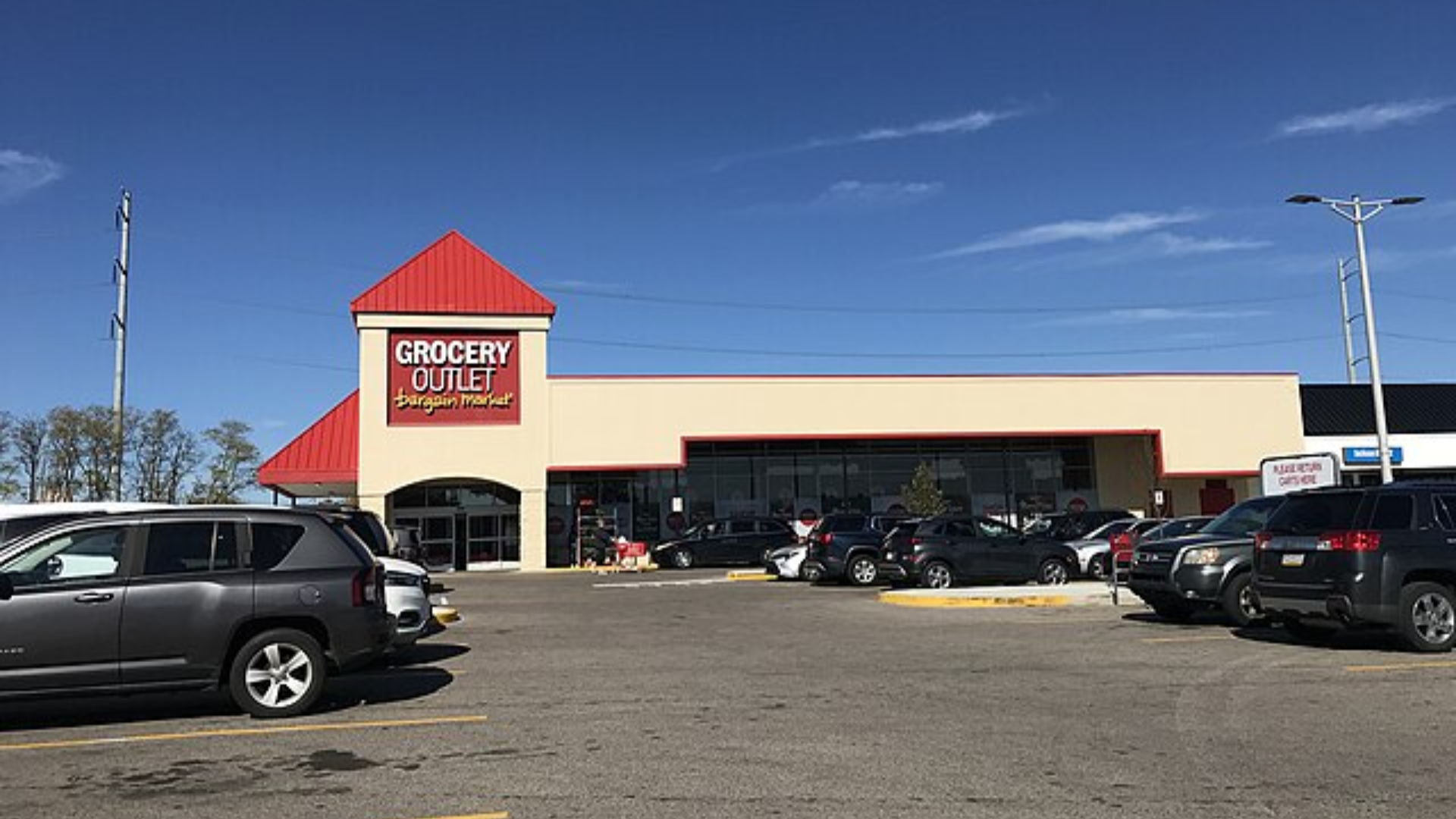
As enforcement of the law weakened, large grocery chains increasingly gained pricing advantages over independent stores. Suppliers often offered better deals to bigger retailers that purchased goods in bulk. Smaller neighborhood stores, which buy in smaller quantities, sometimes ended up paying higher wholesale prices for the same products. This imbalance made it difficult for independent grocers to compete with large chains.
Why Small Grocery Stores Are Disappearing
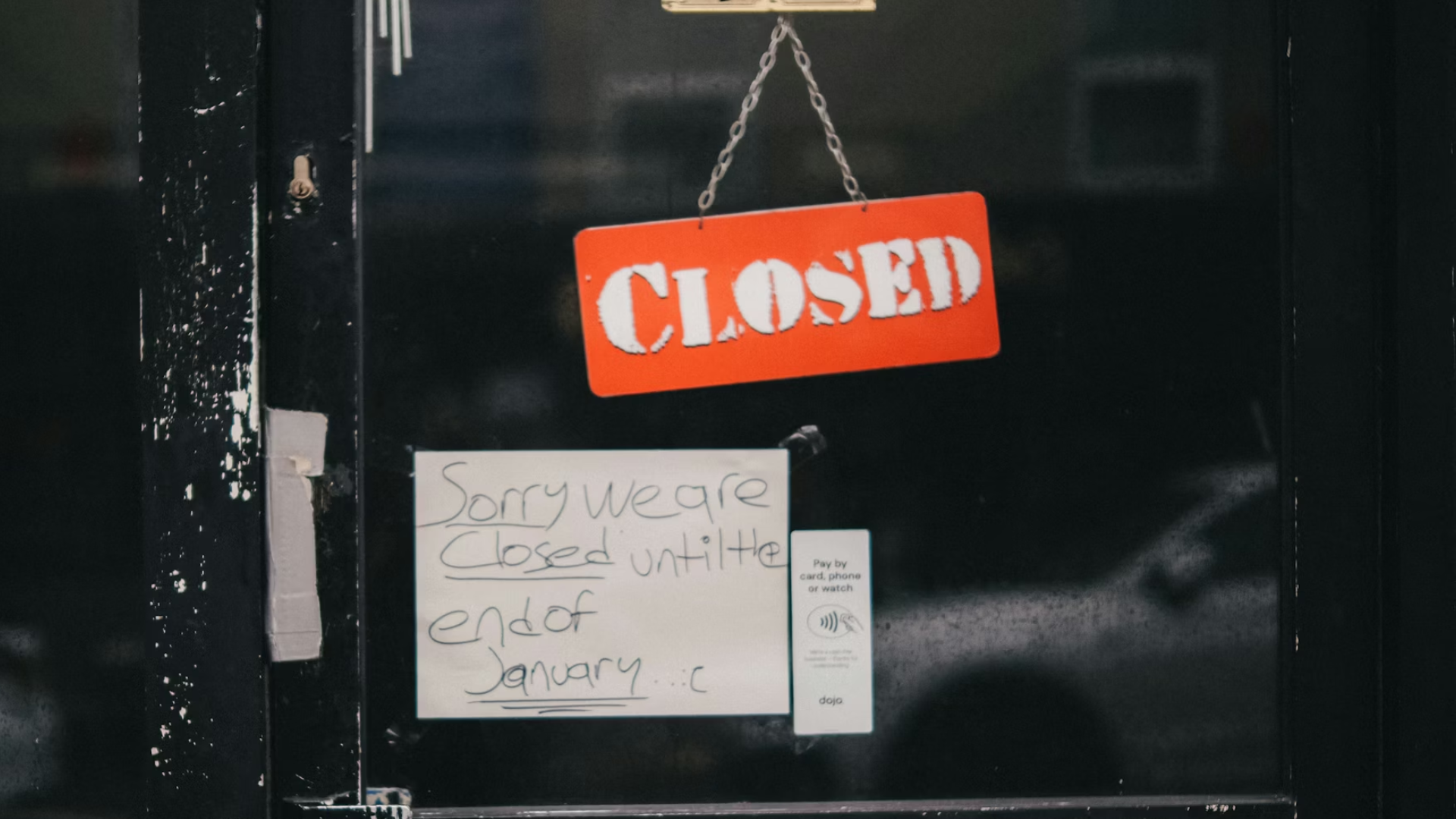
Over time, the pricing gap between large chains and small stores has led many local grocers to shut down. When a small grocery store closes, entire neighborhoods can lose convenient access to fresh produce, meat, and other essential foods. The problem is particularly severe in rural communities and lower-income urban areas. These closures can quickly turn communities into food deserts.
Higher Prices for the Stores That Remain

Smaller retailers that remain in underserved areas often face higher costs from suppliers, which can force them to raise prices. These higher prices are passed on to consumers who may already be struggling financially. As a result, residents in food desert communities often pay more for groceries than people living near large supermarket chains. The price difference can further deepen food insecurity in vulnerable areas.
The Communities Most Affected

Food deserts are more common in communities with higher poverty rates and limited transportation options. Research has shown that neighborhoods with larger minority populations and rural regions often experience the greatest lack of grocery access. In these areas, even a short trip to the nearest supermarket may require a long drive or public transit journey. These barriers can make it harder for families to maintain a healthy diet.
Possible Solutions to the Crisis

Experts say addressing food deserts will require a combination of policy changes and community solutions. Some advocates are calling for stronger enforcement of antitrust laws to level the playing field for smaller grocers. Others suggest incentives to attract supermarkets to underserved areas or support for alternative solutions like farmers markets and mobile grocery stores. Expanding food access programs could also help reduce the impact on affected communities.
A Growing Food Access Challenge

The spread of food deserts across the United States highlights a growing challenge in the nation’s food system. While many factors contribute to the issue, researchers say the decline in enforcement of certain federal regulations may have played an important role in reshaping the grocery industry. As policymakers and communities search for solutions, improving access to affordable and nutritious food remains a critical goal. Addressing the underlying economic and policy issues could help ensure that all Americans have reliable access to healthy food options.