Food Is ‘Cheaper’ Than Ever — So Why Does It Still Feel Like a Struggle at Checkout?
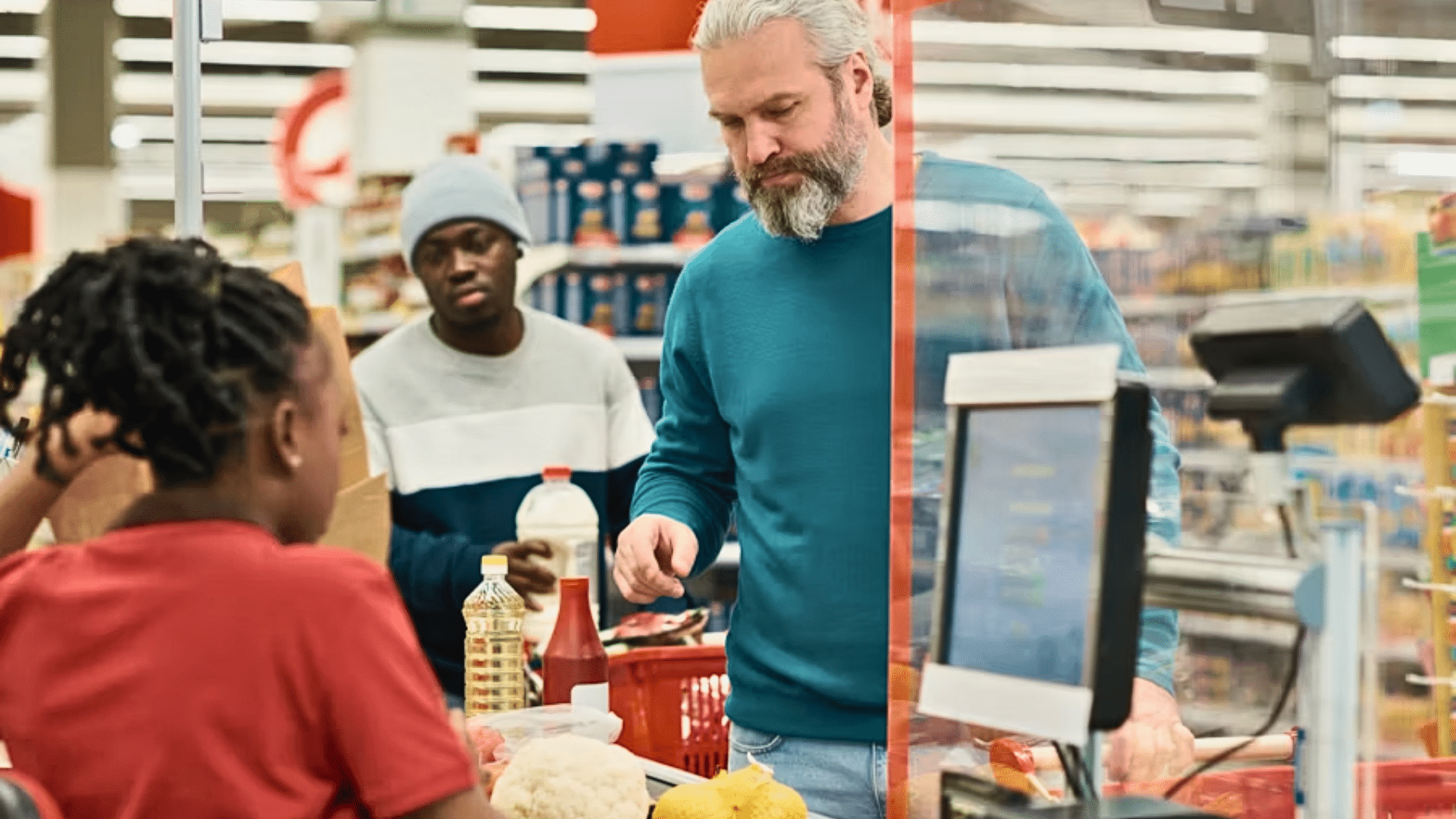

Americans now spend just 10.4% of their disposable income on food. Every bite — groceries, restaurants, late-night delivery — adds up to roughly one dime of every dollar earned. According to the USDA’s Economic Research Service, that figure is near an all-time low. Yet people still wince at the register. That contradiction, cheap food that somehow feels expensive, is one of the most revealing puzzles in the modern American economy. And it starts over 150 years ago.
When Half Your Paycheck Went to Food

In 1901, the average American family spent 42.5% of its total budget just on food — not rent, not medicine, but eating. At today’s median household income, that would equal roughly $2,600 a month at the grocery store. By 1947, it had dropped to 23%, and by the 1960s, all food spending hovered around 15%. The slow, steady fall from nearly half to barely a tenth is one of the biggest economic shifts in American history and almost no one talks about it.
The German Statistician Who Saw It Coming

In 1857, a German statistician named Ernst Engel analyzed about 200 working-class family budgets in Belgium and spotted a clear pattern: poorer families spent 60 to 70% of their income on food, while wealthier families spent under 50%. The richer you got, the smaller food’s share became. This became known as Engel’s Law, and it has been confirmed across countries, centuries, and virtually every dataset economists have examined. Its implications run much deeper than food.
Food Spending as a Measure of Freedom
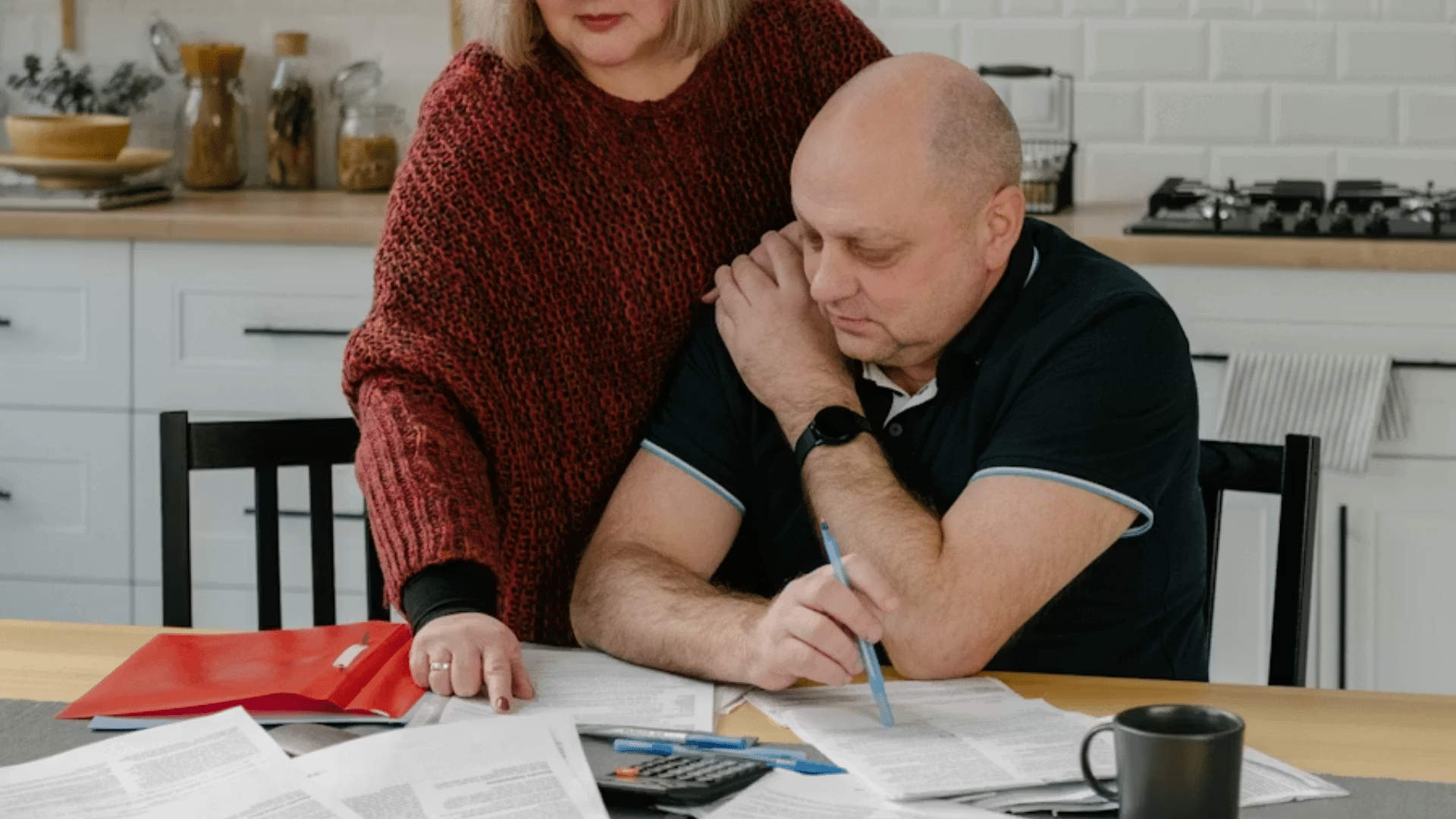
Engel’s Law matters because food spending is, in effect, a freedom index. When two-thirds of a paycheck goes to eating, almost nothing remains for education, health care, savings, or anything that lifts life above survival. As that share shrinks, people gain room to invest in their futures. Falling food costs, measured as a fraction of income, are not just a statistic. They are one of the clearest signs that a society is becoming more prosperous — one grocery receipt at a time.
The Agricultural Revolution Nobody Celebrates
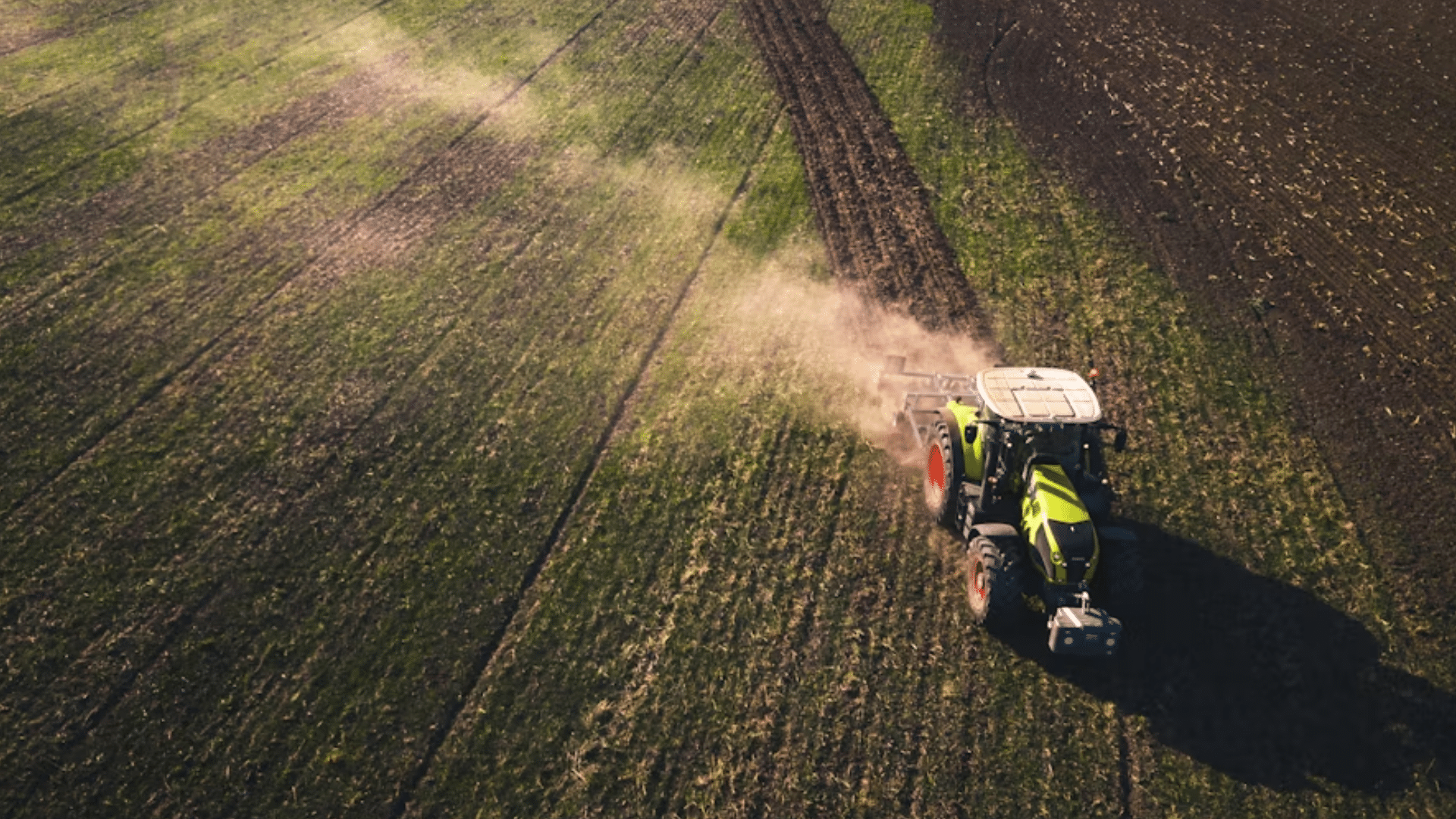
In 1940, one American farmer fed about 19 people. Today, one farmer feeds nearly 170. Corn yields tell the same story: from 26 bushels per acre in the late 1800s to over 180 today, thanks to hybrid crops, synthetic fertilizer, and modern genetics. The USDA found that real retail food prices were actually 2% lower in 2019 than in 1980, even before accounting for the explosion in variety and quality. More food, fewer farmers, lower prices. But that progress carried a cost.
It’s a Global Pattern, Not Just an American Story
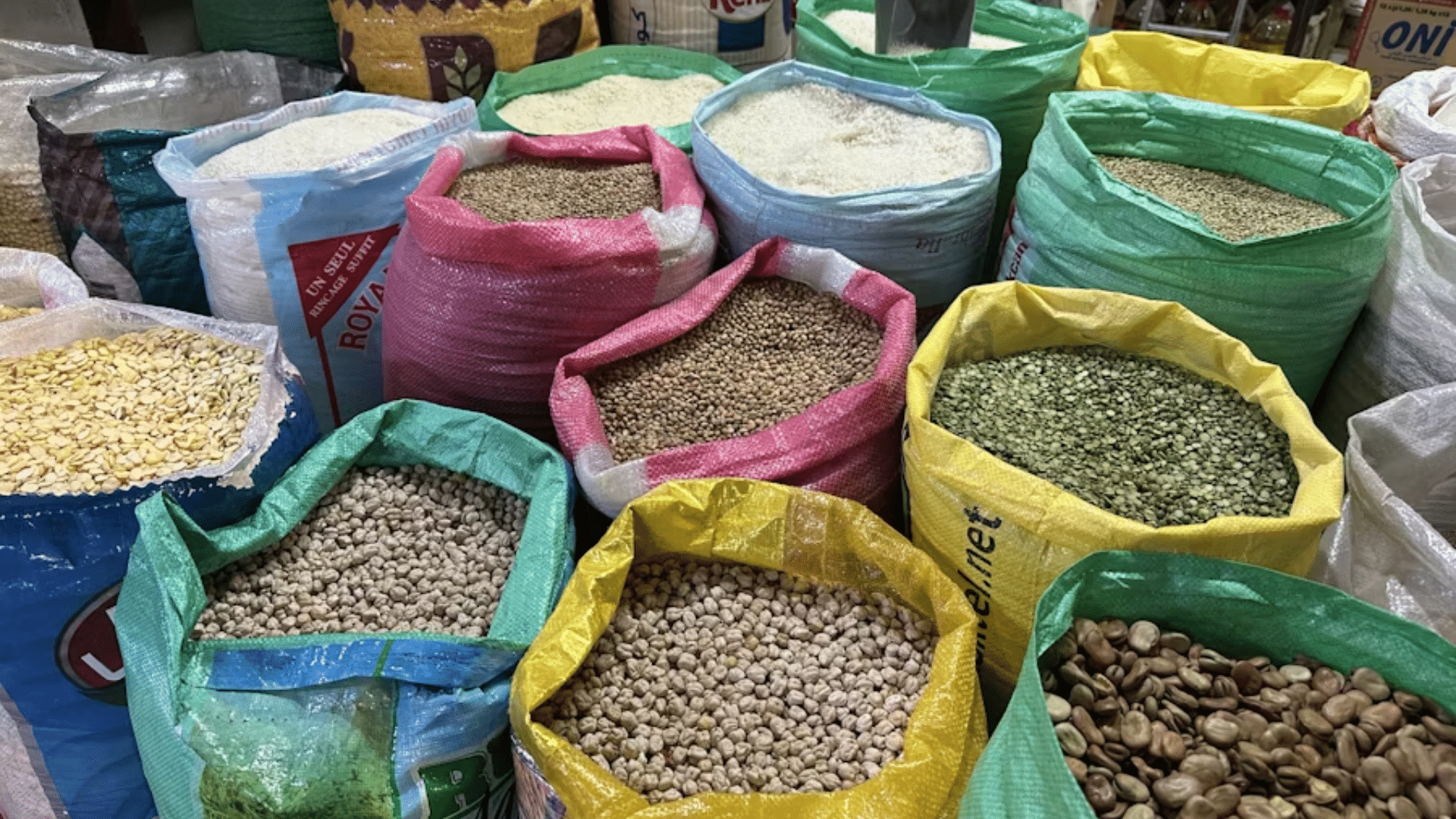
The United States sits at one extreme of Engel’s Law in action. Nigerian households spend about 59% of their consumption on food. Bangladeshis spend around 53%. Chinese consumers are near 21%. Americans are under 7% for food eaten at home, among the lowest figures recorded anywhere. The gap is not simply cultural. It tracks closely with income levels and agricultural productivity, exactly as Engel predicted over a century and a half ago. Still, recent years have complicated the picture for many American families.
So Why Does It Still Sting at the Register?

Between 2020 and 2024, food prices in the United States rose 23.6%. Egg prices spiked 8.5% in 2024 alone, driven by avian flu. Beef prices climbed 5.4%. The post-pandemic surge was real, and it hit hardest at the bottom of the income scale, where the lowest-earning 20% of households spend 32.6% of their after-tax income on food. Even at the peak of that 2022 inflation scare, though, the share of income Americans spent on food was still lower than any year before 1991.
The DoorDash Panic Gets the Story Backward
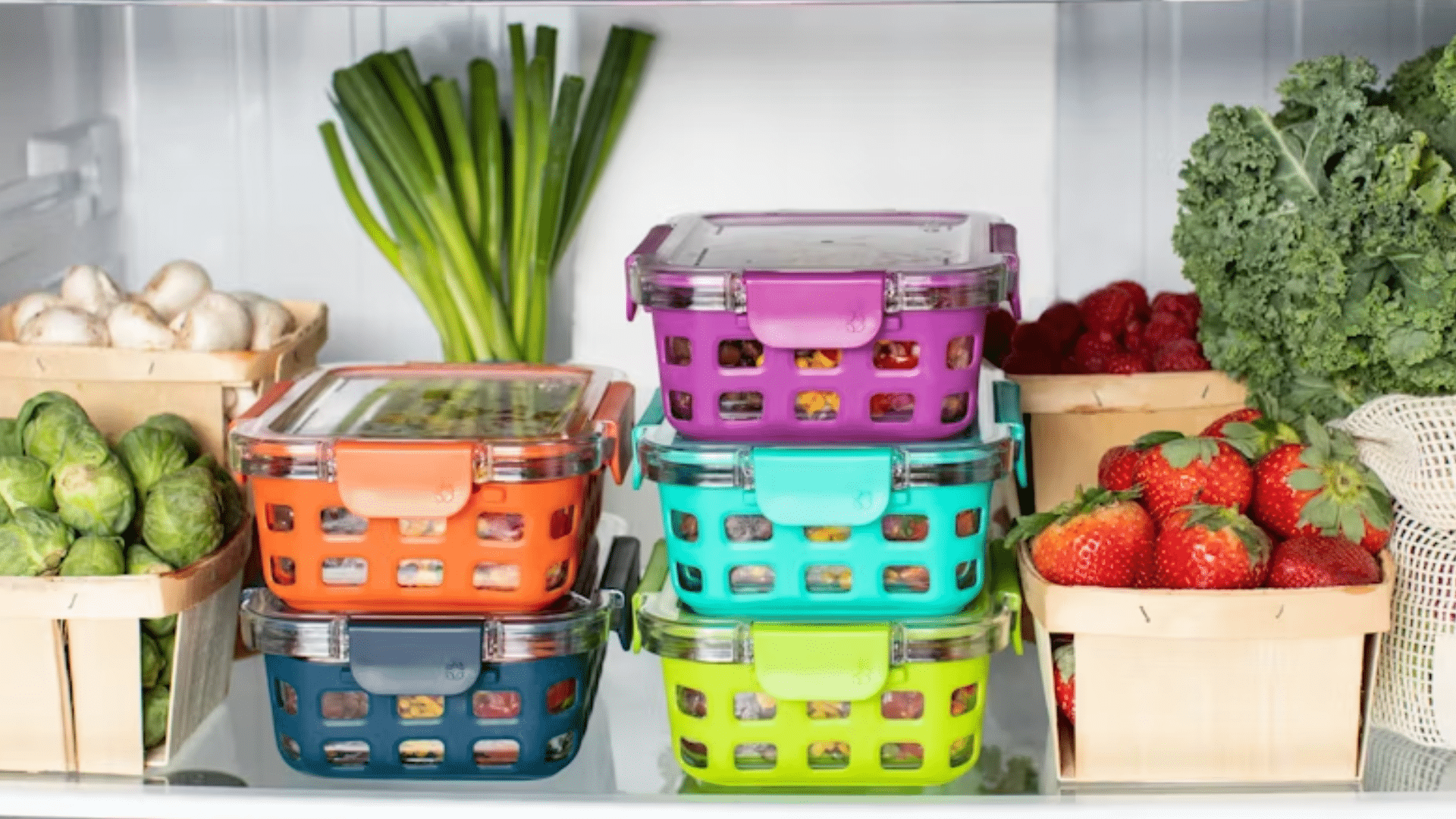
Headlines warned that Americans were blowing their paychecks on food delivery apps, but the latest Bureau of Labor Statistics data tells a different story. Americans as a whole are spending less of their budgets on food away from home than before the pandemic, and more on groceries. People under 25 have shifted the most toward cooking at home. The real story is not reckless spending. It is belt-tightening in response to grocery inflation. That is a genuine affordability concern, but a very different one than viral social media narratives suggest.
The Hidden Costs of Cheap Food
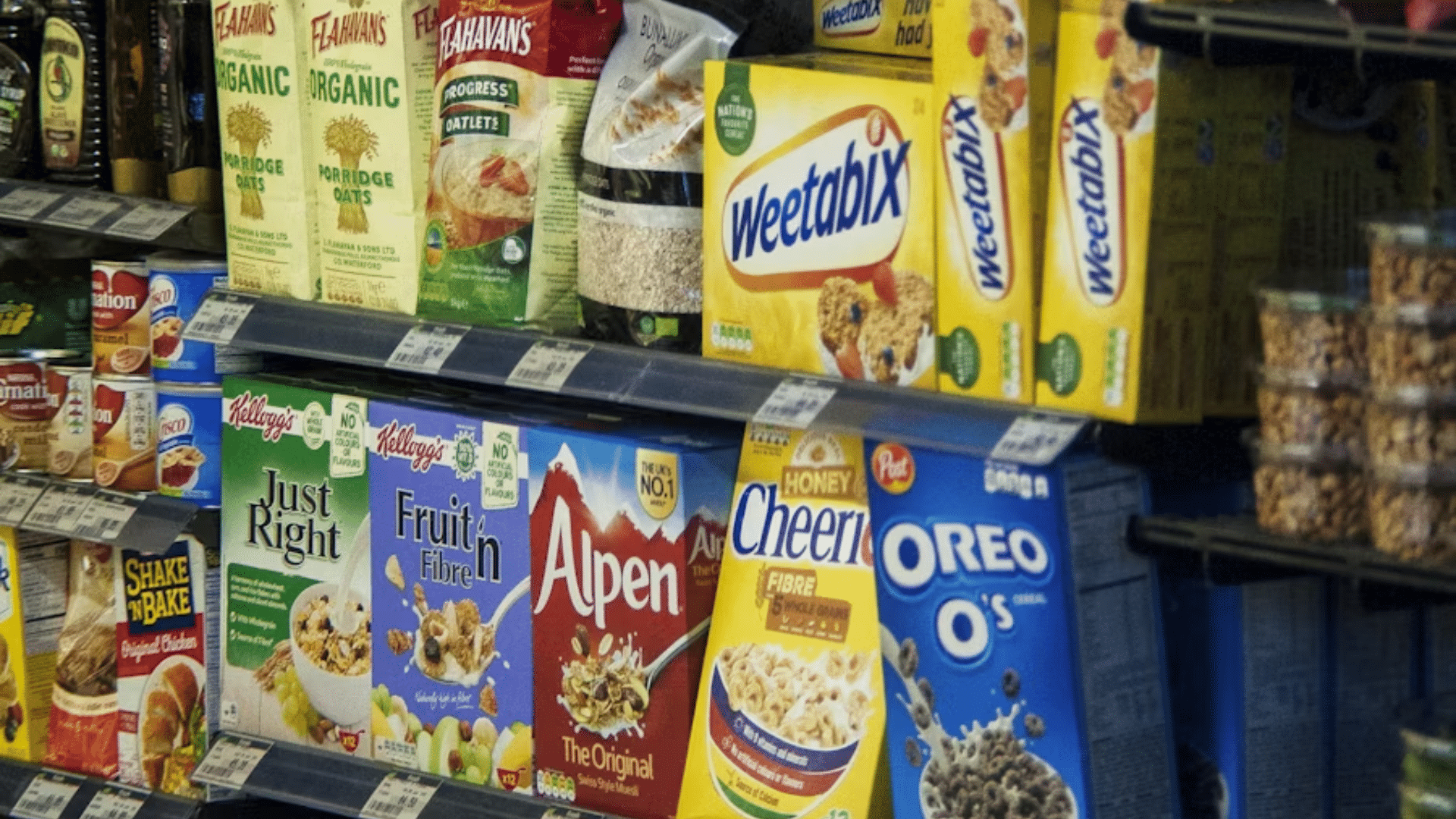
The 10.4% figure is an average, and averages hide things. The richest households spend 8.1% of income on food; the poorest spend 32.6%. That fourfold gap is Engel’s Law still at work in modern America, with programs like SNAP serving about 42 million people a month to narrow it. Beyond inequality, cheap food has been built on ultra-processed products, industrial farming’s environmental toll, including fertilizer runoff and greenhouse emissions, and animal welfare costs that never appear on the grocery receipt but are absorbed elsewhere in society.
Cheaper Food, Bigger Questions

The drop from 42% to 10% represents a genuine civilizational achievement. Feeding a family on roughly one dime of every dollar earned would have seemed impossible to Ernst Engel, poring over Belgian household budgets in 1857. But the benefits of that progress are not evenly shared, and the environmental and health costs are still being tallied. The real question now is not whether food got cheaper. It is whether the next chapter of that story can be written more fairly, and more sustainably, for everyone.