Government’s New Food Pyramid Would Raise Grocery Bills by 32% and Half of Americans Can’t Afford It


Eating healthier sounds simple—until it hits your grocery bill. A new U.S. food pyramid is shifting what “healthy” looks like. But for many Americans, following it may come with a price they cannot afford.
A New Way to Eat
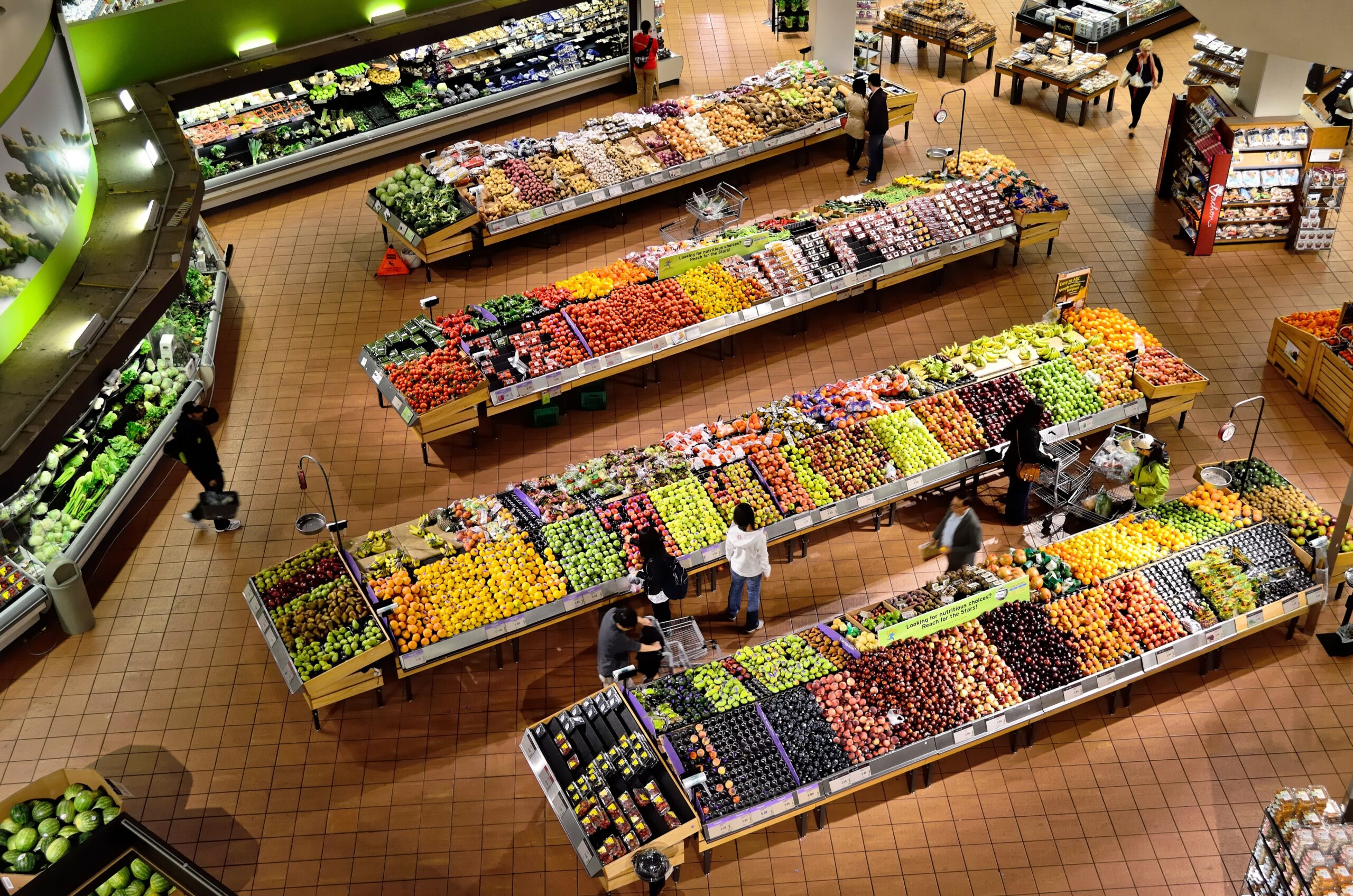
The federal government recently introduced updated dietary guidelines that rethink how Americans should build their meals. At the center of this shift is a stronger focus on whole foods, fewer processed items, and a major emphasis on protein. The goal is to improve long-term health and reduce chronic disease tied to diet. On paper, it sounds like a reset toward better nutrition.
Protein Takes the Spotlight
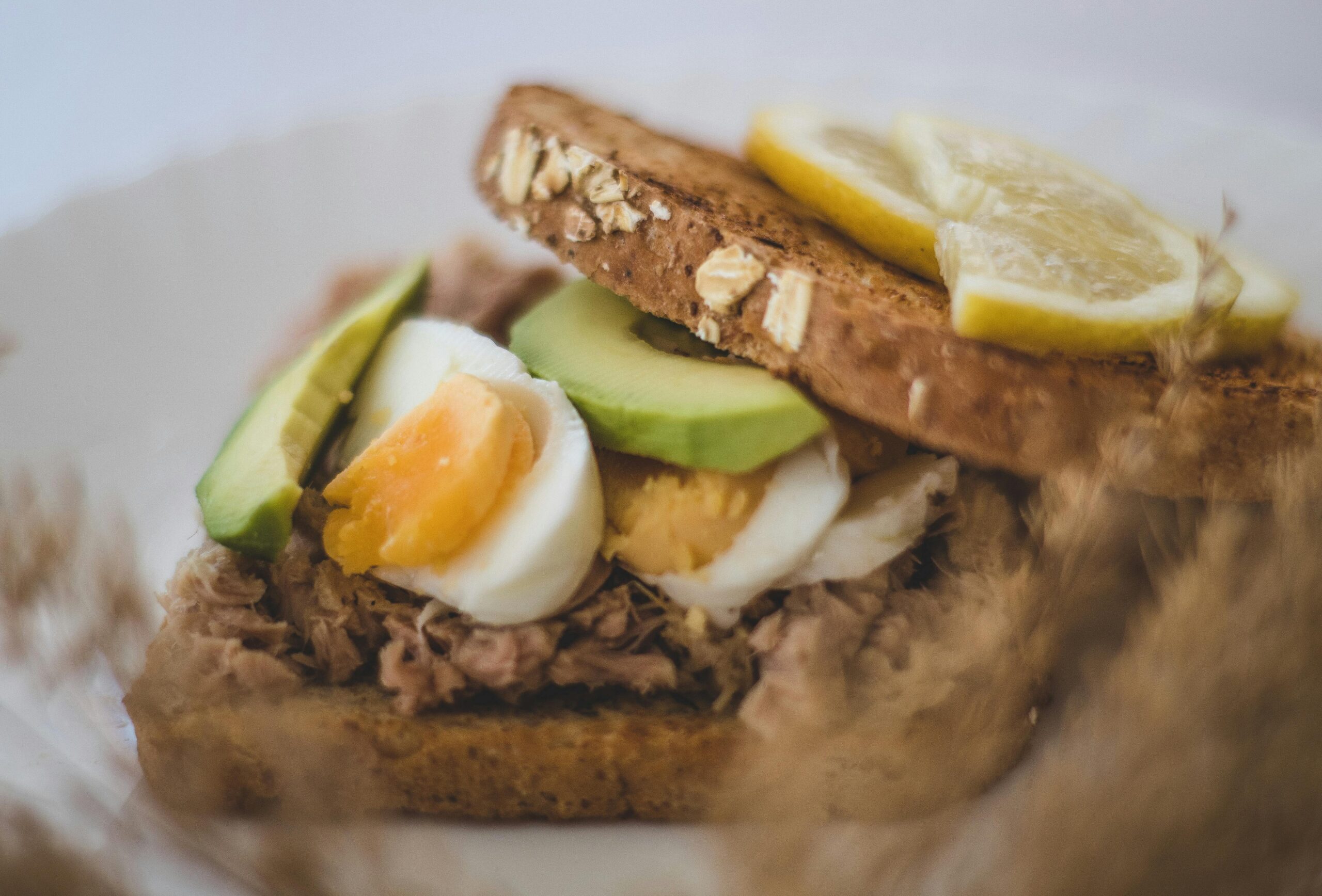
One of the biggest changes is how much importance is placed on protein. The new model encourages higher intake levels and highlights sources like meat, poultry, seafood, dairy, and also plant-based options. This marks a noticeable shift from earlier guidelines that leaned more heavily on grains and carbohydrates.
A Shift in the Pyramid Itself

The traditional food pyramid has effectively been turned upside down. Instead of grains forming the base, protein and fats now sit at the foundation, while refined carbohydrates and processed foods are pushed to the margins. It is a dramatic visual and nutritional change, signaling a new direction in how Americans are told to eat.
The Cost Problem Emerges

But there is a growing concern that goes beyond nutrition. New research suggests that following this updated diet could increase grocery bills by about 32 percent, adding over $1,000 per person each year. For many households, that is not a small adjustment. It is a barrier.
Not Everyone Can Keep Up

That price jump is already shaping behavior. Surveys show that about half of Americans say affordability is the main reason they cannot follow the new recommendations. Even people who want to eat healthier are balancing that goal against rising food costs and everyday expenses.
The Meat Factor
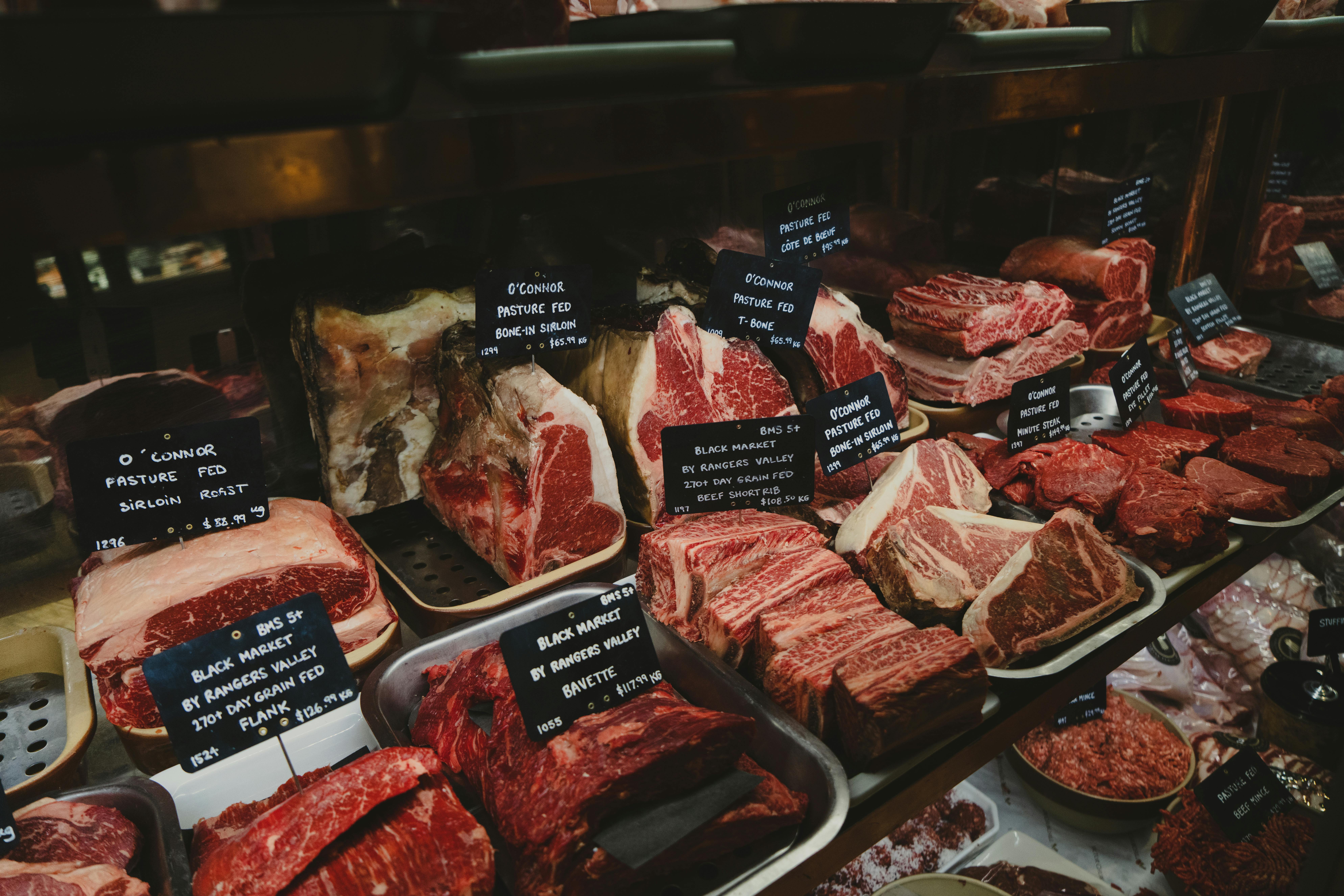
Much of the increased cost comes from one key shift: more protein, especially meat. Meat prices have already been rising, and demand continues to grow as more consumers associate protein with health. This creates a tension between nutritional guidance and financial reality, especially for larger families.
Not Everyone Agrees

The new direction has also sparked debate among experts. Some nutritionists support reducing processed foods but question the heavier focus on red meat, pointing to concerns about heart health and long-term risks. Others argue that plant-based proteins and fiber-rich foods remain under-consumed and should not be pushed aside. The science is still being interpreted in different ways.
Real Life vs Recommendations

In reality, most people do not follow dietary guidelines perfectly. Instead, they adjust gradually, trying to balance health goals with what they can afford and what fits their habits. Even with new guidance, many consumers continue mixing old routines with new intentions rather than making a complete shift. That gap between advice and reality may continue to grow.
The Real Takeaway
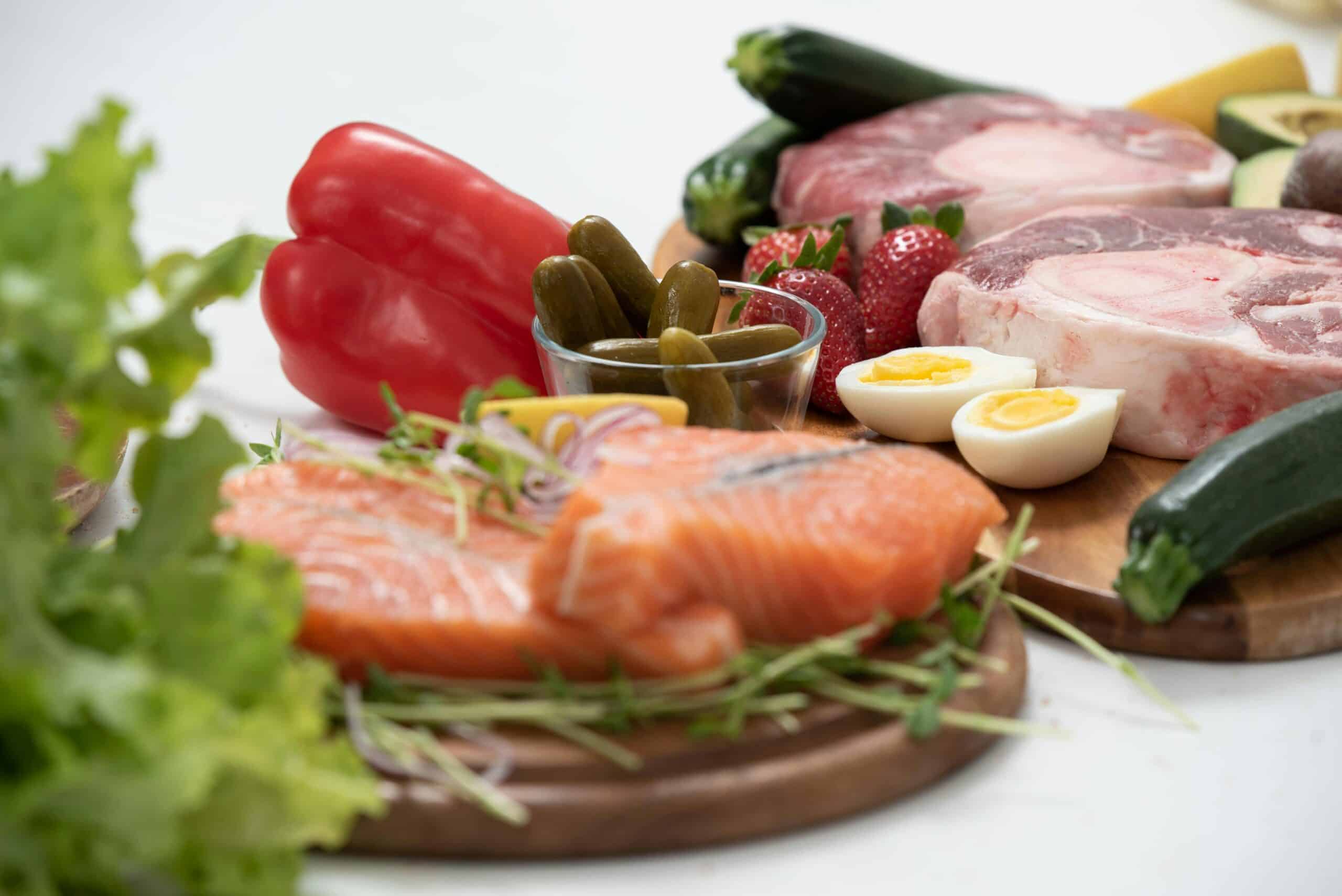
This shift is about more than food. It highlights a deeper challenge: what happens when the ideal version of a healthy diet does not match what people can realistically afford? Looking ahead, the conversation may move beyond what Americans should eat, and toward how those choices can become accessible. Because without that balance, even the most well-intentioned guidelines risk becoming something many people simply cannot follow.