Grocery Prices Are Up 26% in Five Years, and an Analyst Says Anyone Waiting for Them to Drop Is Going to Be Disappointed
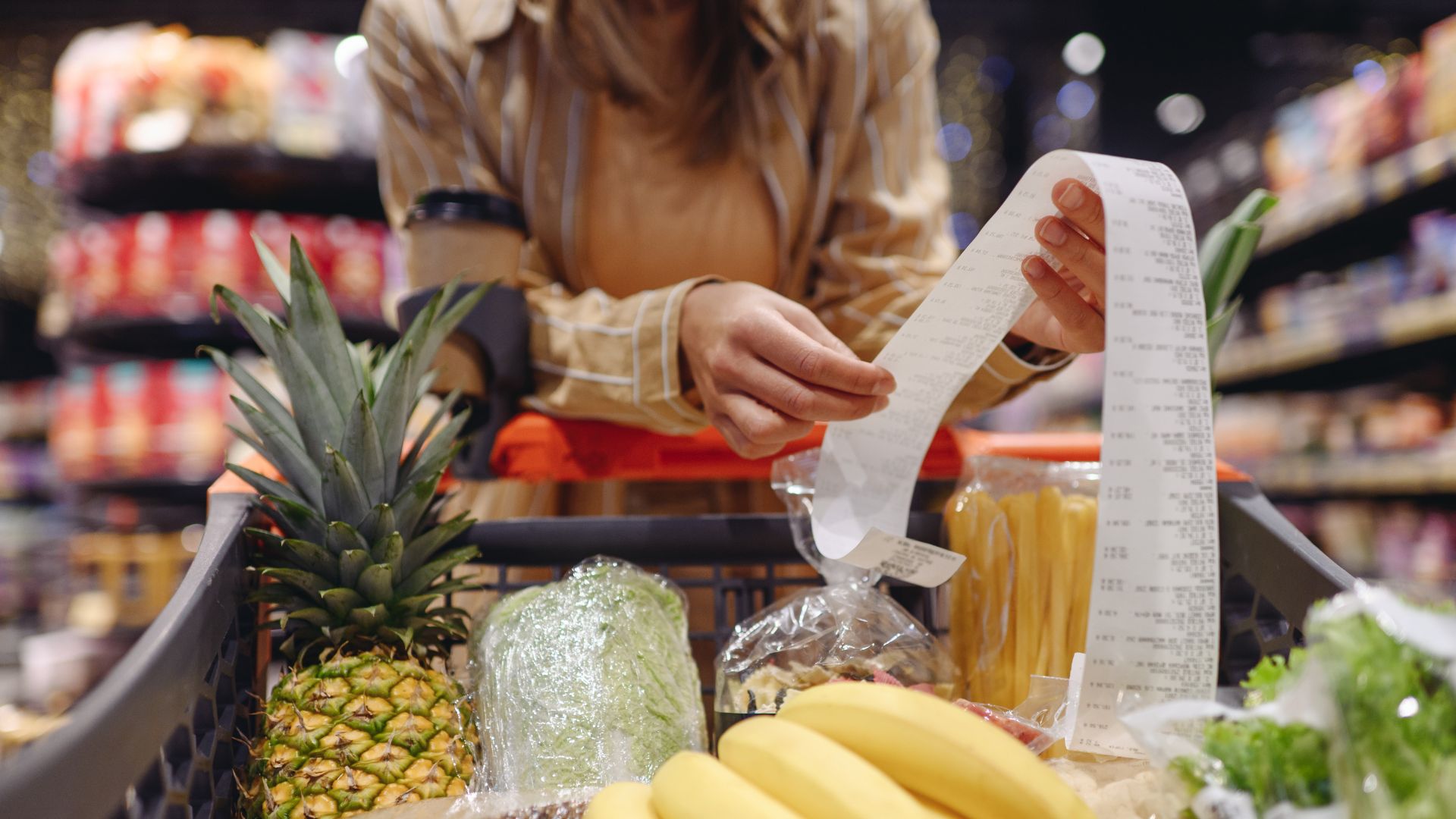

Federal data confirms what shoppers have been feeling every time they load up a cart. The latest numbers show “food at home” prices climbed 2.4% over the past year, and the five-year picture is even sharper. According to Ted Rossman, a senior industry analyst at Bankrate, grocery prices have risen roughly 26% since 2019 — meaning a cart that once cost $200 now runs closer to $252.
Behind that 26% are years of layered pressures: supply chain disruptions, extreme weather events, disease outbreaks affecting livestock, and, more recently, federal tariffs still working their way through to retail shelves. The result is a grocery bill that has grown significantly, even for shoppers who haven’t changed what they buy.
Shoppers at a West Palm Beach, Florida, grocery store told WPTV they were not caught off guard. “I’ve noticed that the prices are, in general, higher,” one shopper said. A second shopper was resigned: “There’s nothing you can do, pretty much go with the flow.” Their frustration reflects something the data has been showing for months — price relief at the checkout line is not on the near-term horizon.
The Items Driving the Biggest Price Jumps
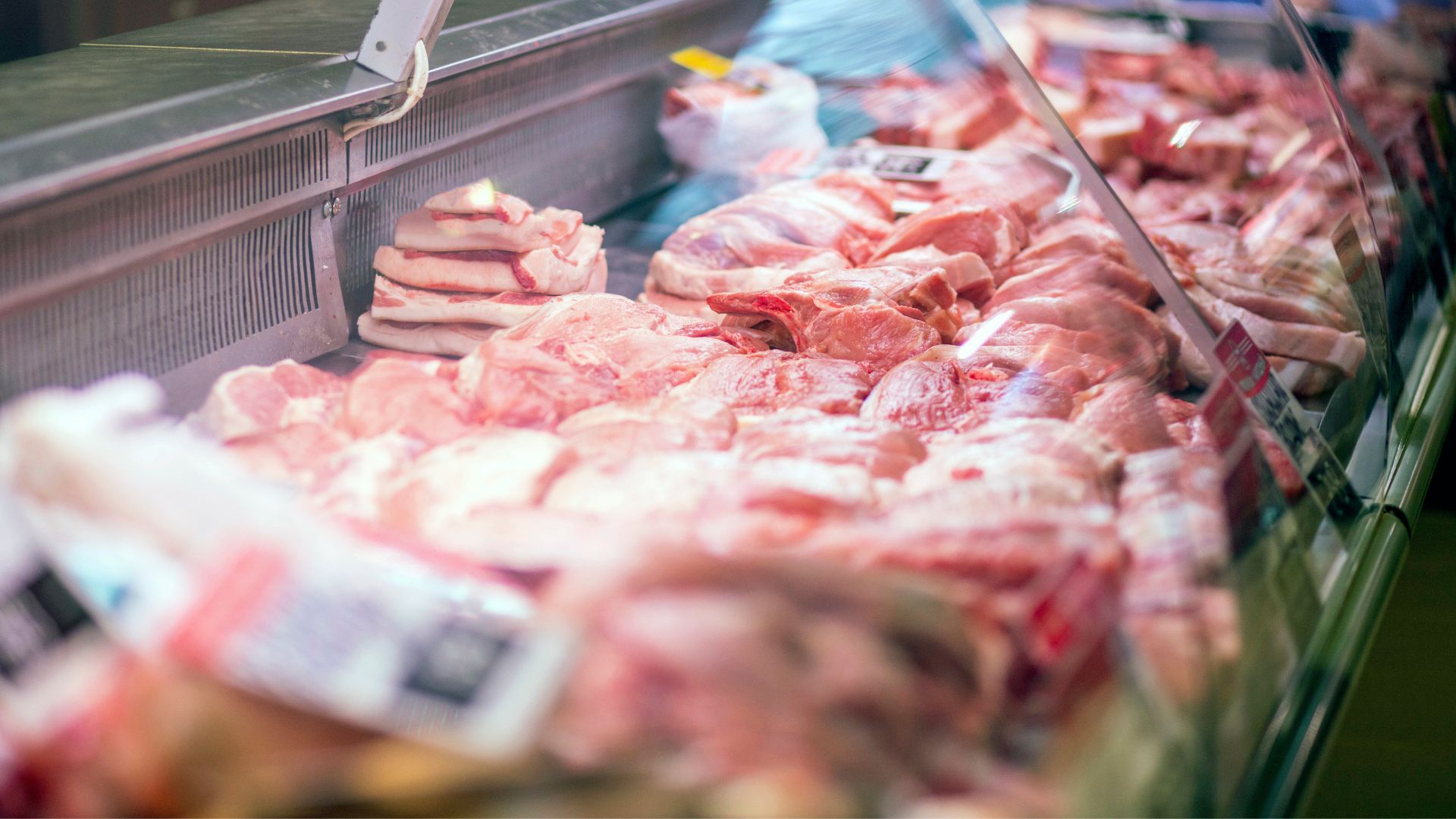
Two categories are leading the charge in the current inflation cycle: beef and coffee, up roughly 15% and 18% respectively over the past 12 months, according to Bureau of Labor Statistics data. The beef increase is tied to a U.S. cattle supply that has dropped to its lowest level in decades, while coffee prices climbed on the back of extreme weather in major growing regions, including Vietnam and Brazil.
Eggs, by contrast, offer a rare bright spot. After soaring prices tied to bird flu outbreaks that began in 2022, egg costs have pulled back 28% compared to a year ago, according to Bureau of Labor Statistics data. The cattle supply shortage driving beef prices has been building for years, and the weather conditions crimping major coffee-growing regions have not stabilized.
Tariffs are also a significant piece of the picture. Joe Seydl, a senior markets economist at J.P. Morgan Private Bank, said that without the tariff increases introduced in 2025, U.S. inflation would likely have returned to its long-term target by now. The average effective tariff rate currently sits at 10.5%, the highest since 1943, according to a March 2026 analysis by the Yale University Budget Lab — and economists say households are still absorbing those costs.
Why Prices Are Not Going Back to Where They Were
Rossman, the Bankrate analyst, has a clear message for anyone waiting for grocery prices to return to 2019 levels: they won’t. “Unfortunately, as we know, inflation doesn’t work that way,” he told WPTV. “Prices are still growing, more slowly but still growing.” The mechanics of inflation mean that even when price increases slow, the higher baseline remains.
Mark Zandi, chief economist at Moody’s, described the current inflation environment as “uncomfortably and persistently high,” with particular strain on necessities including food, electricity, apparel, and housing. He also noted that the February 2026 Consumer Price Index report, which showed inflation holding at 2.4% year-over-year, may actually undercount real price growth. A federal government shutdown from October 1 to November 12, 2025, prevented statisticians from collecting standard inflation data, leading the BLS to assume no price changes occurred in October. Accounting for that gap, Zandi put the real inflation figure closer to 2.7%.
A new variable is now adding uncertainty to an already strained outlook. The U.S.-Israel military strikes on Iran beginning February 28, 2026, disrupted oil supply through the Persian Gulf, a corridor economists say has never seen a supply shock of this scale. Brent crude briefly reached $119.50 per barrel before settling near $90. More expensive diesel raises transportation costs for food distributors, which can filter into grocery prices. Fertilizer costs, which depend heavily on natural gas, face additional pressure, according to Stephen Brown and Thomas Ryan, North America economists at Capital Economics.
What Shoppers Can Do While the Pressure Holds

Analysts broadly expect food costs to keep climbing through 2026, with no meaningful relief on the near-term horizon. Zippy Duvall, president of the American Farm Bureau Federation, warned in a letter to President Trump in March 2026 that disruptions to fertilizer supply could threaten U.S. crop yields — a development he described as a risk to both food security and national security, with potential inflationary consequences across the broader economy.
In the meantime, Rossman offered practical advice for shoppers trying to manage the gap. He recommended building a consistent grocery list, tracking which stores offer better prices on specific categories, and staying flexible about where to shop. “Maybe it’s a hassle to drive around to different stores,” he told WPTV, “maybe you see patterns emerge like produce is cheaper at one place or meat is cheaper at another.” That kind of comparison shopping, he said, is one of the more reliable tools available to households right now.
The Federal Reserve, which targets a long-term inflation rate of 2%, has kept interest rates unchanged as it weighs the compounding pressures of tariffs, the Iran conflict, and persistent food and energy costs. Zandi said he expects the Fed to hold its position given the current uncertainty. The consensus among economists points to continued pressure through 2026, with no single factor expected to ease quickly enough to bring grocery costs down meaningfully.

