Grocery Pricing Rules Are Changing for Millions of Americans
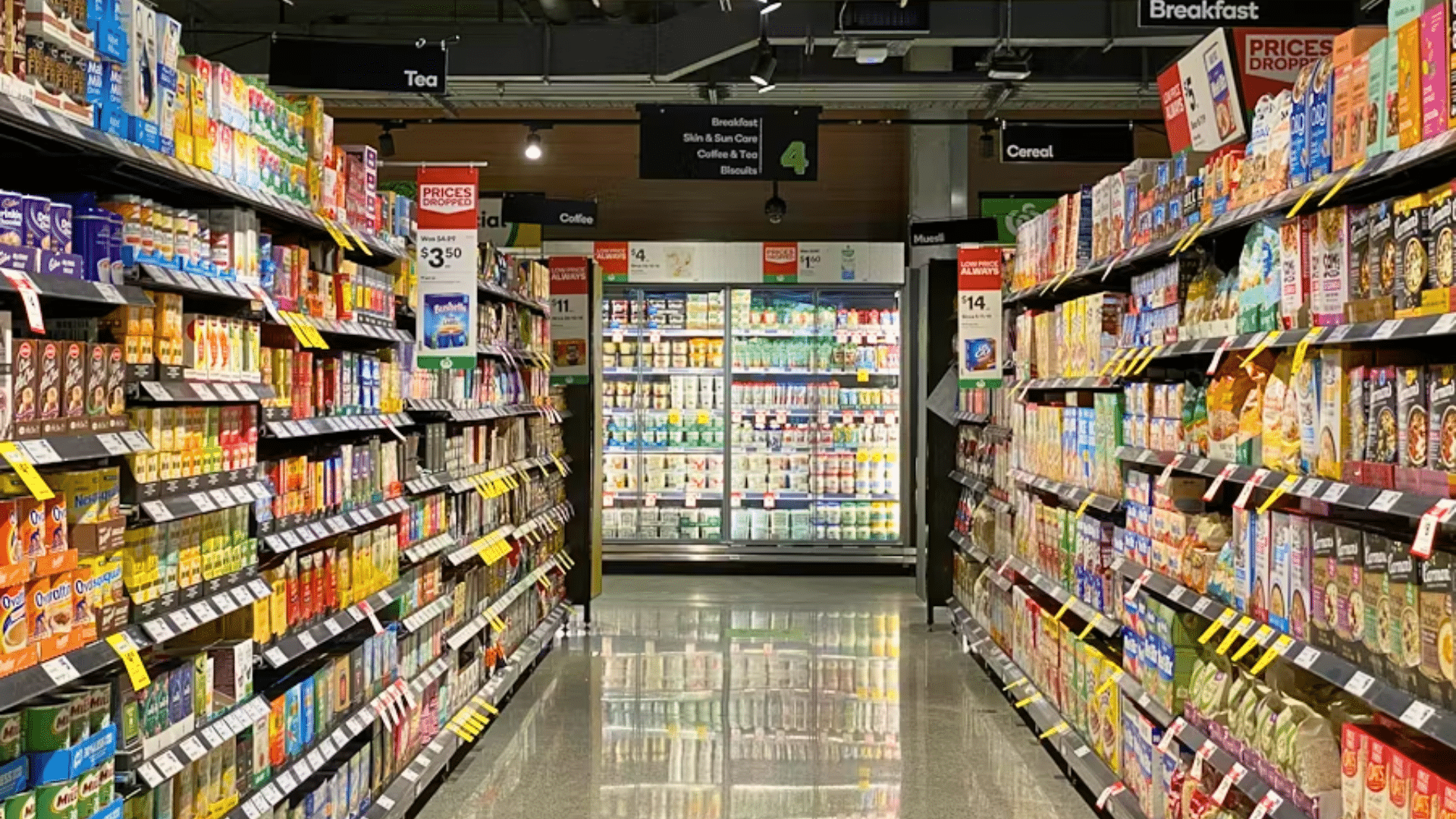

Most grocery shoppers assume the price on the shelf is the price for everyone. That assumption is increasingly wrong. A practice called surveillance pricing, where retailers use your personal data, location, browsing behavior, and purchase history to charge you a different price than the person standing next to you, has been quietly spreading through the retail industry. Maryland is now on the verge of becoming the first state in the country to ban it, and the ripple effects are already reaching legislatures in five other states.
Maryland’s Protection From Predatory Pricing Act passed through the state legislature and is heading to Democratic Governor Wes Moore’s desk, where he has confirmed he will sign it into law. The bill targets a specific and growing practice: retailers using real-time predictive technology to adjust individual prices based on collected consumer data. Moore made his reasoning clear when the bill was first introduced in January. “At a time when Marylanders are already stretched by the rising cost of groceries, housing, and everyday necessities,” he said, “we must ensure that new technologies are not used to drive up the bill for working families.”
The timing matters. The arrival of digital shelf labels, electronic price displays that can be updated in seconds from a central system, has given retailers a technical capability that consumer advocates say makes surveillance pricing faster, harder to detect, and easier to scale. Maryland’s law is a direct response to that technology. Governor Moore specifically cited the growing use of digital shelf labels and predictive pricing systems as the practical context behind the legislation. But whether the law represents a genuine turning point or a partial measure with significant gaps depends on which part of the bill you read most carefully.
What Surveillance Pricing Actually Is and How Retailers Use Your Data to Set Your Price
Surveillance pricing goes by several names: dynamic pricing, personalized pricing, or demand-based pricing. The mechanics are consistent across all of them. Retailers collect data about individual shoppers through loyalty programs, store apps, purchase histories, and digital behavior. They then use that information to estimate how much a specific customer is willing to pay for a specific item at a specific moment and set the price accordingly. Two shoppers buying the same product in the same store can pay different amounts without either of them knowing.
The practice targets everyday essentials in a way that makes it particularly difficult for consumers to push back. Food purchases are non-discretionary. Shoppers cannot simply delay buying groceries the way they might postpone a clothing purchase when prices feel high. When the pricing algorithm determines that a specific shopper’s data profile justifies a higher price for a staple item, that shopper has limited options beyond paying it, switching stores, or remaining unaware the differential exists at all. The Protection From Predatory Pricing Act is designed to close that gap specifically at the grocery level, where the stakes of individualized pricing are highest for working families.
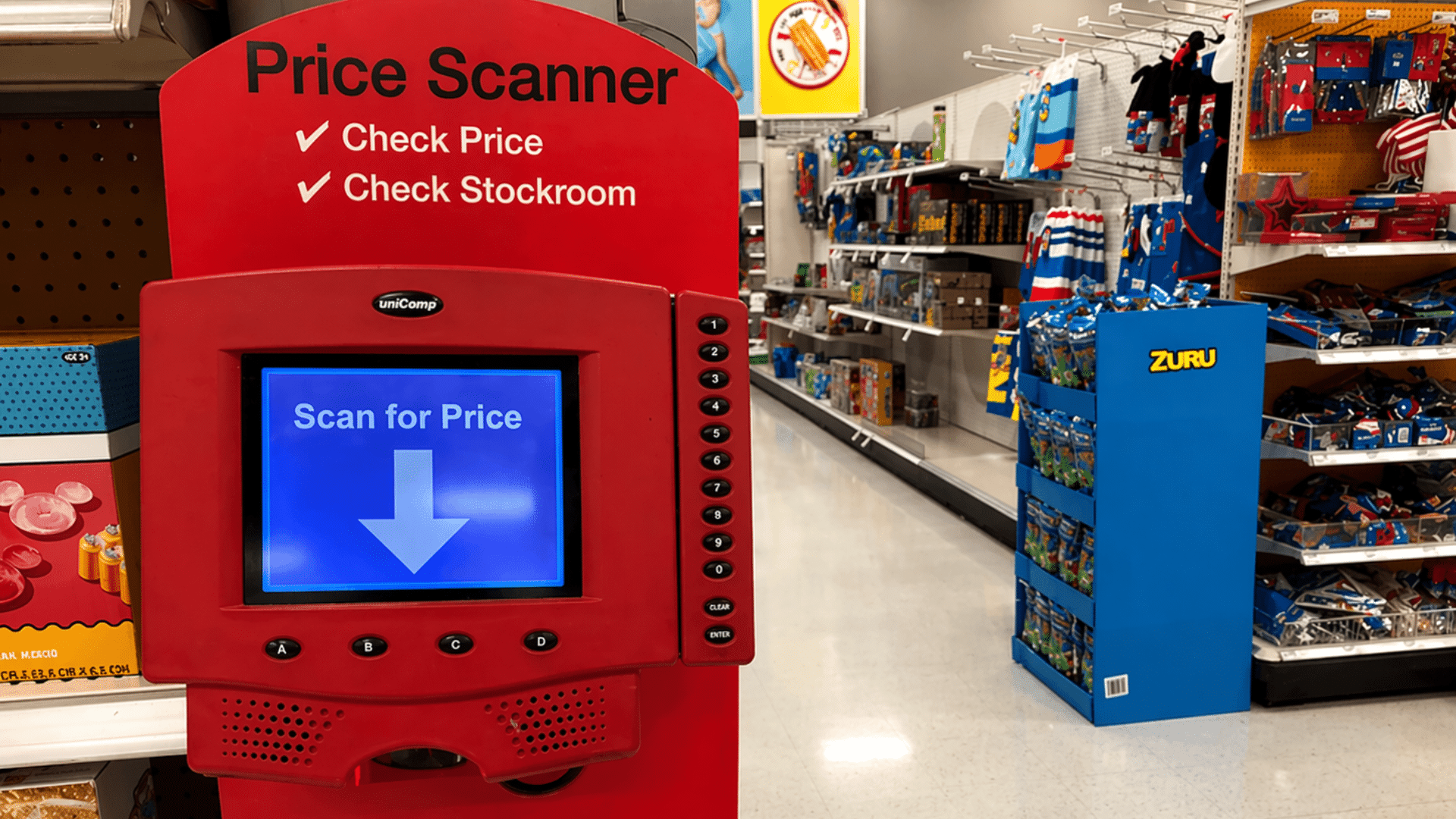
Digital shelf labels are the infrastructure that makes surveillance pricing scalable in physical stores. Unlike traditional paper price tags that require manual replacement, electronic shelf labels can be updated across an entire store in minutes from a central system. Retailers have framed them as an efficiency tool for correcting pricing errors and managing promotions. Critics argue they are also the mechanism that makes real-time individualized pricing possible in a brick-and-mortar environment, removing the last practical barrier between online dynamic pricing and the neighborhood grocery store. Maryland’s law was written specifically with that technology in mind.
What the Law Does and the Loopholes That Consumer Advocates Say Weaken It
The Protection From Predatory Pricing Act prohibits large retailers from using consumers’ personal data to change prices in real time for individual customers. In practice, a store operating under this law could no longer use what you have purchased before, where you live, or how often you shop to charge you more than someone with a different data profile. Traditional sales, promotions, and standard loyalty program discounts are explicitly preserved. The law targets individualized algorithmic pricing, not generalized promotional pricing that applies equally to all customers.
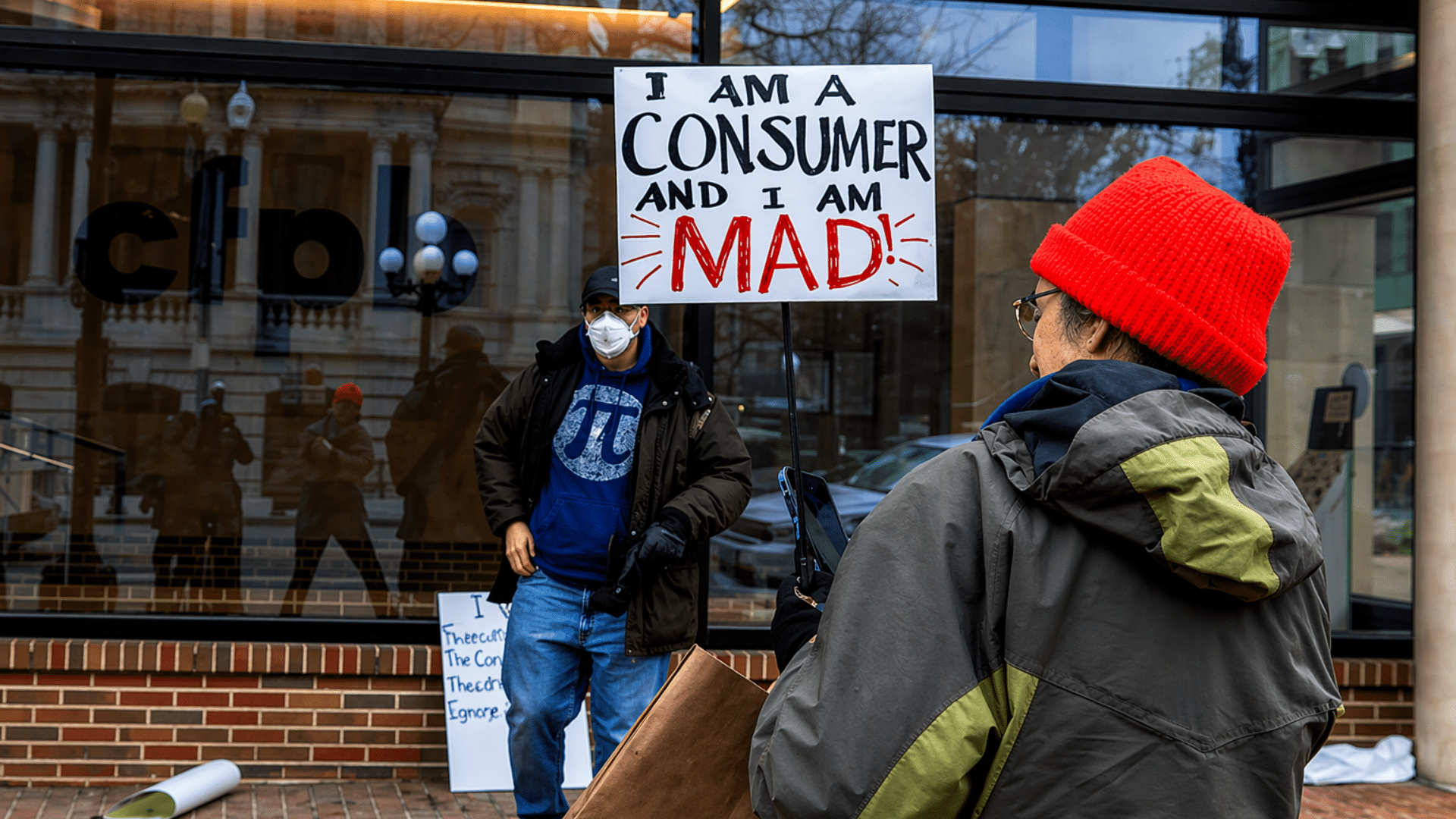
Consumer Reports supported the bill’s passage but issued a statement on April 15 making clear that the final version fell short of what full consumer protection requires. “This bill has loopholes that will limit its real-world impact,” the organization said. The specific concern centers on loyalty program exemptions. Under the law as written, retailers can still adjust prices within loyalty program frameworks, which could result in loyalty prices becoming more expensive than standard shelf prices in practice, turning a program designed to reward regular shoppers into a system that extracts more from them based on their behavioral data.
The exemption problem is not a minor technical detail. Loyalty programs are the primary mechanism through which grocery chains collect the behavioral data that makes surveillance pricing possible in the first place. A law that bans individualized pricing while preserving the data collection infrastructure and allowing price manipulation within loyalty systems is, according to Consumer Reports, a law with a significant gap between its stated purpose and its real-world effect. The organization has urged other states considering similar legislation to write stronger, loophole-free versions before the industry adapts to the exemptions Maryland’s bill contains.
Five States Are Watching and the Grocery Industry’s Next Few Years May Look Very Different
Maryland’s law is not the end of this story. It is the first chapter in what consumer advocates and state legislators are describing as a broader national shift in how retail pricing technology gets regulated. According to reporting by the Good News Network, California, New York, Illinois, Colorado, and New Jersey are all considering their own versions of surveillance pricing bans or restrictions. Each of those states represents a major retail market, and coordinated legislation across several of them would create significant pressure on how grocery chains operate at a national level.
For the average grocery shopper, Maryland’s law represents something concrete even in its imperfect form: the first acknowledgment by a state government that the price on the shelf may not be the same price your neighbor sees, and that using personal data to make that happen without disclosure is a practice worth regulating. Consumer Reports has been clear that the loyalty program exemption leaves a gap large enough to undermine the law’s core intent. Whether other states close that gap when writing their own versions will determine whether Maryland’s bill becomes a meaningful template or a cautionary example of well-intentioned legislation that the industry learned to work around.
The broader question Maryland’s law raises is one that federal regulators have not yet answered definitively: who owns the pricing relationship between a retailer and a customer, and how much of that relationship can be driven by data the shopper never agreed to share for that purpose. State-level action is filling that vacuum one legislature at a time. The five states currently considering similar bills will be watching what happens when Maryland’s law meets the reality of a grocery industry that has spent years and significant capital building exactly the kind of infrastructure this legislation was written to constrain.