Hundreds of Workers Were Pushed to the Brink by ‘Clopening’ Shifts: Fast-Food Giants to Pay $1.5M Penalty
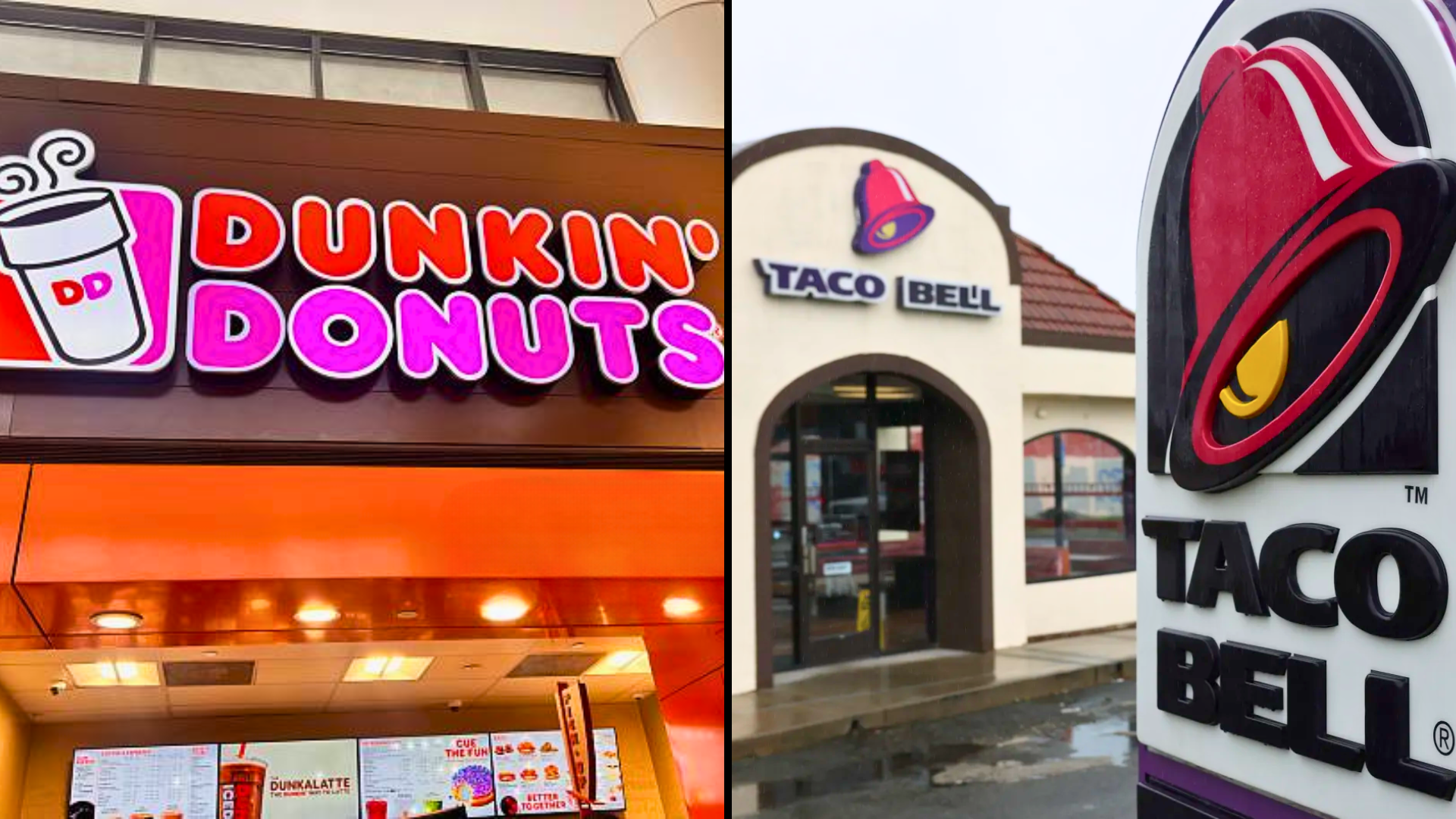

A New York City fast-food operator is facing a massive financial reckoning after regulators uncovered systematic scheduling abuses that impacted hundreds of hourly employees. Salz Management LLC, a franchisee overseeing approximately two dozen Taco Bell and Dunkin’ locations, has agreed to pay more than $1.5 million to resolve allegations of violating the city’s Fair Workweek Law. The settlement follows an investigation by the Department of Consumer and Worker Protection (DCWP) which found that workers were routinely denied the stability promised by local labor protections.
The core of the investigation centered on clopening shifts, a grueling practice where an employee is required to close a store late at night and return just a few hours later to open it at dawn. Under the city’s 2017 mandate, employers must provide premium pay for these back-to-back shifts to compensate for the physical and mental toll they take on workers. However, officials stated that the franchisee consistently skipped these required payments, effectively pushing staff to their breaking point for no extra reward.
City leadership stressed that these violations were widespread and intentional, rather than isolated clerical errors. Beyond the clopening issues, the operator failed to provide the mandatory 14-day advance notice for work schedules, leaving employees unable to plan their lives or predict their monthly income. This $1.5 million penalty serves as a stark warning to the fast-food industry that unpredictable scheduling will no longer be tolerated as a cost of doing business.
The High Cost of “Clopening” and Scheduling Chaos

The Fair Workweek Law was enacted specifically to end the just-in-time scheduling practices that have long plagued low-wage industries. By requiring 14 days’ notice and extra pay for last-minute changes, the law aims to provide stability for workers whose routines are often at the mercy of a manager’s whim. In the case of the Taco Bell and Dunkin’ locations, investigators found that managers routinely ignored these rules, forcing staff to adapt to chaotic shifts without the legally required premium pay.
The investigation also revealed a failure to offer available shifts to existing employees before hiring new staff. This practice often leaves current workers struggling to get enough hours to survive while the company brings in new hires to avoid paying overtime or benefits. By bypassing their own veterans, the franchisee further destabilized the financial lives of hundreds of families who relied on those extra hours.
The $1.5 million settlement is not just a fine; it is a direct reimbursement for the stolen time and stability of the affected workforce. DCWP officials emphasized that clopening without proper compensation is a direct violation of a worker’s right to rest and fair pay. As these funds are distributed, the city hopes to send a clear message: the health and well-being of the workforce cannot be sacrificed for the sake of a 24-hour service model.
A Growing Wave of Fast-Food Labor Enforcement

The action against Salz Management is part of a much larger push by New York City to crack down on labor violations within the fast-food sector. Even as this $1.5 million case concludes, a separate lawsuit has been filed against another major Dunkin’ operator involving similar allegations. That case reportedly affects nearly 1,000 additional workers, suggesting that the clopening epidemic may be more pervasive than previously thought.
These enforcement efforts highlight a significant shift in how city governments approach the gig and fast-food economies. No longer content to wait for individual complaints, departments like the DCWP are actively auditing franchisees to ensure compliance with the Fair Workweek Law. The goal is to create a level playing field where companies that follow the law aren’t undercut by those that exploit their workers to save on labor costs.
For the workers at these Taco Bell and Dunkin’ locations, the settlement represents a hard-won victory for their rights. Many reported that the lack of notice made it impossible to secure childcare, attend school, or hold second jobs. By enforcing the 14-day notice requirement, the city is attempting to restore a sense of dignity and predictability to the lives of those who keep the city’s service industry running.
Restoring Stability to the Hourly Workforce
The $1.5 million penalty is a milestone in the ongoing battle for fair work standards in the United States. As other cities look to New York’s Fair Workweek Law as a model, the success of this investigation proves that large-scale franchisees can be held accountable for their scheduling habits. The settlement ensures that hundreds of workers will finally receive the premium pay they were denied for those grueling early-morning returns.
While the franchisee has agreed to pay the fine, the long-term impact will be measured by whether these locations actually change their culture. Regulators will continue to monitor the stores to ensure that clopening shifts are accompanied by the proper pay and that advance notice becomes the new standard. The settlement is a reminder that while fast food may be fast, the laws protecting the people who make it are built to last.
This case is about the value of a worker’s time. When a manager tells a worker to clock out at midnight and return at 5 a.m., they are claiming more than just five hours of labor, they are claiming that worker’s health and stability. With $1.5 million now on the line, the clopening era in New York may finally be reaching its end, one store at a time.

