In-N-Out CEO Rejects Online Ordering, Says It Would ‘Hurt’ Food and Service Quality
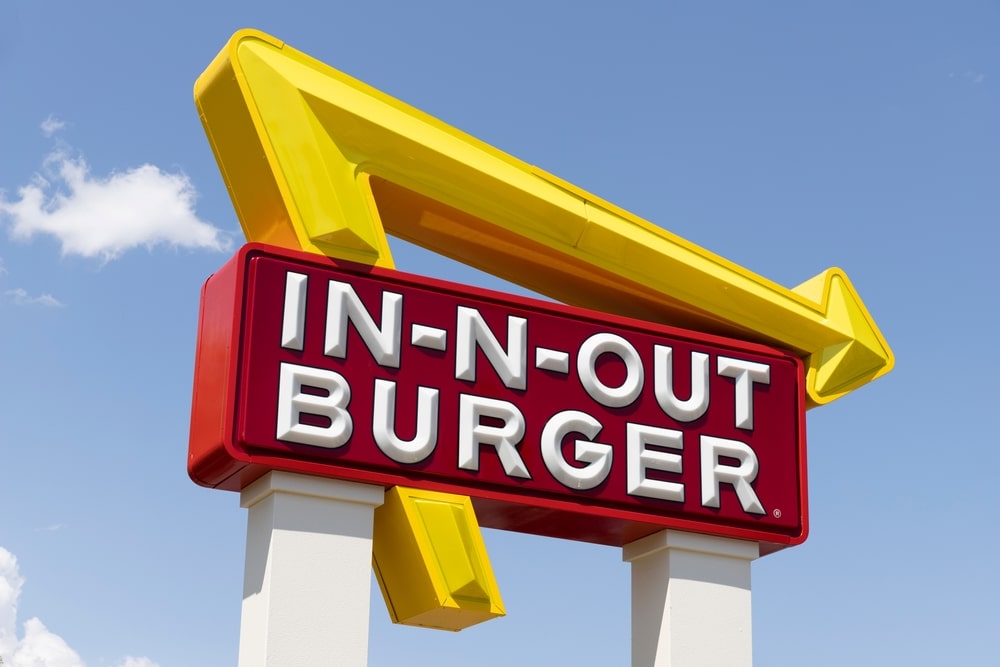

In an era where fast food chains are racing to embrace apps, delivery, and automation, In-N-Out is taking a markedly different stance. The California-based burger chain has made it clear it has no plans to introduce online ordering, mobile apps, or delivery services—decisions that set it apart from much of the industry.
Owner and president Lynsi Snyder-Ellingson reiterated this position during a recent public appearance, where she was asked about the possibility of adopting digital ordering. Her answer was unequivocal: “The answer is no.”
Rather than chasing convenience, the California-based In-N-Out appears focused on preserving what it sees as its core identity. The company, founded in 1948, has long resisted trends that other chains have eagerly adopted, from complex menus to large-scale automation.
Why In-N-Out Says It Won’t Change
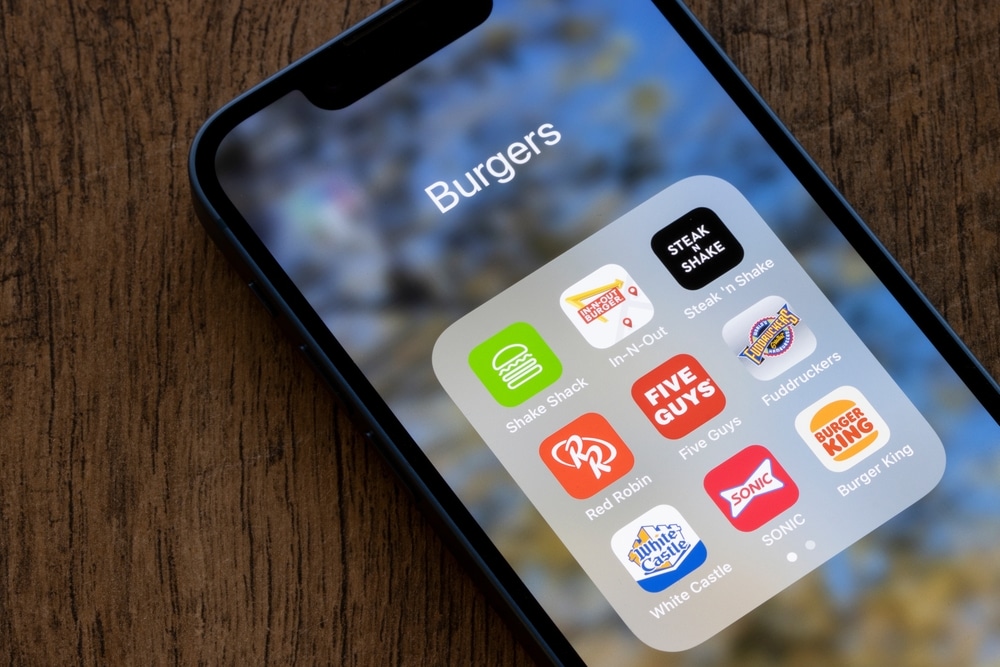
At the heart of the decision is the company’s emphasis on in-person service. Snyder-Ellingson has argued that digital ordering would undermine the human element that defines the In-N-Out experience, something she believes cannot be replicated through an app or automated system.
She pointed to the small but meaningful interactions between employees and customers—the greetings, smiles, and overall atmosphere—as central to the brand’s appeal. Introducing mobile ordering, she said, would “take a piece of that away,” weakening the sense of connection that has become synonymous with the chain.
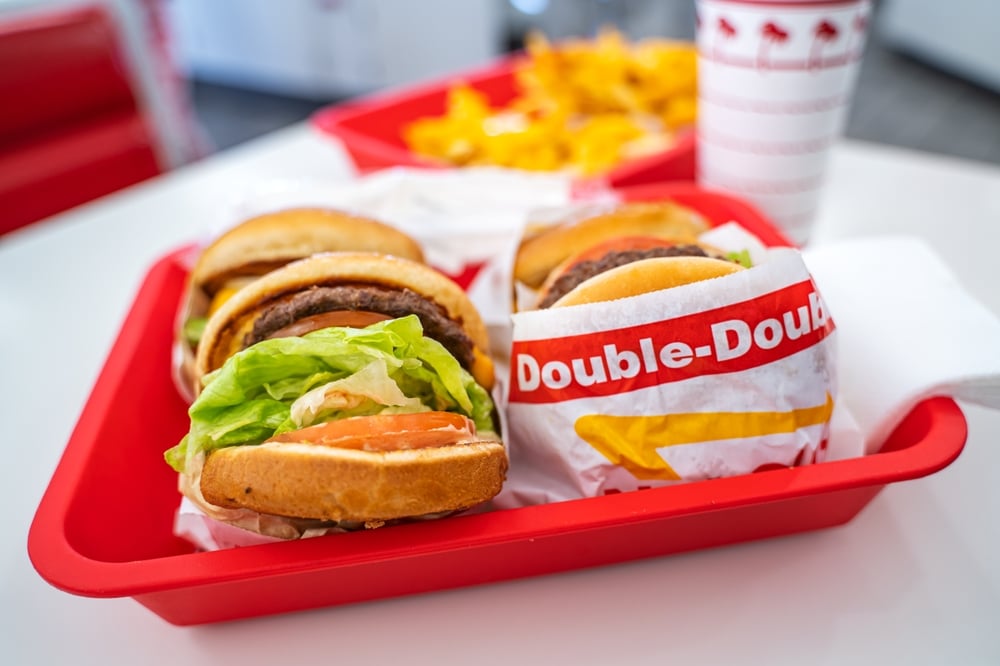
Freshness is another key factor. In-N-Out has built its reputation on made-to-order food with no freezing, a process that leadership believes could be compromised by the timing and logistics of app-based ordering or delivery. For a company that prides itself on quality control, maintaining that standard outweighs the potential gains of speed and convenience.
A Strategy Built on Consistency and Control
Industry observers suggest that the In-N-Out branch’s resistance to digital expansion is less about reluctance and more about strategy. By limiting convenience options, the brand maintains a level of control over its product and customer experience that many competitors have sacrificed in pursuit of scale.
Public relations strategist Amore Philip described the approach as “intentional,” noting that brands with strong followings do not need to be everywhere or offer every service. Instead, they create demand through consistency and scarcity, turning each visit into a destination rather than a routine transaction.
There is also a psychological dimension at play. Experts say the act of going to In-N-Out—waiting in line, ordering in person, and receiving food fresh from the counter—has become part of the brand’s appeal. That ritual, they argue, fosters a deeper connection with customers, making the experience feel more meaningful than a quick tap on a phone screen.
Holding the Line in a Changing Industry
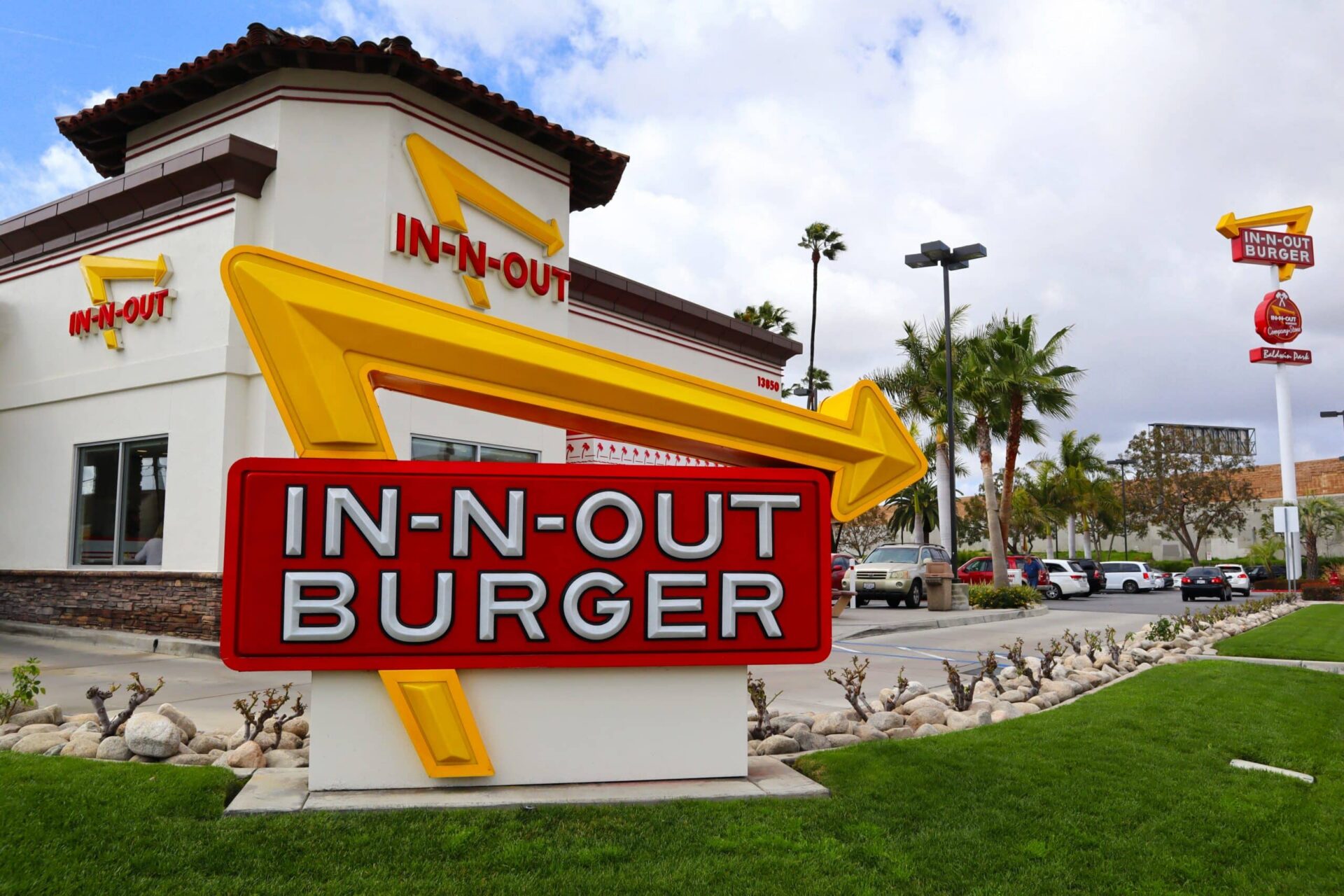
In-N-Out’s stance comes as the fast food industry continues to evolve rapidly, with competitors investing heavily in digital infrastructure and delivery networks. Yet the company has shown little interest in following that path, even as it gradually expands into new states.
The CEO has emphasized that growth will not come at the expense of the brand’s core principles. The company has already resisted other opportunities for expansion, including a broader move into the East Coast, citing concerns over maintaining quality and consistency.
That commitment to tradition has earned both admiration and skepticism. While some see the refusal to modernize as a risk, others view it as a defining strength in an increasingly homogenized market. For now, In-N-Out appears content to remain an outlier, betting that its focus on experience, quality, and human connection will continue to resonate, even in a digital-first world.