Internet Erupts Over Starbucks CEO Calling $9 Coffee an “Affordable Premium Experience”
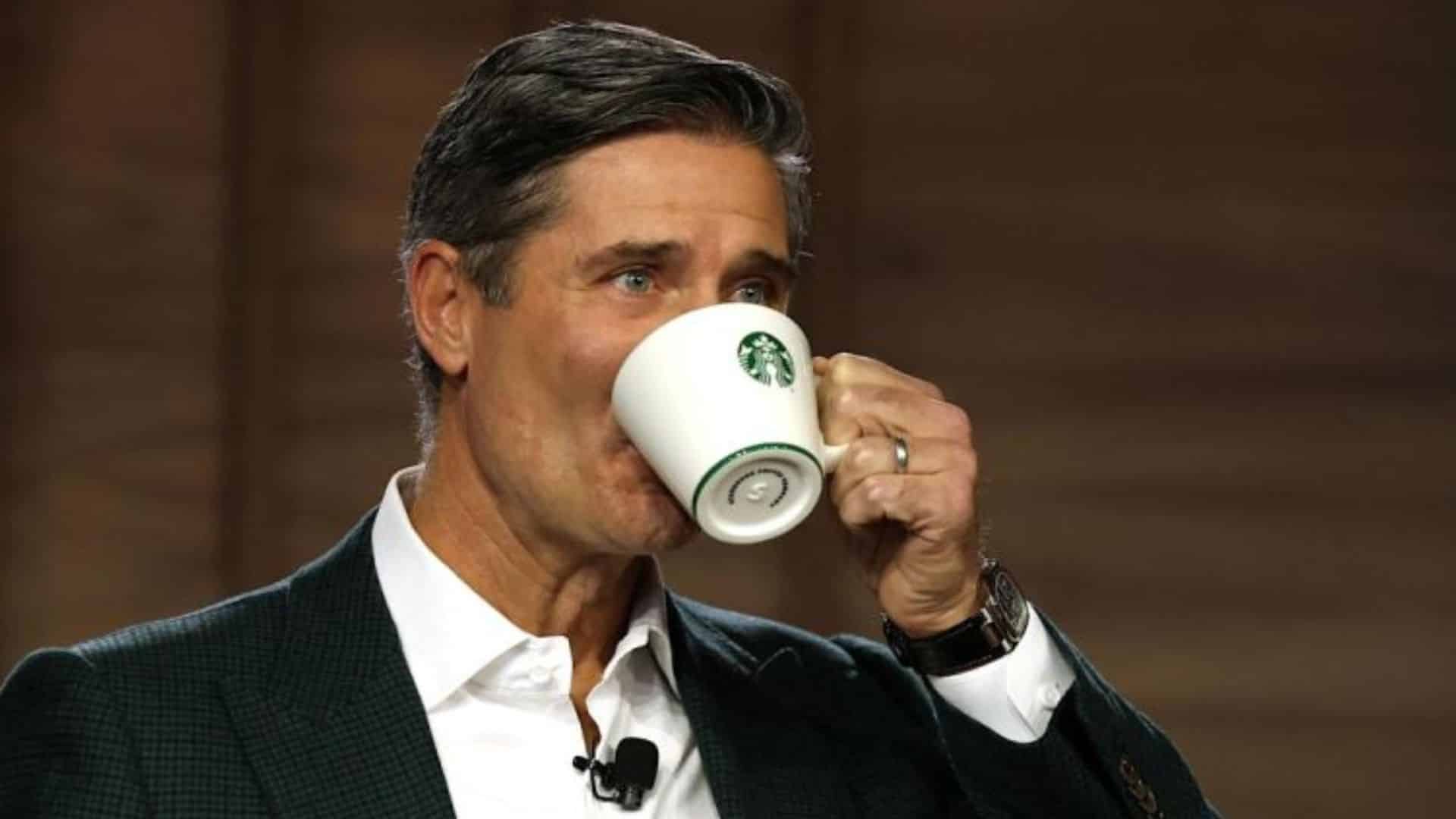

A single podcast appearance by a corporate CEO has become the most talked-about moment in coffee since someone put oat milk on the menu. Starbucks CEO Brian Niccol sat down with the Wall Street Journal’s “What’s News AM” podcast this week and said something that stopped millions of scrolling thumbs cold: that a $9 Starbucks order is, for many customers, a “really affordable premium experience.” The internet had opinions.
Niccol appeared on the podcast to discuss how the world’s largest coffee chain is navigating the current economic climate. He told the host that Starbucks is doing “really well” with Gen Z and millennials across all income groups. His reasoning: customers who spend close to $10 at the register are not being overcharged. They are, in his framing, buying something more than caffeine. That framing did not land the way he intended it to.
Niccol explained that a basic coffee starts around $3, but customers can customize their orders with add-ons that move the total up, bringing the average purchase to just under $10. “What we’re seeing is people, they want to have a special experience,” Niccol said. “And regardless of what your income level is, in some cases, a $9 experience does feel like you’re splurging. And then what that means is we have to make it worthwhile.” What followed was a lesson in how quickly a quote can travel.
The Quote That Lit the Fuse
The remark that sent social media into overdrive was not the splurge comment. It was the follow-up. Niccol continued: “And then in other cases, people believe, ‘Well, this is a really affordable premium experience,’ because they’re saying like, ‘Well, it’s less than $10 and I get a really premium experience.'” Those two sentences, pulled from the podcast and shared across X and Instagram, became the accelerant for a very fast fire.
An X post calling Niccol “out of touch” was reshared more than 5,000 times. An Instagram commenter who racked up more than 2,000 likes called him “disconnected.” Another user wrote that the CEO should try living on the median U.S. income for a year before pitching nine dollars as any kind of bargain. One X user put it blunter than most: “How out of touch could a person possibly be.” It was the kind of unified reaction that only emerges when a comment hits a raw nerve.
Not everyone piled on. One X user offered a contrarian take: “Unpopular opinion: Starbucks can charge whatever they want for their products.” Influencer Angela Rose also pushed back, posting a video defending the $9 experience and telling her followers to reconsider the outrage. Still, the defenders were clearly in the minority, and their presence in the replies only sharpened the debate. What audiences were really arguing about was not coffee. It was something much larger.
The Numbers Behind the Noise
The backlash against Niccol’s comments did not emerge in a vacuum. It arrived in a country where, according to a Pew Research Center survey published in January, about 66% of U.S. adults are “very concerned” about the price of food and consumer goods. An April survey by Marquette University Law School also found 82% of Americans said grocery prices had gone up in the last six months, up from 70% in January. Into that environment, a CEO defending near-$10 beverages as affordable read to many as deeply tone-deaf.
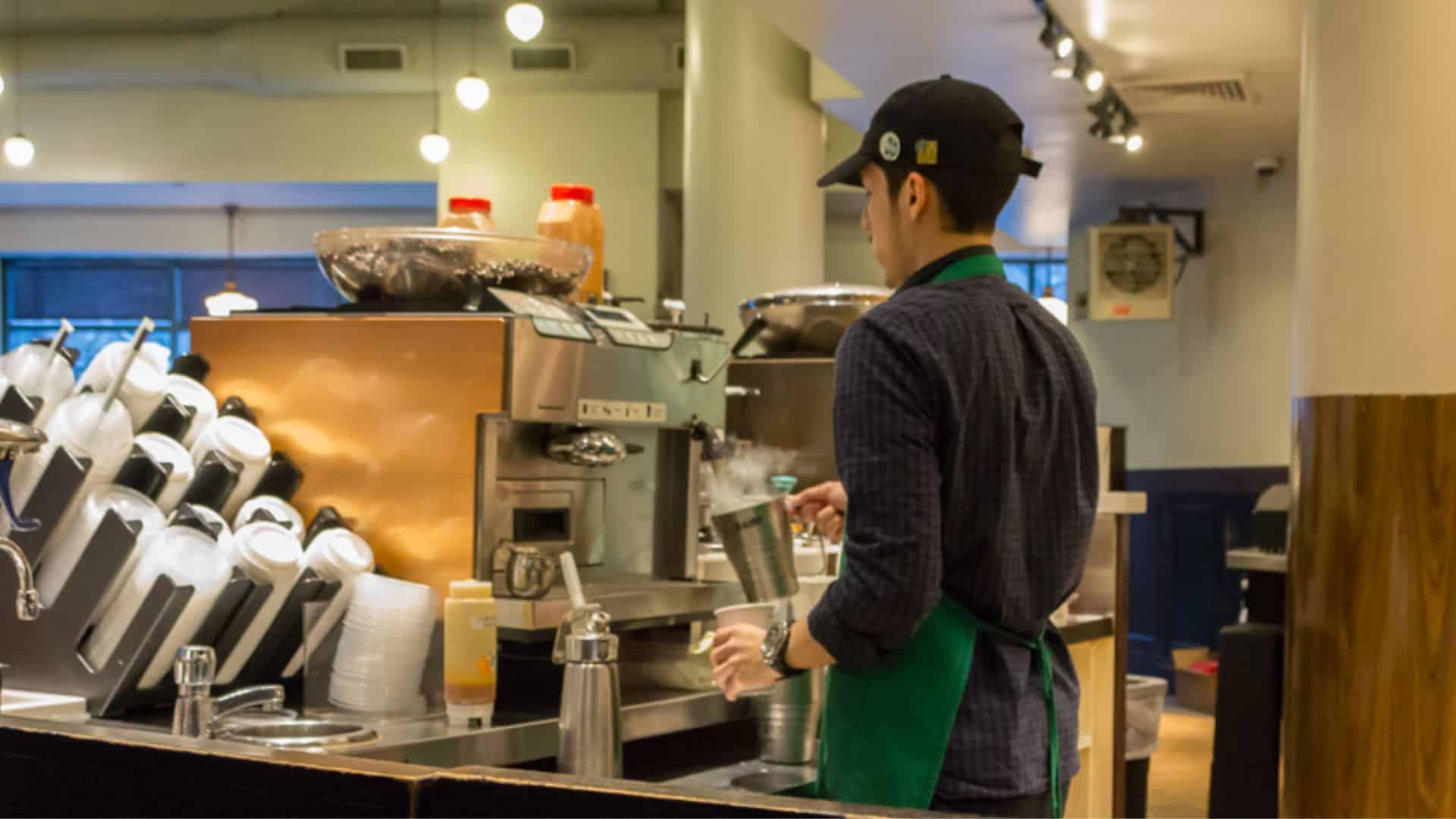
The personal math behind Niccol’s own definition of “affordable” drew sharp scrutiny. According to an AFL-CIO report, Starbucks CEO Brian Niccol made over $95 million in 2024, while the average Starbucks barista took home less than $15,000 that year, a pay gap of 6,666 to one, the second-largest disparity between CEO and median worker pay among S&P 500 companies. Critics on social media were quick to do this arithmetic themselves, and the results fueled the outrage further.
Niccol framed the company’s pricing strategy around perceived value rather than discounts. “The way we’re going to play the value game is, you’re going to feel like it was worth it,” he said. “And it’s not going to be a game of discounting or one-off promotions.” That philosophy might work as a boardroom pitch. As a message to a public squeezing grocery budgets, it opened a different conversation entirely about who Starbucks is really speaking to and who it assumes can keep up.
What a $9 Coffee Actually Costs Everyone
Niccol’s tenure at Starbucks has not been without results. The company reported Q2 fiscal 2025 consolidated net revenues of $8.8 billion, up 2% year-over-year, as Niccol pushed his “Back to Starbucks” turnaround strategy, which includes investments in store improvements, faster service, and better customer experience. On paper, the business is moving. The public conversation, however, ran directly into those numbers from the other direction.
Niccol argued that Starbucks offers value beyond the drink itself, saying customers across income levels are still willing to spend more when the experience feels elevated, whether that means chatting with a barista, sitting in a comfortable café, or treating a coffee run as a small daily escape. That argument, taken at face value, is a legitimate business philosophy. The problem is that it requires the person on the other end of the counter to feel the same way about what their nine dollars is worth.
The Starbucks controversy is, at its core, a story about perception gaps that have been widening for years. A CEO earning tens of millions annually and a barista earning less than $15,000 a year are both looking at the same $9 price tag through completely different glass. For millions of consumers watching their budgets shrink, a CEO who earned nearly $96 million in a single year telling them a $9 coffee is “affordable” does not feel like marketing. The real question worth sitting with: in an economy this divided, can any brand credibly speak to everyone at once?