Kraft Heinz, PepsiCo and Other Food Giants Hit With $1B Ultraprocessed Food Lawsuit
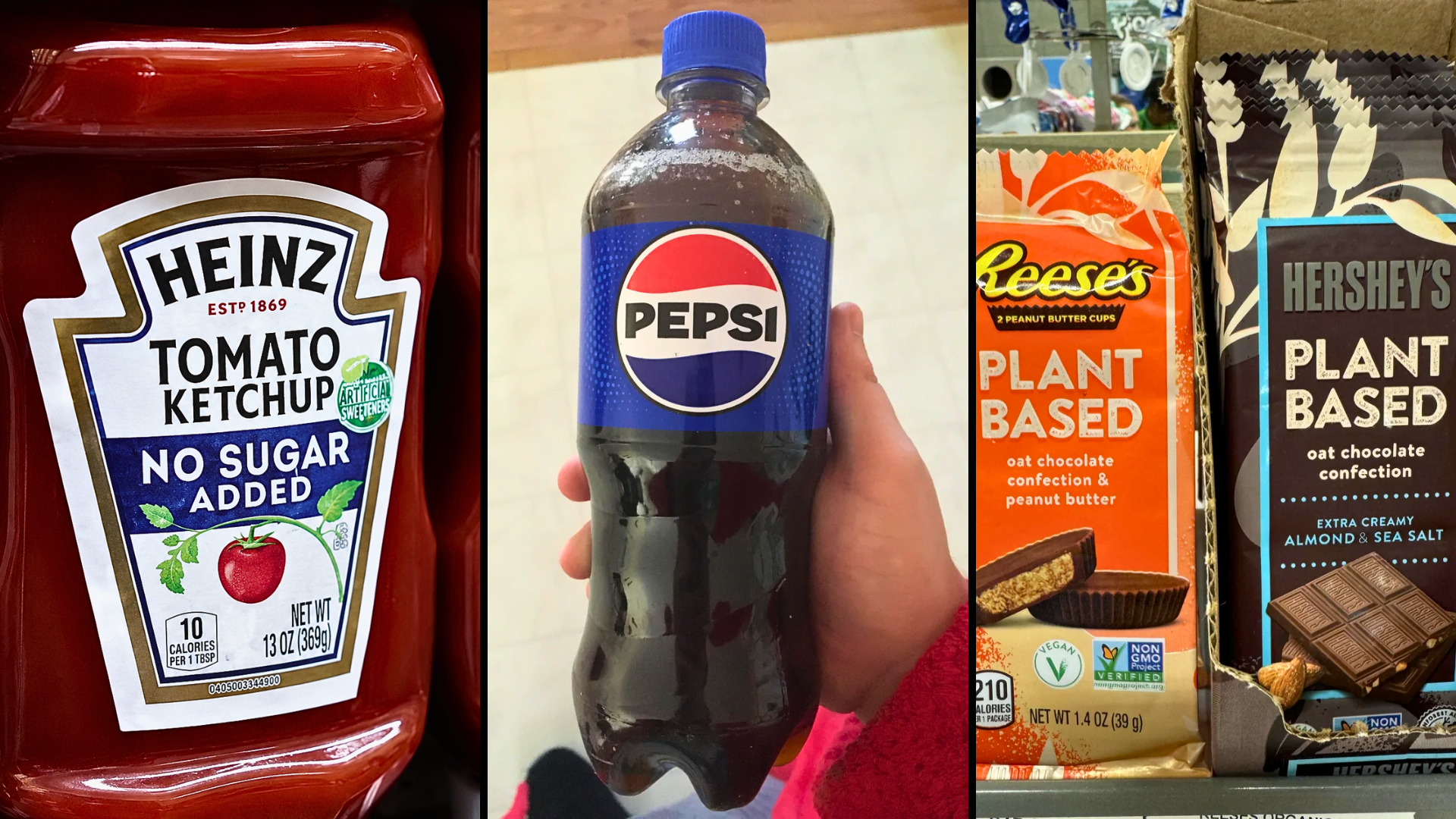

A massive $1 billion legal battle is taking shape in federal court, targeting the very foods that fill pantries and lunchboxes. A new consumer class action lawsuit claims that major food manufacturers have spent decades scientifically engineering their products to hijack the human brain. By utilizing artificial additives, sugars, and sodium, these corporations allegedly designed ultraprocessed foods to be addictive, taking a page directly out of the tobacco industry’s playbook to target children and generate lifelong customers.
Redesigning the Corporate Battleground
The high-stakes complaint was filed in the U.S. District Court for the Eastern District of Wisconsin. It takes aim at 12 of the largest food companies in the world, including Kraft Heinz, PepsiCo, Mondelēz, General Mills, and Nestlé. This massive legal effort represents a direct challenge to the modern food industry’s business model. It accuses these corporate giants of fueling a quiet public health crisis by prioritizing corporate profits over the health of young consumers.
From the Tobacco Playbook to the Pantry

The core of the lawsuit argues that the packaged food sector intentionally replicates the marketing strategies of major tobacco companies. Plaintiffs allege that food scientists designed ultraprocessed foods to induce neurological cravings, making it incredibly difficult for children and parents to resist. By pairing these chemically enhanced flavors with aggressive advertising campaigns, these brands allegedly built multi-billion dollar empires on products designed for overconsumption.
A Devastating Early Health Diagnosis

For the plaintiff behind the suit, Olivia Kreie, the legal battle is deeply personal. Kreie, now in her early 20s, was diagnosed with Type 2 diabetes in 2016 when she was just 10 years old. In the filing, she points directly to the dietary staple of her youth, which was dominated by processed foods like Capri Sun and Reese’s Puffs. Her complaint notes that pediatric Type 2 diabetes was practically non-existent before the widespread market rise of ultraprocessed items.
Shifting Focus to Physical Injury

This lawsuit arrives shortly after a federal judge dismissed a similar consumer lawsuit, Martinez v. Kraft Heinz Company, calling the previous complaint woefully deficient. That court ruled the plaintiff had failed to establish a direct causal link between processed food and specific physical injuries, focusing too heavily on the general concept of addiction. To overcome that hurdle, Kreie’s legal team has painstakingly documented the specific health consequences she suffered as a direct result of her daily diet.
Government and Cities Join the Fight

The Wisconsin filing is part of a much broader, accelerating wave of legal challenges targeting food manufacturers across the United States. San Francisco recently filed a major government lawsuit on the issue, accusing manufacturers of creating a public nuisance and a massive public health crisis. These coordinated legal actions show that both private citizens and local governments are no longer treating chronic metabolic diseases as a matter of individual willpower.
Battle Over the Proper Courtroom

Food companies are fighting back aggressively, seeking to shut down these cases before they can set a dangerous legal precedent. Recently, attorneys for PepsiCo successfully convinced a judge to transfer the San Francisco case back to state court instead of keeping it in the federal system. This key procedural move means any potential damages would go directly to the city rather than the state of California, shifting the financial stakes of the battle.
Lobbyists Target State Regulations

Beyond the courtroom, the food industry is actively lobbying to block state-level crackdowns on artificial ingredients. Manufacturers have found early success in temporarily halting legislative efforts in states like Texas and West Virginia, which aimed to ban or restrict specific chemical dyes and additives in school foods. Industry groups argue that state-by-state ingredient bans create an impossible patchwork of regulations that disrupt the national food supply.
The Massive Financial Stakes

If the plaintiffs succeed in Wisconsin, the financial and regulatory fallout could reshape the global food landscape. A $1 billion judgment would force companies to completely reformulate their recipes, drastically reducing sugars, sodium, and synthetic flavor enhancers. Much like the historic master settlement with tobacco companies in the 1990s, this litigation could lead to strict bans on marketing sweet and processed foods directly to children.
A Revolution in Paleontological Investigations

This breakthrough highlights how rapidly evolving technology is turning paleontology into a high-tech discipline. Advanced tools like synchrotrons allow researchers to peer inside solid stone without damaging priceless specimens. Rather than relying solely on the visual interpretation of flattened shapes in rock, modern scientists use chemistry and physics to reconstruct the genuine biology of ancient creatures. By reviewing past controversial discoveries with these modern forensic tools, researchers are successfully correcting the evolutionary record.

