Liquor Is Disappearing in Mississippi, and It Has No One to Blame but Itself
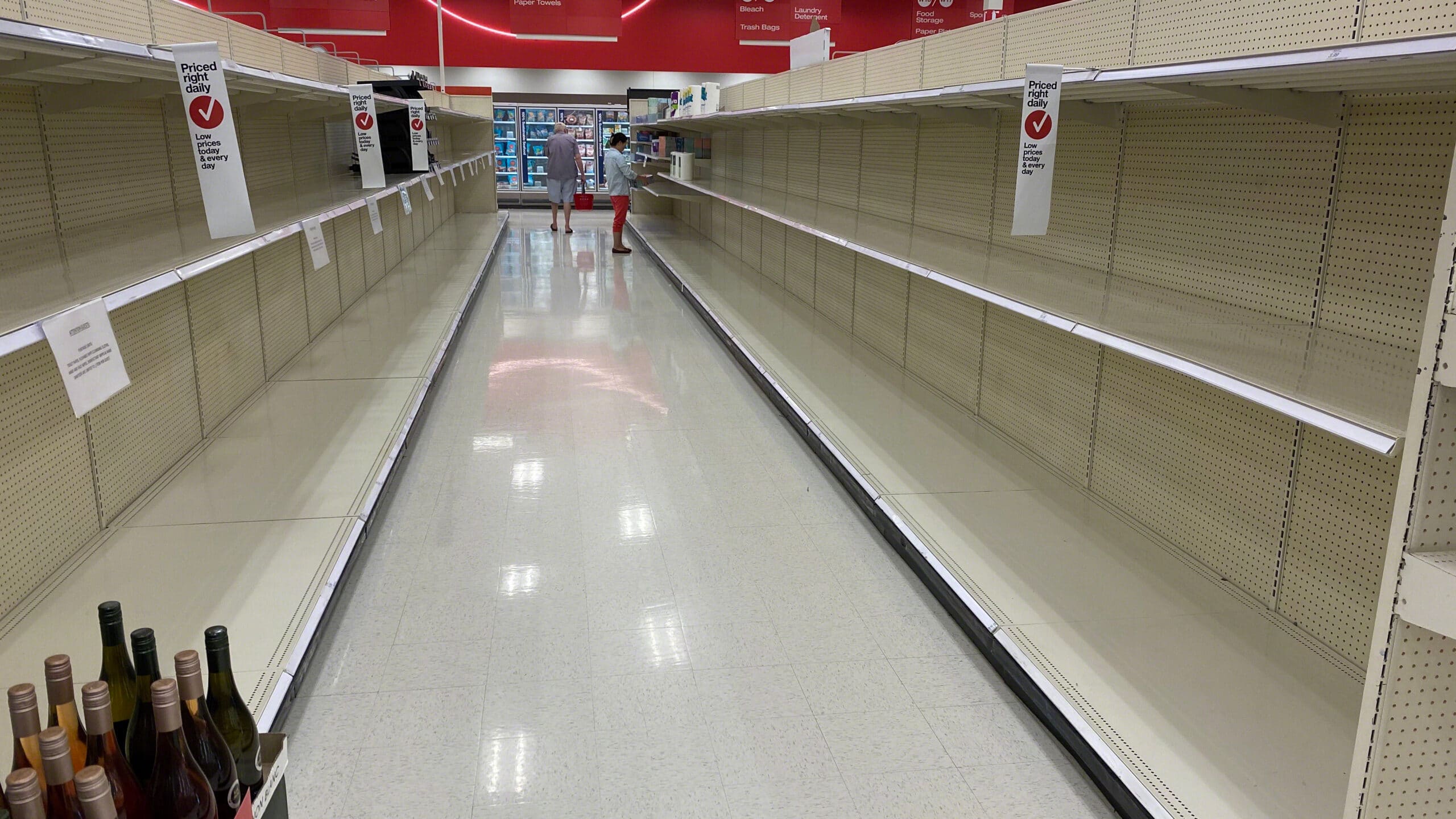

You can still walk into a liquor store in Mississippi. You just might not find what you came for. Across the state, shelves are sitting half-empty, not because of demand—but because something behind the scenes broke.
A Shortage That Shouldn’t Exist
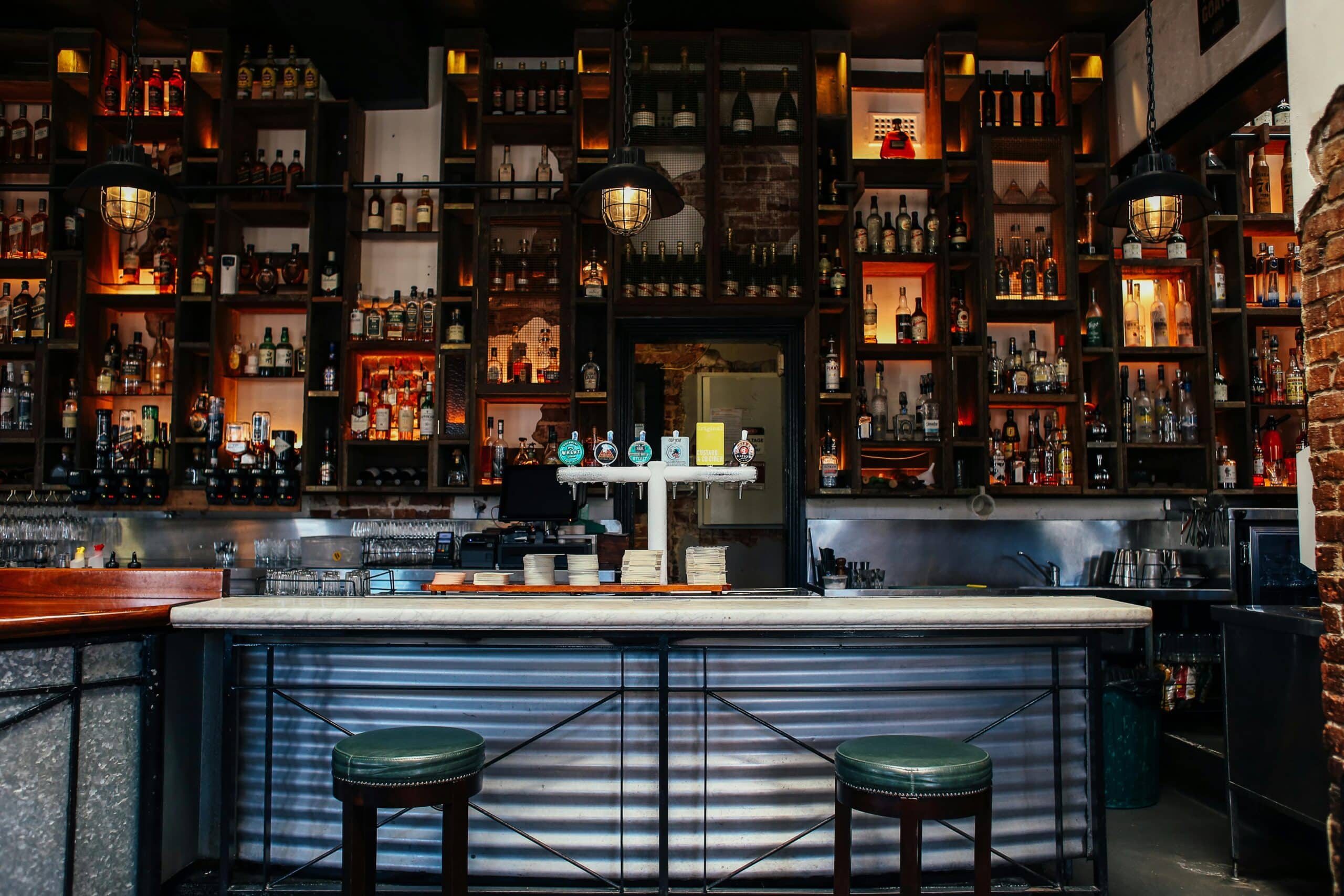
Mississippi isn’t running out of alcohol. In fact, thousands of cases are sitting in a warehouse, waiting to be delivered. The problem is that they aren’t reaching stores, bars, or restaurants that depend on them to stay open. This isn’t a supply issue. It’s a system issue.
One System Controls It All

Mississippi operates differently than most states. It is one of several “control states,” meaning all liquor must pass through a single state-managed distribution system. If a business wants to sell liquor, it has to order from that one central warehouse. When that system works, it’s efficient. When it doesn’t, everything slows down.
Where Things Went Wrong
The trouble began with what was supposed to be a routine upgrade. The warehouse shut down briefly to install a new computer system. But once operations resumed, the new software didn’t work with the existing infrastructure. Conveyor systems were removed, and the process shifted to slower, more manual methods. What was meant to modernize the system ended up slowing it down.
A Growing Backlog
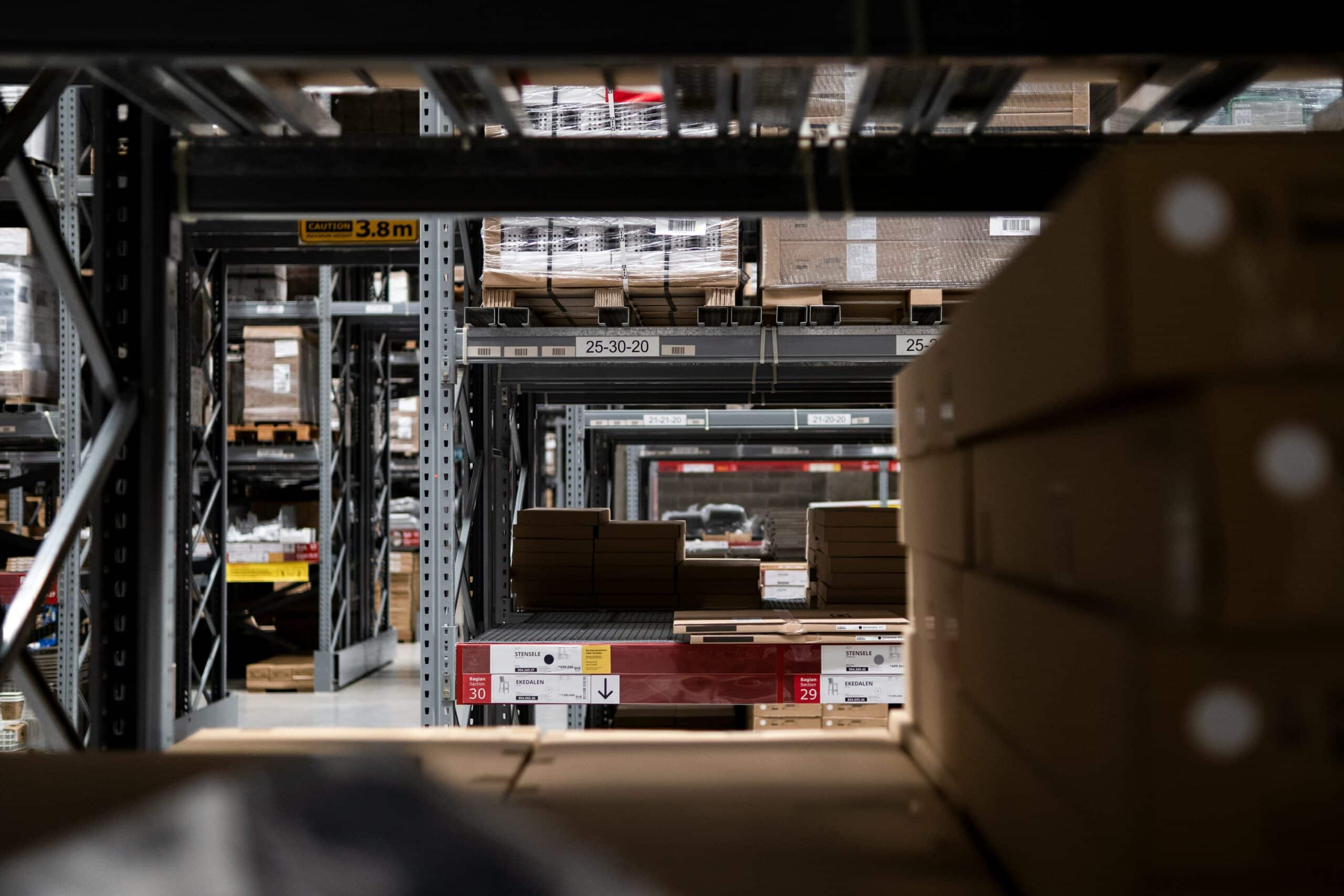
As delays piled up, so did orders. At one point, nearly 200,000 orders were waiting to be processed. Even after weeks of effort, more than 170,000 cases were still stuck in the system. For businesses waiting on deliveries, that backlog meant empty shelves and missed sales.
Real Impact on Businesses
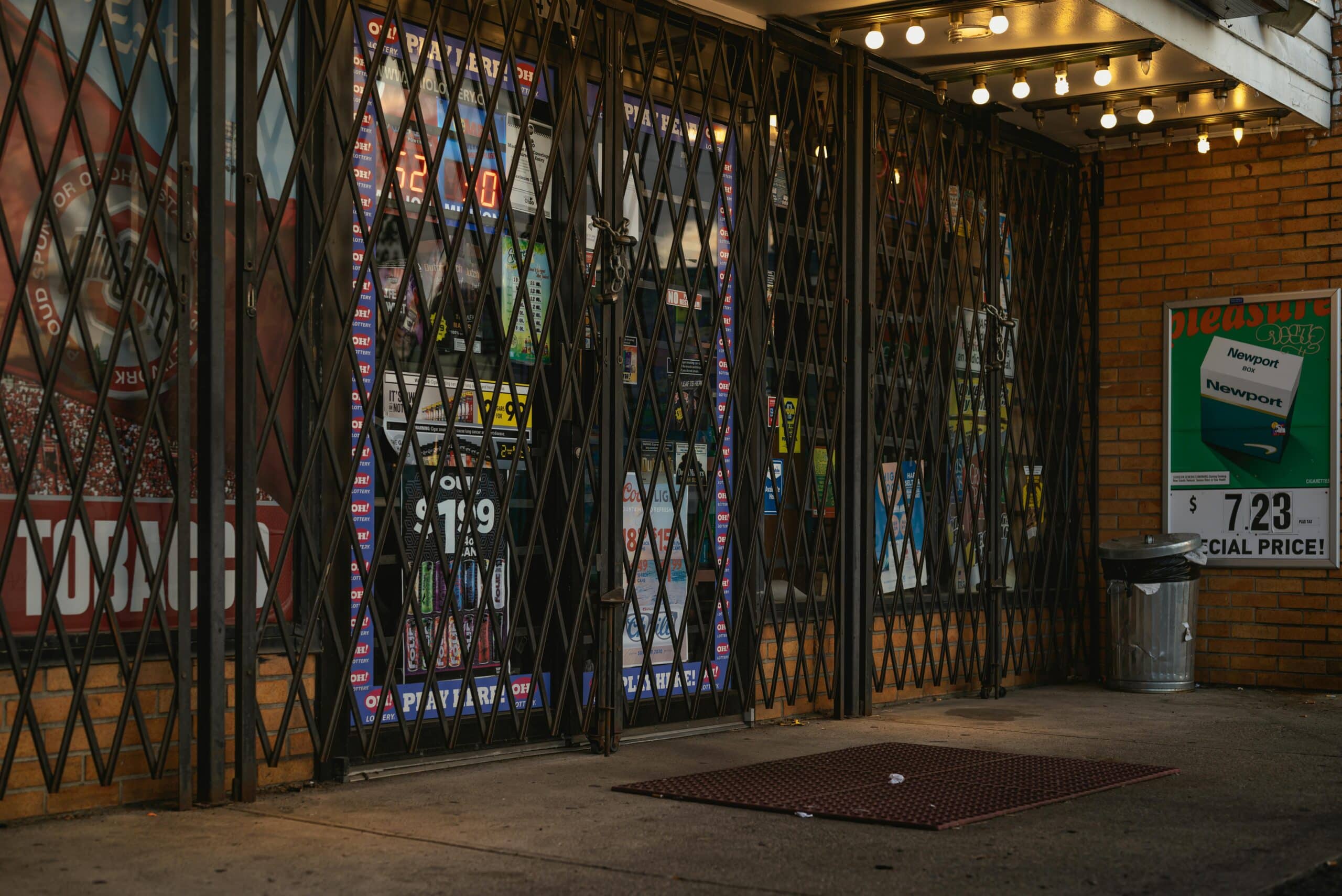
The effects have been immediate and visible. Liquor stores that once carried thousands of products are now missing basic items. Some restaurants ran out of wine during major holidays, while bars struggled to stay stocked during peak events. At least a handful of stores have already closed, and others are struggling to stay open.
When Supply Doesn’t Match Demand

What makes the situation more frustrating is that the inventory exists. Cases of alcohol remain inside the warehouse, but logistical issues have made it difficult to move them out efficiently. In some cases, businesses receive incorrect shipments, adding another layer of disruption. It’s not scarcity. It’s a breakdown in movement.
Legal and Political Pressure Builds

As losses mount, frustration is turning into action. Several businesses have filed lawsuits, claiming the system has caused financial harm. At the same time, lawmakers are debating whether the state should loosen its control over liquor distribution or move toward privatization. So far, no immediate fix has fully resolved the issue.
A Fix That’s Still Years Away
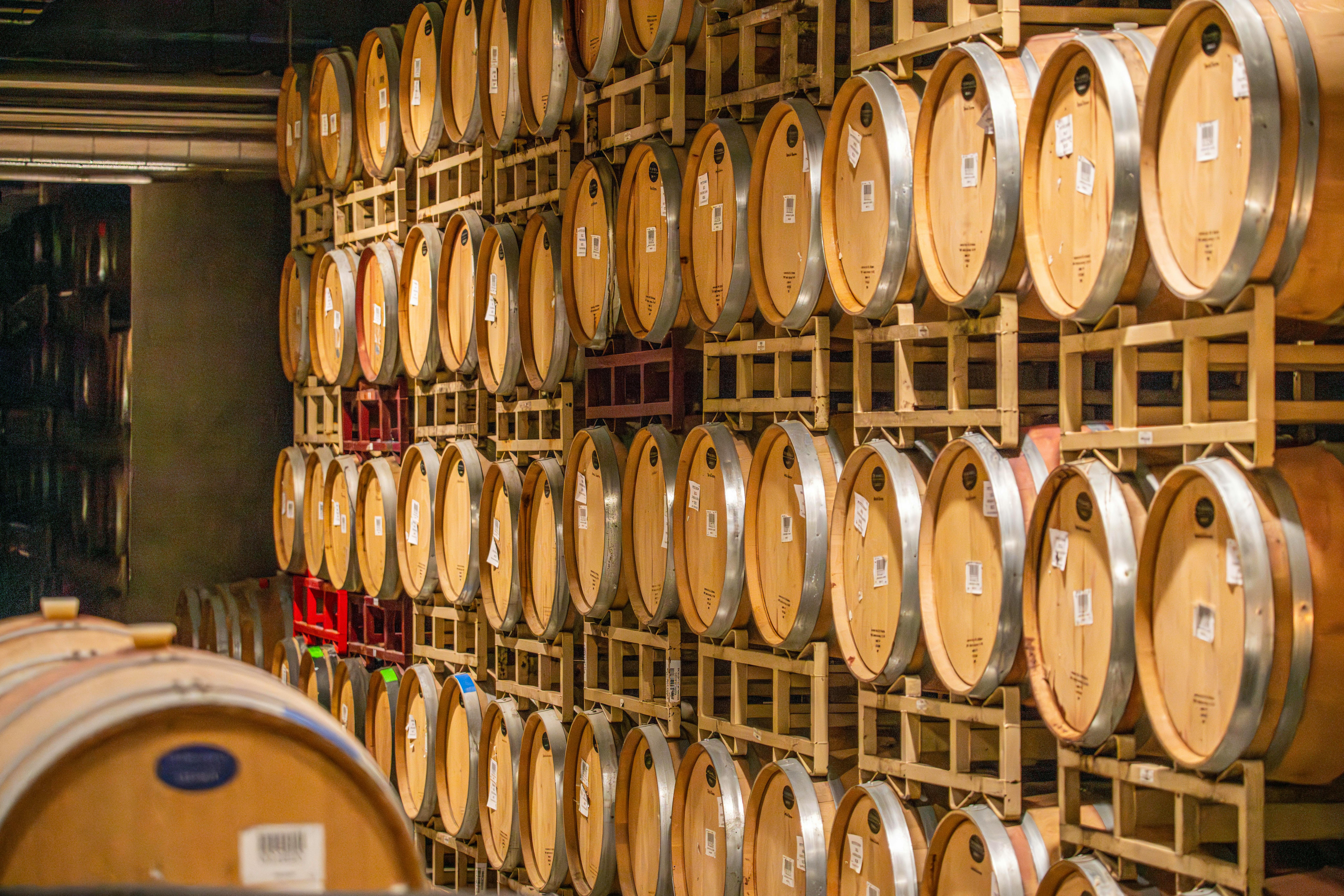
There are plans to improve the system—but not right away. The state has approved funding for a new warehouse, though it is not expected to be operational until 2027. Until then, businesses must continue working within a system that is still catching up. For many, that timeline feels far away.
The Bigger Lesson
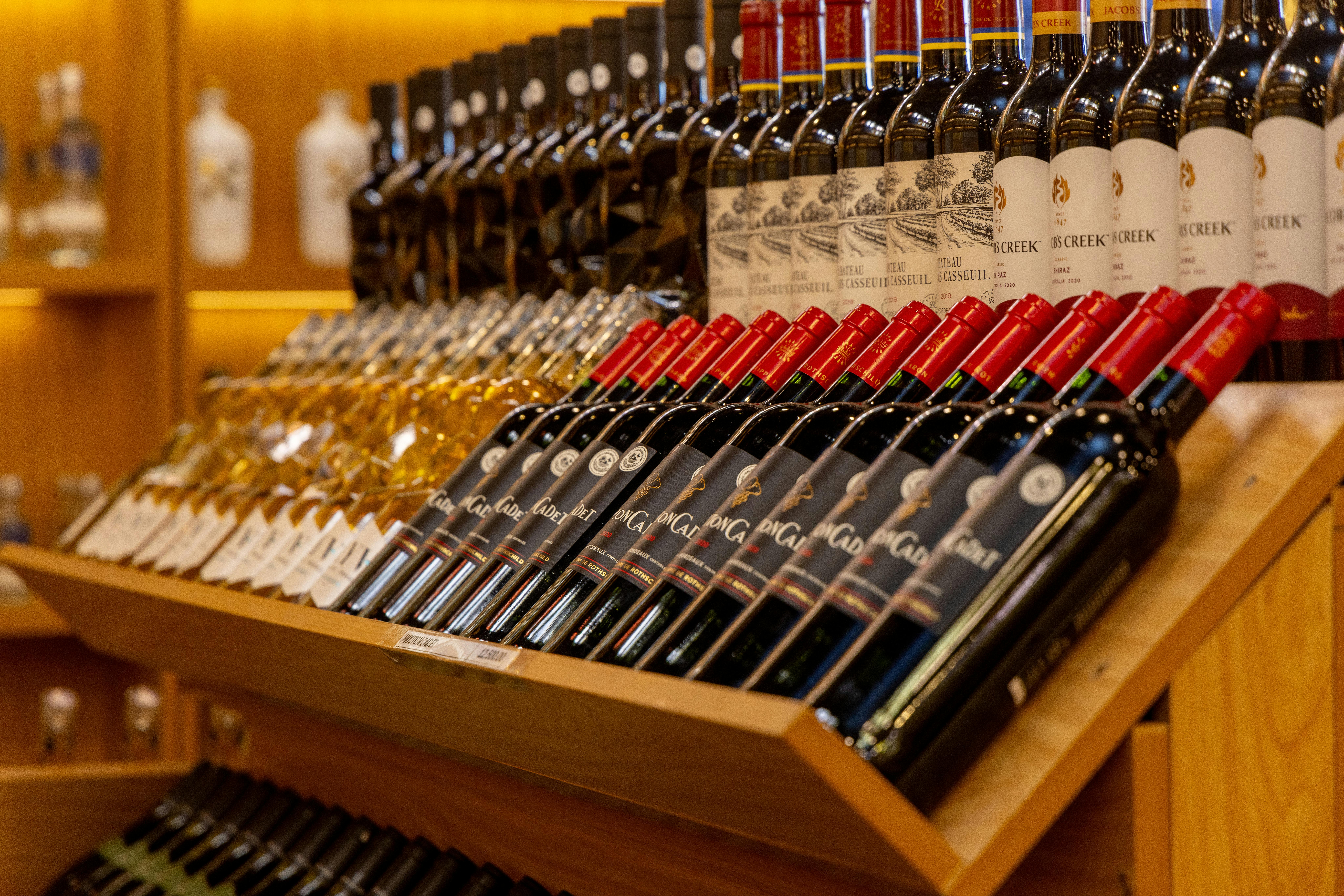
This situation isn’t just about liquor. It’s about how fragile centralized systems can become when one piece fails. A single upgrade, meant to improve efficiency, ended up disrupting an entire state’s supply chain. Looking ahead, the takeaway is less about what went wrong and more about what comes next. Whether it leads to reforms, modernization, or a rethink of how systems are structured, this moment is forcing a closer look at how much depends on getting the basics right.