Major Change Hits Americans’ Favorite Foods Next Month As New Rules Target Key Ingredients
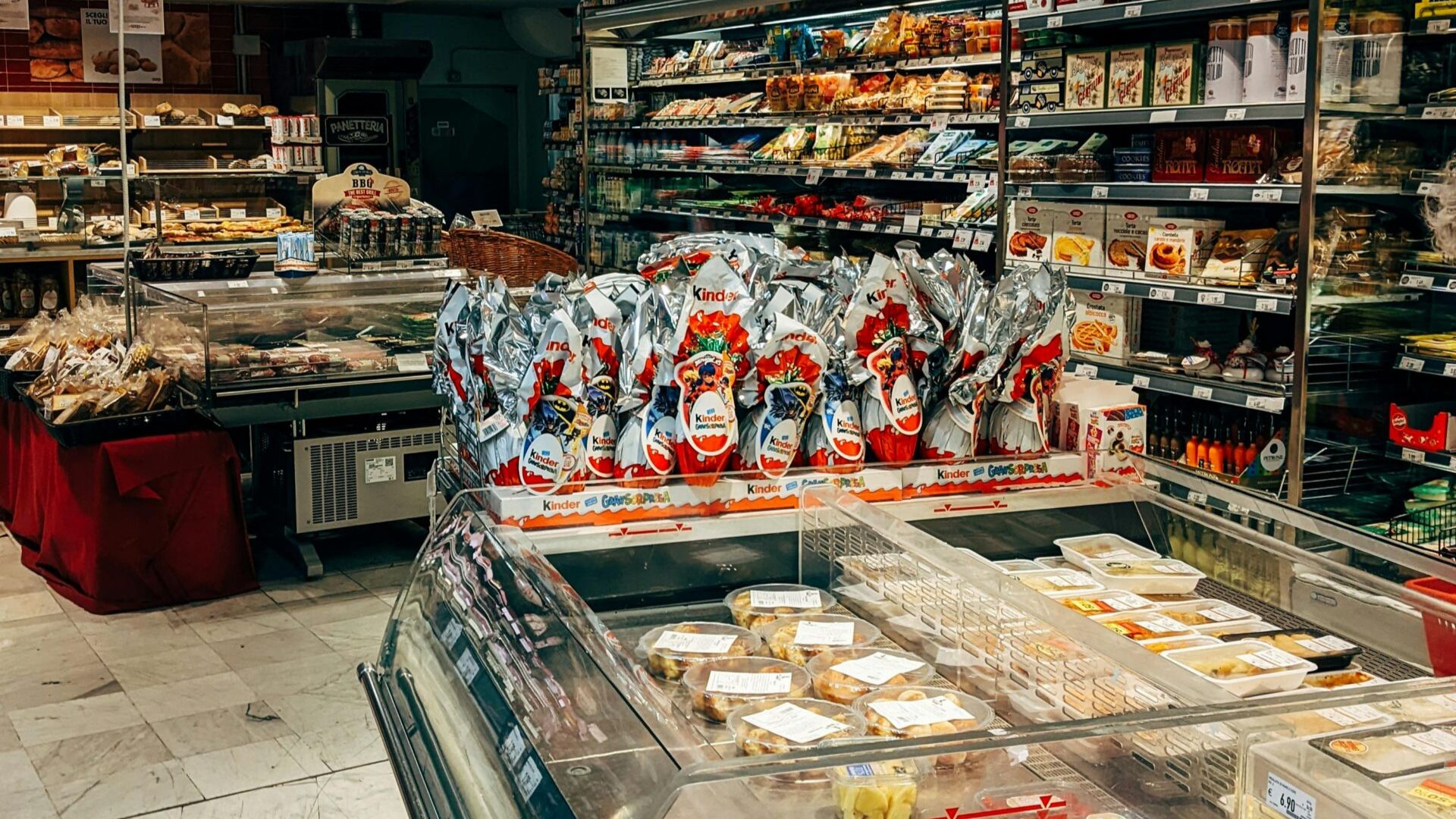

A major shift is underway in how the U.S. government wants Americans to think about the food they eat, and it could eventually affect some of the most familiar products on grocery store shelves. Federal officials have unveiled updated dietary guidelines that take a stronger stance against heavily processed foods and certain additives commonly found in packaged meals and snacks. The changes are part of a broader effort by the Department of Health and Human Services (HHS) and the Department of Agriculture to reshape nutrition policy for the next decade. When the Dietary Guidelines for Americans 2025–2030 were introduced earlier this year, Health Secretary Robert F. Kennedy Jr. summarized the message simply: “My message is clear: Eat real food.”
The updated guidance includes a redesigned food pyramid and clearer warnings about heavily processed foods. Officials now advise Americans to limit “highly processed” products—generally defined as packaged or ready-to-eat foods that often contain high levels of added sugars, sodium, and artificial ingredients. According to materials released alongside the guidelines, decades of nutrition messaging may have unintentionally pushed consumers toward convenient packaged foods while rates of chronic disease continued to rise.
The shift reflects a broader push among policymakers to rethink the role of additives such as preservatives, synthetic flavors, and petroleum-based dyes in everyday foods. While the dietary guidelines themselves are advisory, they influence school meal programs, federal nutrition policy, and sometimes industry reformulation, meaning the impact could eventually reach grocery shelves.
The New Guidelines Put “Highly Processed Foods” in the Spotlight

For years, researchers have debated the health effects of ultra-processed foods. The new federal guidelines take a slightly different approach by warning Americans about “highly processed foods.” This category includes packaged or ready-to-eat products that often rely on added sugars, sodium, preservatives, or artificial ingredients to enhance taste and shelf life. The guidelines also caution consumers about products containing artificial flavors, petroleum-based dyes, and other chemical additives.
At the same time, the guidance encourages Americans to focus more on foods closer to their natural state such as meat, eggs, seafood, vegetables, fruits, whole grains, and fermented foods. Officials say diets rich in fiber and plant-based foods can support gut health and a balanced microbiome, a topic that appears for the first time in the latest dietary recommendations.
Still, the approach has sparked debate. Some nutrition experts and food industry groups argue that broad labels such as “processed” may oversimplify how foods are produced and consumed. Others warn that stricter messaging could affect affordable or convenient products that many households rely on.
A Broader Campaign to Change How Americans Eat

The push to rethink processed foods is part of a larger initiative tied to the administration’s “Make America Healthy Again” agenda. During a stop in Austin on the nationwide “Take Back Your Health” tour, Health Secretary Robert F. Kennedy Jr. emphasized the importance of restoring whole foods to the American diet. “Real food is the foundation of public health,” Kennedy told attendees during an “Eat Real Food” rally focused on promoting nutrient-dense diets.
The initiative is also focusing on school nutrition programs, where officials believe healthy meals can shape long-term habits. During his visit to Cunningham Elementary School in Austin, Kennedy observed cafeteria staff preparing scratch-cooked meals and discussed healthy eating with students. Programs that prioritize fresh ingredients, he said, can help teach children lifelong nutrition habits.
Supporters say the campaign is designed to spark a wider national conversation about diet-related disease, food policy, and how modern food production has changed Americans’ eating habits.
What Could Change for Everyday Foods

The evolving nutrition policy could eventually influence how foods are labeled and marketed. Federal officials are currently exploring ways to formally define ultra-processed foods, a step that could shape future regulations or consumer labeling requirements. In an interview on The Joe Rogan Experience podcast, Kennedy said regulators are working toward a federal definition for ultra-processed foods for the first time.
Officials have also discussed front-of-package labels designed to help consumers quickly understand a product’s nutritional value. One idea resembles a traffic-light system using green, yellow, or red indicators to signal how healthy a product may be based on its ingredients.
Whether those ideas eventually become formal rules remains uncertain. But the direction of federal food policy is becoming clearer: encourage fewer heavily processed ingredients and greater reliance on whole foods. If the current push continues, the foods filling grocery store aisles in the years ahead could look and be made very differently than they are today.