Mamdani’s Public Grocery Store Plan Draws Criticism From Economists and Shop Owners as a ‘Wasteful Distraction’
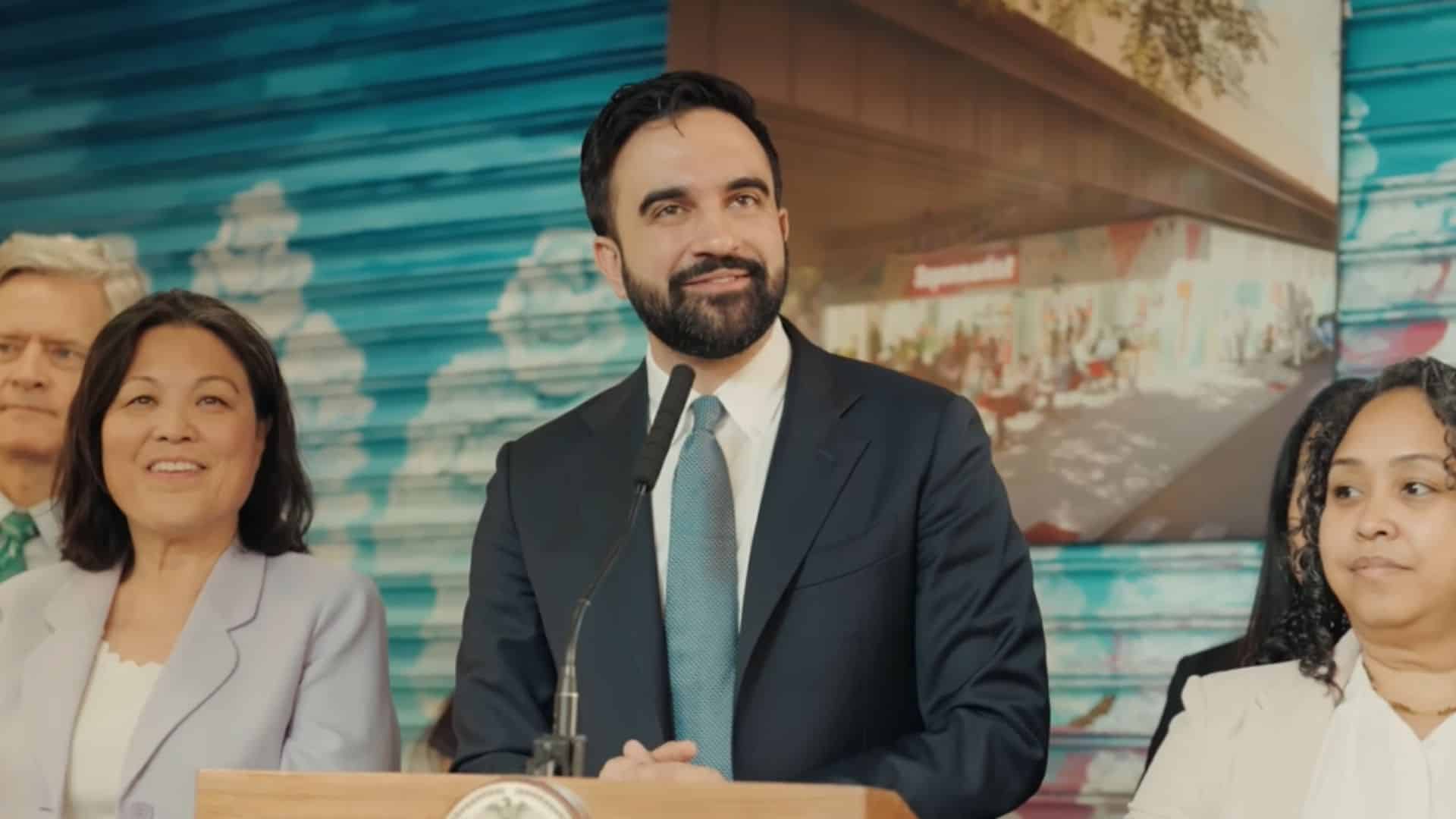

New York City Mayor Zohran Mamdani wants the city to sell groceries directly to residents, promising cheaper eggs, bread, and household staples through taxpayer-backed supermarkets. But what began as a campaign promise has quickly turned into a heated debate over whether city-run grocery stores can actually lower food prices without harming small businesses or imposing new costs on taxpayers. Critics ranging from economists to bodega owners argue the proposal risks becoming an expensive experiment in a city already struggling with affordability pressures.
Mamdani Says Public Stores Could Lower Prices
Mamdani’s administration plans to open its first municipal grocery store at La Marqueta in East Harlem, with additional stores proposed across the boroughs before the end of his term. During a public appearance marking his first 100 days in office, Mamdani argued that city ownership would allow stores to cut costs by avoiding rent and property taxes while treating workers better than some private competitors. “Eggs will be cheaper. Bread will be cheaper,” he said while promoting the initiative as a direct response to rising food prices.
Economists Say The City Could Spend Money More Efficiently
Several policy analysts argue New York already has tools to help struggling families buy food without operating supermarkets itself. Adam Lehodey of the Manhattan Institute called the proposal “a pretty wasteful distraction,” arguing the city could expand food assistance programs or partner with private retailers instead of taking on the risks of grocery operations. Critics also point out that supermarkets typically operate on thin profit margins even in the private sector, raising questions about whether municipal stores would eventually require long-term taxpayer subsidies to survive.
Small Store Owners Fear Losing Customers
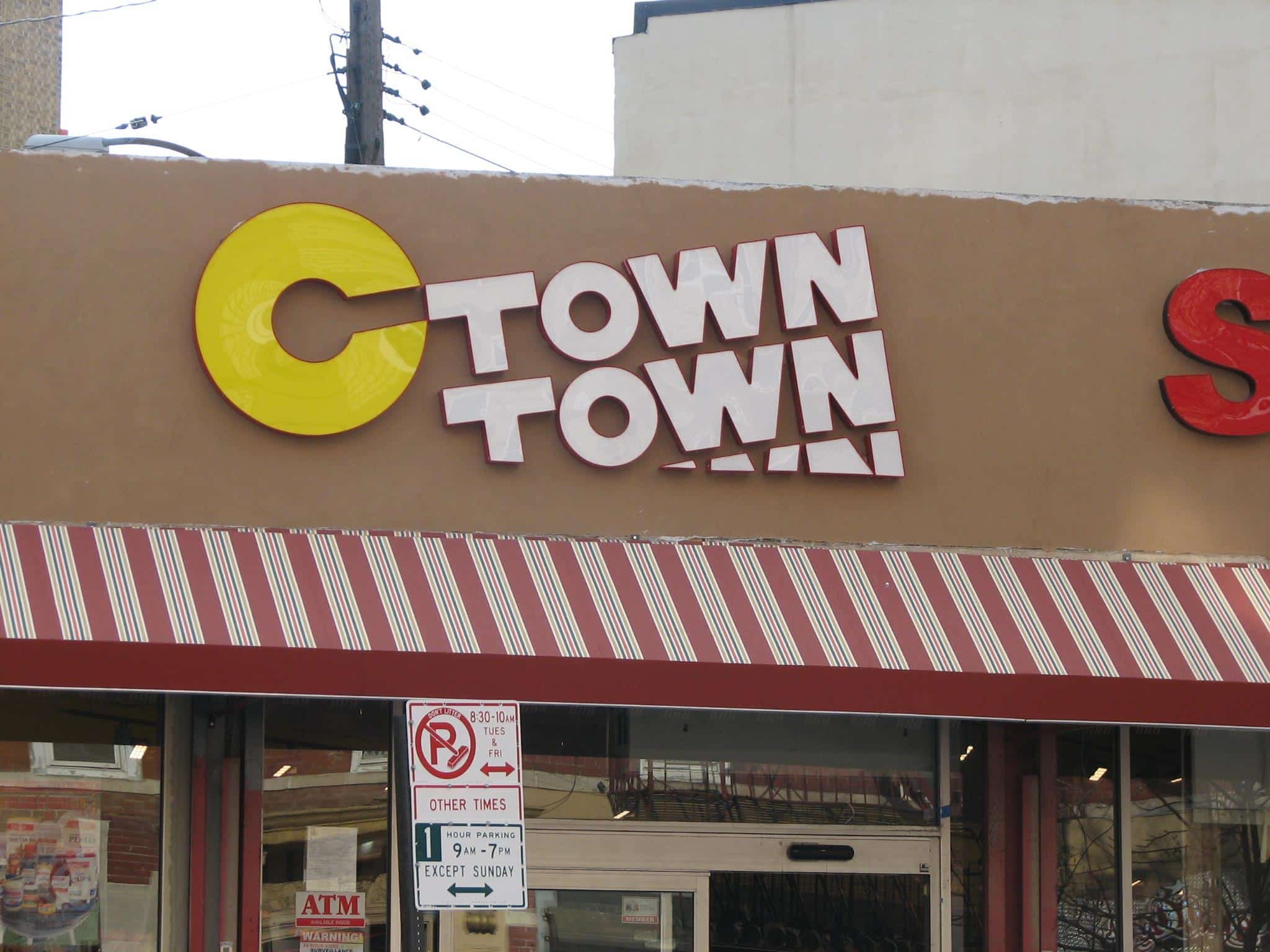
Neighborhood grocers and bodegas say publicly funded competition could pull away customers from stores already operating on narrow margins. Sarah Kang, a manager at a CTown supermarket near the proposed East Harlem site, warned that shoppers may abandon local stores if the city can artificially lower prices through subsidies. Other store managers expressed concern that smaller independent businesses located closest to municipal stores would face the greatest financial pressure. In many neighborhoods, bodegas also function as informal community hubs that provide delivery services, credit tabs, and extended hours that large chains often do not offer.
Critics Question Whether East Harlem Even Needs Another Grocery Store
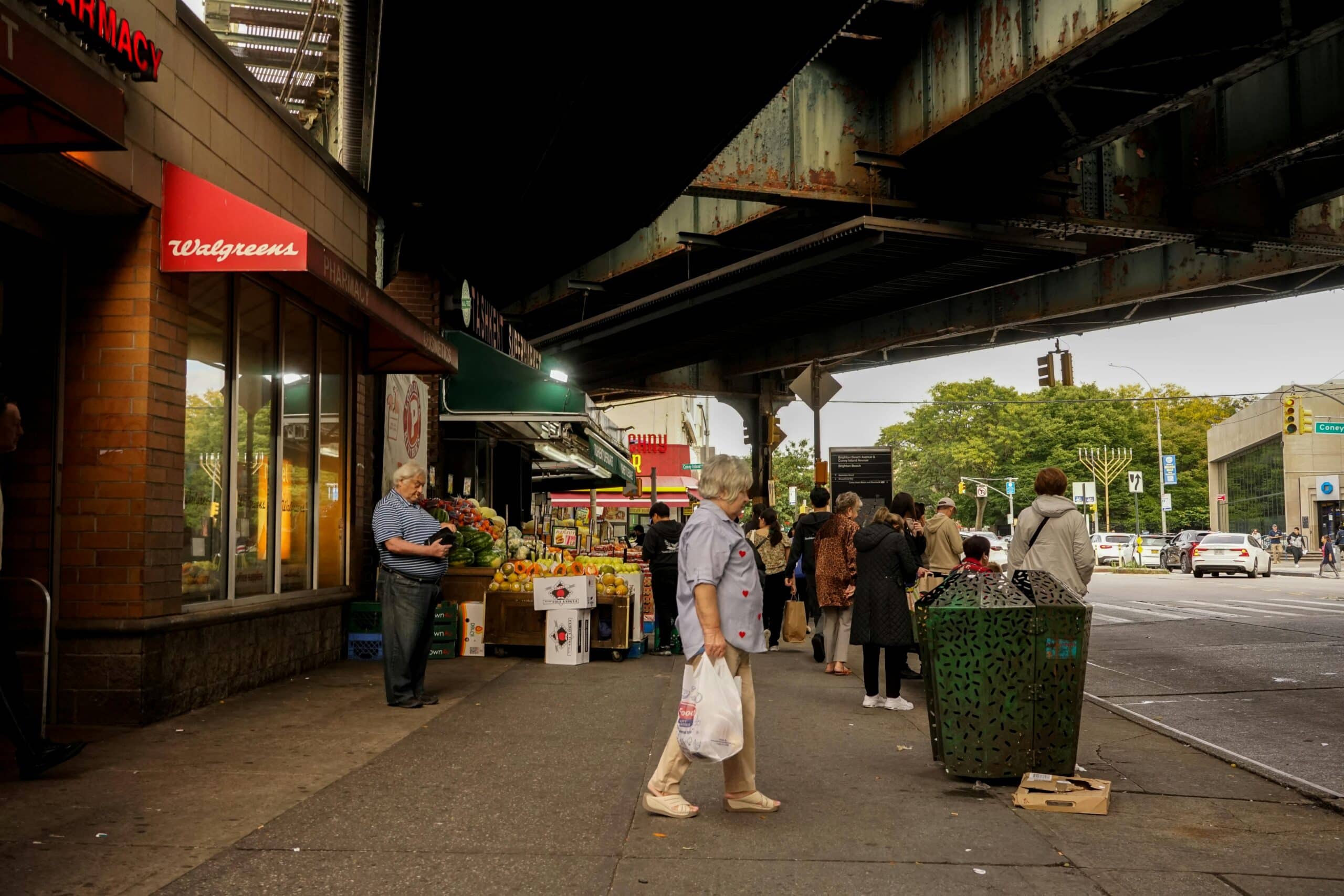
Opponents also dispute the administration’s claim that neighborhoods like East Harlem lack grocery access. A Fox News Digital analysis cited roughly 45 grocery stores within a 35-minute walk of the proposed La Marqueta location, including chains such as Whole Foods and Lidl alongside smaller markets and bodegas. The area is also heavily connected by subway and bus lines. Critics argue that if food affordability is the core problem, direct subsidies to residents may prove more effective than constructing entirely new stores.
Other Cities Have Tried Similar Models With Mixed Results
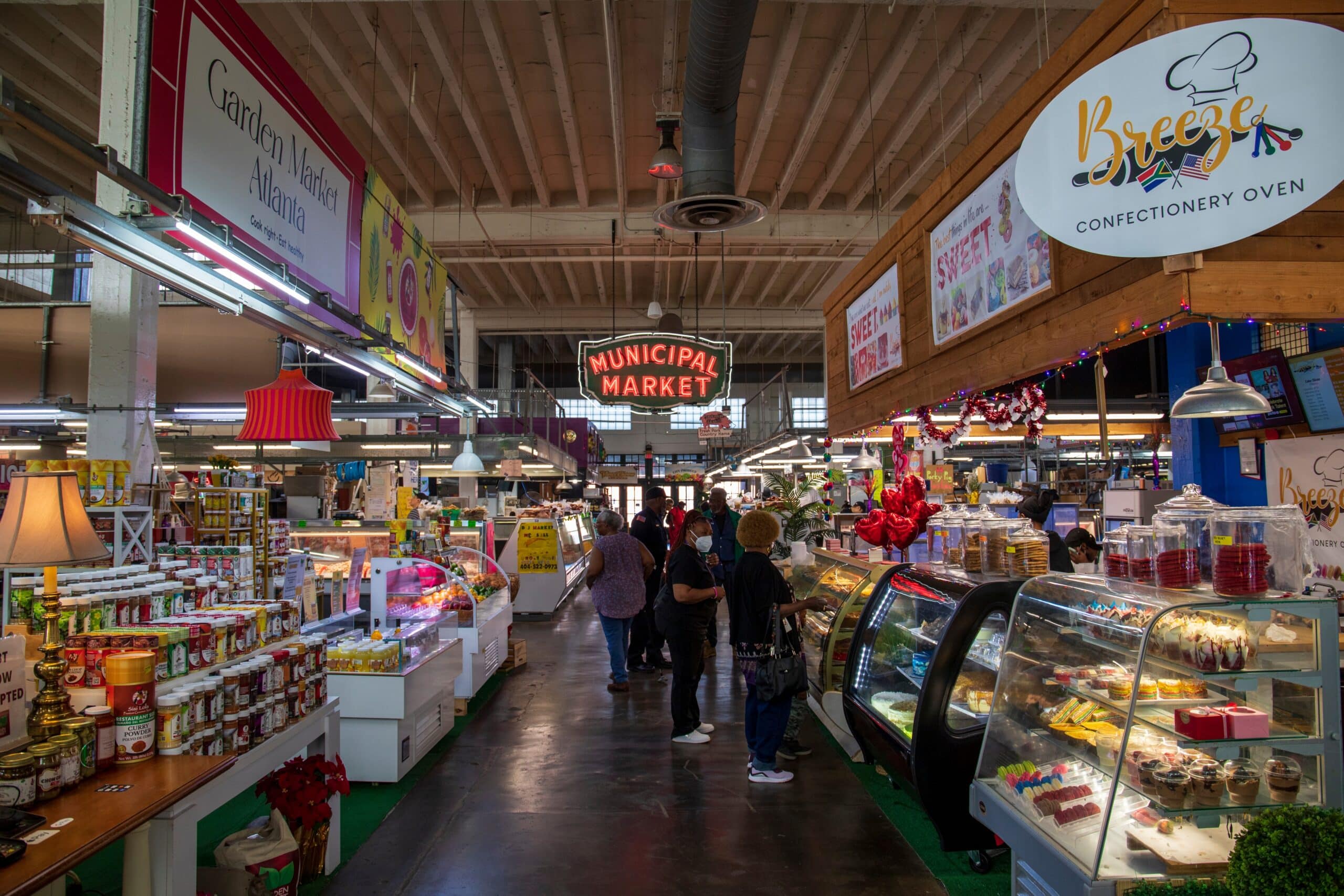
Municipal grocery stores are not entirely new in the United States, but their track record remains uneven. CNBC reported that St. Paul, Kansas, successfully maintained a city-backed grocery store after private retailers disappeared, with local officials describing it as a necessity for residents in a small town. But nearby Erie, Kansas experienced repeated losses after purchasing its own market, forcing city leaders to lease the store after years of financial strain. Those examples have become central to the New York debate because they show how public grocery projects can produce sharply different outcomes depending on scale, management, and local demand.
Policy Researchers Say Five Stores May Be Too Small
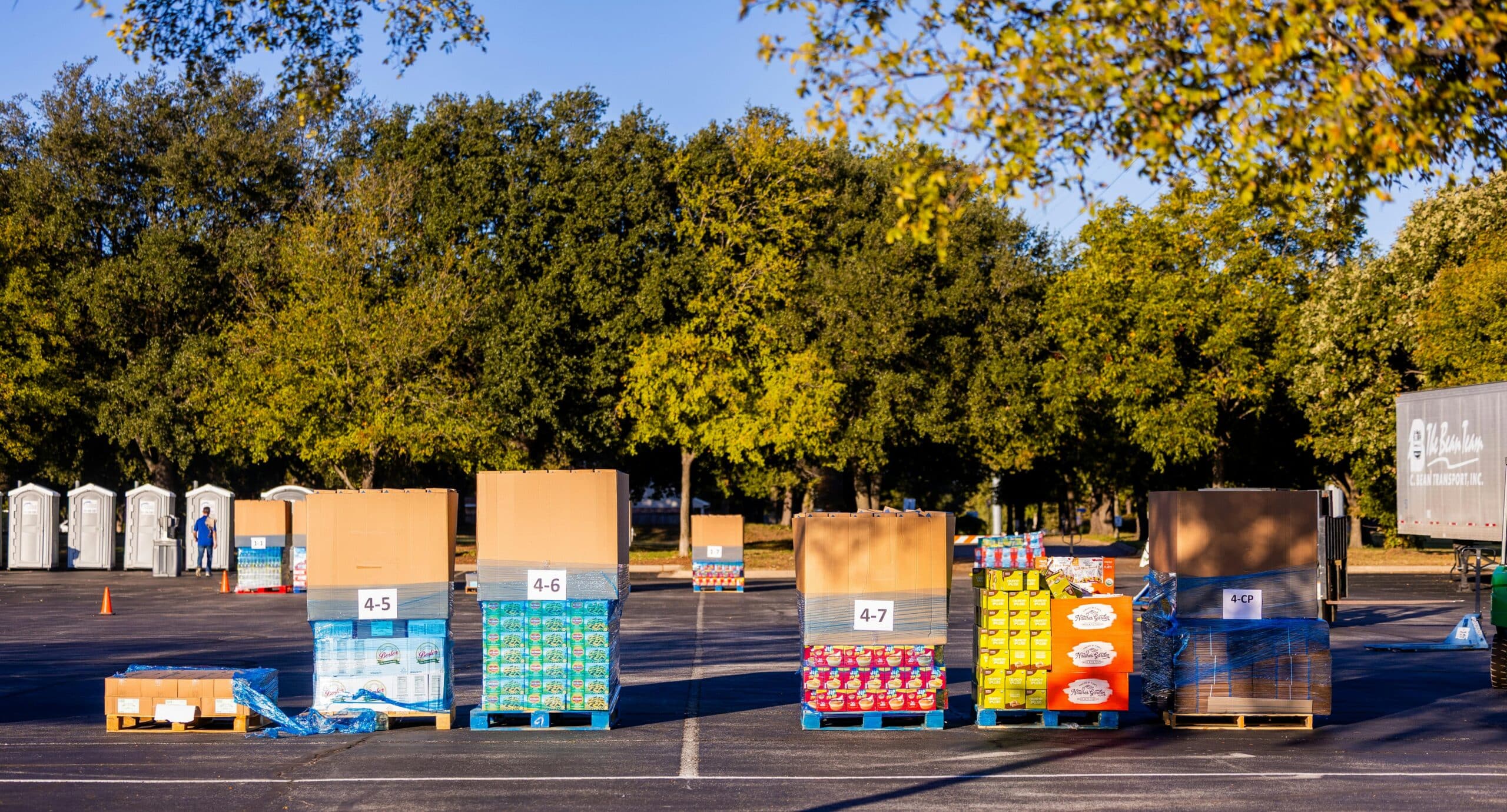
Some food policy experts actually believe Mamdani’s proposal may fail because it is too limited rather than too ambitious. At a forum hosted by CUNY’s Urban Food Policy Institute, analysts from Community Food Advocates argued that operating only five stores would not provide enough purchasing power to negotiate major discounts from suppliers. Former Whole Foods executive Errol Schweizer said a small network could end up paying premium wholesale prices instead of generating meaningful savings. Their report estimated a five-store pilot might only reduce prices by 10% to 15% while still facing supply shortages and operational challenges.
Supporters Compare Grocery Stores To Other Public Services
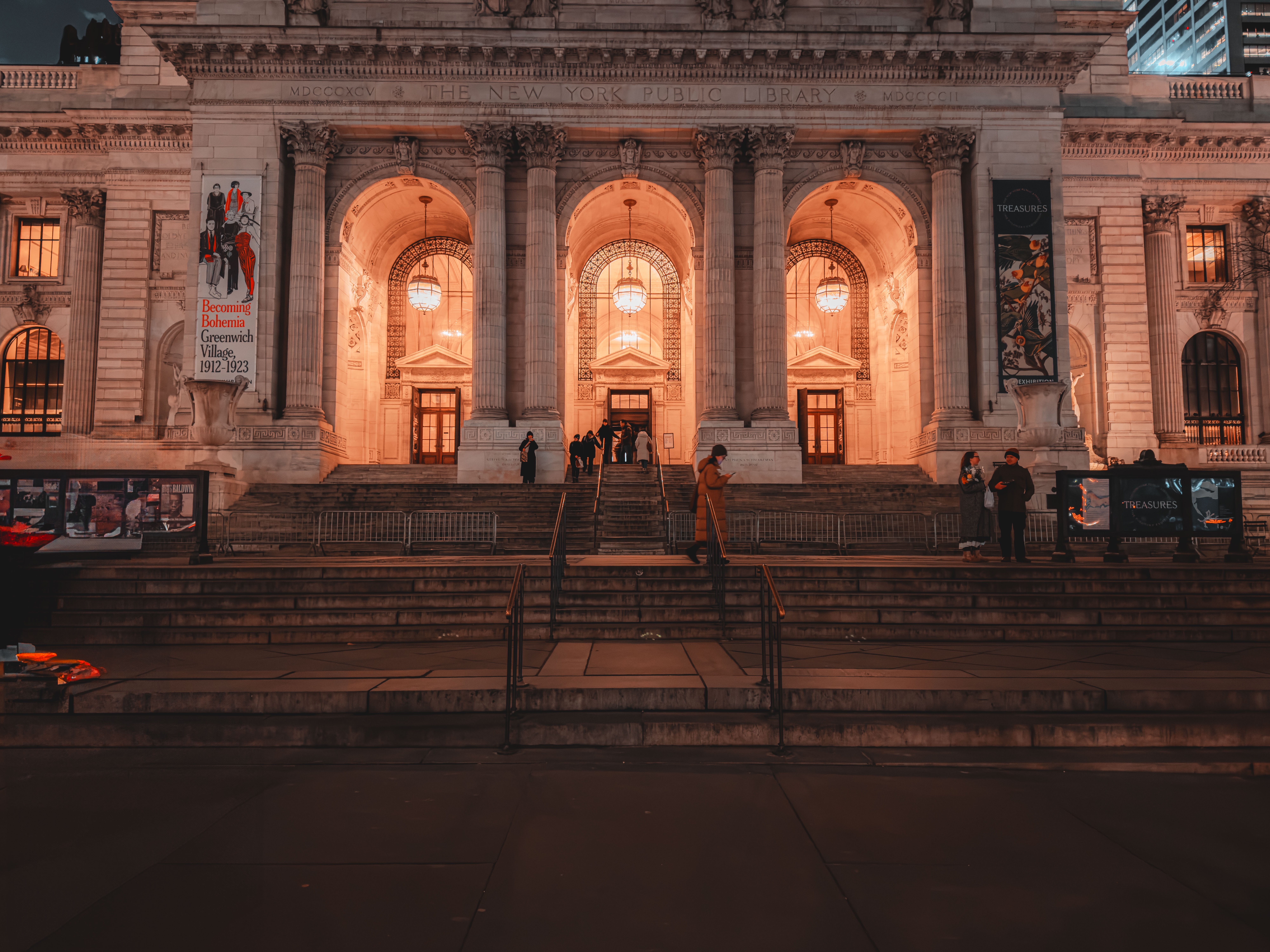
Defenders of the idea argue critics underestimate New York City’s ability to run large public systems successfully. Nevin Cohen, director of the CUNY Urban Food Policy Institute, pointed to public libraries, parks, and the city university system as examples of government services that millions of residents rely on daily. Supporters also note that food prices remain politically sensitive after years of inflation, creating pressure for city leaders to pursue more aggressive solutions than traditional assistance programs alone.
The Financial Stakes Could Grow Quickly
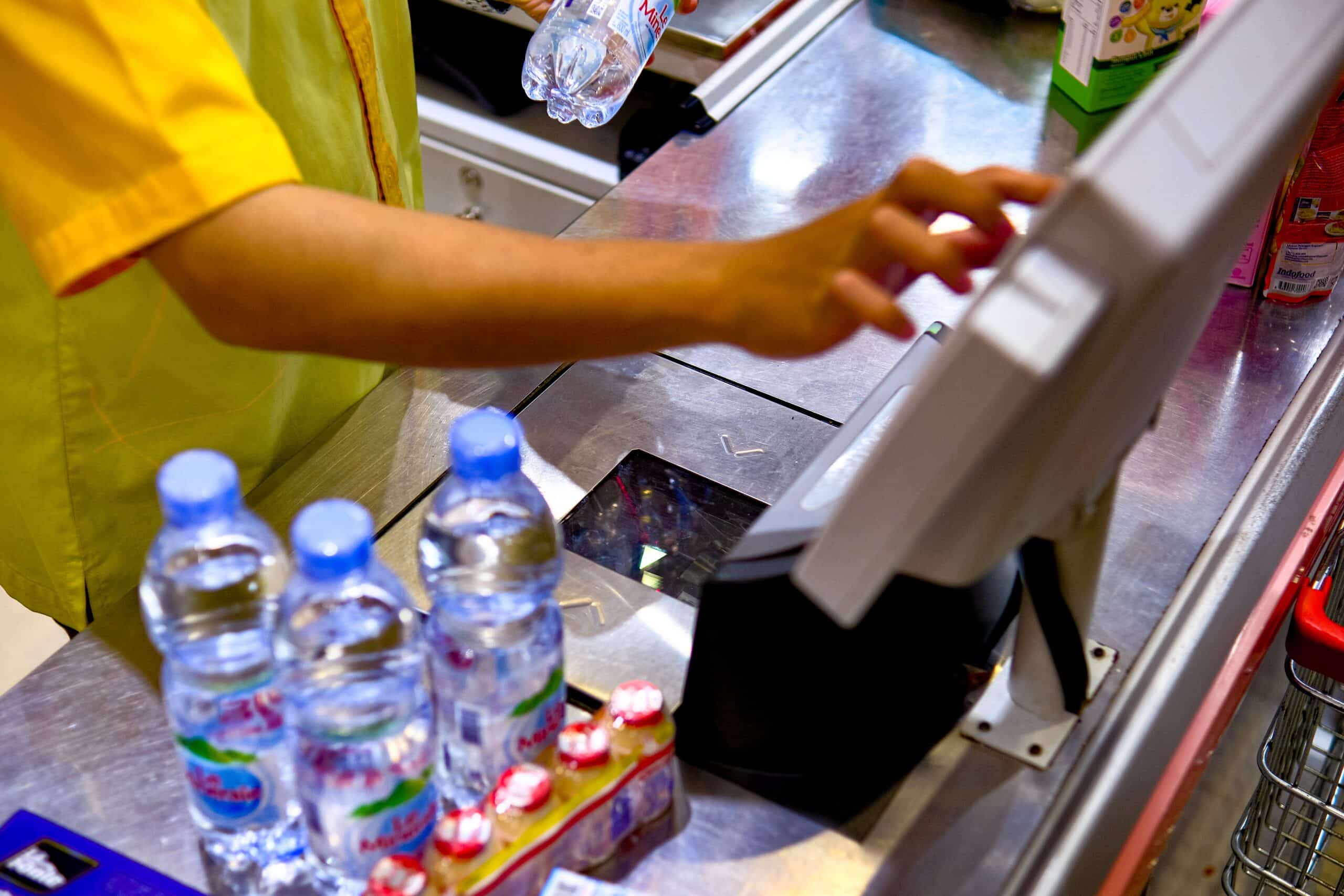
The city reportedly plans to spend about $30 million on the East Harlem location alone, while larger policy proposals discussed by advocacy groups could require hundreds of millions of dollars if expanded citywide. Critics warn that public grocery systems often involve hidden long-term costs tied to staffing, maintenance, refrigeration, supply contracts, and inventory losses. At the same time, supporters argue that successful stores could eventually stabilize food access in underserved neighborhoods and reduce household grocery bills enough to justify the investment.
The Success Or Failure Could Shape Urban Food Policy Nationwide

What happens in New York may influence how other cities approach food affordability amid rising living costs. If these stores succeed in lowering prices without destabilizing local businesses, municipal grocery programs could become a larger part of urban economic policy debates across the country. But if the stores struggle financially or fail to attract sustained customer demand, critics will likely point to New York as evidence that governments should focus on supporting private food markets rather than competing with them directly. Either way, the first stores are poised to become more than supermarkets. They are rapidly turning into a national test of how far cities should go in managing everyday economic life.