McDonald’s Has a New Rival. It’s Stealing Fast-Food Customers Rapidly, and It’s Not Even a Burger Chain.
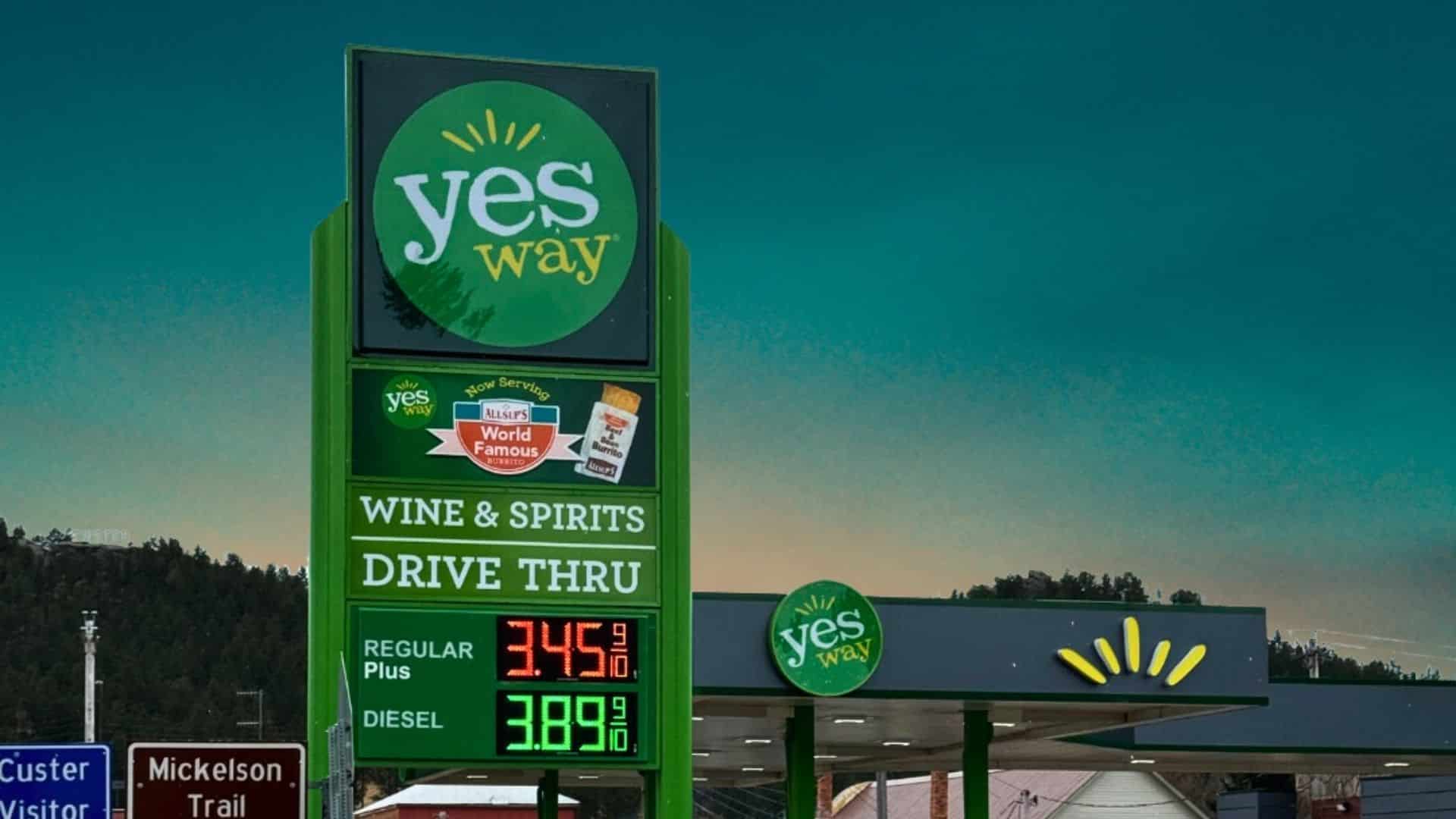

Fast food has long held a firm grip on the American on-the-go meal. But something is shifting. Consumers, squeezed by inflation and rising menu prices, are rethinking where they spend their lunch money, and the answer is increasingly not a drive-thru. Convenience stores, once synonymous with stale coffee and gas station hot dogs, are now drawing real foot traffic away from quick-service chains, with the numbers to back it up.
The transformation took a while. It took years of menu upgrades and a deliberate push toward quality for convenience stores to shed the “desperation food” label. According to Jeff Lenard, vice president of strategic industry initiatives for the National Association of Convenience Stores, it has been “a decades-long journey to go from food that was perceived as desperation to destination.” That repositioning is now paying off, particularly as fast-food prices have climbed and budget-conscious diners look for better deals.
The economic backdrop is fueling the shift. A Deloitte report noted that rising fuel costs are pushing consumers to prioritize essentials and value. Separately, research firm Tillster’s 2026 Phygital Index Report, which surveyed 2,144 U.S. diners, found that 69% have decreased or maintained their dining-out budgets due to economic conditions. Food quality, convenience, and speed ranked as the top three factors driving where people choose to eat, a combination that convenience stores are increasingly positioned to deliver.
The Burrito Is Beating the Burger
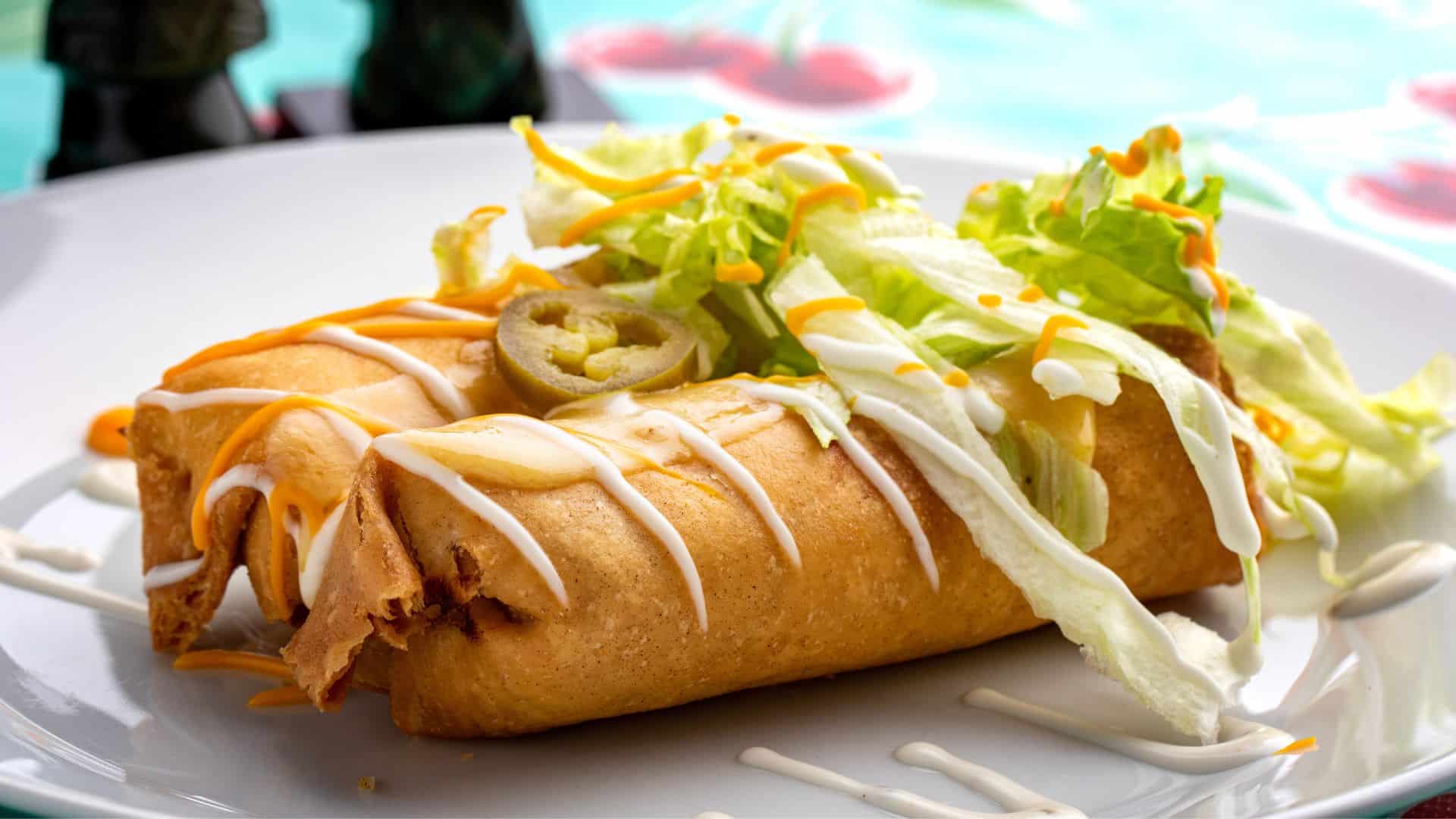
Yesway, a convenience store chain and parent company of Allsup’s, is among the clearest examples of this momentum. Allsup’s deep-fried burritos and chimichangas have become a legitimate draw, and the company’s own data suggests it is pulling customers away from fast-food competitors. Yesway CEO Tom Trkla told CNBC that sales data from their providers shows the chain’s numbers rising while some competitors’ figures decline, pointing to market share gains from both other convenience stores and quick-service restaurant chains.
The volume behind those claims is notable. In 2025, Allsup’s sold roughly 41 million proprietary food items, including about 24 million burritos, according to regulatory filings cited by CNBC. That scale puts it in direct competition with fast-food chains on frequency and reach. Trkla also pointed to pricing as a structural advantage: Yesway’s meals already sit in the $4 to $6 range, a price point fast-food chains are now moving to replicate.
CEO Chris Kempczinski has publicly described a widening split in the brand’s customer base, with low-income traffic falling by double digits while higher-income customers remain relatively steady. The chain has responded with value pushes, including $4 breakfast meals and a menu of items at $3 or less. But Yesway and similar chains argue they were already operating at those price points, making the competition less about matching deals and more about habit and loyalty.
Restaurant Loyalty Is Fracturing Broadly
The pressure on fast food isn’t coming from convenience stores alone. Tillster’s 2026 report describes what it calls one of the most fragmented foodservice landscapes in history, as consumers spread their meals across more categories than ever before. Twenty-nine percent of surveyed diners said they visit fast-food chains less frequently than before. For fast-casual restaurants, that figure is even higher, at 37%. At the same time, 36% said they go to grocery stores more often for meals, and 33% said the same about convenience stores.
Loyalty programs, long considered a reliable tool for keeping customers returning, are also losing ground. Tillster found that 28% of diners are dissatisfied with the loyalty programs they belong to, nearly double the 15% who said the same in 2025. Meanwhile, 45% of consumers reported that their favorite restaurant has changed in the past year, a significant jump from one-third who said the same the year prior. Tillster noted that restaurants can no longer rely on being a default choice to secure repeat visits.
Spending behavior is shifting in concrete ways. Sixty-one percent of diners said they have abandoned an order because of delivery service fees, according to Tillster. Another 33% said they are choosing lower-priced menu items more often, and 26% reported tipping less frequently. Tillster summed it up plainly: diners are quick to change brands and behaviors when the experience no longer feels worth it.
What Restaurants Do Next May Define the Industry
Tillster CEO Perse Faily framed the moment as a structural turning point, describing it as “Restaurant 2.0,” a phase defined by the need to deliver consistent, personalized experiences across every physical and digital channel. Faily noted that many operators still lack the connected systems to meet that standard, and that gap is contributing to the erosion of loyalty the industry is now dealing with across the board.
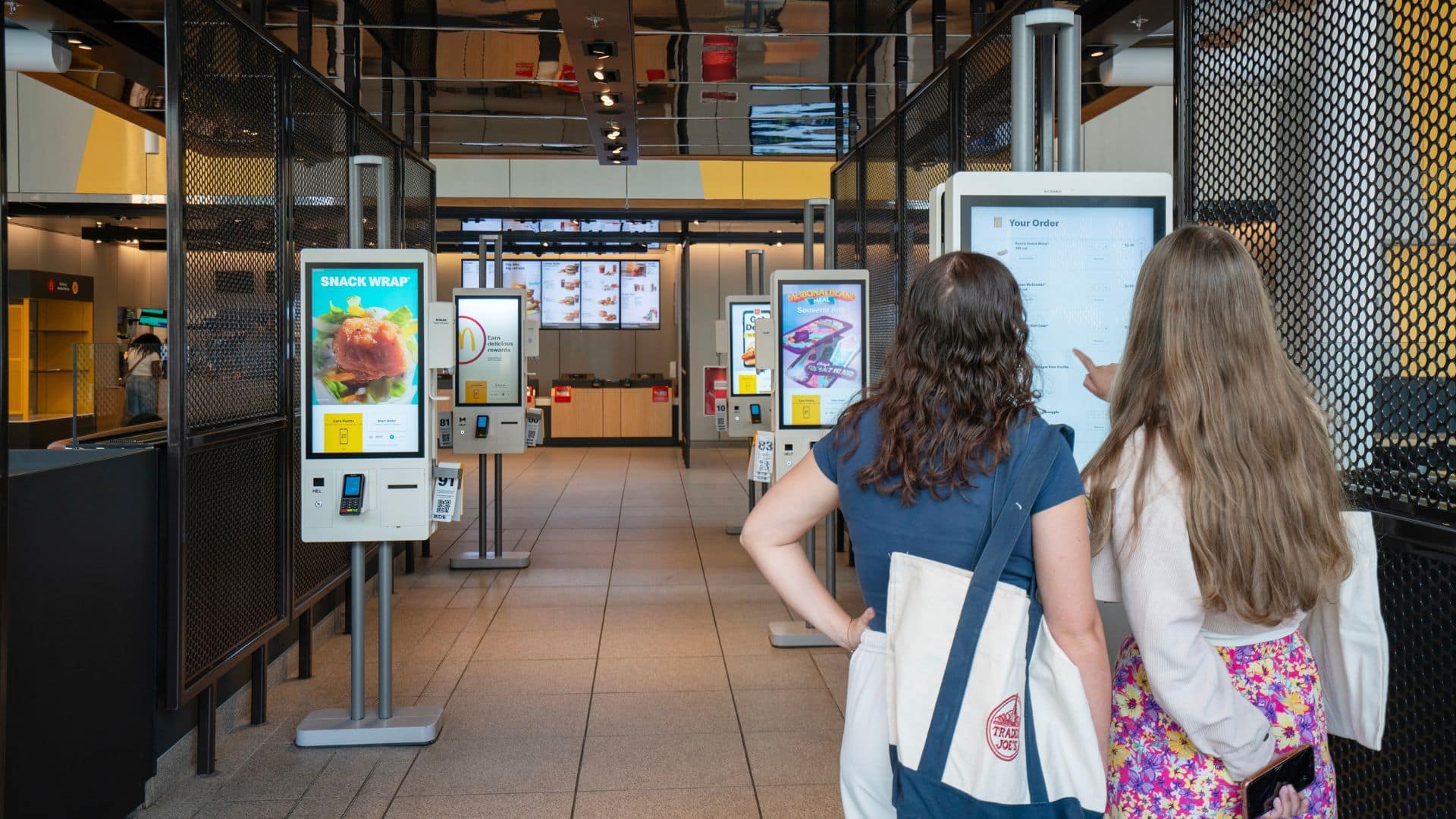
How consumers order is just as varied as where they order. Tillster’s data shows that 64% of consumers use self-service kiosks regularly, 75% order via drive-thru at least several times a month, and 61% order with a cashier just as often. The variety of how people order reflects a broader reality: diners want options, consistency, and value, and they will go wherever those three things align, whether that is a burger chain, a taco joint, or a convenience store counter.
For Yesway, the broader data reinforces what its own numbers already show. Trkla noted that customers are coming into stores not just for fuel but for food, and that inside merchandise sales are growing. As fast-food chains work to reclaim value-focused diners, convenience stores have quietly built the habits and price points that are keeping those customers away. Whether that holds long-term is uncertain, but the shift is already visible in the numbers.