McDonald’s Offers a $2.50 McDouble Deal, but Customers Still Call It ‘Highway Robbery’
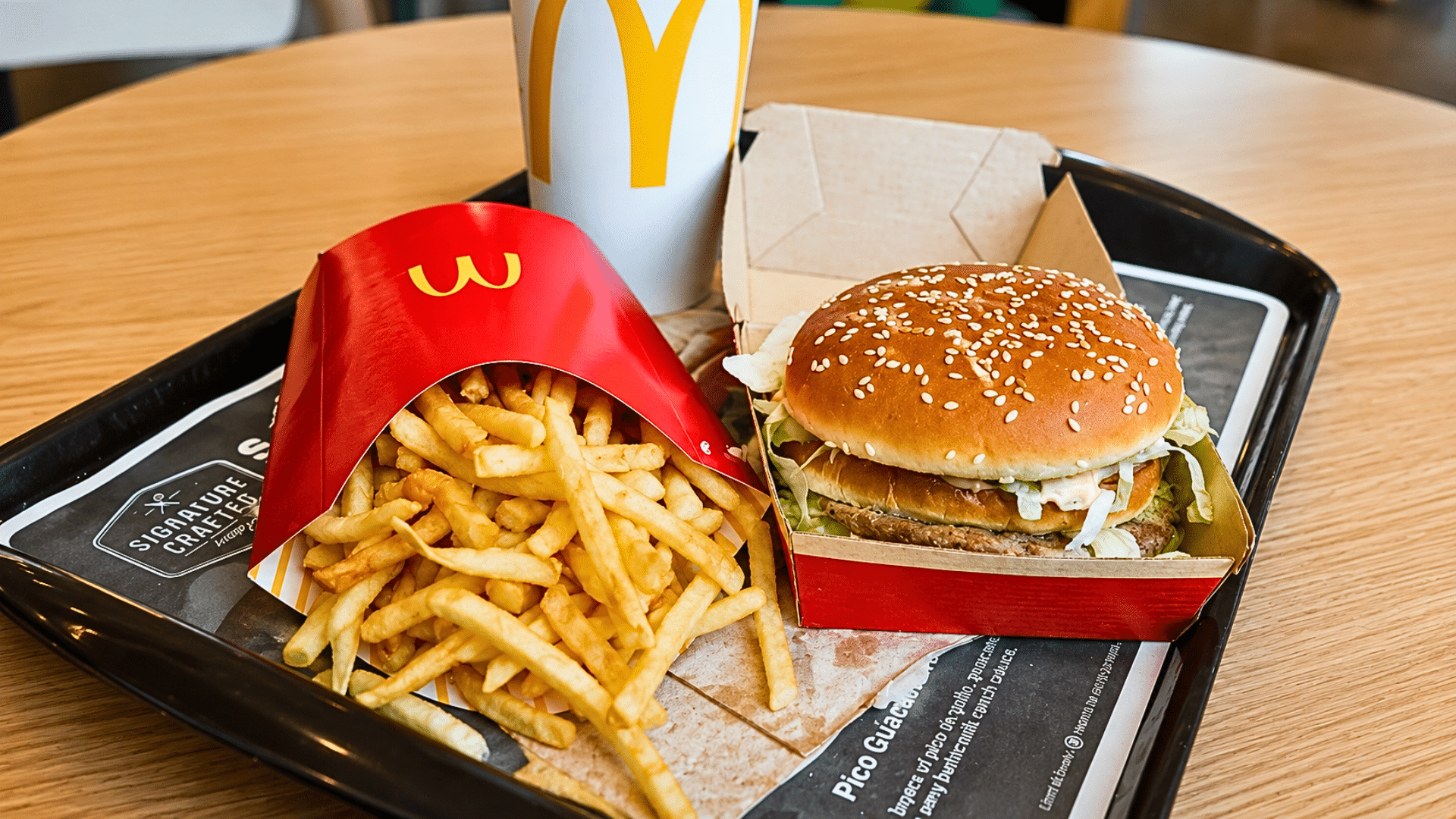

A burger that used to cost 99 cents is now being celebrated as a bargain at $2.50, and a lot of people are not buying it, literally or figuratively. McDonald’s launched its revamped McValue menu on April 21, 2026, featuring an Under $3 lineup and a limited-time $2.50 McDouble promotion. The chain is pitching it as relief for budget-conscious customers. But for many Americans who remember the Dollar Menu era, the announcement felt less like a deal and more like a reminder of how far prices have climbed.
The McValue expansion includes at least ten items priced under $3, available all day at participating locations. Highlights include a $1.50 Sausage McMuffin, a $4 Breakfast Meal Deal, and a $6 combo pairing a McDouble with four-piece McNuggets, small fries, and a drink. According to McDonald’s USA Chief Marketing Officer Alyssa Buetikofer, the goal is to give customers “more choice and flexibility” at a “predictable everyday low price.” Whether that framing lands depends entirely on how long a customer has been ordering from the Golden Arches.
The backlash arrived quickly. On Reddit, one user recalled McDoubles costing 99 cents just a decade ago. On X, a user posted that the burger was once a dollar and asked why a price of $2.50 should impress anyone. Another pointed out that the McDouble, small fries, and a drink used to total well under $4, a combination that now costs $6 in the bundle. McDonald’s may be offering discounts relative to its own recent prices, but for many customers, those recent prices are precisely the problem, and the deeper story starts with how they got there.
The Price Climb That Made ‘Cheap’ a Relative Term
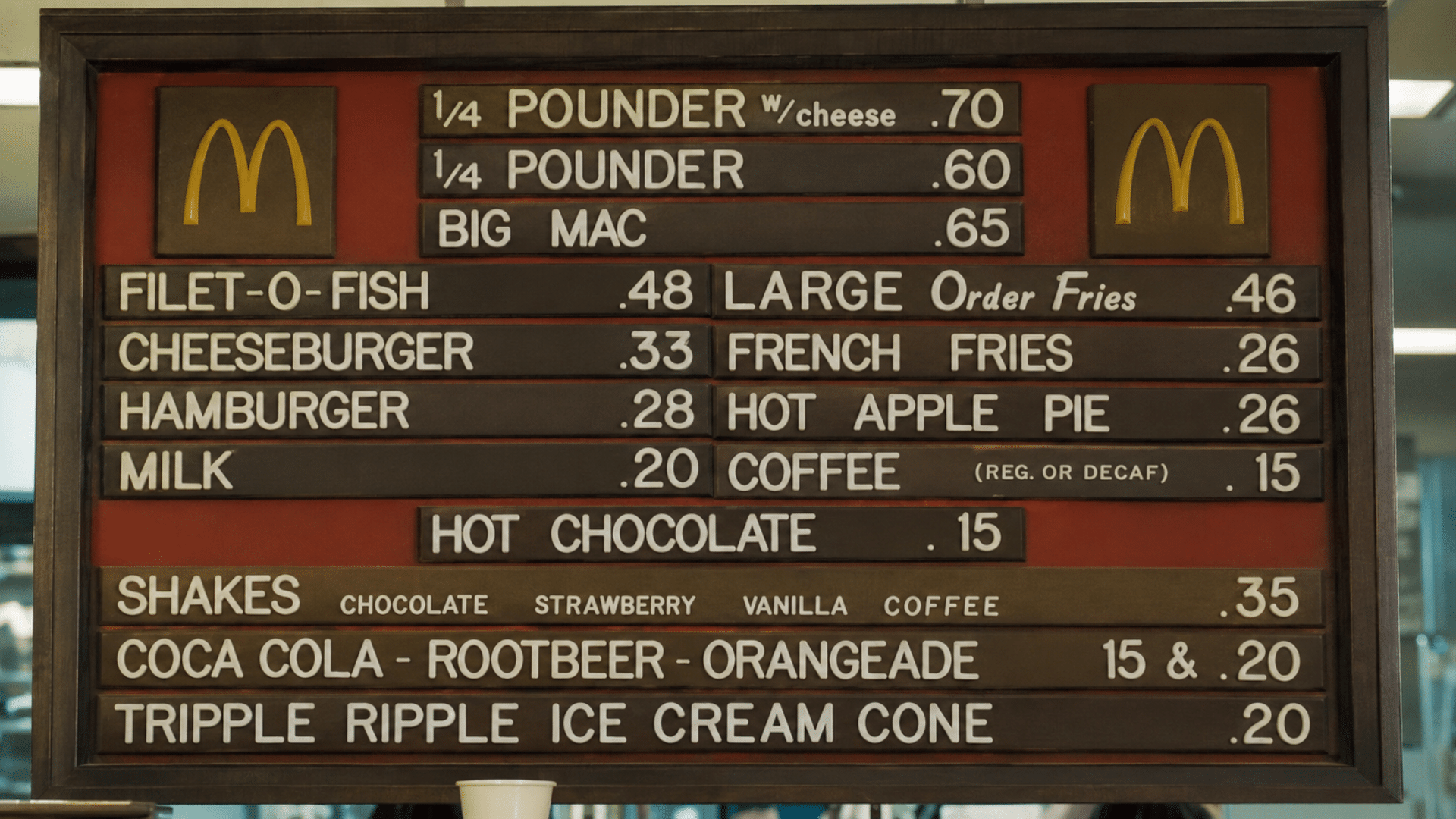
The McDouble was not always a $3 item. According to data compiled by FinanceBuzz and reported by Visual Capitalist, the average price of a McDouble was $1.19 in 2014. By 2024, it had risen to $3.19, a jump of roughly 168% over ten years. That increase outpaced general inflation by a significant margin. General inflation rose about 32% over the same period. For a burger that once anchored the Dollar Menu, the math is difficult for customers to ignore, regardless of how McDonald’s frames its latest promotions.
McDonald’s isn’t the only fast-food chain that raised prices, but the data suggests it raised them more aggressively than most. The same FinanceBuzz analysis found McDonald’s had the highest average price increase across the chains studied, at around 100% since 2014. Popeyes came in second at 86%, followed by Taco Bell at 81%. The Quarter Pounder with Cheese meal, which cost $5.39 in 2014, was averaging nearly $12 by 2024. The McChicken, once a $1 staple, had nearly tripled in price. For a brand built on affordability, those numbers represented a fundamental shift in its relationship with its core customers.
McDonald’s has contested some of the specific figures in these analyses, noting in a public statement that pricing is set by individual franchisees and varies by location, and that some reported averages were “significantly inflated.” The company’s own comparison points to a Big Mac rising from $4.39 in 2019 to $5.29 by 2024, or about 21%. But the debate over exact numbers misses a broader truth that customers have already internalized: fast food, once the affordable fallback for working-class families, no longer reliably functions as one. That perception is exactly what McDonald’s is now trying to fix.
The Deal Playbook and Why Customers See Through It
Reducing a price from $3.19 to $2.50 sounds like savings until you frame it against the price of $1.19 a decade ago. That is the rhetorical trap McDonald’s finds itself in, and the one its customers keep pointing back to online. When a company raises prices over several years, then introduces a discounted rate as a promotion, the headline number can feel less like relief and more like a reminder of the original offense. The $2.50 McDouble is a genuine reduction from current shelf price, but current shelf price is itself the source of public frustration.
McDonald’s has been here before. The original Dollar Menu launched in 2002 and became one of the most successful value propositions in fast food history. It was quietly dismantled over the following years as costs rose and franchisees pushed back against the margin pressure of $1 items. The replacement, the Dollar Menu and More, raised prices to $1, $2, and $5. The $5 Meal Deal followed in 2024 as a response to the then-viral backlash over high prices. Now the McValue menu is the next iteration, and the pattern is visible to anyone who has been paying attention: a rollout, a backlash, a new value platform, a fresh round of backlash.
Social media has made each iteration of this cycle more visible and more immediate. A single Reddit post or viral X thread can bring national attention to the price of a burger within hours. The “highway robbery” language that circulates online after each McDonald’s promotion reflects something beyond sticker shock. It reflects a sense of being managed rather than valued. Customers notice when a discounted price is still higher than what they paid years ago without any discount at all. The gap between what McDonald’s calls value and what customers remember paying is the space where the brand’s credibility currently lives.
Winning Customers Back Is Harder Than Lowering a Price
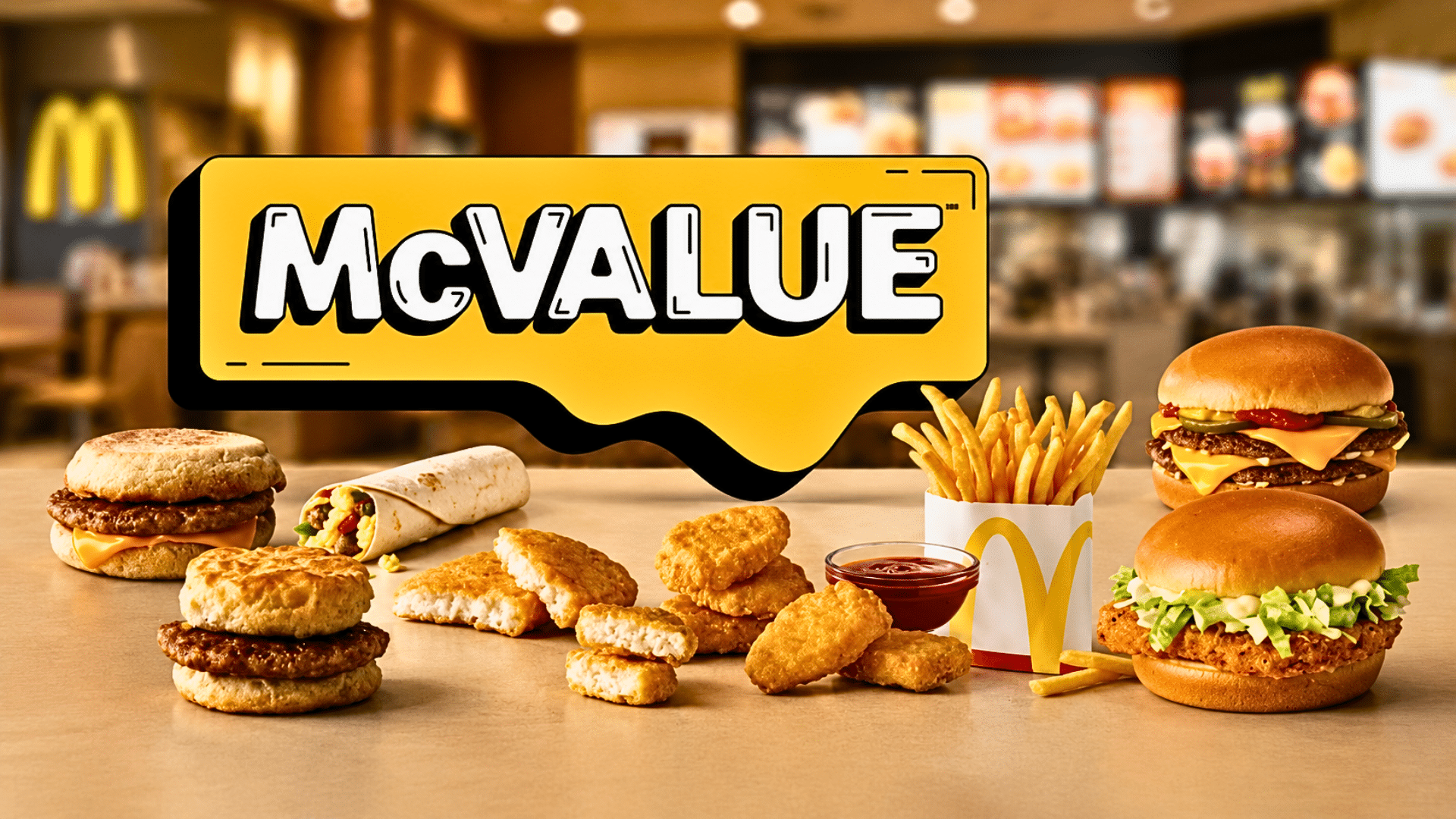
McDonald’s is not operating in a vacuum. The company reported in early 2026 that it had noticed softer traffic from lower-income customers, the same demographic that once made the Dollar Menu a cultural institution. The McValue expansion is a direct response to that trend. The revamped menu drops app-only requirement complexity and replaces it with what the company calls “predictable everyday low prices” available in-store. Structurally, the offering is broader and more accessible than previous value pushes. Whether it moves the needle on trust is a separate question.
Some online voices have acknowledged the deal on its own terms. One X user conceded the $2.50 McDouble was “far from the dollar it used to be, but a step in the right direction,” capturing the ambivalence many customers feel. The complaints are real, but so is the underlying math of running a food business through a decade of rising ingredient, labor, and energy costs. McDonald’s has faced genuine cost pressures, as have all restaurant chains. The customer frustration is not entirely directed at bad faith, but it is directed at a company that has become the symbol of everything that went wrong with fast food affordability.
The $2.50 McDouble will not undo a decade of price increases, and McDonald’s likely knows that. What the McValue expansion represents is something more modest: a strategic attempt to stop the bleeding on customer perception before it becomes permanent. The real test is whether affordability becomes a durable commitment or another promotional cycle. If prices creep back up once the headlines fade, customers who came back for the deal will remember. And next time, the gap between what McDonald’s calls a bargain and what people are willing to believe may be harder to close.