McDonald’s Rival Chain Announces Shut Down of 729 Additional Locations
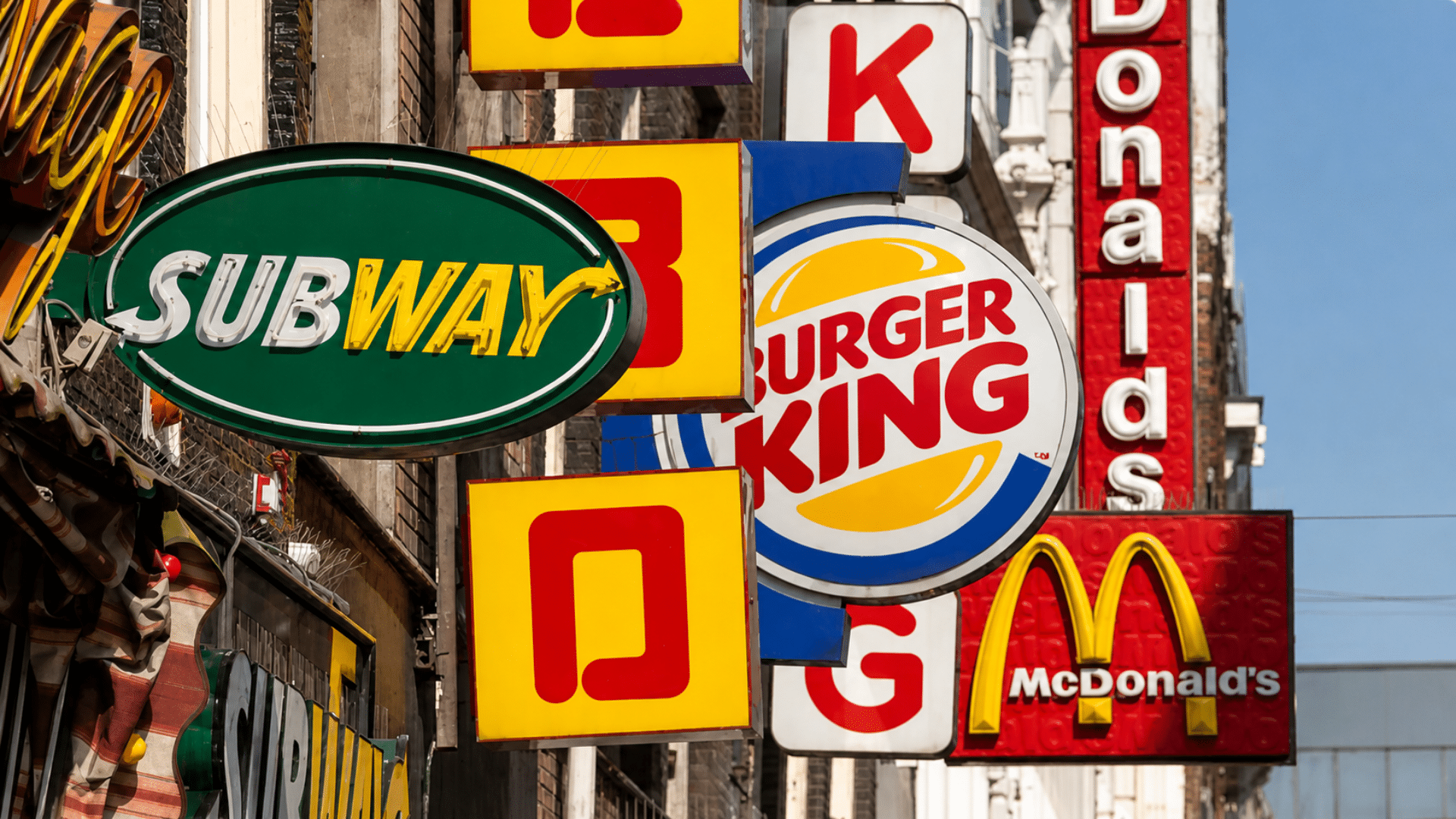

The world’s largest restaurant chain is shrinking, and it has been for a decade. Subway shuttered a net of 729 restaurants in 2025, ending the year with 18,773 locations nationwide. It marked the tenth consecutive year the chain has lost ground in the United States. For a brand that once seemed unstoppable, occupying every strip mall, rest stop, and food court in the country, that number is more than a statistic. It is a signal that something has gone seriously wrong.
Between 2016 and 2025, Subway closed a net of 8,345 restaurants in the United States. That figure alone would rank among the top five biggest chains in America. To put it plainly: the locations Subway has lost since its peak would form one of the largest fast-food chains in the country if they still existed. This is not a minor correction or a bad quarter. It is a structural collapse playing out one shuttered sandwich shop at a time, and it shows no clear sign of stopping.
Subway reached its peak of more than 27,000 U.S. stores in 2015, the same year the chain’s co-founder Fred DeLuca died from cancer. From that height, Subway has lost roughly one-third of its domestic footprint. All of its locations are franchised, meaning every closure represents an independent owner who invested heavily in the brand and ultimately walked away. Understanding why this happened requires going back further than most people realize, to the years when Subway looked invincible.
How Subway Went from Untouchable to in Retreat
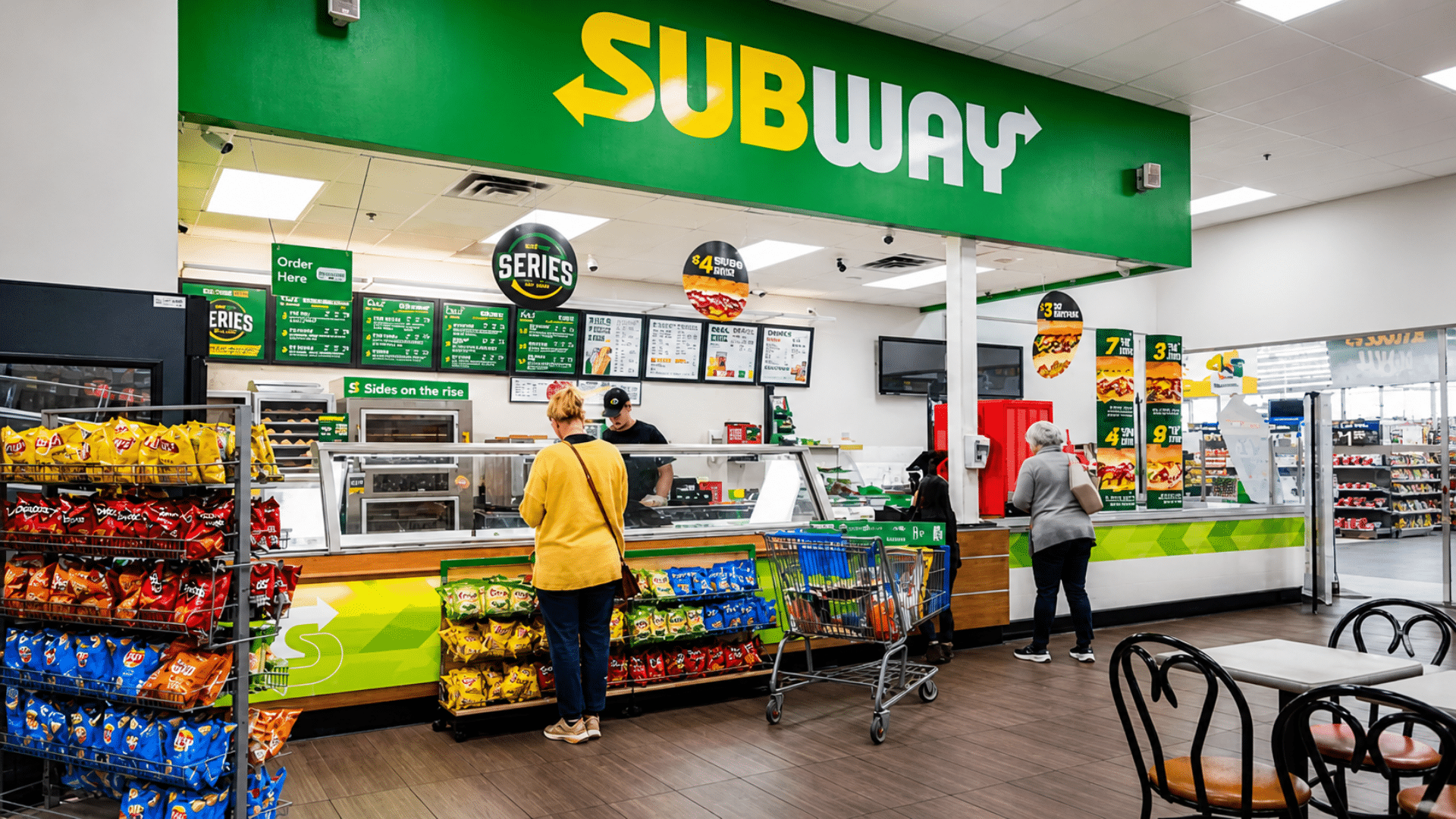
Subway’s rise was genuinely remarkable. The company surpassed McDonald’s in the United States in 2002 and later became the world’s largest restaurant chain by number of locations, a title it has held since 2011. It did this not by chasing revenue but by planting locations everywhere, including churches, community centers, and highway rest stops. The model was volume over quality, and for a time, it worked. Subway’s green logo became as familiar as any landmark in American life.
But the cracks appeared early. According to Jonathan Maze, editor in chief of Restaurant Business, writing in Nation’s Restaurant News, same-store sales began falling as far back as 2012, three years before the location count started dropping. Maze wrote that aggressive expansion over that period cannibalized existing locations and hurt unit economics. Operators privately told him that stores which had been exceptionally strong five years earlier were much weaker. The chain had grown faster than its own business model could sustain.
Then came 2015, and a blow the brand was not prepared to absorb. Jared Fogle, the longtime spokesperson whose weight-loss story had made Subway a household name, was arrested and later pleaded guilty to charges involving child pornography and sex with minors. The chain cut ties with Fogle immediately, but the reputational damage was real. According to Patrick Hillman, a vice president at crisis management firm Levick Communications, quoted by Marketing Dive, Subway faced the difficult task of separating its identity from a spokesperson who had become deeply embedded in its public image.
A Brand That Stopped Evolving While the Market Moved On
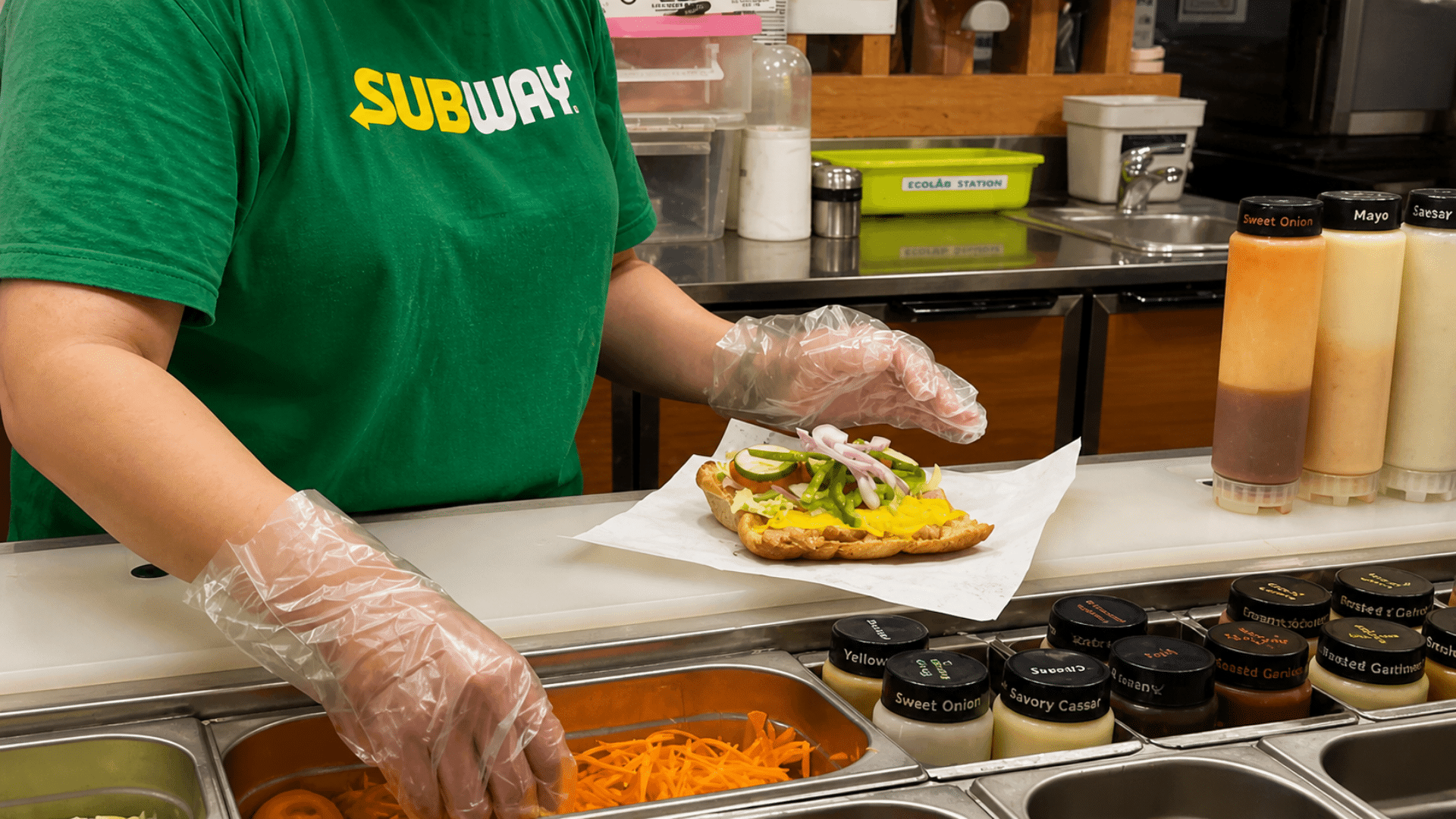
Even setting aside the Fogle scandal, Subway had a deeper problem: its core identity was becoming irrelevant. Food Network personality Ali Khan described the shift plainly. In the early 2000s, the “Eat Fresh” brand message resonated with a public trying to eat better than what McDonald’s and Burger King were offering. But as Chipotle, Jersey Mike’s, and other fast-casual chains arrived with genuinely higher-quality food, Subway began to look like a relic. The tiles were still beige. The spinach was still limp. The competition had moved on.
Subway has closed more restaurants in absolute terms than any restaurant chain in U.S. history, and it is not particularly close. Only Quiznos, which has closed around 4,500 locations, even comes near that figure. Yet Subway remains the largest chain in America by location count, a fact that tells you as much about how enormous it once was as it does about its current position. What remains is a diminished version of what Subway was at its peak, and the industry is watching to see how low the floor actually goes.
Subway’s official position is that these closures are part of a deliberate, multi-year rightsizing strategy. In a statement, the company said it is focused on ensuring restaurants are in the right locations with the real estate, visibility, and operations needed to set franchisees up to succeed long-term. The company also points to rising restaurant evaluation scores and Google review ratings as evidence the strategy is working. But those improvements exist alongside a shrinking footprint, and the gap between the company’s optimism and the reality on the ground is hard to ignore.
McDonald’s Is Growing, and the Crown May Be Changing Hands
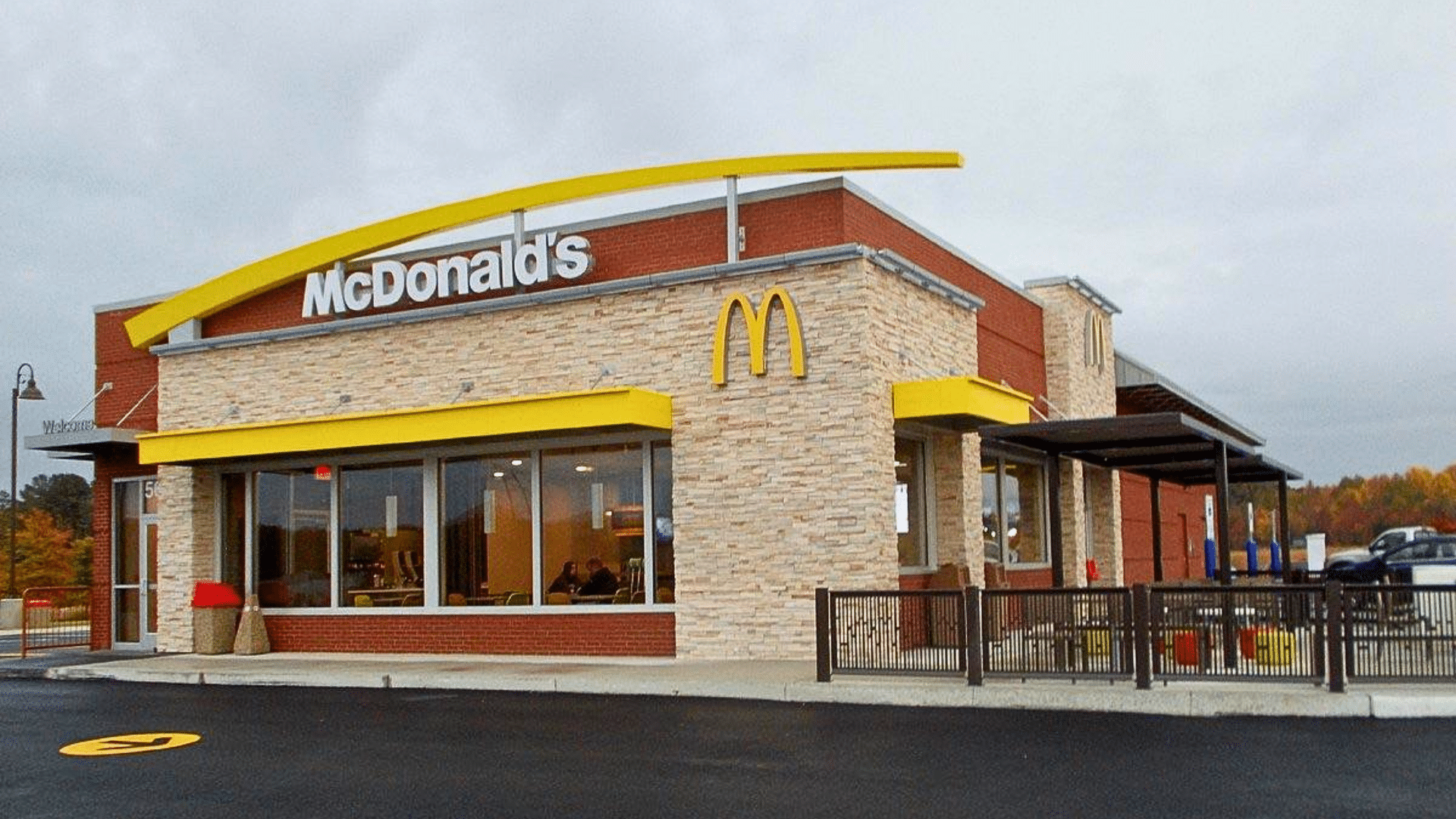
While Subway contracts, McDonald’s is building. According to Zacks.com, McDonald’s is pursuing an aggressive global expansion strategy with a clear target of reaching 50,000 restaurants worldwide by the end of 2027. That trajectory would eventually put McDonald’s on course to overtake Subway as the largest restaurant brand on earth, a title Subway has held globally since 2011. The contrast between the two chains right now could not be sharper or more telling.
Subway does appear to be faring better internationally. The brand debuted more than 1,000 new locations worldwide in 2025, and its pipeline is backed by more than 30 master franchise agreements representing over 12,000 future international units. The company signed deals across ten countries in 2025 and added Panama and Taiwan in 2026. The international story offers some genuine hope. But it does not undo a decade of domestic decline, and it does little comfort for the thousands of U.S. franchisees who have already closed their doors.
Subway is now owned by private equity firm Roark Capital, which purchased the chain for a reported $9.6 billion in 2024, and has a new CEO in former Driven Brands chief executive Jonathan Fitzpatrick. New ownership, new leadership, and a stated commitment to rebuilding quality may eventually reverse the trend. But the deeper question is whether any turnaround can undo the habits of a generation of consumers who have already moved on.