‘Most People Don’t Have a Clue This Is Happening,’ Scientist Warns After Finding ‘Forever’ Chemicals on Fruits and Vegetables
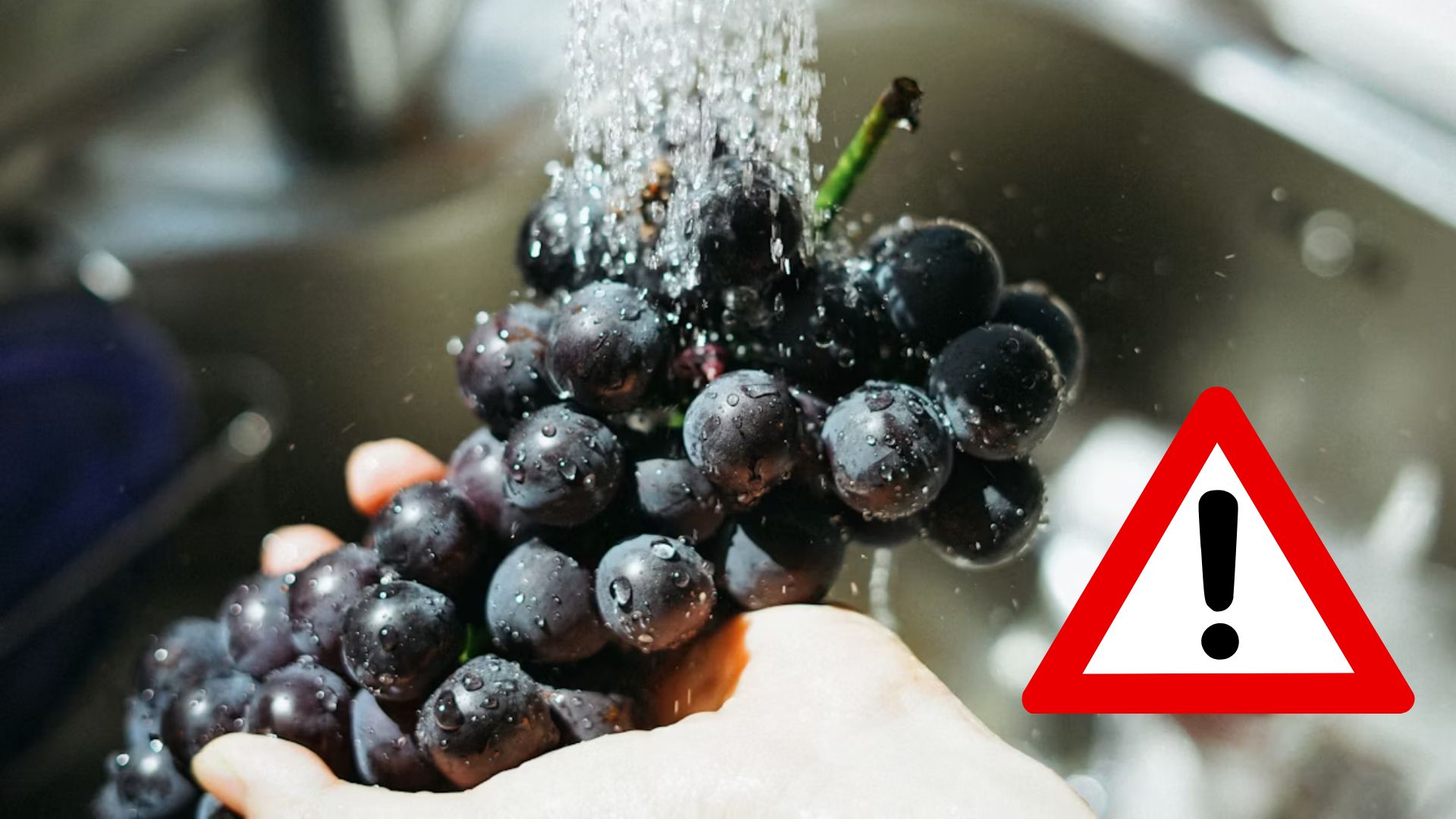

Strawberries, peaches, nectarines, grapes — the fruits most Americans eat regularly are carrying something most shoppers never consider. A new analysis by the Environmental Working Group found that 37% of non-organic, California-grown produce samples contained residues of PFAS pesticides, a class of synthetic chemicals that can take centuries to break down. California grows more than half the nation’s fruits and vegetables.
What Makes These Chemicals ‘Forever’
PFAS, short for per- and polyfluoroalkyl substances, earn the “forever chemical” label because of their carbon-fluorine molecular bonds, which resist breaking down in the environment, sometimes persisting for decades or even centuries. There are an estimated nearly 15,000 types of fluorinated chemicals in existence today, and several legacy PFAS can cause harm at concentrations as small as one billionth of a gram, according to the EPA.
PFAS Pesticides Are Applied Directly to Produce Before and After Harvest
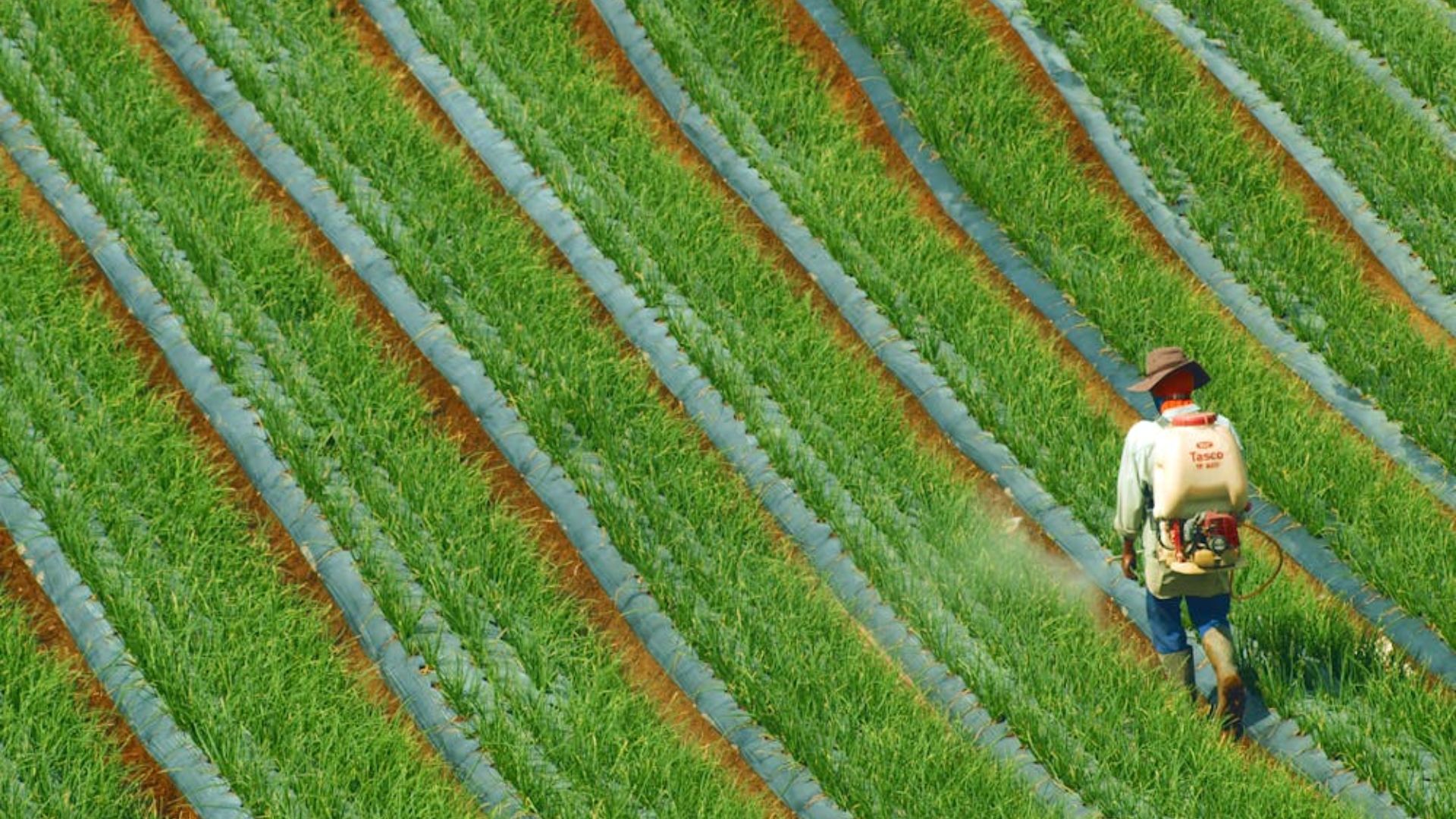
Unlike industrial PFAS that end up in food through pollution or packaging, these are applied directly to crops. “The PFAS pesticide is the active ingredient in these products because it’s effective at killing things — which is the very reason why it’s so concerning to public health and the environment at large,” said Bernadette Del Chiaro, senior vice president for California operations at EWG.
Fludioxonil Showed Up on 9 Out of 10 Peaches, Nectarines, and Plums
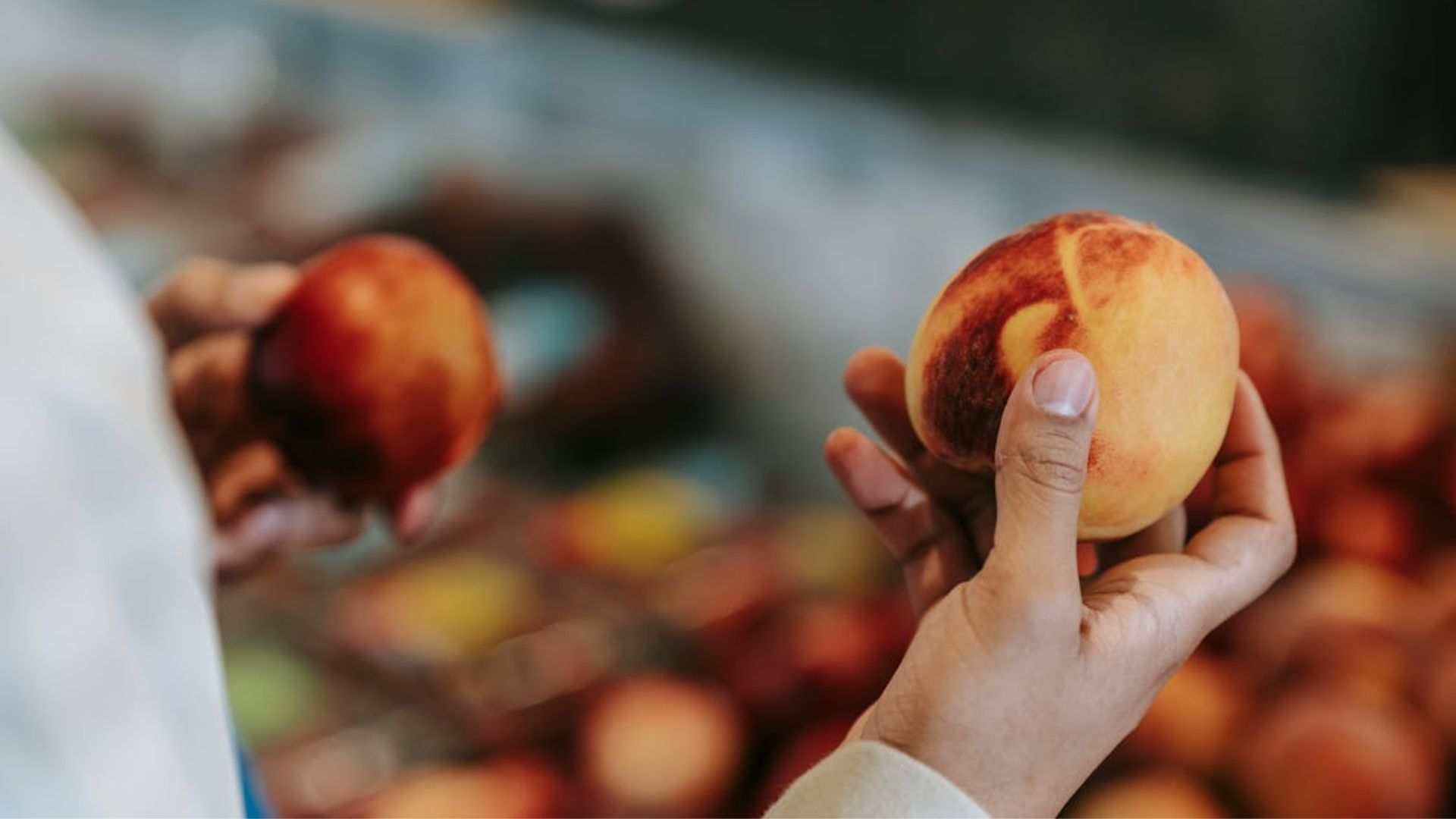
The most frequently detected PFAS pesticide in the EWG analysis was fludioxonil, a post-harvest fungicide sprayed on fruit after picking to prevent mold during storage and shipping. It was found on more than 90% of nectarine, peach, and plum samples, and appeared on lemons at concentrations exceeding 1 part per million. Varun Subramaniam, a science analyst at EWG, noted that the European Food Safety Authority classifies fludioxonil as an endocrine-disrupting chemical linked to reproductive harm in animals.
Strawberries Carried 10 Different PFAS Pesticides in a Single Sample
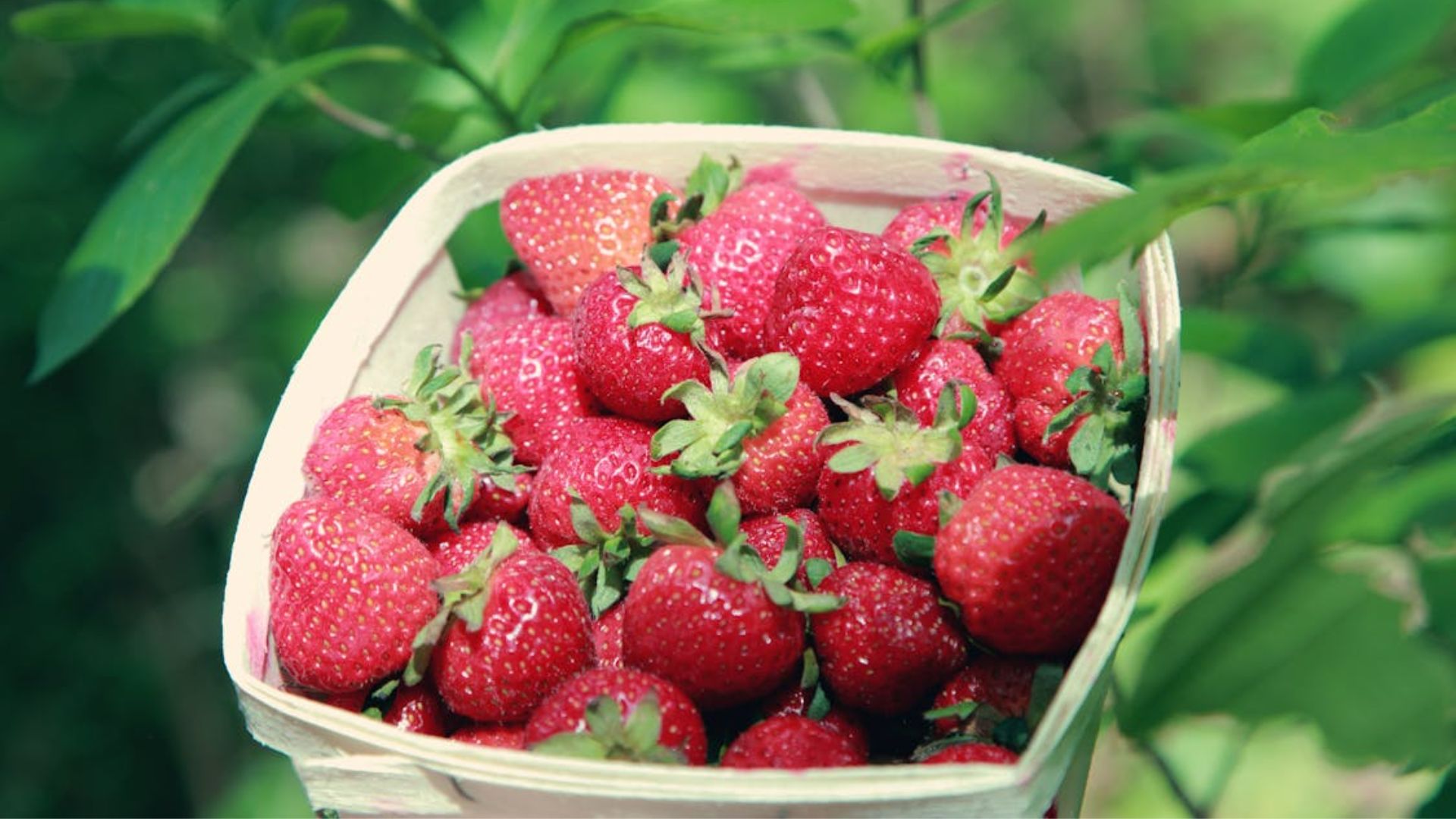
No crop in the analysis showed broader PFAS contamination than strawberries, which tested positive for 10 individual PFAS pesticides — more variety than any other fruit or vegetable in the study. Cherries and peaches carried seven different chemicals each, grapes and celery had six, and spinach had five. That combination matters, according to Subramaniam: “Being exposed to a cocktail of pesticides is often a lot more dangerous than being exposed to each of them in the same amounts individually.”
Scientists Say the Health Risks of Combined Pesticide Exposure Are Still Unknown
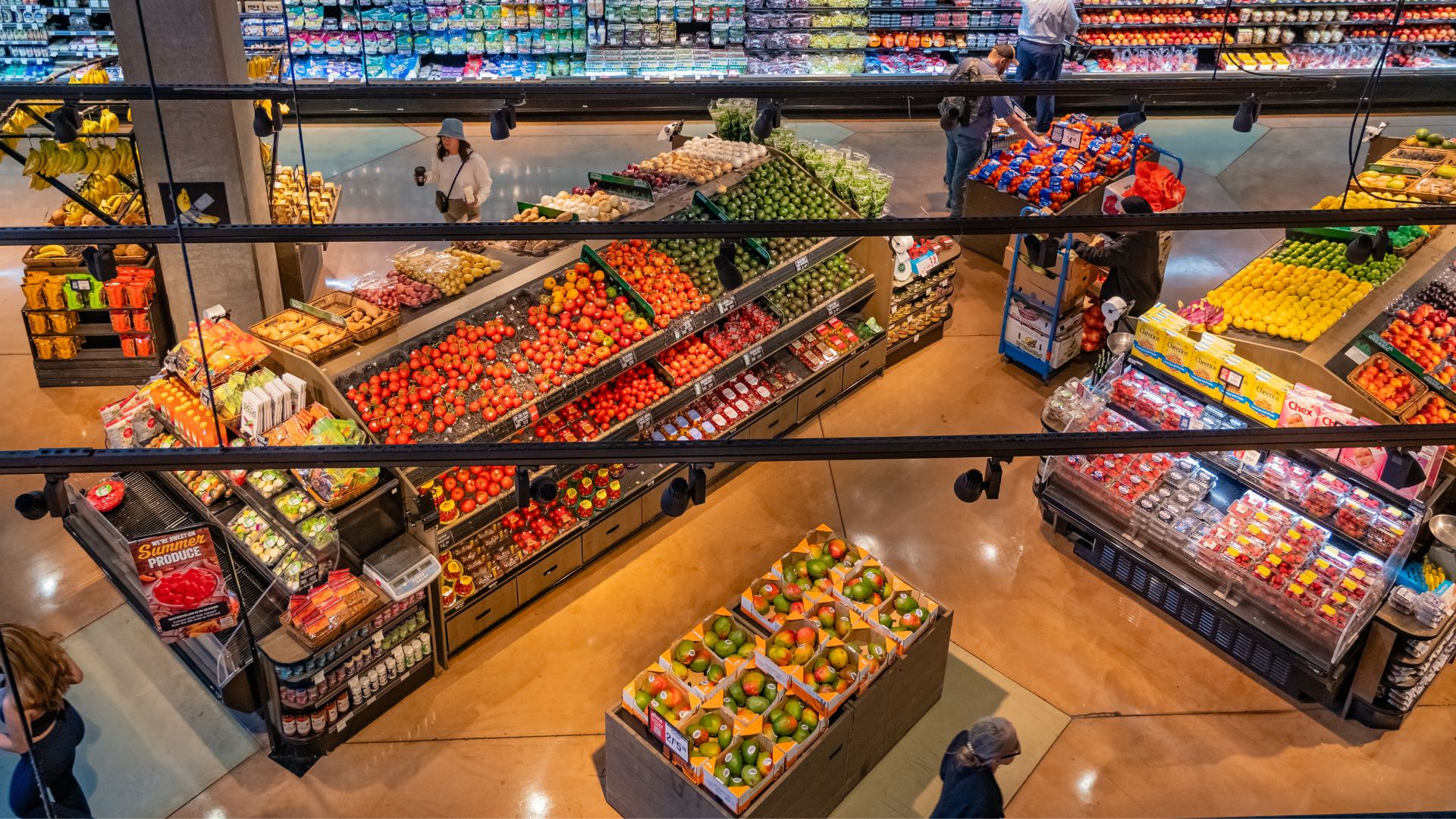
The EPA has linked legacy PFAS to cancer, thyroid disease, high cholesterol, liver damage, decreased fertility, and immune system disruption. According to the EWG report, newer PFAS pesticides exhibit concerning effects on human cells and on the reproductive and nervous systems of animals. Nathan Donley, environmental health science director at the Center for Biological Diversity, said the EPA is not looking at what happens when someone is exposed to 10 of these pesticides over 20 years. “I think most people don’t have a clue this is happening,” he said.
California Applies 2.5 Million Pounds of PFAS Pesticides Every Year
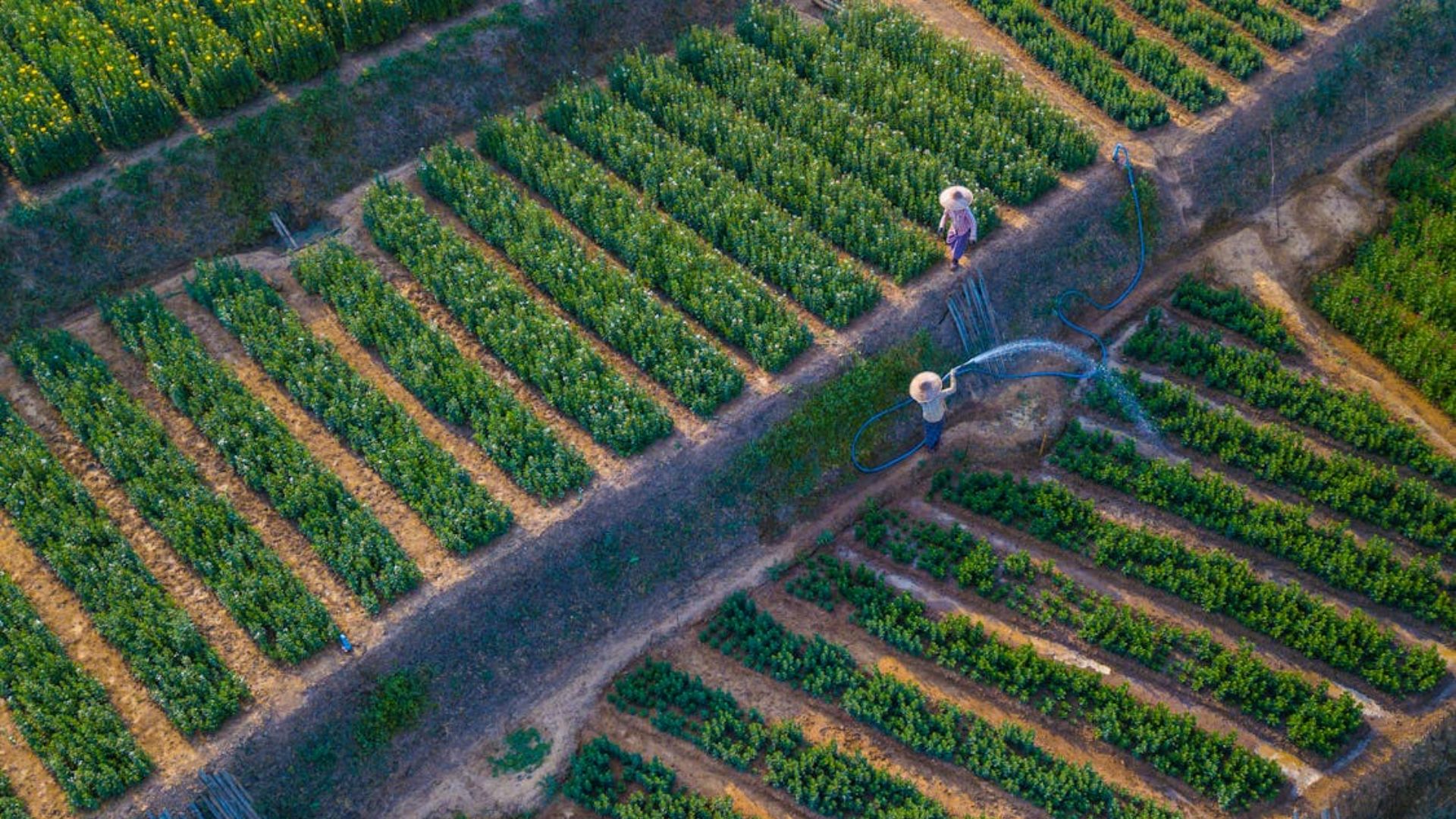
On average, 2.5 million pounds of PFAS pesticides are applied across 58 counties in the state annually. In 2023 alone, 785 different PFAS pesticide products were used in California. The EWG report noted that of the 53 PFAS pesticides registered in the state, 23 are banned by the European Union — four of which were detected on California-grown produce.
The Pesticide Industry Is Moving Toward PFAS, Not Away From It
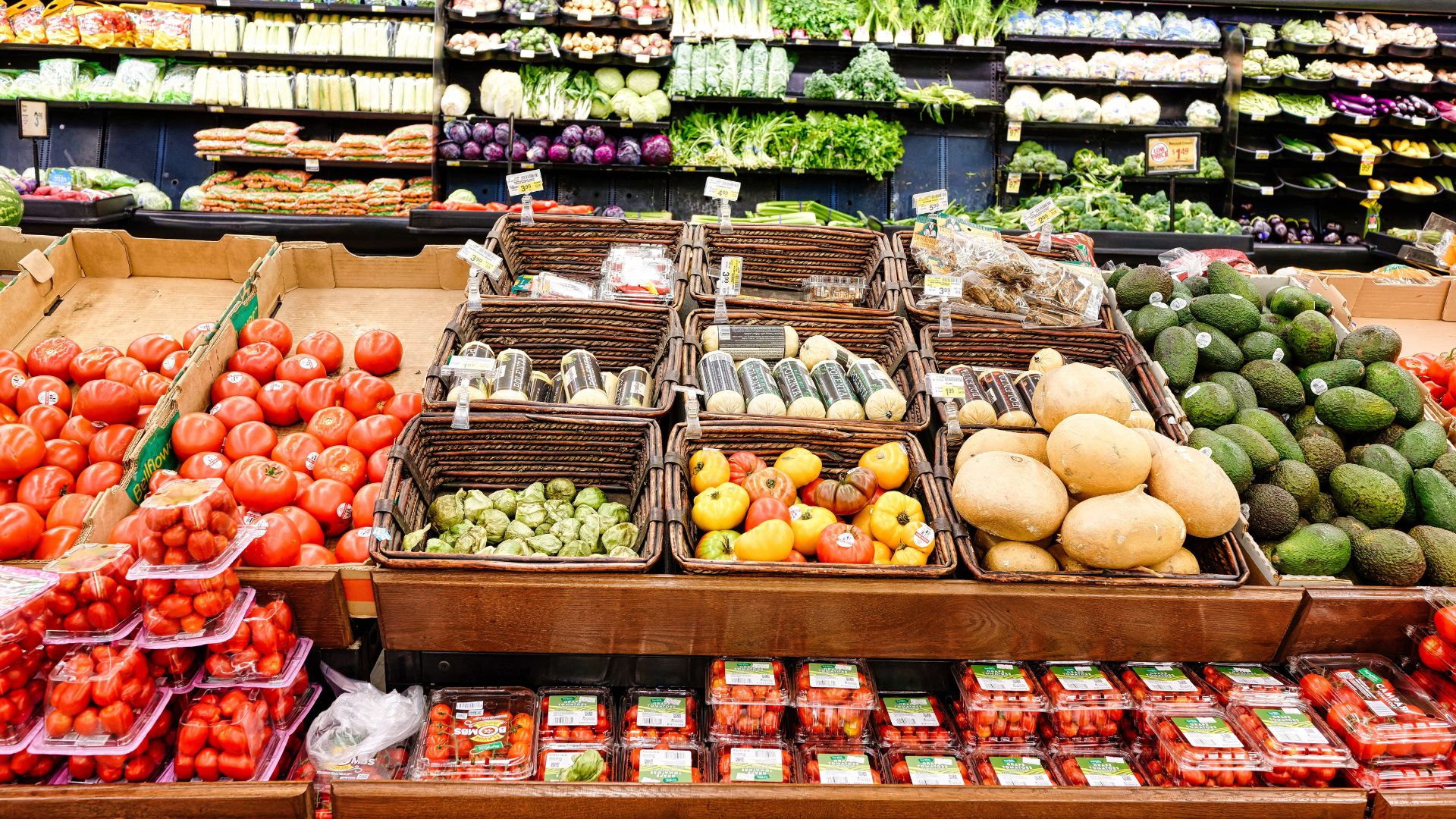
“The new generation of pesticides are PFAS, and it’s genuinely frightening,” Donley said. “At a time when most industries are transitioning away from PFAS, the pesticide industry is doubling down.” The Trump administration has approved two new PFAS pesticides for use on lettuce, oranges, tomatoes, almonds, peas, and oats, CNN reported, with a third targeting corn, soybean, and wheat crops under consideration.
Sweet Potatoes, Avocados, and Mushrooms Had No Detectable PFAS
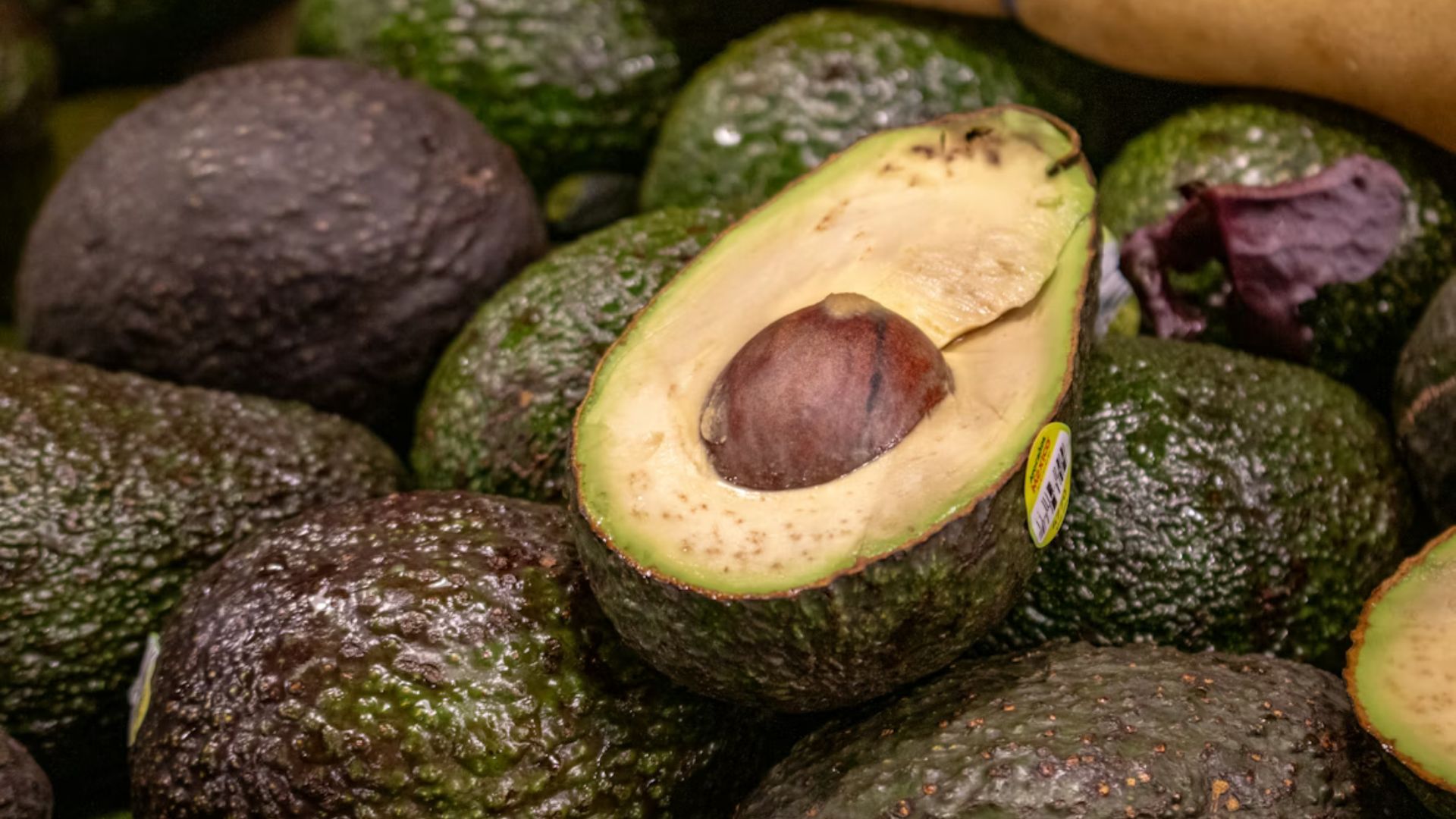
Not every produce item in the analysis came back with PFAS residues. Several crops that regularly appear on EWG’s Clean Fifteen list — its annual ranking of produce with the lowest overall pesticide residues — showed no detectable PFAS pesticides in the 2023 data. Those include avocados, sweet corn, cauliflower, mushrooms, watermelon, sweet potatoes, cantaloupe, and tomatoes. Those items carry lower pesticide levels overall, whether purchased organic or conventional.
Washing Helps, but Organic Remains the Safest Option
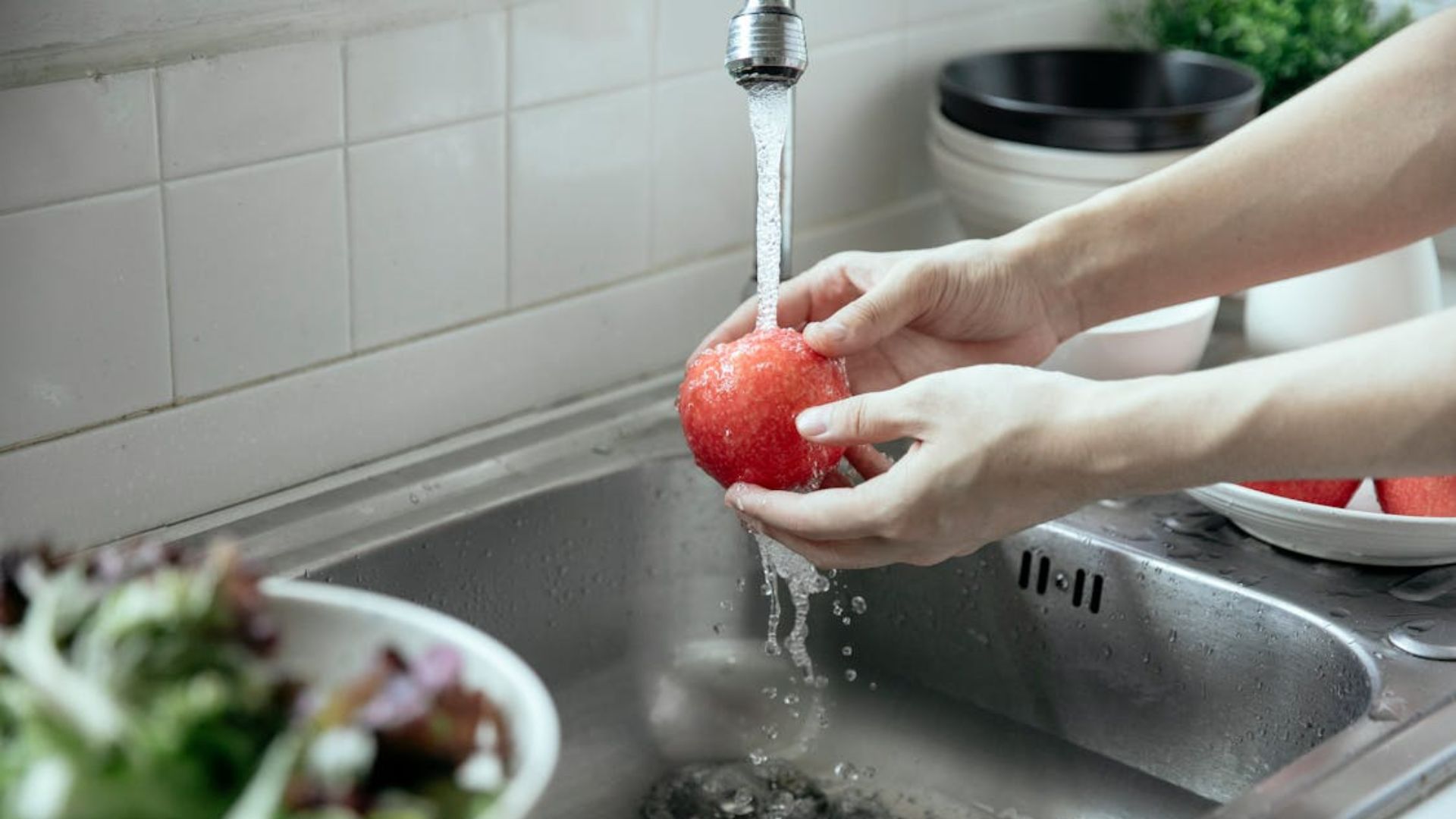
EWG isn’t advising people to eat less fruit and vegetables — produce remains essential to a healthy diet. Certified organic options prohibit PFAS pesticides entirely and are the most reliable way to reduce exposure. For conventional produce, rinsing thoroughly under running water and scrubbing firm items like carrots and cucumbers is recommended, according to Stephanie Eick, assistant professor of environmental health and epidemiology at Emory University’s Rollins School of Public Health. Soap, bleach, and produce washes should be avoided — fruits and vegetables are porous and can absorb those chemicals.