Nearly 10 Million Pounds of Trader Joe’s Frozen Food Recalled Due to Glass Risk

Trader Joe’s has expanded a large food recall after health officials warned that nearly 10 million pounds of frozen products may contain shards of glass, prompting consumers to check their freezers. The recall affects multiple popular items sold under the Trader Joe’s label that were produced by Ajinomoto Foods North America. Federal regulators and the grocery chain say this action is being taken out of an abundance of caution to protect public safety.
The U.S. Department of Agriculture’s Food Safety and Inspection Service identified the glass contamination risk after receiving consumer complaints and testing products, leading to the voluntary removal of these items. The potential presence of glass pieces in food creates a risk of injury if consumed and has prompted one of the largest recalls involving Trader Joe’s in recent years. While no injuries have been reported so far, regulators emphasize the importance of taking the recall seriously.
Consumers are urged to stop eating affected products immediately and to follow recall instructions carefully, as the consequences of ingesting glass can range from minor discomfort to serious harm. With products widely distributed across dozens of states, the scope of the recall is significant and affects many households.
What Products Are Included in the Recall
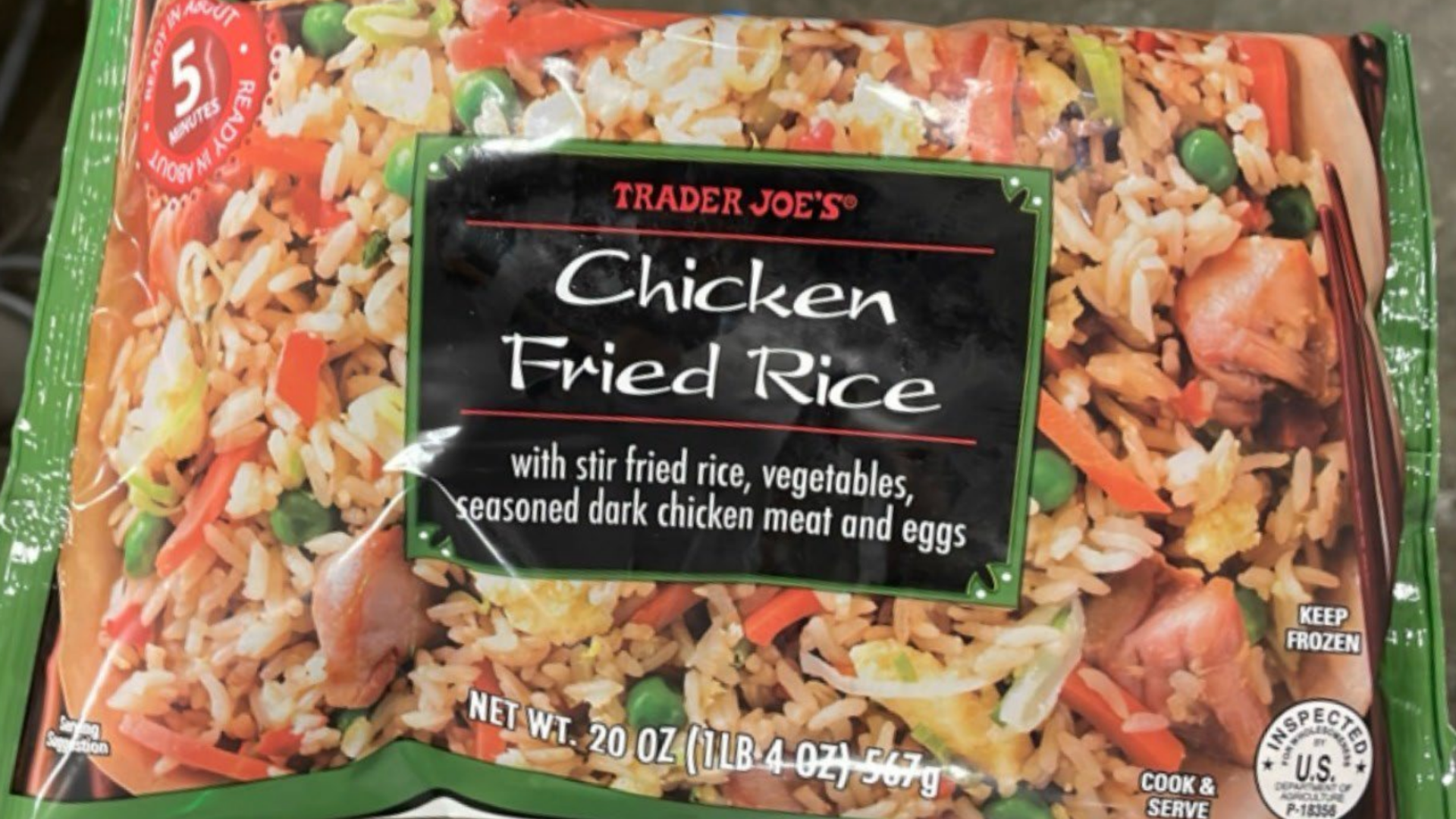
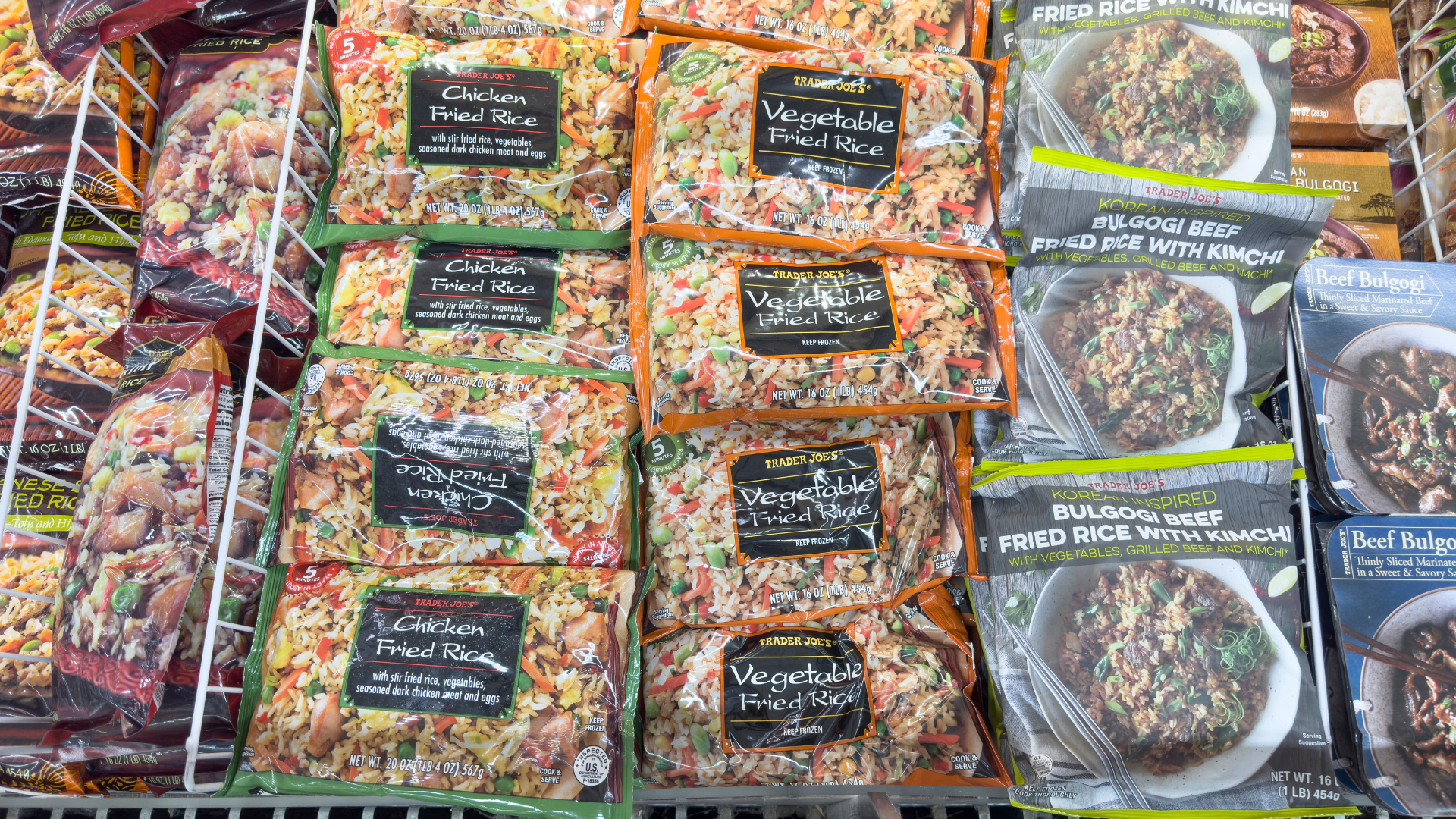
The recall covers several frozen food items sold by Trader Joe’s, including Vegetable Fried Rice, Chicken Fried Rice, Japanese Style Fried Rice, and Chicken Shu Mai, all of which have specific best‑by dates that consumers should check. Many of these products were distributed with best‑by dates ranging from late February through November of 2026, and they were sold in stores across more than 40 states. The recall also includes similar products under other brand names produced by the same manufacturer, though this article focuses on Trader Joe’s items.
According to the Food Safety and Inspection Service, the likely source of the glass contamination was traced to certain ingredient components used during production, highlighting risks tied to complex supply chains in frozen food manufacturing. Consumers are advised to look for affected best‑by dates and UPC codes printed on packaging to determine if their product is part of the recall. While glass can vary in size and appearance, any suspected contamination warrants immediate action.
Retailers are cooperating with the recall, and customers can return products to any Trader Joe’s location for a full refund, even without a receipt. The USDA’s classification of this situation as a recall with possible risk of medically reversible issues underscores the need for vigilance, even if serious harm is unlikely.
What Consumers Should Do Now
If you have purchased any of the recalled frozen products, first check your packaging for the specific item name, best‑by date, and UPC, as listed in official recall notices, to confirm whether your product is included. If your product matches an affected item, the USDA advises not to consume it, and instead either discard it safely or return it to Trader Joe’s for a full refund at no cost.
Health officials also recommend keeping the packaging or noting product details before disposal or return, as this information can help retailers process refunds and ensure proper recall tracking. In addition, if anyone believes they have consumed contaminated food and experiences symptoms such as cuts or internal discomfort, seeking medical advice promptly is recommended. Because glass contamination can pose unpredictable risks, erring on the side of caution is the safest approach.
Consumers can also visit the USDA FSIS website or call the USDA Meat and Poultry Hotline for the most up‑to‑date information on this recall and to check other food safety alerts. Staying informed about recall updates ensures that families can protect themselves and avoid potentially dangerous products.
Take Action to Protect Your Household
The nearly 10 million‑pound Trader Joe’s frozen food recall is a reminder that food safety issues can arise even with trusted brands, and consumer vigilance is crucial for preventing harm. By checking packaging and following recall instructions, households can avoid the dangers associated with glass contamination and protect family members of all ages. Potential risks are serious enough that ignoring the recall could lead to avoidable injuries if contaminated food is eaten.
Returning affected products promptly and obtaining refunds not only safeguards your household but also helps reinforce the importance of industry accountability and thorough quality control processes. This recall may prompt more scrutiny of production practices, ultimately benefiting consumer safety in the long run.
As more details continue to emerge from health regulators and manufacturers, consumers are encouraged to stay updated on food alerts and act quickly to minimize risk, turning caution into protection for themselves and others.

