New Charges at McDonald’s Are Starting to Affect Customers’ Bills
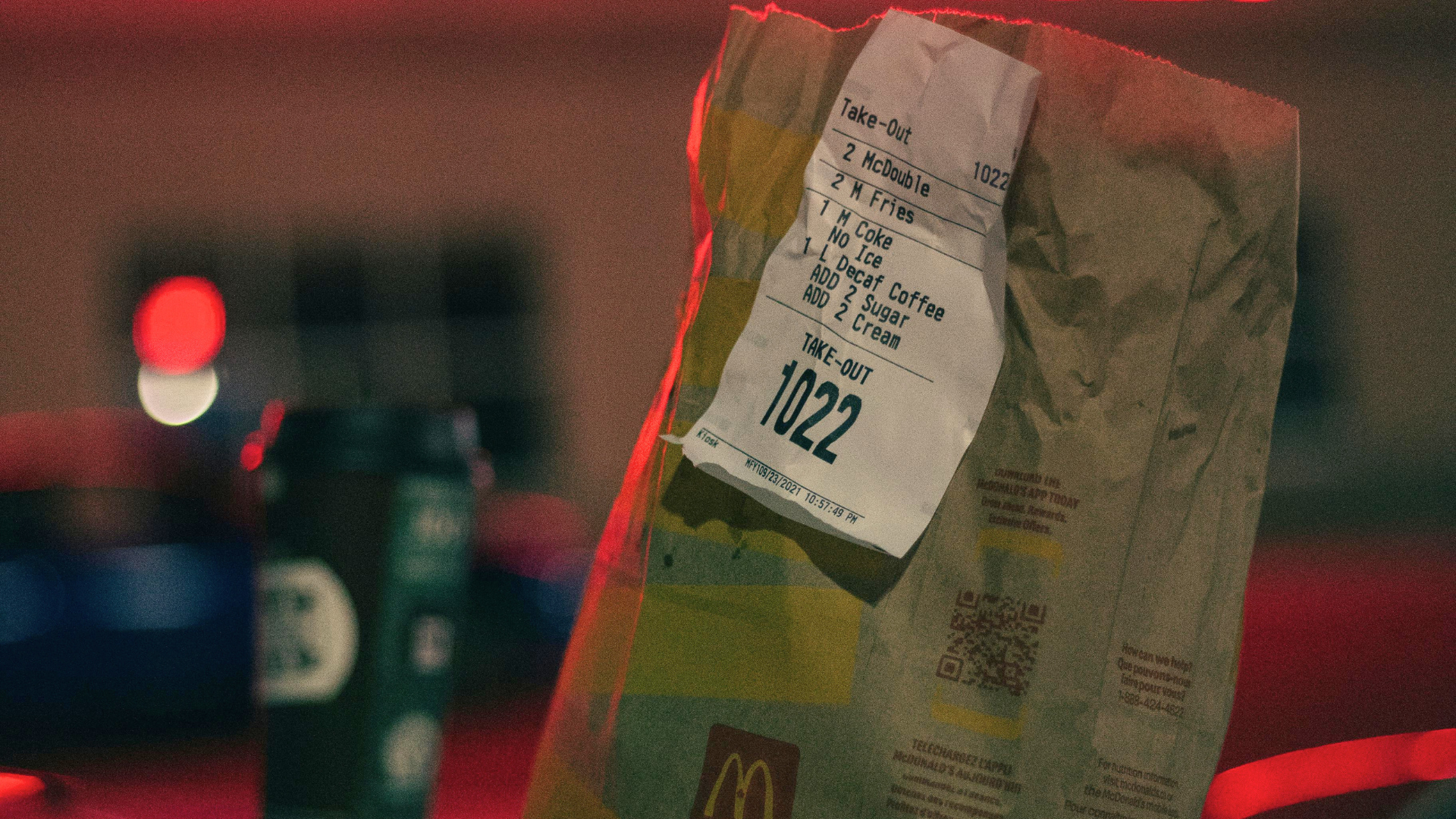

Customers ordering from McDonald’s are beginning to notice something unusual when they reach checkout, as new fees and added charges are quietly increasing the final cost of their meals. While the menu prices may still appear familiar at first glance, many customers are reporting that their total bill is significantly higher once additional service and delivery-related costs are applied.
In some cases, these added charges can make up a surprisingly large portion of the total, with reports suggesting that as much as 15 percent or more of an order can consist entirely of fees rather than food. These extra costs often include service fees, delivery fees, and small order surcharges, all of which are layered onto the base price and can dramatically change the final amount customers pay.
For many customers, the shift is creating confusion and frustration, especially for those who associate fast food with affordability and convenience. What once felt like a quick and inexpensive meal is now, for some, starting to resemble a more premium purchase once all the charges are included.
Why Your McDonald’s Order Suddenly Costs More
A major reason behind the rising totals is the growing reliance on delivery platforms and mobile ordering, which introduce multiple layers of fees that were not traditionally part of fast-food purchases. Customers ordering through apps may encounter delivery fees, service fees, and even higher menu prices compared to in-store purchases, all contributing to the inflated cost.
One of the most controversial additions is the so-called “small order fee,” which is applied when an order does not meet a minimum spending threshold, often set between $10 and $15. This fee, which can range from a couple of dollars to more, effectively encourages customers to spend more just to avoid being charged extra.
These combined charges can quickly add up, with some customers reporting that relatively inexpensive items nearly double in price after fees, taxes, and optional tips are included. This layered pricing structure has led to growing criticism, as many feel the true cost of their order is not immediately clear when browsing the menu.
Customer Reactions Highlight Growing Frustration
As more people encounter these added fees, frustration is building, with many customers taking to social media to share their experiences and express dissatisfaction. Some have pointed out that a simple meal that once cost under $10 can now exceed $20 after all charges are applied, raising concerns about transparency and value.
Others argue that the added fees undermine the core appeal of fast food, which has traditionally been built around affordability and accessibility. When delivery charges, service fees, and surcharges begin to rival the cost of the food itself, it changes how customers perceive the brand and whether they see it as a cost-effective option.
Some customers are responding by cutting back on delivery orders altogether, opting instead to pick up food in person or avoid ordering entirely. This shift in behavior highlights how sensitive consumers can be to price changes, especially when those increases come in the form of unexpected or poorly understood fees.
What This Means For Fast Food Moving Forward
The rise of additional fees at McDonald’s reflects a broader shift in the fast-food industry, where convenience-driven services like delivery are becoming more common but also more expensive. As companies balance operational costs with customer expectations, pricing structures are evolving in ways that are more complex than traditional menu pricing.
For customers, this means paying closer attention to the full breakdown of charges before completing an order, especially when using apps or third-party delivery platforms. Understanding how these fees are applied can help avoid surprises and allow for more informed decisions about how and where to order.
Ultimately, the growing presence of these extra charges raises questions about the future of fast food pricing, as companies attempt to maintain convenience while preserving the value that has long been a cornerstone of the industry.