New Eating Guidelines Could Mean a Bigger Grocery Bill for Millions


New U.S. dietary guidelines encouraging Americans to eat more whole foods, protein, and fresh ingredients could significantly increase household grocery costs, according to recent analysis. While the updated recommendations emphasize healthier eating patterns, they also shift consumers toward more expensive perimeter store items like fresh meat, dairy, and produce. Experts warn that following the guidelines exactly could raise annual grocery spending by more than $1,000 per household. The change highlights the growing tension between nutrition advice and everyday affordability.
A Shift Toward Protein and Whole Foods

The new dietary guidelines place a stronger emphasis on high-quality protein, whole grains, fruits, vegetables, and healthy fats, while discouraging ultra-processed foods and refined carbohydrates. This marks a major shift from earlier nutrition models that leaned more heavily on grains and low-fat options. The updated framework encourages more “real food” consumption across all meals, which typically requires fresher and less processed ingredients. These changes are intended to improve long-term public health outcomes.
Why Grocery Bills Could Rise

While healthier foods are encouraged, they often come at a higher cost per calorie compared to processed alternatives. Fresh produce, lean meats, and dairy products generally require more resources to produce, transport, and store, which can raise retail prices. Analysts estimate that fully aligning with the new dietary framework could significantly increase monthly grocery spending for families. This creates a financial challenge for households trying to follow the recommendations closely.
The “Real Food” Push Changes Shopping Habits

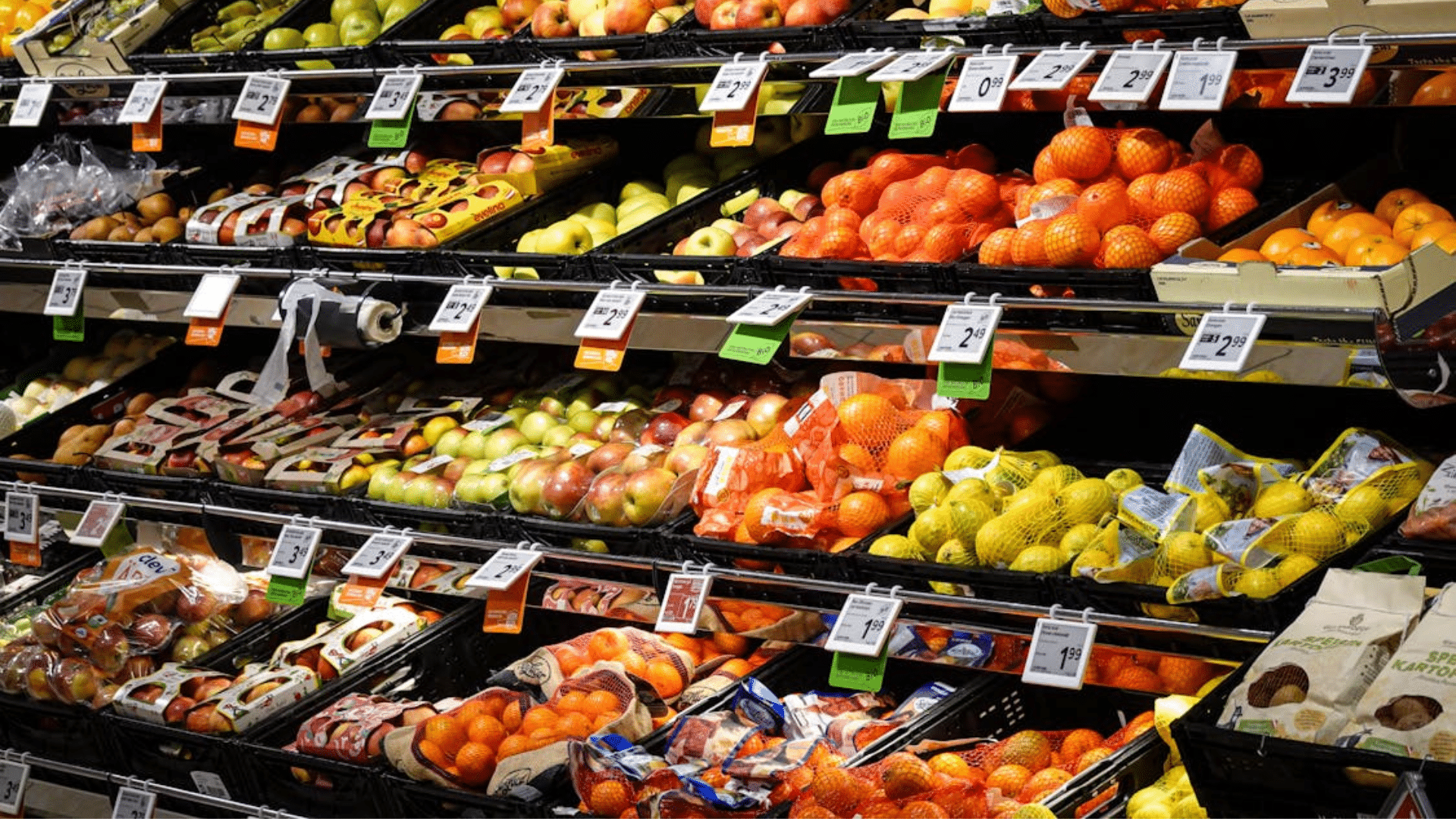
One of the biggest shifts in the guidelines is a push toward perimeter shopping, where fresh foods like fruits, vegetables, dairy, and meat are typically located. At the same time, center-aisle processed foods such as packaged snacks and ready-made meals are discouraged. This shift may change how consumers plan meals and shop weekly, as more items need to be prepared from scratch. The result is a diet that is healthier but often less convenient and more expensive.
Rising Costs Linked to Meat and Dairy Demand

The updated guidelines promote higher protein intake and include more animal-based foods such as meat, eggs, and full-fat dairy. These items are typically more expensive than carbohydrate-heavy processed alternatives. As demand increases, prices could rise further due to supply pressure and production costs. This shift contributes significantly to the projected increase in household food spending.
Inflation Is Already Driving Food Prices Higher

Even before dietary changes fully take effect, food inflation is already impacting household budgets. Prices for groceries have continued to rise year over year, with noticeable increases in categories like beef, vegetables, and beverages. This means the added pressure from dietary shifts comes on top of existing cost increases. Many families are already feeling the strain at checkout counters.
Health Benefits vs Financial Reality

Nutrition experts say the updated guidelines are designed to improve long-term health by reducing processed food consumption and encouraging balanced eating patterns. However, critics note that healthier diets are not always economically accessible for all households. The gap between nutritional recommendations and real-world affordability remains a key concern. This raises questions about how practical the guidelines are for everyday families.
Families May Need to Adjust Budgets

Households may need to rethink grocery planning, meal prep habits, and budgeting strategies if they choose to follow the new guidelines closely. This could include buying in bulk, reducing food waste, and prioritizing seasonal produce. While these strategies can help offset costs, they may not fully eliminate the financial impact. Careful planning will become increasingly important for many families.
What Experts Are Warning About
Experts emphasize that while the dietary changes aim to improve health outcomes, they must be balanced with economic realities. Some researchers warn that without affordability considerations, many households may struggle to comply with the recommendations. Others suggest that policy support or subsidies may be needed to bridge the gap between guidance and cost. The debate continues over how to make healthy eating both practical and affordable.
Healthier Eating Comes With a Higher Price Tag

The new dietary guidelines represent a major shift toward healthier, whole-food-based eating, but they also introduce financial challenges for many American households. While the recommendations aim to improve long-term well-being, they may unintentionally increase grocery bills due to higher reliance on fresh and minimally processed foods. As food prices continue to rise, the balance between nutrition and affordability will remain a key concern. For millions of families, eating healthier may now come with a noticeably higher cost.

