New Government Data Confirms What Shoppers “Fear” About Grocery Prices
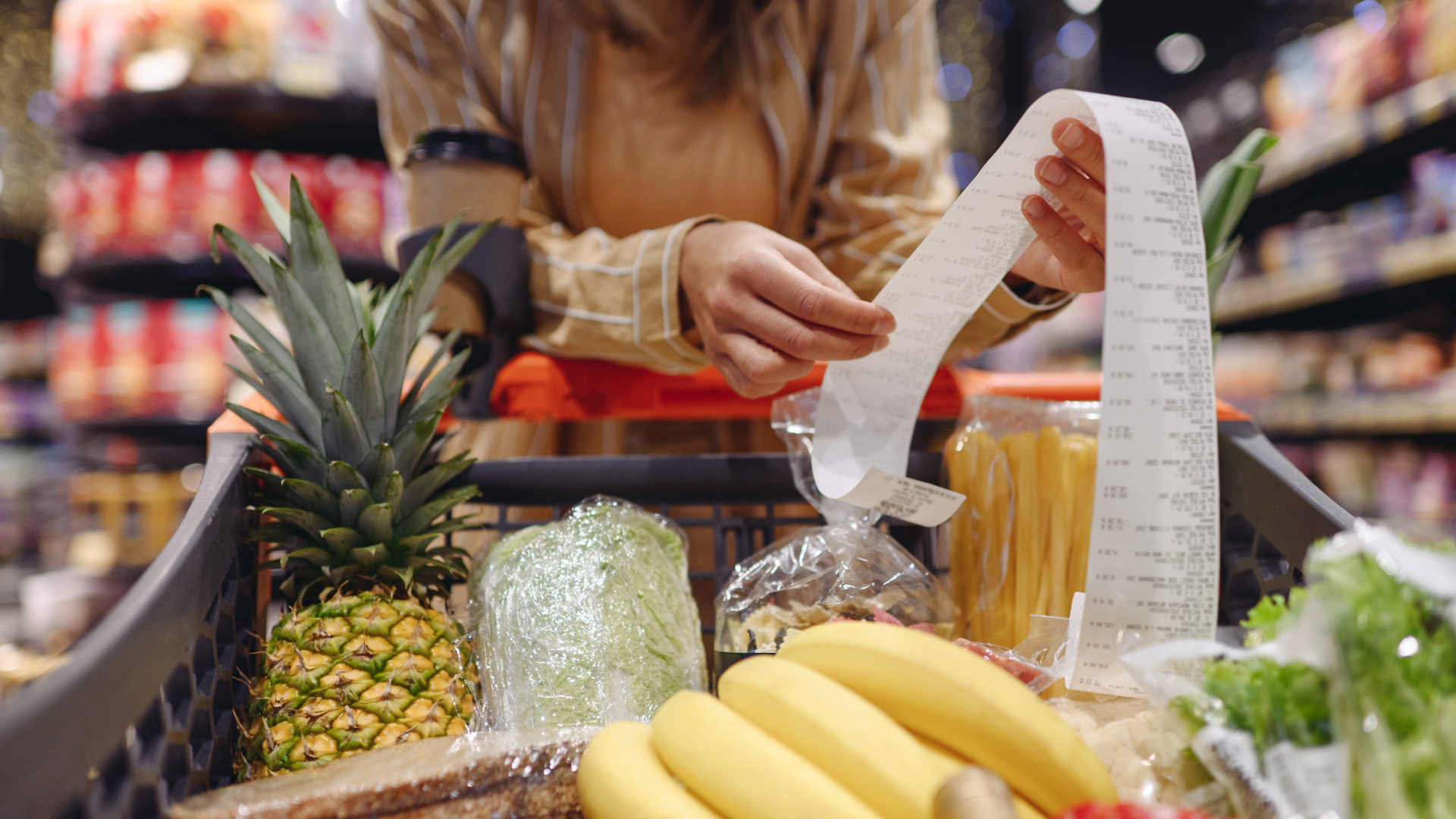

New data from the U.S. Bureau of Labor Statistics confirms what many Americans have already noticed during weekly grocery trips: food prices are still climbing. According to the government’s latest Consumer Price Index (CPI) reports, grocery costs have steadily increased over the past several years, leaving many shoppers feeling the strain of higher bills at checkout. Even though overall inflation has slowed compared with the peaks seen earlier in the decade, food prices remain noticeably elevated for everyday essentials.
The data shows that grocery prices have increased roughly 26% over the last five years, a jump analysts say consumers can easily feel because groceries are purchased frequently. Unlike occasional purchases such as electronics or appliances, food is something people buy every week, sometimes every day, making price increases far more visible in household budgets.
While the pace of inflation has moderated somewhat, the overall cost of food remains higher than before the pandemic-era disruptions that shook supply chains around the world. Even modest increases each year compound over time, meaning many families are paying significantly more for the same items compared with just a few years ago.
Which Grocery Items Are Seeing the Biggest Price Jumps
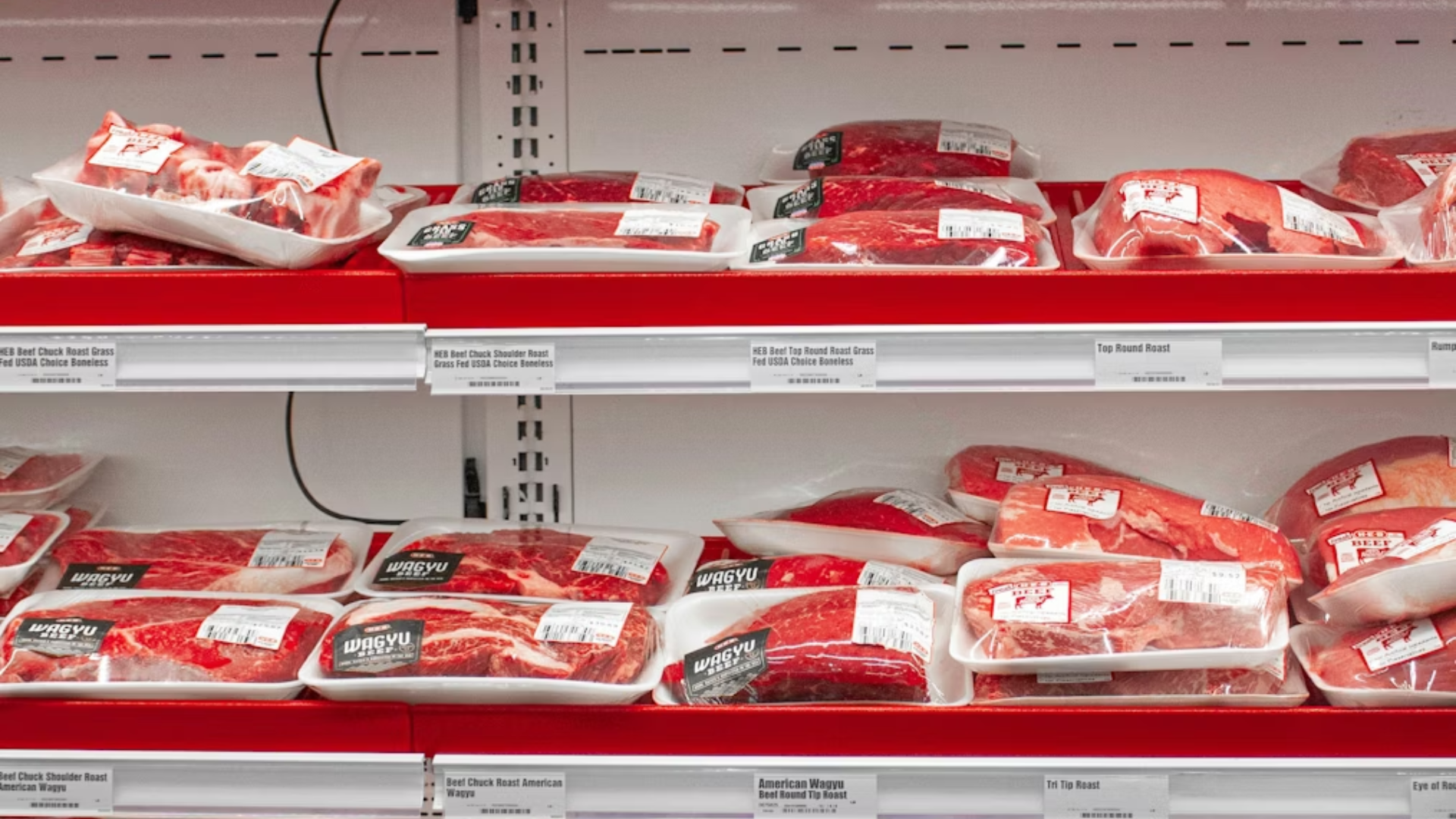
Government data reveals that several common grocery categories have experienced particularly noticeable price increases. The Consumer Price Index shows rising costs for non-alcoholic beverages, cereals and bakery products, fruits and vegetables, and other packaged foods over the past year. These are staples found in most households, which helps explain why shoppers feel the impact so quickly.
Beverages have been among the categories seeing some of the steepest increases. The CPI shows the non-alcoholic beverage index rising more than 5% over the past year, while prices for bakery goods and produce also posted noticeable gains. These increases may be tied to factors such as higher transportation costs, supply chain issues, and rising ingredient prices.
Meanwhile, certain foods like meat, poultry, fish, and eggs have also experienced fluctuations, often rising due to supply disruptions or agricultural challenges. Analysts say that when widely consumed categories such as proteins, beverages, and packaged goods climb in price at the same time, the cumulative effect can significantly raise the average grocery bill for families.
Why Grocery Prices Are Still Elevated
Economists say several long-term factors are keeping food prices elevated even as inflation slows in other sectors. Supply chain disruptions that began during the COVID-19 pandemic continue to affect global food production and transportation. Higher energy costs, labor shortages, and climate-related agricultural challenges have also pushed production costs upward for farmers and food manufacturers.
Another important factor is the lingering ripple effect of earlier inflation. Even if prices stop rising as quickly, they rarely return to previous levels. Instead, they stabilize at a higher baseline, meaning shoppers continue paying more than they did before the surge began. This is why many consumers feel like grocery costs never truly “came down,” even when inflation reports show improvement.
Government forecasts suggest the trend may continue in the near term, though at a slower pace. Some projections indicate grocery prices could increase modestly again in 2026, particularly for items such as sugar, sweets, beverages, and certain meats. While the increases may be smaller than previous years, they could still add pressure to household budgets.
Why Shoppers Still Feel the Squeeze
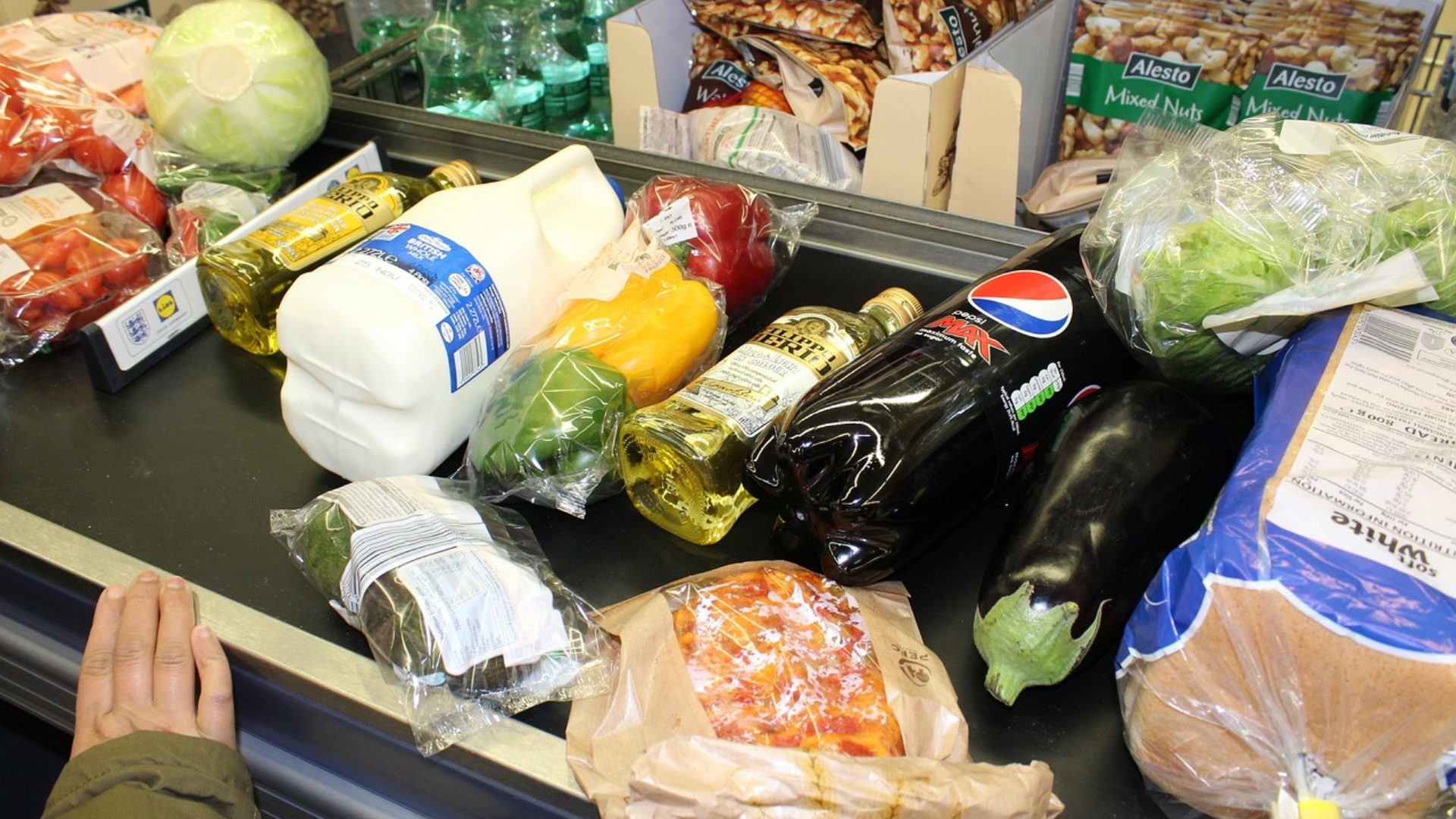
For many Americans, the latest government data simply confirms what they already suspected. Even though inflation overall has cooled compared with earlier years, grocery prices remain significantly higher than they were before the pandemic. Because food is a frequent purchase, even small increases can quickly add up for households trying to manage tight budgets.
Experts say the situation illustrates how inflation can linger in everyday life long after headlines suggest the economy is stabilizing. Once prices rise across multiple food categories, they tend to stay elevated, especially when supply costs remain high for farmers, distributors, and retailers.
While forecasts suggest grocery inflation may slow compared with the sharp increases of recent years, the reality for shoppers is that many staple items still cost far more than they did just a few years ago. For families watching their grocery budgets closely, the latest data serves as a reminder that food prices remain one of the most noticeable—and persistent—pressures on everyday spending.