New Grocery Law Could Change How Prices Are Set, Affect Millions of Shoppers


A new grocery pricing law is drawing attention across the United States after lawmakers in Maryland approved legislation aimed at limiting how retailers set prices for everyday goods. The law targets a practice known as “surveillance pricing,” where companies may use customer data to adjust prices for individual shoppers or specific groups.
The Protection From Predatory Pricing Act is designed to prevent retailers from using personal data such as shopping history, location, or online behavior to charge different prices for the same grocery items. Officials say the goal is to ensure that all consumers pay the same price for essential goods, regardless of their data profile. The move is being described as one of the strongest state-level efforts yet to regulate algorithm-driven pricing in retail, and it could influence similar proposals in other states if implemented successfully.
How the New Law Would Change Pricing
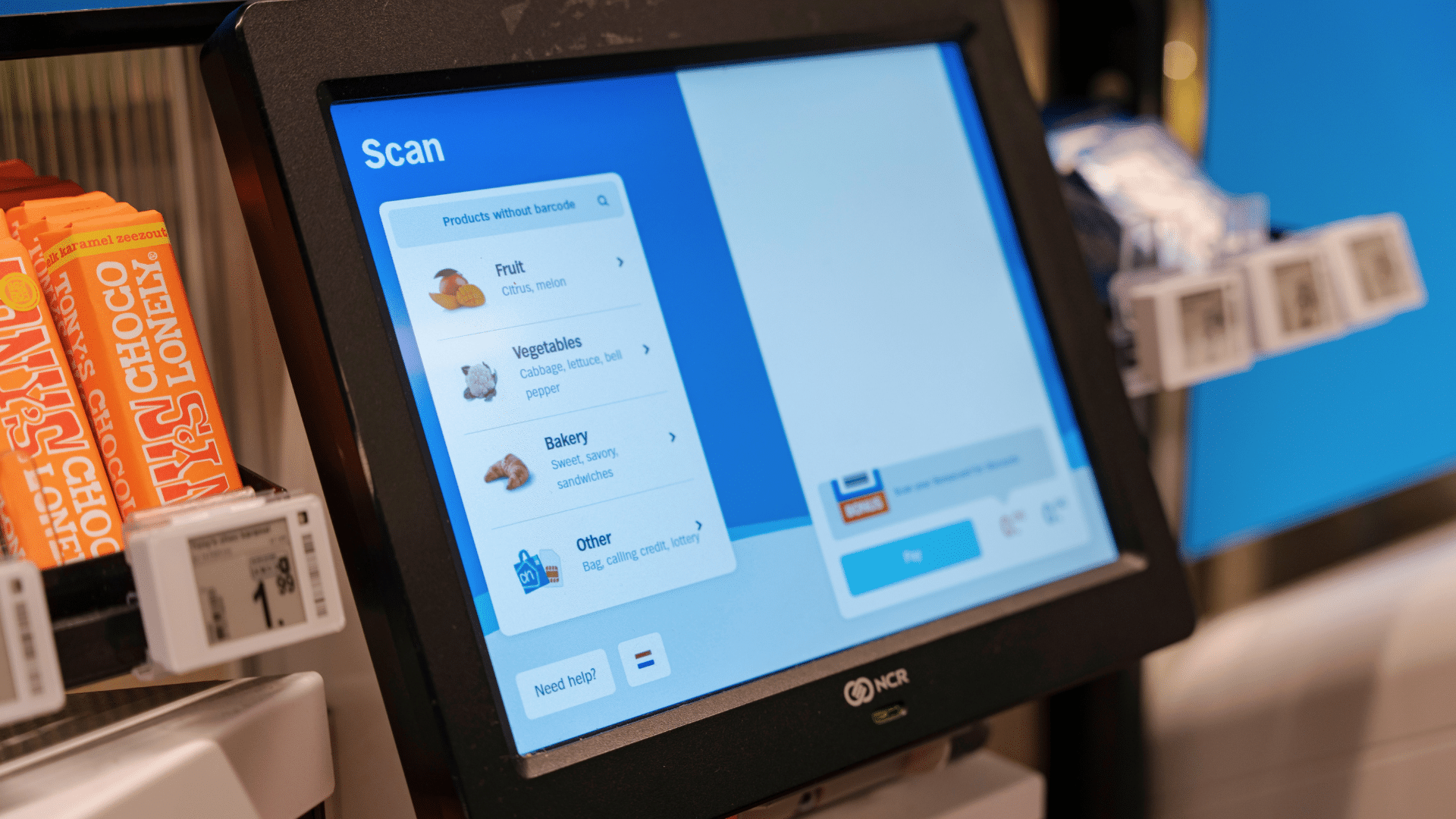
Under the new law, retailers would be banned from using personal data to set individualized prices in real time, effectively blocking “dynamic” or surveillance-based pricing models in grocery stores. However, traditional discounts, sales promotions, and loyalty program savings would still be allowed under the legislation. Supporters of the law say it is needed to prevent hidden price manipulation as retailers increasingly adopt digital tools like smart shelf labels and automated pricing systems. These technologies allow prices to be updated quickly across stores, raising concerns about transparency and fairness in how prices are displayed to shoppers. At the same time, critics argue that the rules could limit innovation and complicate how retailers manage promotions and personalized discounts, especially in large supermarket chains. Industry groups have also warned that compliance may require costly system changes across national retail networks.
Wider Debate Over Grocery Pricing Technology
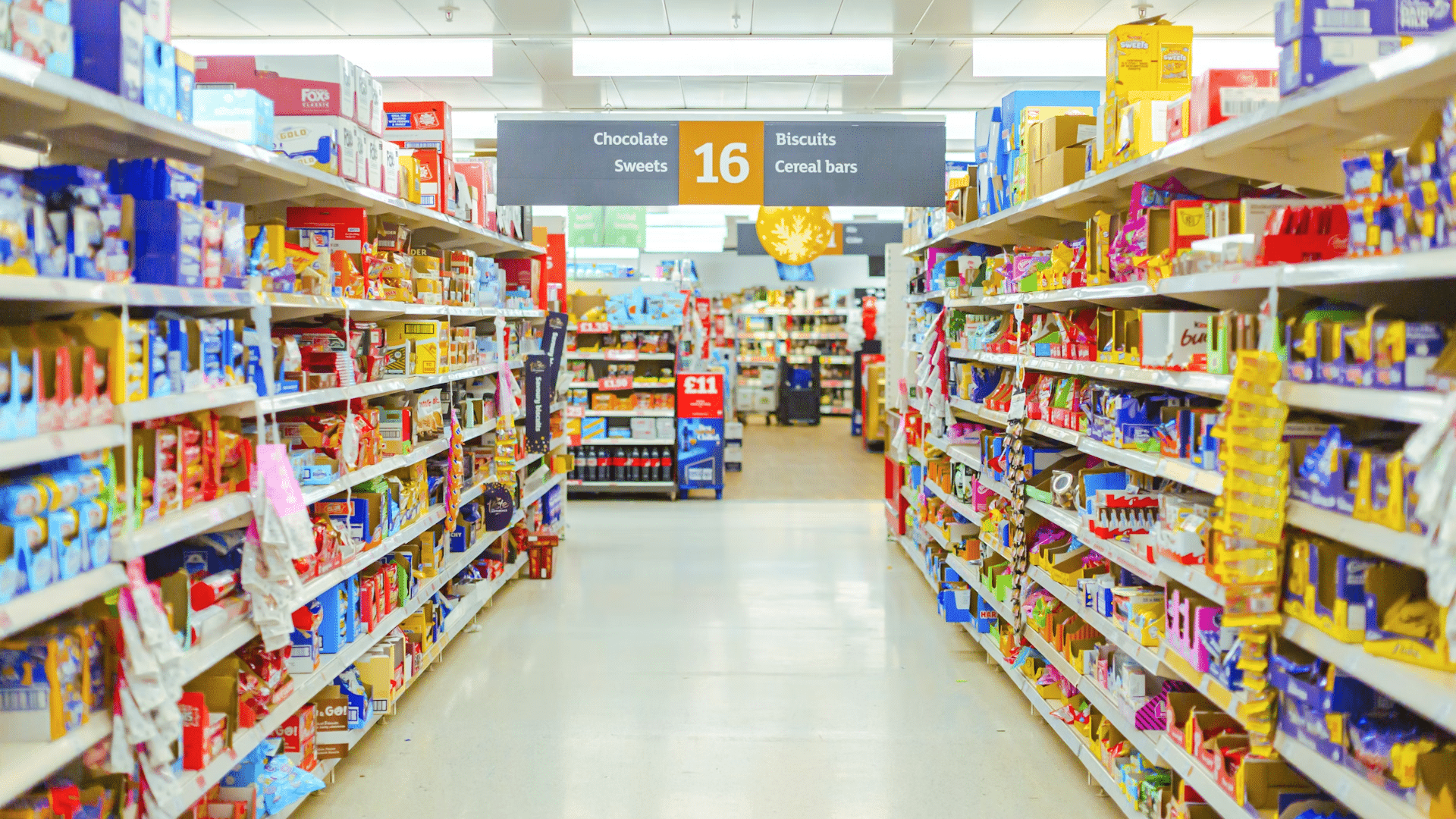
The law comes at a time when supermarkets are rapidly adopting digital pricing systems and data-driven tools to manage inventory and pricing more efficiently. These systems can adjust prices quickly in response to demand, supply changes, or promotional strategies, but they also raise questions about how much control consumers have over final prices.
Similar regulations are being considered in other states, reflecting growing concern about algorithmic pricing and data privacy in retail environments. Consumer advocates argue that without oversight, personalized pricing could lead to unequal treatment of shoppers based on their digital profiles.
At the same time, some economists note that most grocery pricing still relies on traditional models such as fixed shelf prices and periodic sales, meaning the full impact of surveillance pricing is still emerging rather than widespread.
A Shift Toward Pricing Transparency

The new grocery law represents a significant step toward regulating how retailers use data and technology to set prices for everyday goods. By restricting personalized pricing practices, lawmakers aim to ensure more consistent and transparent pricing for all shoppers.
While the full impact will depend on how the law is implemented, it highlights a growing national debate over fairness, privacy, and technology in retail pricing systems. Many consumer advocates argue that pricing transparency is becoming increasingly important as digital tools become more advanced. At the same time, retailers warn that overly strict rules could limit innovation in how stores manage pricing and promotions.
As more states consider similar measures, grocery pricing rules could continue evolving, potentially reshaping how millions of Americans pay for basic necessities in the years ahead. Lawmakers in several regions are already reviewing proposals inspired by similar concerns about algorithm-based pricing. If adopted widely, these policies could lead to a more standardized approach to how grocery prices are set across the country.

