Officials Warn New Risk Could Send Grocery Prices Soaring and Change What Families Eat
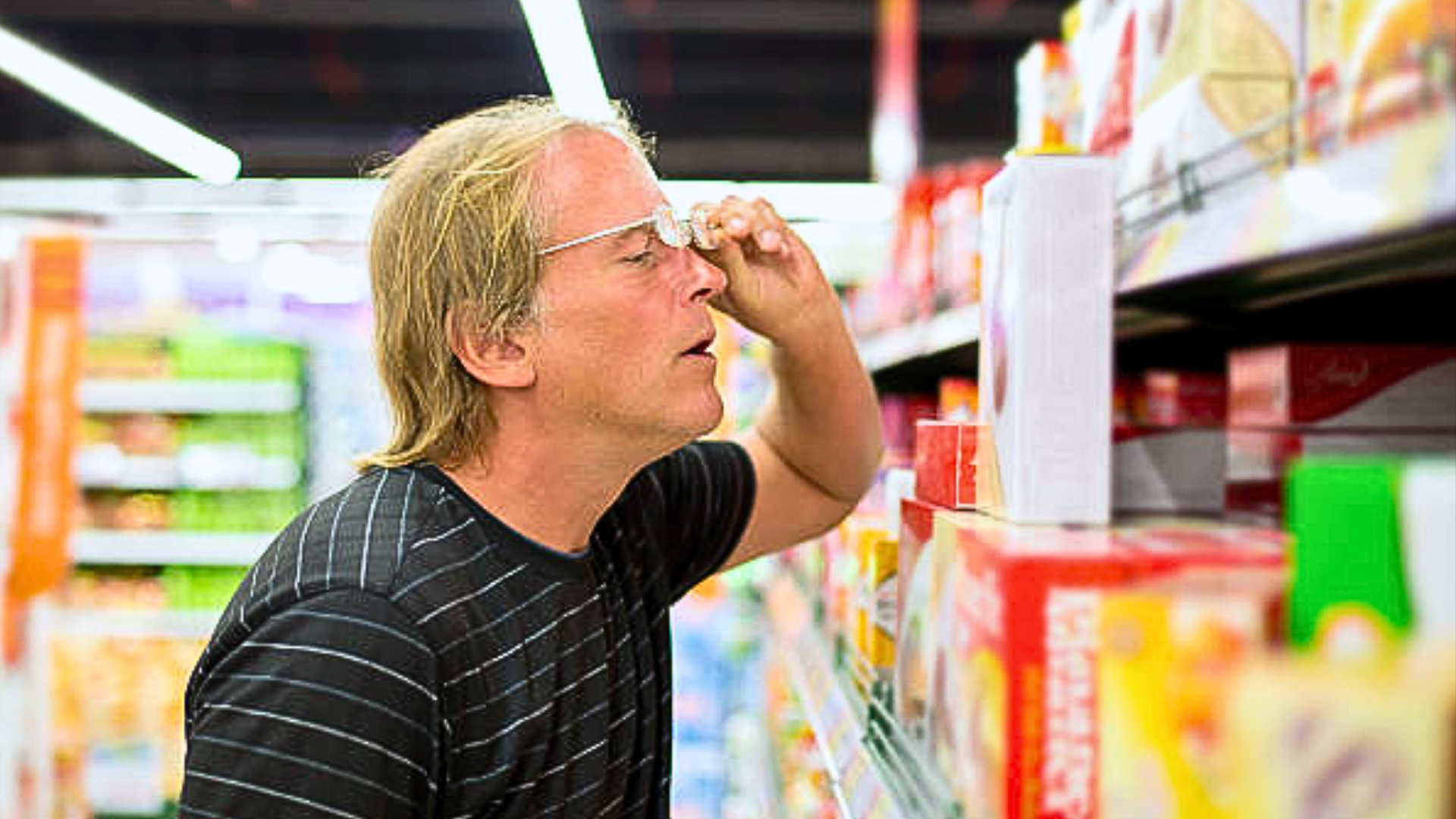

The foundation of the American dinner table is facing a structural threat that could permanently alter the way families eat. Rising global temperatures and volatile weather patterns are no longer just distant environmental concerns, they are direct drivers of a looming grocery store crisis. According to a recent NASA study, extreme heat events are reaching a threshold that makes certain agricultural regions nearly impossible to farm. This environmental havoc is creating a breadcrumbing effect of rising costs, forcing consumers to brace for a significant financial hit every time they visit the checkout counter.
The Department of Agriculture has estimated that food costs will climb by an average of 3.1% in 2026, a figure that obscures much sharper spikes in specific categories. Sugar, sweets, and non-alcoholic beverages like coffee are expected to lead the surge, but the most concerning increases are hitting the fresh produce aisle. As the climate becomes more unpredictable, the curiosity over how to maintain a balanced diet is being replaced by a genuine fascination with the sheer cost of survival. The answer to what we will eat in the future is increasingly being dictated by the thermometer rather than the appetite.
This bridge between climate instability and economic strain is creating a new era of nutritional insecurity. Christopher Barrett, a professor at Cornell University, warned that as food prices outpace incomes, families are being forced into a difficult choice. Unfortunately, this typically leads to the adoption of cheaper, less nutritious diets. What researchers found next suggests that this shift is not just a temporary adjustment, but a long term health risk that could impact public wellness for generations. The real discovery, that a warming planet leads to a hollower plate, is a reality families are beginning to face today.
The High Cost Of Nutrition In Detail
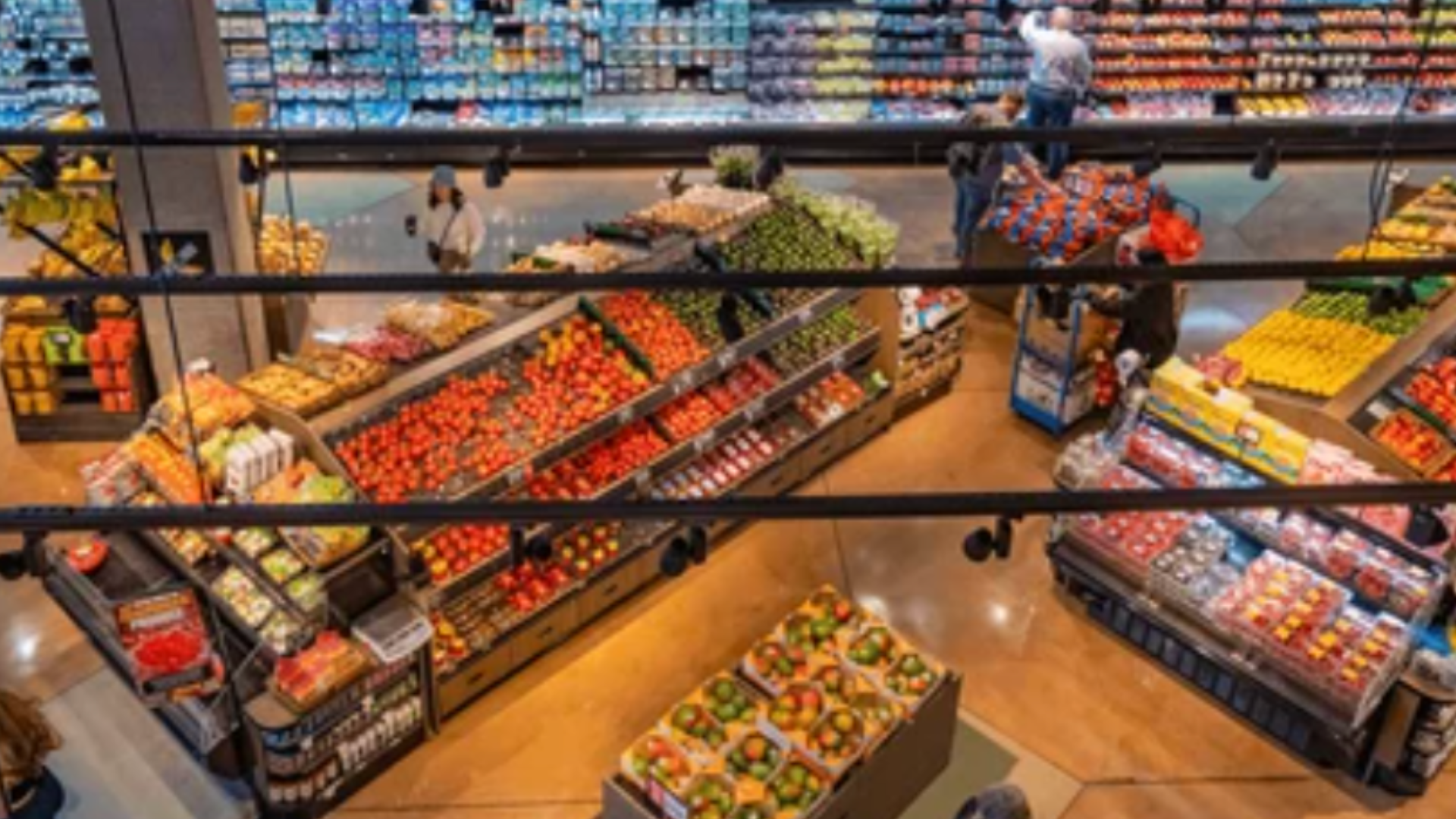
The specific categories facing the most aggressive price hikes include staples that many families consider non-negotiable. Beef and veal are expected to cost significantly more than they did just a year ago, reflecting the high water and energy costs associated with livestock during extreme heat. Fresh fruits and vegetables, which require stable growing seasons and consistent irrigation, are also at high risk. Grounding the story in concrete reality, the Department of Agriculture reports that these price increases are a direct result of natural disasters that endanger both lives and the livelihoods of farmers globally.
The physical reality of these spikes is most acutely felt by those on low or fixed incomes. When the price of a head of lettuce or a pound of apples doubles, it is the healthy options that are first to be removed from the shopping cart. This creates a concerning cycle where the most vulnerable populations are pushed toward highly processed, shelf stable foods that are often high in sodium and low in nutrients. These concrete details matter because they represent a fundamental shift in the American diet, where health is becoming a luxury that many can no longer afford to maintain.
These details matter because they highlight the fragility of the global food chain. In Nigeria, authorities have already begun advising farmers to prepare for shorter rainy seasons, a trend that is being mirrored in agricultural hubs across the United States. Economists are monitoring how these climate factors combine with tariffs and supply chain disruptions to create a perfect storm of inflation. The fascination with how our food is grown is being replaced by the hard math of how much we can afford to buy. For the average family, the kitchen table has become the front line of the climate crisis.
The Hidden Cost Of Diminishing Portions
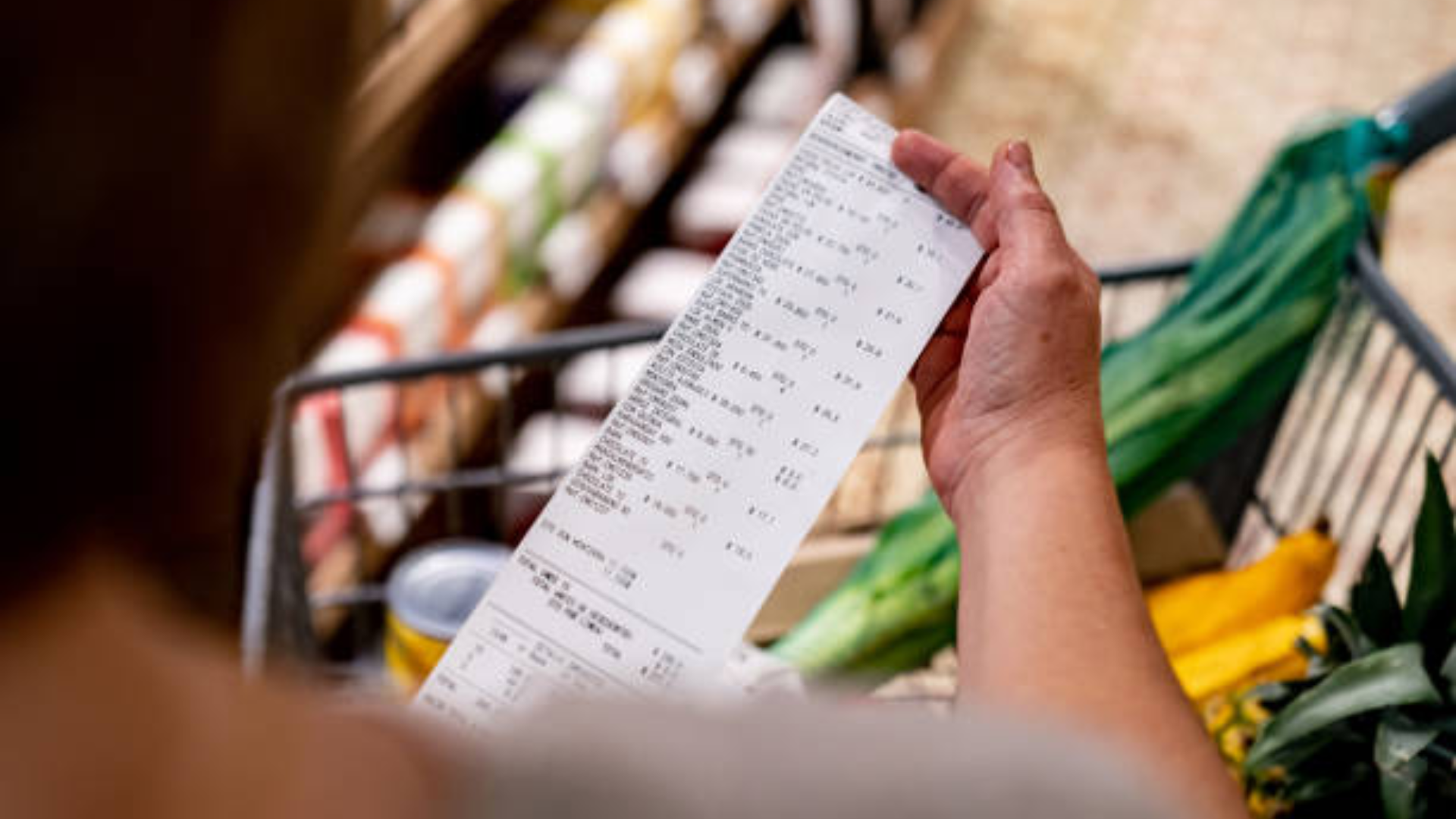
The larger implications of these price hikes connect to a broader phenomenon known as shrinkflation. As production costs rise, many food companies are opting to reduce the size of their products rather than raising the price tag further. This means consumers are paying the same, or more, for less food, further stretching a limited grocery budget. The emotional arc of this story, from the frustration of a smaller box of cereal to the concern over a child’s nutrition, is a journey millions of Americans are currently navigating. The conflict between a company’s bottom line and a family’s health has never been more visible.
This shift in diet quality has profound consequences for public health outcomes. Poor nutrition is a leading driver of chronic diseases, and as healthy food becomes less accessible, the burden on the healthcare system is expected to grow. This widen the scope of the problem from a simple economic issue to a major societal challenge. Economists argue that the cost of treating nutrition related illnesses in the future will far outweigh the current cost of subsidizing sustainable agriculture. The fascination with the “recession playbook” for groceries is now a necessary skill for the modern shopper.
The emotional journey of the American consumer is one of increasing resilience. To combat these rising costs, individuals are being encouraged to shop smarter, get creative with leftovers, and use new methods to ensure food stays fresh as long as possible. While these are valuable skills, they are a temporary resolution to a much larger structural problem. The return to urgency is felt by researchers who see that without significant climate intervention, the cost of a healthy salad may soon rival that of a premium steak. The era of cheap, abundant nutrition is rapidly coming to an end.
Navigating The New Food Landscape

As we move through 2026, the next step for many families involves a total reimagining of their weekly meal plan. The forward looking consequences of these price spikes include a move toward more plant based proteins that are less resource intensive than beef, and a greater reliance on frozen or preserved produce when fresh prices peak. While these adjustments can help save money, they represent a fundamental change in the cultural fabric of American eating. The return to urgency is felt by policymakers who must now find ways to protect the nutritional security of the nation.
The only way to truly stabilize grocery prices in the long term is to address the critical climate issues driving the volatility. Governments around the world are continuing to work on these problems, but the progress is often slower than the rising cost of a gallon of milk. In the meantime, the individual shopper must act as their own economist, balancing the need for nutrition with the reality of a shrinking wallet. The era of the “unlimited” grocery store is being replaced by a more tactical, intentional approach to food.
The warnings from officials serve as a powerful reminder that our environment and our economy are one and the same. As temperatures rise and grocery prices soar, we are reminded that the cost of inaction is delivered directly to our dinner plates. The struggle for a healthy life has moved from the gym to the grocery aisle. We must now accept that the way we eat is changing, and the most important tool we have is the knowledge of how to adapt to a world that is becoming increasingly expensive to feed.