New SNAP Rules Push Thousands Off Aid, Stretching Food Pantries Thin


Major new federal SNAP rules are now pushing thousands of Americans off food assistance programs, creating growing pressure on already overwhelmed food pantries nationwide. The changes stem from the federal law known as the “One Big Beautiful Bill Act” (OBBBA), signed into law in July 2025, which expanded work requirements and tightened exemptions for recipients of the Supplemental Nutrition Assistance Program (SNAP). Advocates warn that the new rules could leave vulnerable households struggling to afford groceries while forcing charities and community food banks to absorb the fallout.
What Federal Law Changed SNAP Rules
The changes were introduced under the One Big Beautiful Bill Act (OBBBA), officially enacted as Public Law 119-21 in July 2025. The law significantly expanded federal SNAP work requirements for “Able-Bodied Adults Without Dependents” (ABAWDs) and also shifted more SNAP administrative and funding responsibilities onto states. Critics say the law represents one of the largest overhauls to SNAP eligibility rules in years.
The Age Limits Expanded Dramatically

One of the biggest changes involves age thresholds for SNAP work requirements. Previously, stricter ABAWD work rules mainly applied to adults ages 18 to 54, but the new law expanded the upper limit to age 64. Some states also began implementing exemption rules that effectively require compliance until age 65. That means many adults between 55 and 64 who were previously exempt must now meet monthly work requirements to keep receiving benefits.
Recipients Must Meet Strict Work Hour Requirements

Under the updated rules, non-exempt SNAP recipients classified as ABAWDs must complete at least 80 hours per month of approved activities to remain eligible for benefits beyond a three-month limit over three years. Those hours can include paid employment, approved job training, volunteer work, or participation in SNAP Employment and Training programs. Independent job searching alone does not count toward the requirement.
Several Exemptions Were Removed
The law also eliminated several exemption categories that previously protected vulnerable groups from the work requirements. Veterans, people experiencing homelessness, and some former foster youth are no longer automatically exempt and must now either meet work rules or qualify under a different exemption category. However, Native Americans and Alaska Natives were added as newly exempt groups under the updated law.
Caregiver Rules Became Much Narrower

The caregiver exemption also changed significantly. Under previous SNAP rules, adults caring for children under 18 were generally exempt from ABAWD work requirements. The new law narrowed that protection so that only households with a youngest child under age 14 qualify for the exemption. Parents with teenagers between ages 14 and 17 may now be required to
complete the 80-hour monthly work requirement to maintain benefits.
Implementation Dates Are Happening State by State

While the federal law was signed in July 2025, implementation dates vary across states. Many states began enforcing the new work rules on February 1 or March 1, 2026, while others delayed rollout until May or June 2026 to prepare staffing and compliance systems. Some states warned recipients that eligibility changes would only apply once they renewed their SNAP cases after the new rules officially took effect.
Which Households Are Most Affected

The households most affected include adults ages 55 to 64, low-income single adults without children, homeless individuals, veterans, and some working poor households who struggle to document hours consistently. Rural communities are expected to feel the impact particularly hard because transportation, job access, and training opportunities are often limited. Many recipients risk losing benefits not because they refuse to work, but because they cannot navigate the new paperwork and verification requirements.
Food Pantries Say They’re Already Overwhelmed

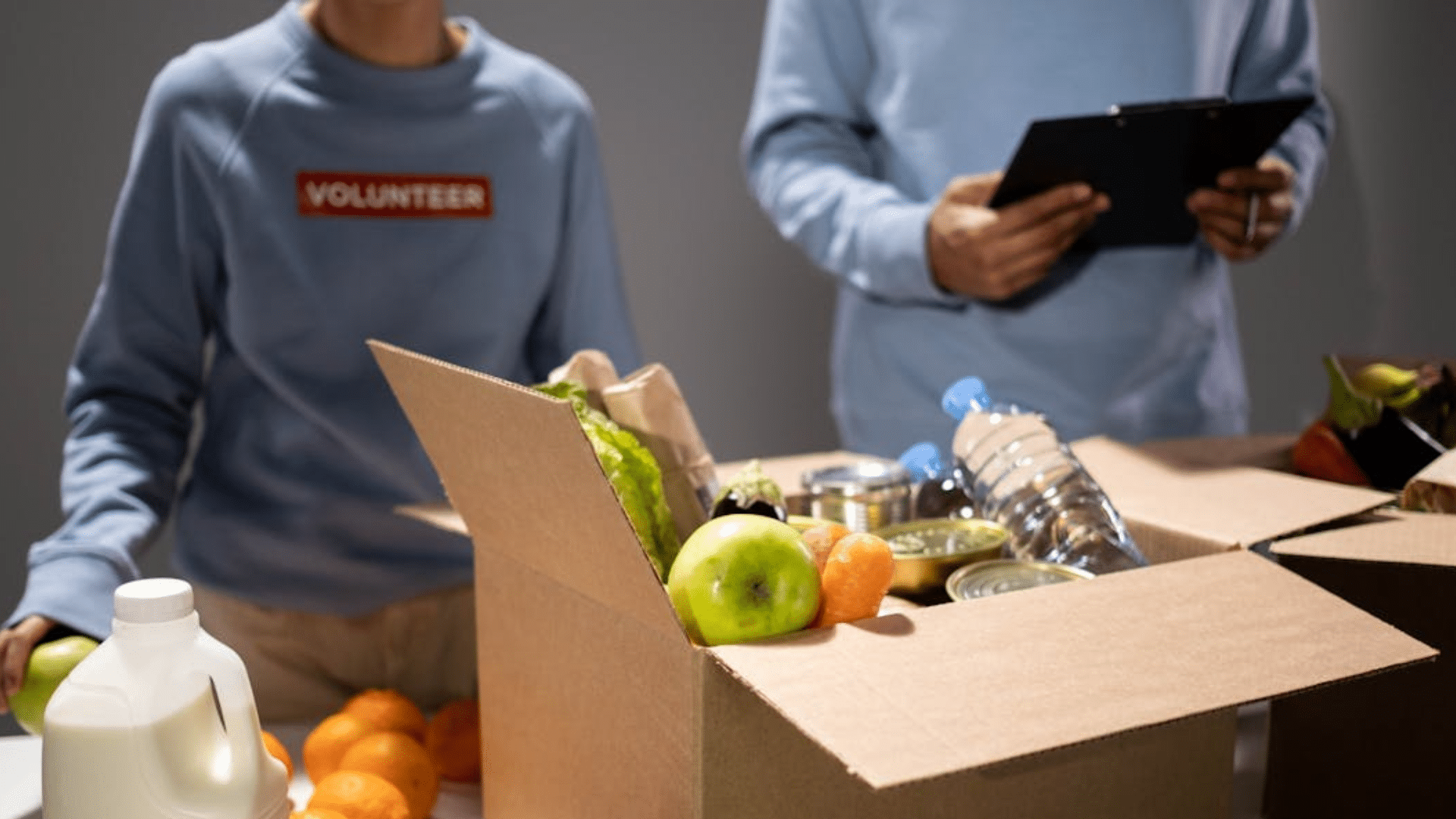
Food banks and community pantries say demand is already surging as SNAP eligibility shrinks. Organizations across the country report longer lines, lower inventory, and growing concern about whether they can keep up with rising need. Unlike SNAP, which provides consistent monthly benefits, most food pantries operate on donations and volunteer support, making it difficult to replace lost federal assistance on a large scale.
The Debate Over Who Ultimately Pays the Price
Supporters of the new rules argue the changes encourage employment and reduce long-term dependency on government aid. Critics, however, warn that the policy may ultimately increase hunger without meaningfully improving job outcomes for many recipients. As food pantries strain to absorb growing demand, the debate continues over whether the cost savings from tighter SNAP rules will come at the expense of vulnerable households already struggling to make ends meet.