Up to $10,000 Offered to Fast-Food Workers Facing Unpredictable Hours
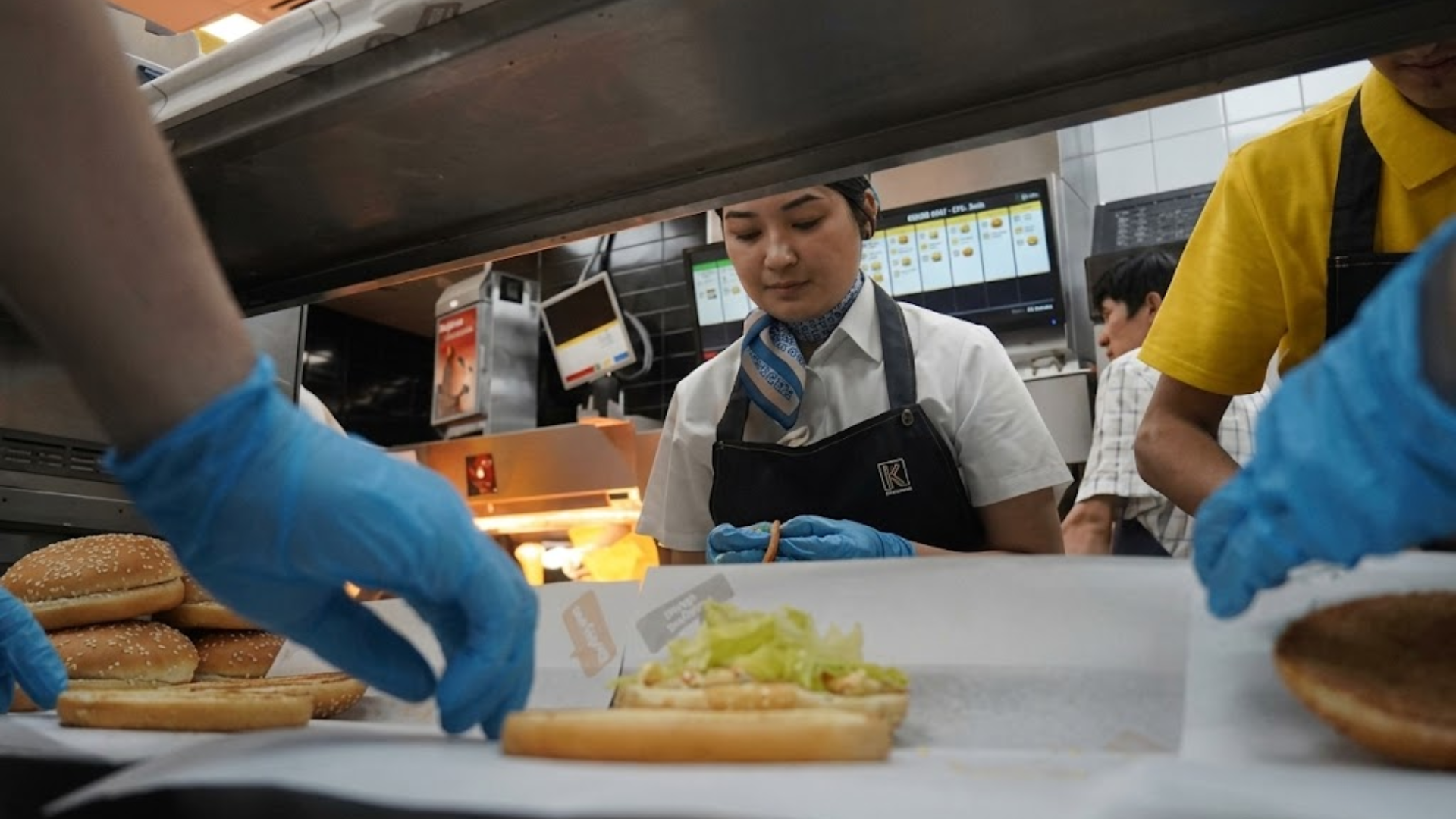

A massive legal victory is putting money back into the pockets of New York City’s service industry. Mayor Zohran Mamdani’s administration announced it has secured nearly $2 million in restitution for more than 800 fast-food and retail workers. The move is a aggressive enforcement of the city’s Fair Workweek laws, targeting employers who disrupt lives with unpredictable scheduling.
Up to $10,000 for Unpredictable Suffering

The individual payouts are significant, with some workers eligible to receive up to $10,000. These funds are meant to compensate for the financial and personal toll of last-minute shift changes. In a city where every hour counts, officials are sending a clear message: if an employer breaks the schedule, they have to pay the price.
The High Cost of the Clopening Shift
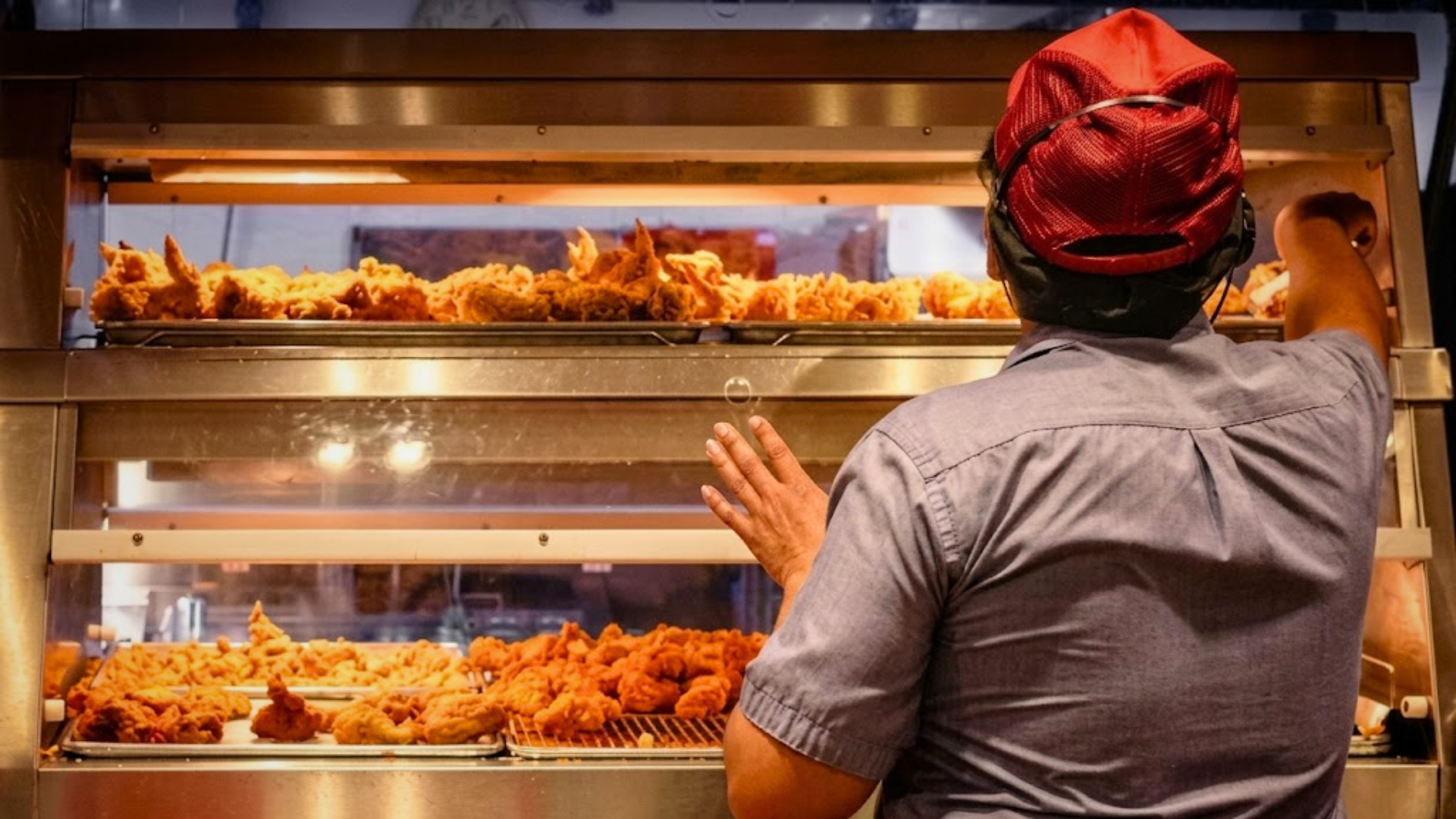
One of the primary violations cited in the NYC cases is the clopening, requiring an employee to work a closing shift followed immediately by an opening shift. These back-to-back assignments often leave workers with little sleep and zero recovery time. Under the Fair Workweek laws, these grueling schedules now trigger mandatory extra compensation for the exhausted staff.
A Legal Shield Most Americans Don’t Have
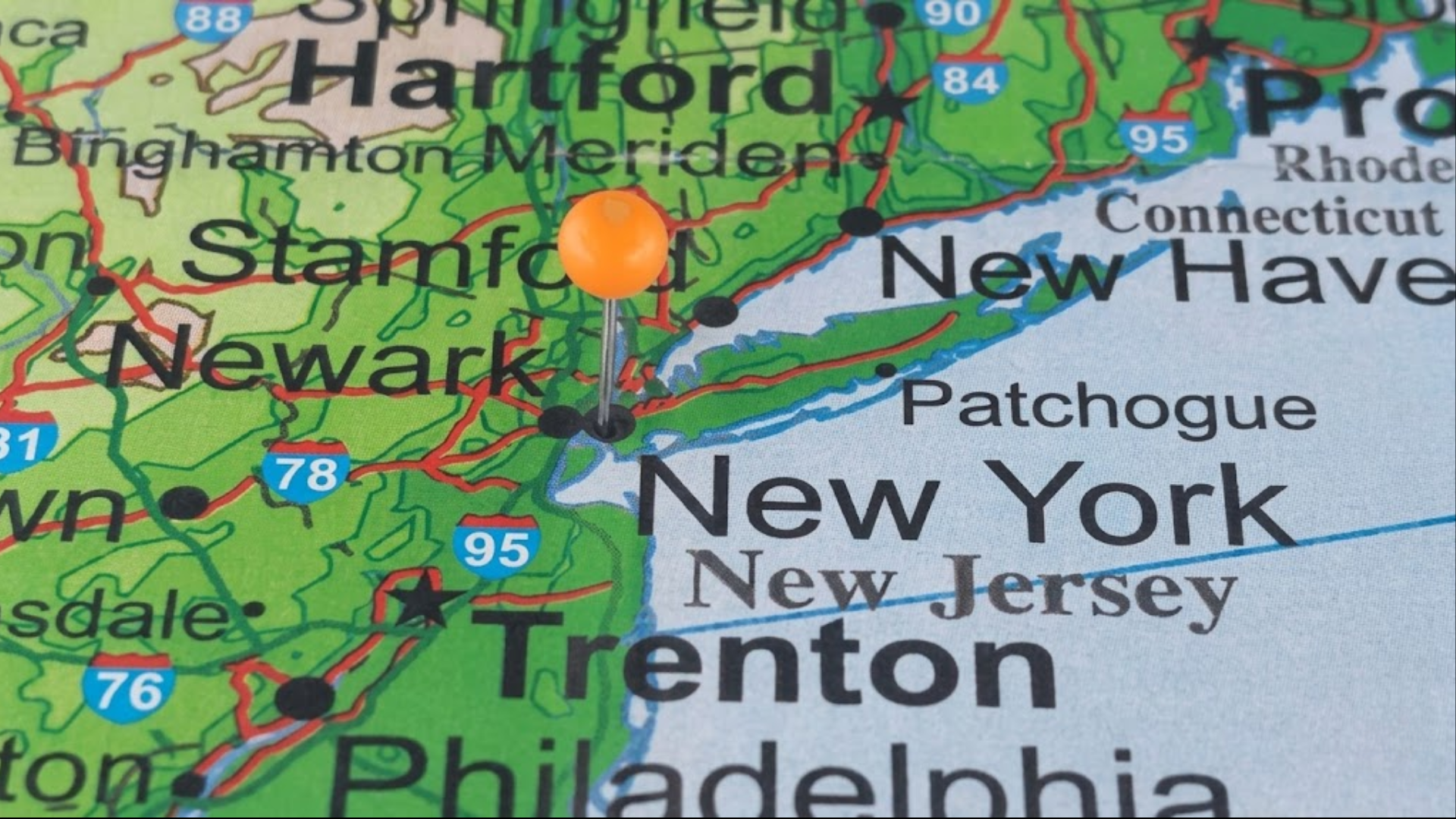
While NYC workers are seeing massive checks, they are the exception to the rule. In most of the United States, employers are legally allowed to change schedules freely without paying a single extra cent. This leaves millions of Americans forced to rearrange childcare or transportation at a moment’s notice with no financial safety net.
Why Your Boss Can Change Your Life for Free
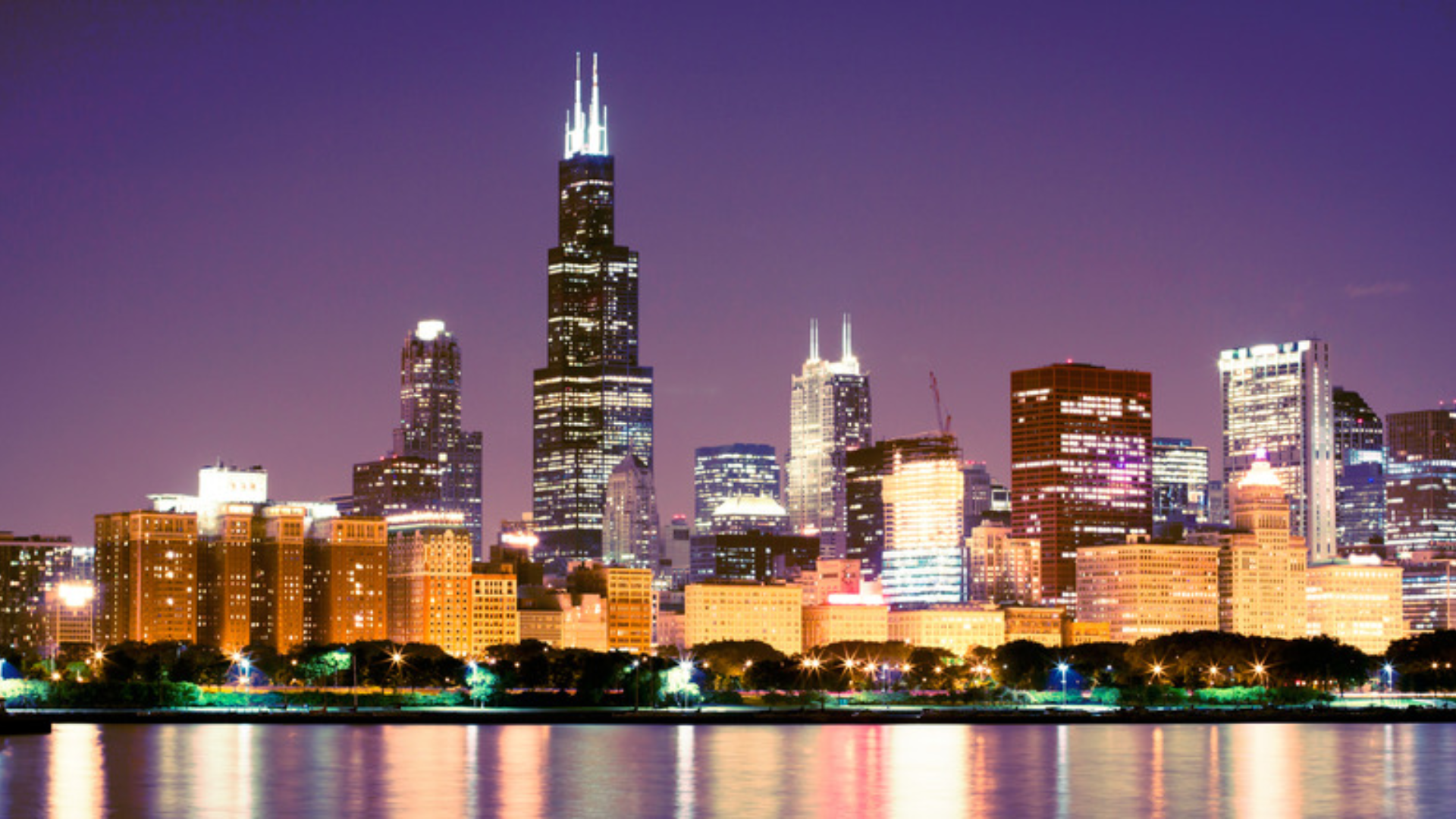
Predictive scheduling laws are incredibly rare in the U.S.. Beyond New York, only a handful of cities like Chicago, Seattle, San Francisco, and Philadelphia have adopted similar protections. In the vast majority of the country, the law does not require advance notice, leaving workers vulnerable to the whims of management.
17% of the Workforce Living in Limbo

The scale of scheduling instability is a national crisis. According to the Economic Policy Institute, at least 17% of the U.S. workforce faces an unstable or unpredictable work schedule. This trend doesn’t just disrupt daily life; it creates a income volatility that makes it nearly impossible for families to budget or save.
The Service Job Shift Reality

Research from the Shift Project shows that scheduling instability is most rampant in the service sector. Workers in fast food and retail often see their hours fluctuate wildly from week to week with zero warning. While NYC treats this as a violation, in most states, cutting or adding hours at the last minute remains perfectly legal.
How to Claim Your NYC Restitution
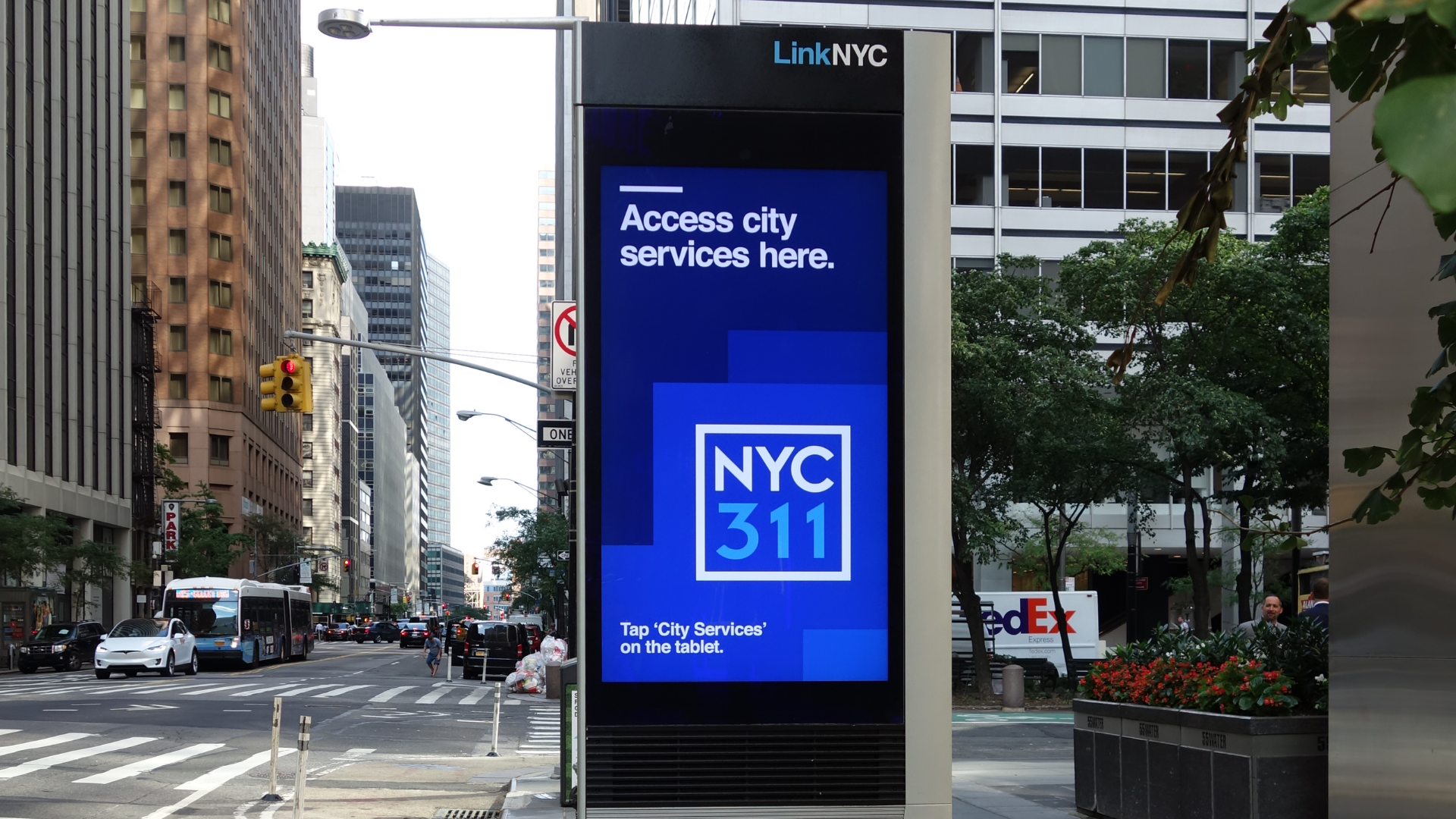
For fast-food workers in the five boroughs, the path to payment is surprisingly simple. Impacted employees can file a complaint through 311 or the city’s official worker website without needing to hire a private lawyer. The city investigates these claims on behalf of the workers, recovering the money they are legally owed for disrupted shifts.
Documenting the Short Notice Struggle
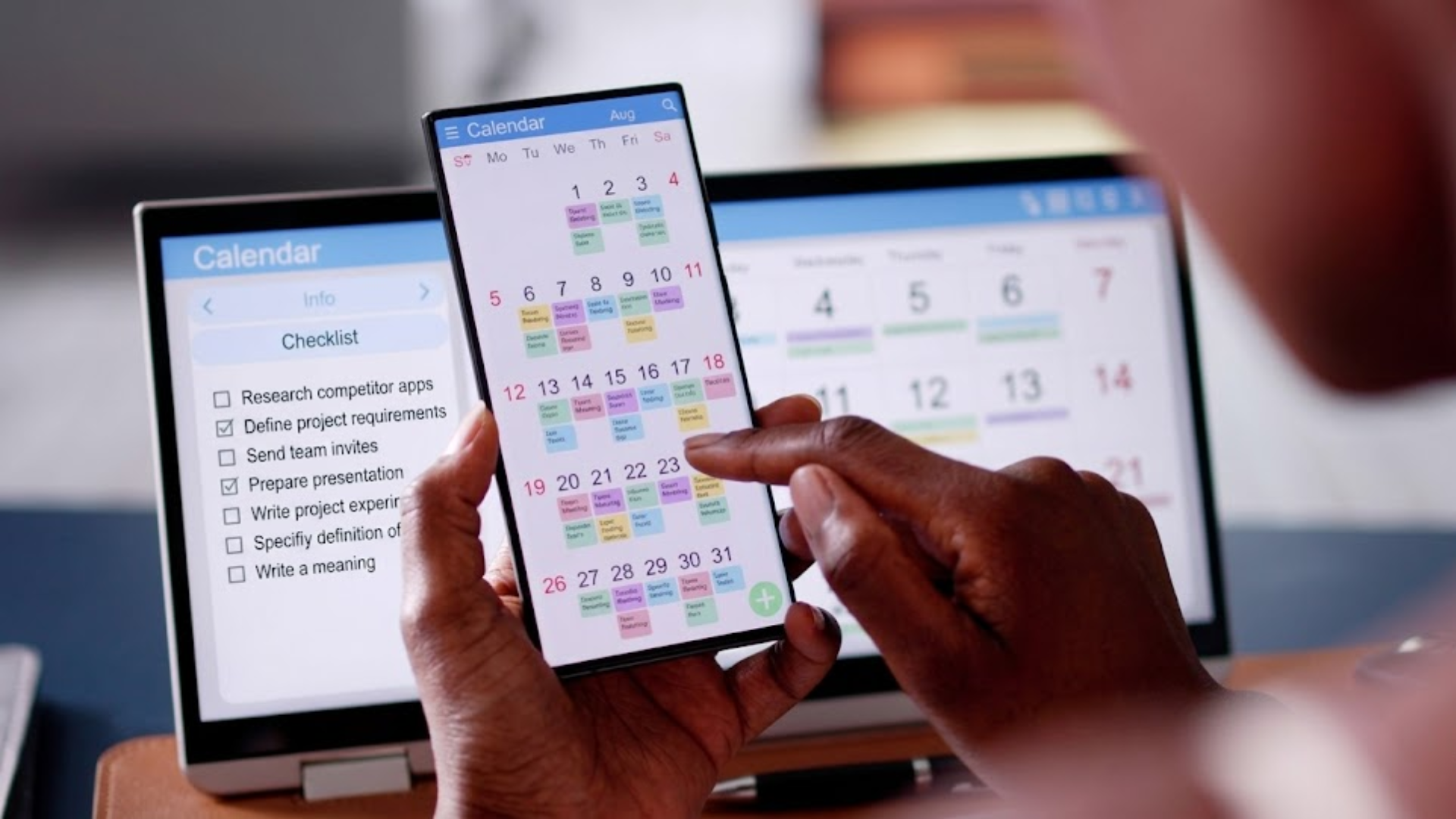
Even for those living outside of protected cities, experts recommend keeping a rigorous paper trail. Taking screenshots of schedule changes, logging canceled shifts, and saving text messages from managers can be vital. This evidence is crucial if a worker’s city eventually adopts fair workweek laws or if an employer violates their own internal policies.
The Future of the Fair Workweek
New York’s $2 million enforcement action serves as a blueprint for what worker protection could look like nationwide. As the debate over labor rights intensifies, more cities are looking at predictive scheduling as a human right. For now, NYC stands as a lonely island of stability in a sea of unpredictable hours.