Panera’s Viral New Menu Item Faces Backlash Over Food Waste Concerns
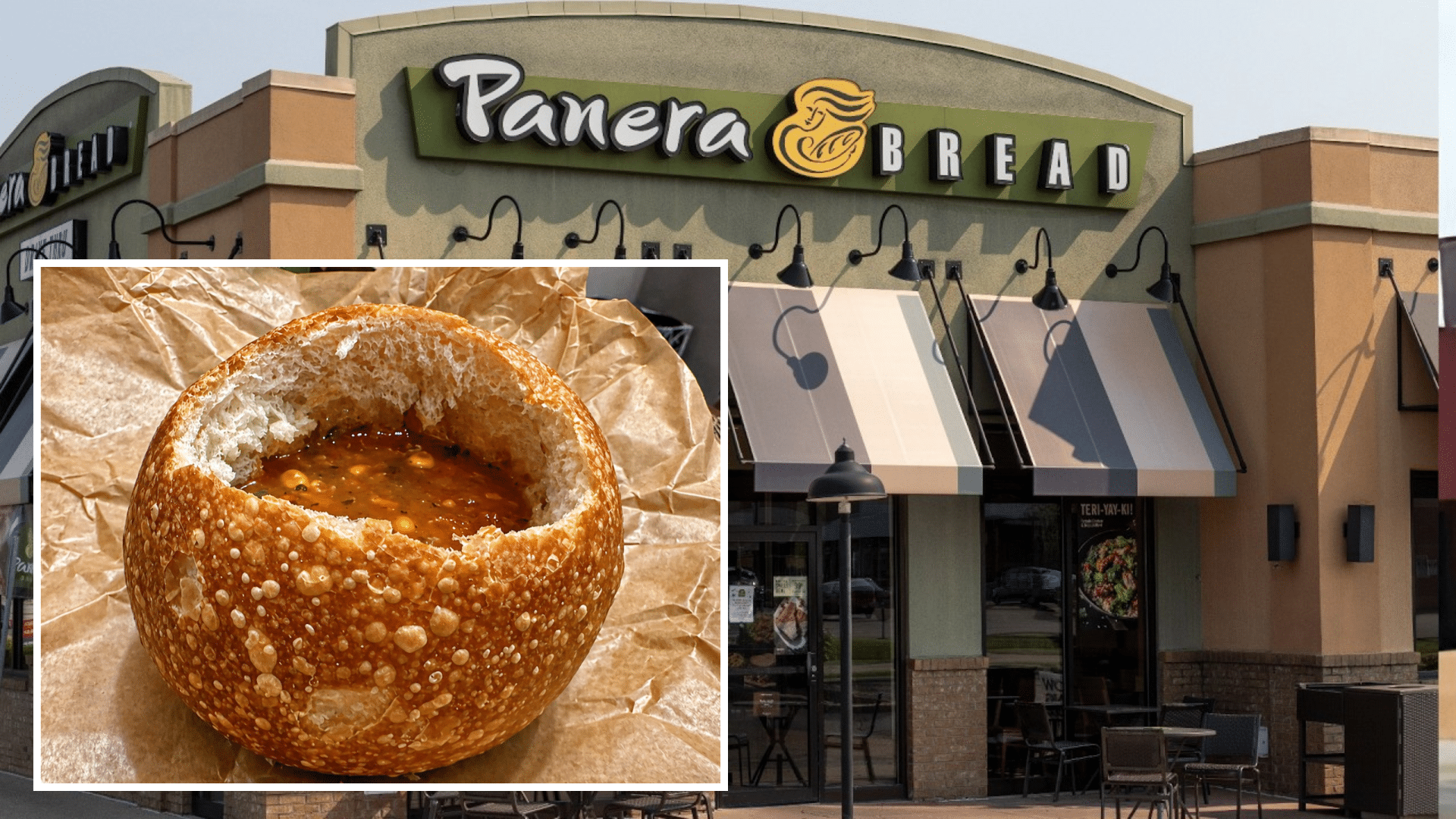

Imagine ordering a fresh meal only to discover that nearly half of your food was thrown in the trash before it even reached the table. This is the reality behind Panera Bread’s new salad stuffers, a product currently under fire for what critics call an avoidable environmental disaster. What began as a social media trend for a creative sandwich has quickly spiraled into a heated debate about corporate responsibility and the ethics of modern fast-casual dining.
The concept is deceptively simple: employees hollow out a classic baguette and fill the cavity with salad ingredients. While the presentation looks appealing on camera, a dietitian named Katy highlighted a massive flaw in a viral video. She described the item as a significant rip-off, noting that the chain is essentially repackaging existing ingredients while charging a premium price. This revelation has left many customers questioning the true value of what they are actually paying for.
The controversy intensified when a Reddit post from a Panera employee exposed the hidden cost of this preparation method. According to the worker, the process involves carving out large portions of bread that are immediately discarded. Furthermore, only a fraction of a standard salad portion actually fits inside the hollowed loaf. This means customers receive less food while the restaurant generates more trash, leading many to wonder exactly how much waste is produced during a single lunch rush.
The Growing Mountain of Discarded Dough
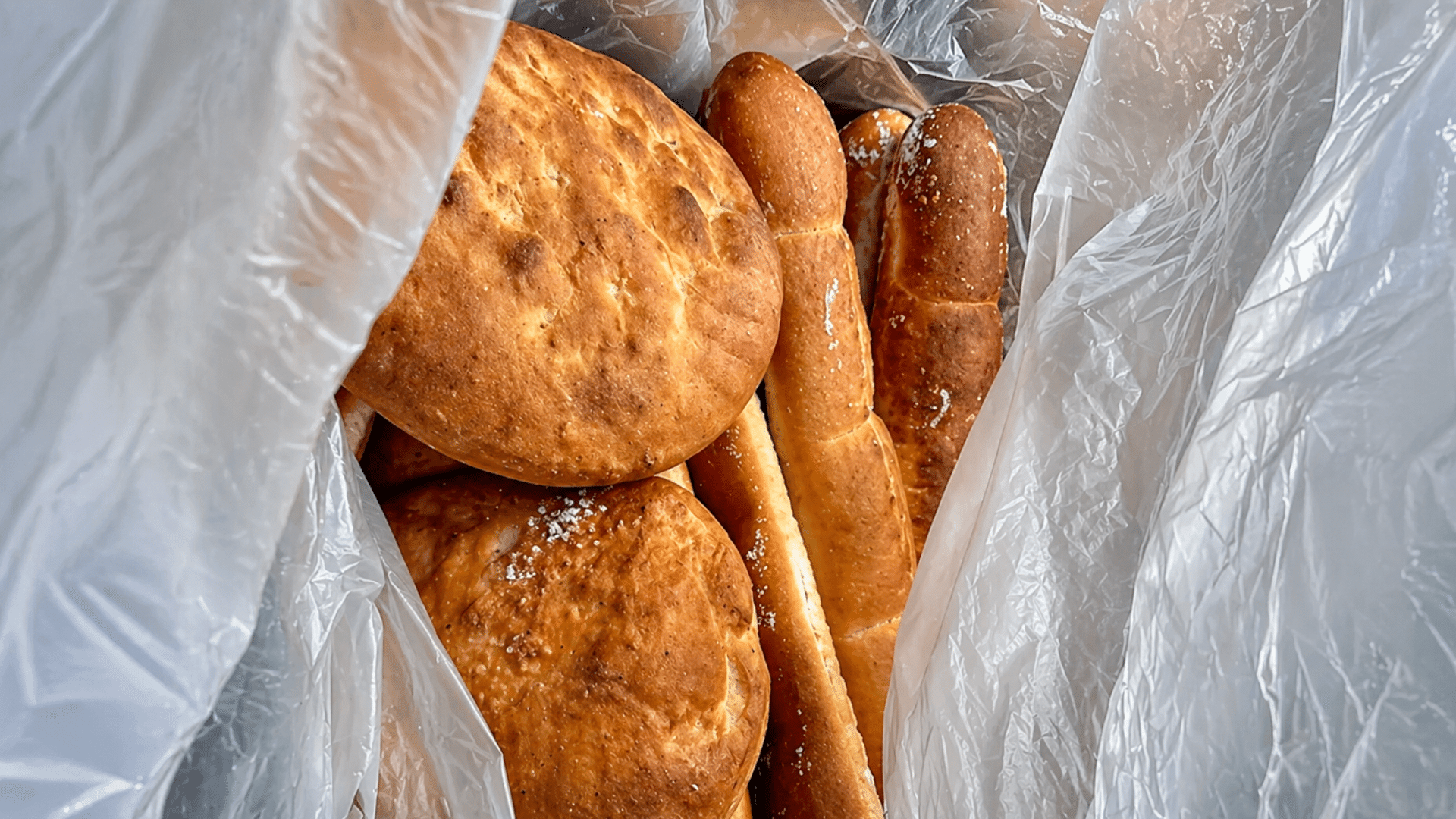
Evidence of this waste is not just anecdotal; photos shared by employees show piles of bread scraps destined for the dumpster. The original Reddit post claimed that managers specifically instructed staff not to offer these leftovers to customers or even repurpose them as animal feed. This rigid policy has frustrated workers who see perfectly edible food being tossed away every day. This internal friction highlights a disconnect between corporate efficiency and the values of the workforce.
Beyond the physical bread scraps, the remaining salad that does not fit into the baguette also faces a grim fate. If only two thirds of a half-sized salad can be stuffed inside, the final third often ends up in the bin. This double layer of waste affects both the bakery and the produce sections of the kitchen. As these reports spread online, the public outcry has shifted from simple price complaints to serious concerns about environmental impact.
The situation has struck a sensitive nerve with American consumers who are increasingly conscious of their ecological footprint. When a major brand introduces a product that necessitates waste by design, it challenges the image of sustainability many companies try to project. This backlash is not just about a single sandwich; it reflects a broader frustration with how large corporations handle resources. This growing awareness is forcing a difficult conversation about the hidden environmental costs of convenience.
Why Every Lost Bite Impacts the Planet
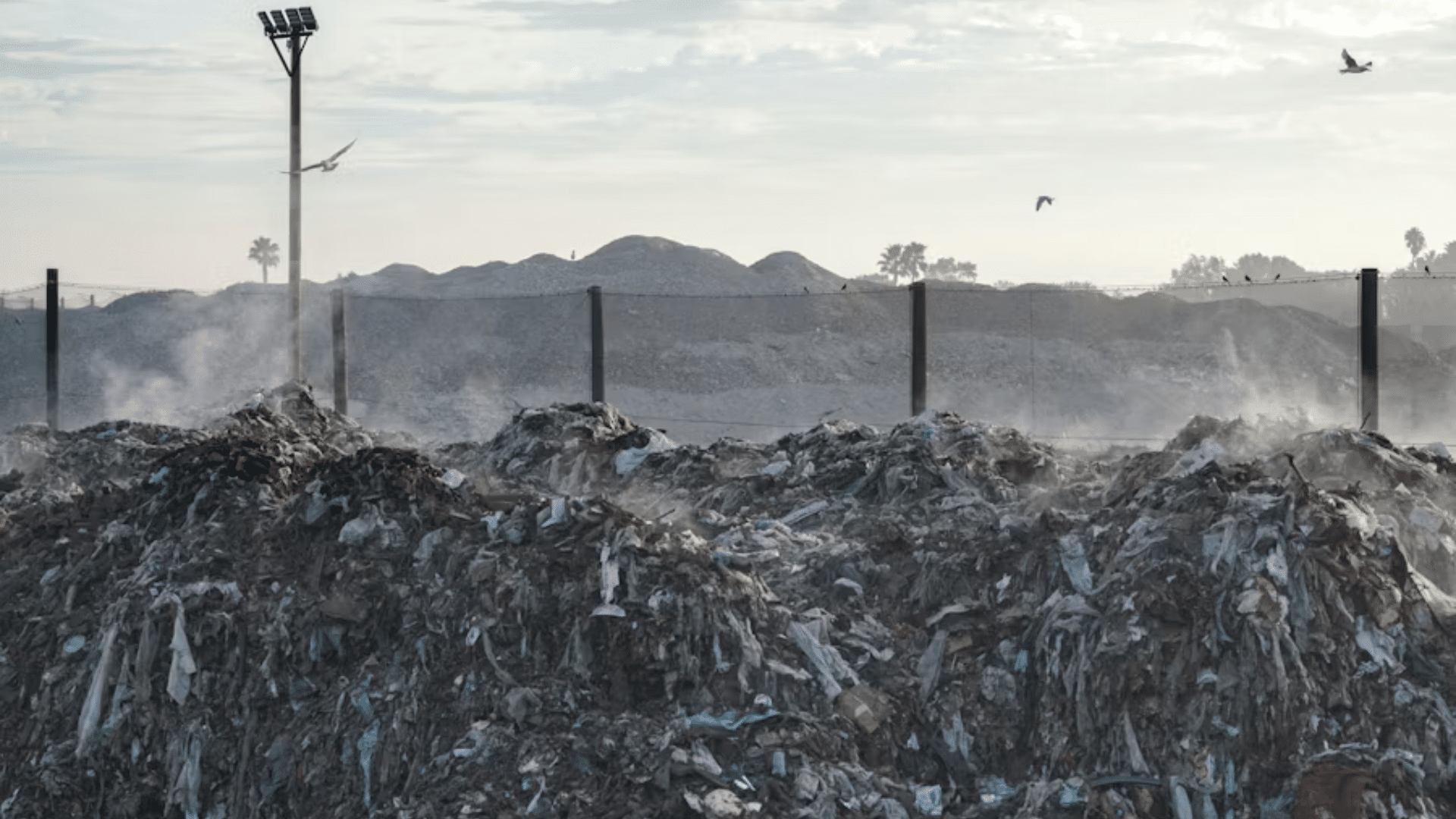
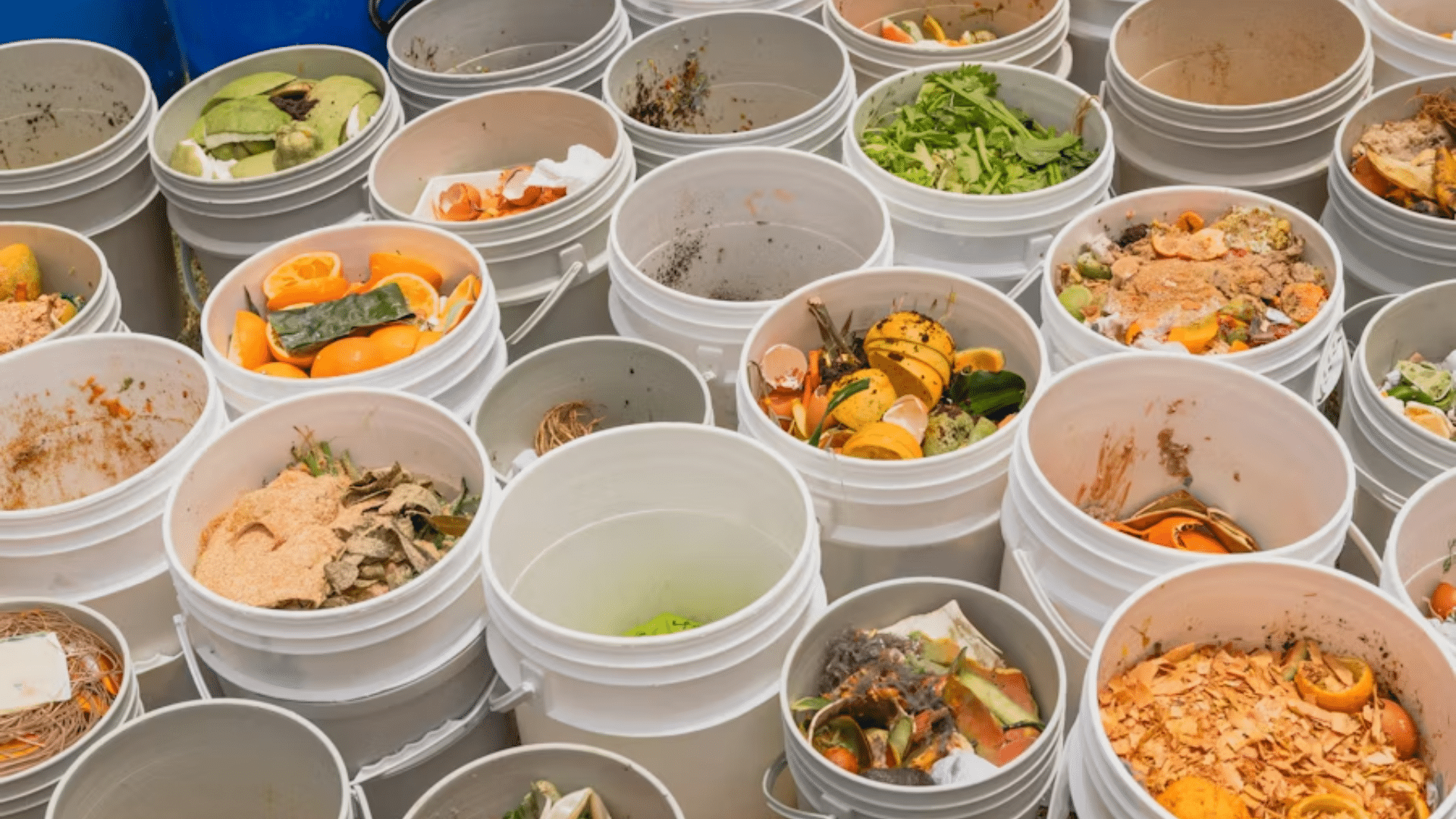
Food waste is a staggering problem in the United States, where nearly 40% of all food goes uneaten every year. This is not just a loss for hungry people; it is a direct blow to the environment. When organic matter like bread and lettuce rots in a landfill, it releases methane. This gas is a potent heat-trapping agent that is significantly more effective at warming the atmosphere than carbon dioxide, making every discarded baguette a climate issue.
The frustration expressed by many observers stems from how easily these problems could be solved. Commenters have suggested that Panera could simply give the removed bread to customers as a side or turn the scraps into croutons for their soups. Instead, the current mandate for disposal seems to prioritize uniform presentation over resourcefulness. This choice to favor aesthetics over sustainability is what has led many to label the new menu item as a corporate failure.
While the public demands better solutions, the reality of food donation in the corporate world is often wrapped in red tape. Companies frequently cite strict safety regulations and liability concerns as reasons for not sharing surplus items with the community. However, critics argue that these hurdles are often used as excuses to avoid the logistical effort required for food rescue. These systemic barriers make it harder to divert waste, leaving the burden on the consumers.
A Call for Corporate Transparency and Change
The online response to the salad stuffers has been swift and unforgiving. Disappointed customers are sharing their experiences, with many stating they will never purchase the item again after learning about the wasted ingredients. One Reddit user noted that their own experience felt hollow, literally and figuratively, after realizing how much of the meal was missing. This consumer revolt suggests that modern diners are looking for more than just a quick meal; they want ethical transparency.
Some forward thinking companies are already proving that change is possible by partnering with food rescue organizations to manage their surplus. These initiatives show that with the right logistics, the transition from waste to wellness is achievable. If a massive chain like Panera can pivot its strategy, it could set a new standard for the entire fast-casual industry. The pressure is now on leadership to decide if their viral menu items are worth the reputational damage.
As we look toward the future of the food industry, the question remains whether convenience will always come at the cost of the environment. Will restaurants begin to design menus with zero waste in mind, or will the dumpster continue to be a standard part of the recipe? For now, the empty baguettes serve as a stark reminder of the work still needed to fix our food system. The next time you order, you might wonder what was left behind.