Popular Convenience Store is Closing More Than 600 Locations Across North America
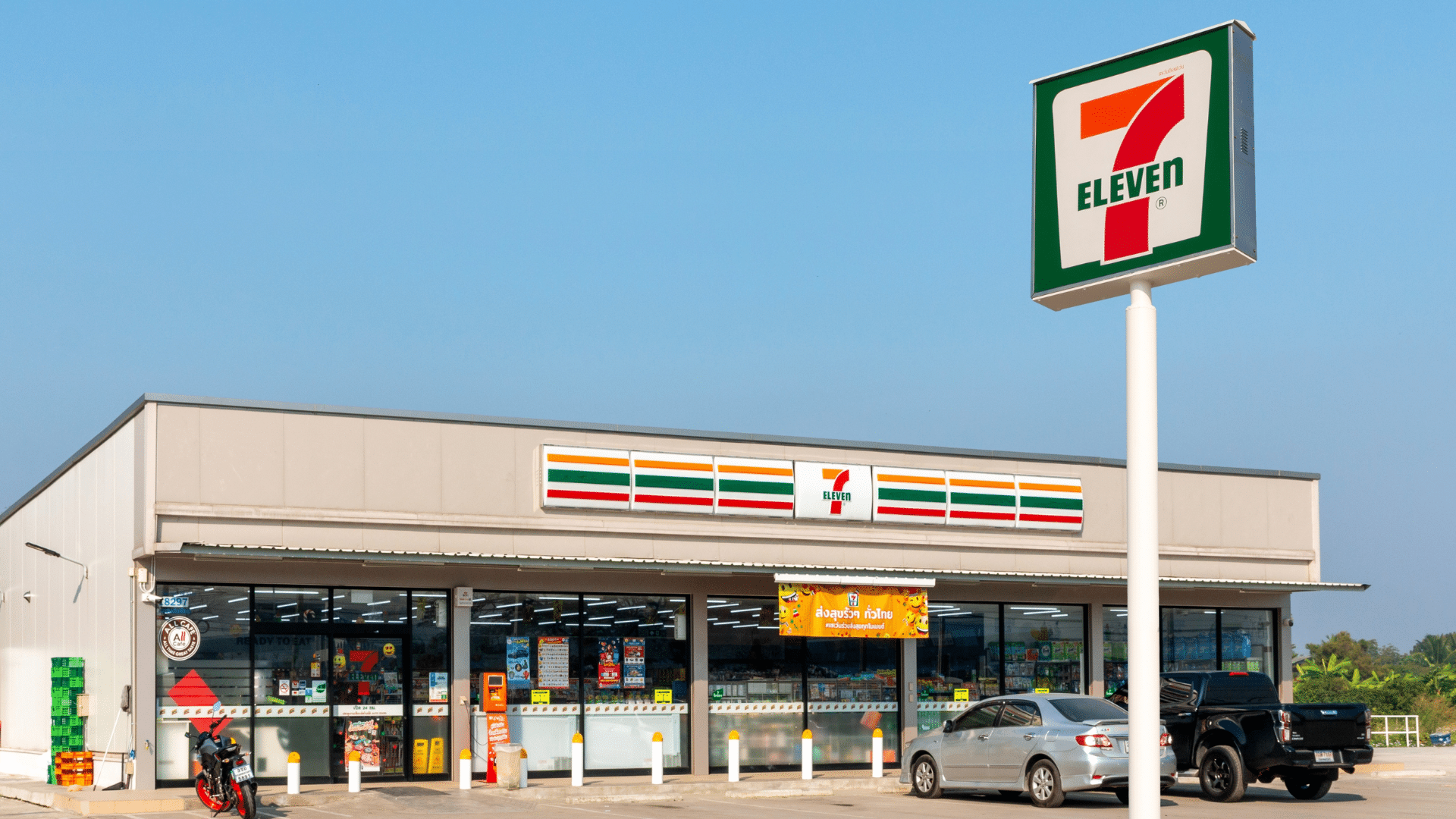

A major convenience store chain is preparing to close hundreds of locations across North America, with more than 600 7-Eleven stores expected to shut down as part of a large-scale restructuring plan. The closures are scheduled across the company’s fiscal year and will affect a mix of underperforming stores and locations being converted into fuel-only outlets. While the brand remains one of the largest convenience chains in the region, the decision reflects shifting business priorities and changing consumer habits. The move is part of a broader strategy to streamline operations while still maintaining a strong retail footprint.
645 Stores Expected to Close Across North America
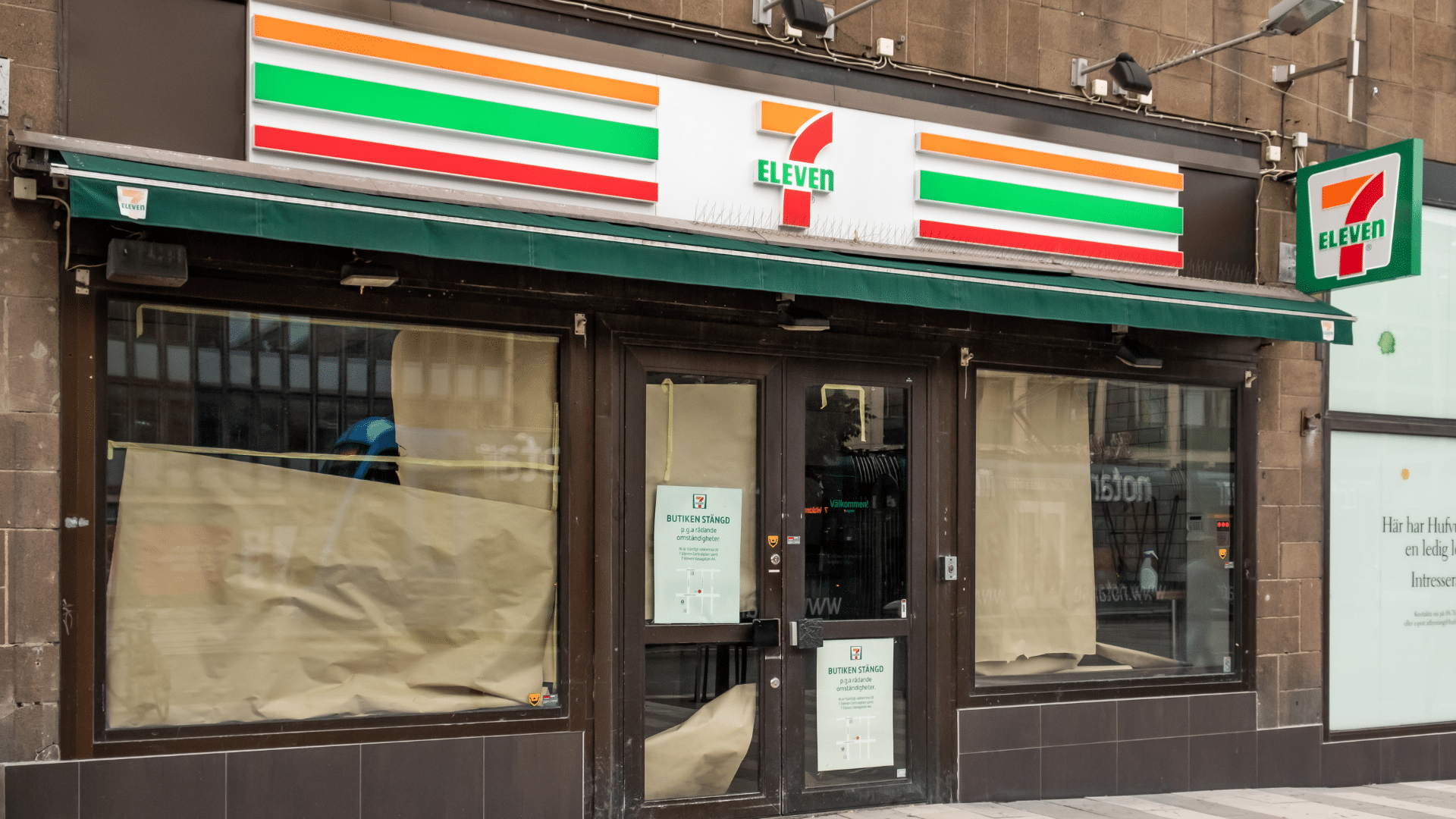
The company’s parent organization has confirmed plans to close approximately 645 stores across the United States and Canada during its 2026 fiscal year. These closures are expected to significantly outpace the number of new stores opening during the same period, marking a net reduction in total locations. The affected stores will include both traditional convenience outlets and sites transitioning to different business formats. Despite the scale of closures, the chain still operates thousands of locations across North America.
Some Stores Will Be Converted, Not Fully Closed
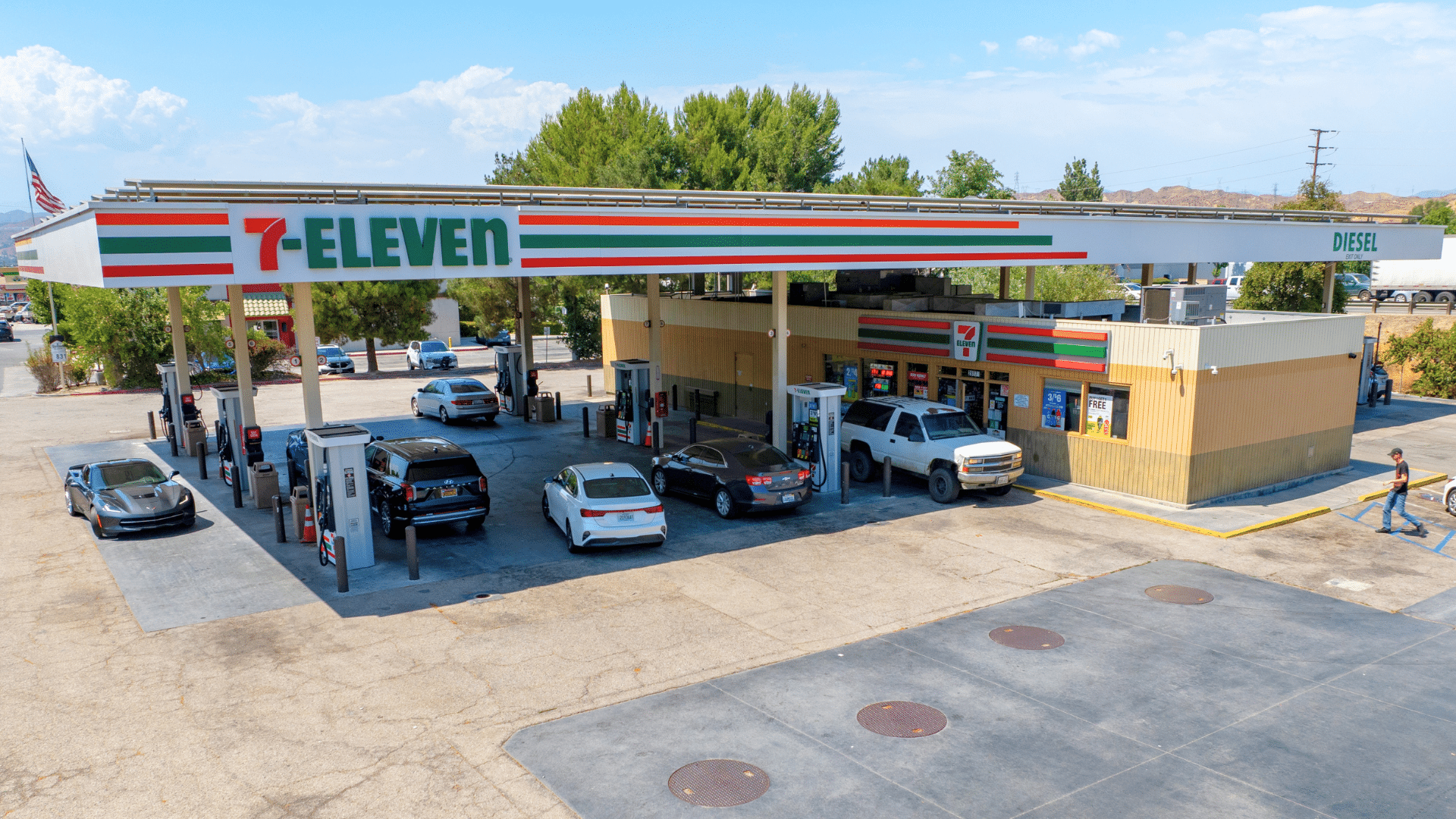
Not all of the affected locations will disappear entirely, as some stores are being converted into wholesale fuel or gas-only sites instead of full-service convenience stores. This shift allows the company to maintain a presence at certain locations while reducing operating costs. The conversion strategy reflects a broader effort to optimize profitability in lower-performing areas. Customers may still see activity at these sites even after retail operations change.
A Strategic Shift Toward Food-Focused Stores
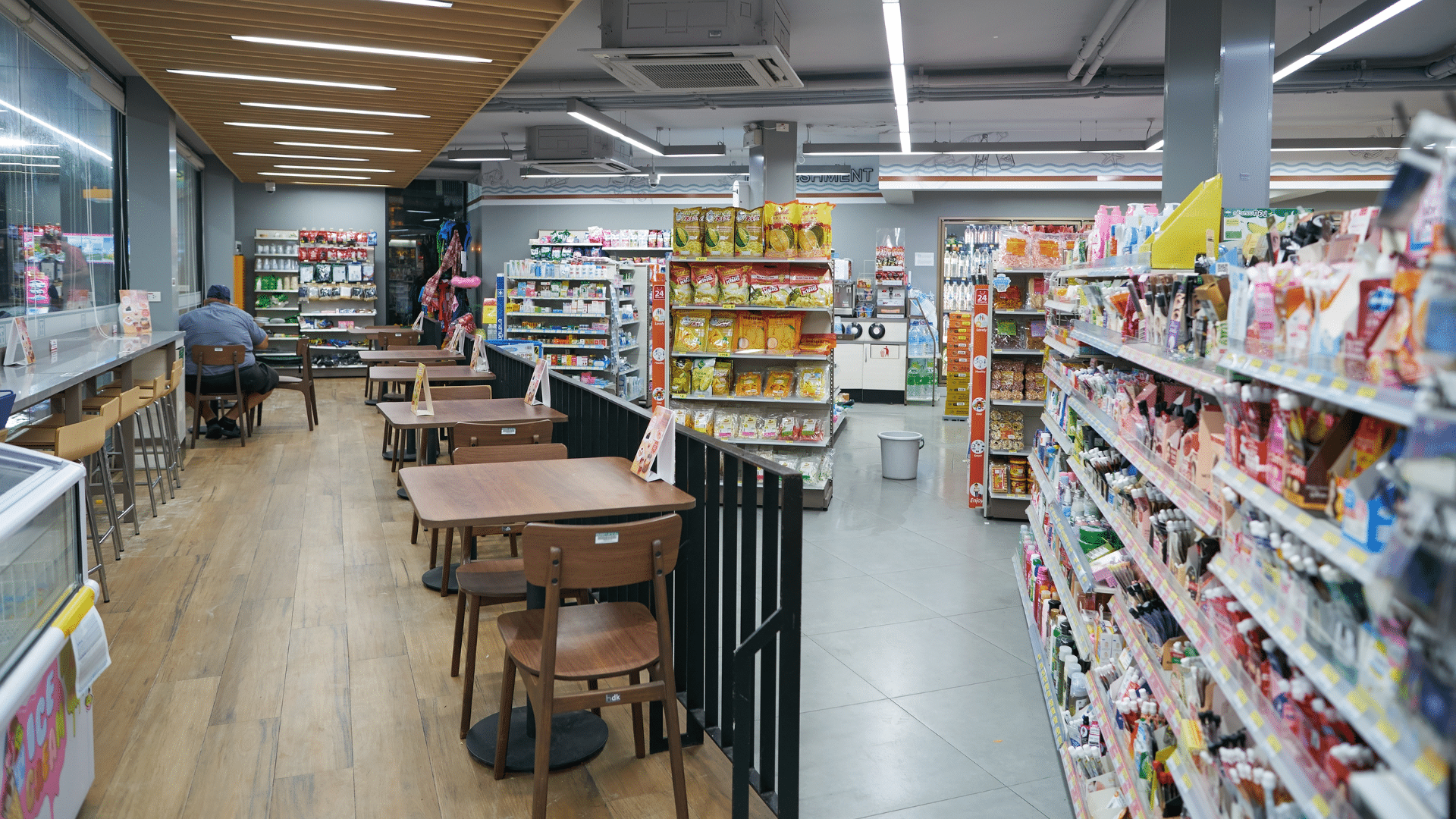
The closures are part of a larger transformation strategy aimed at building more food-focused and upgraded convenience store formats. The company is investing in new store designs that emphasize fresh food, beverages, and expanded customer experiences. These modernized locations are intended to attract more in-store traffic and improve overall sales performance. Analysts say this reflects a shift away from traditional convenience models toward hybrid food-service retail.
Inflation and Consumer Pressure Behind the Decision
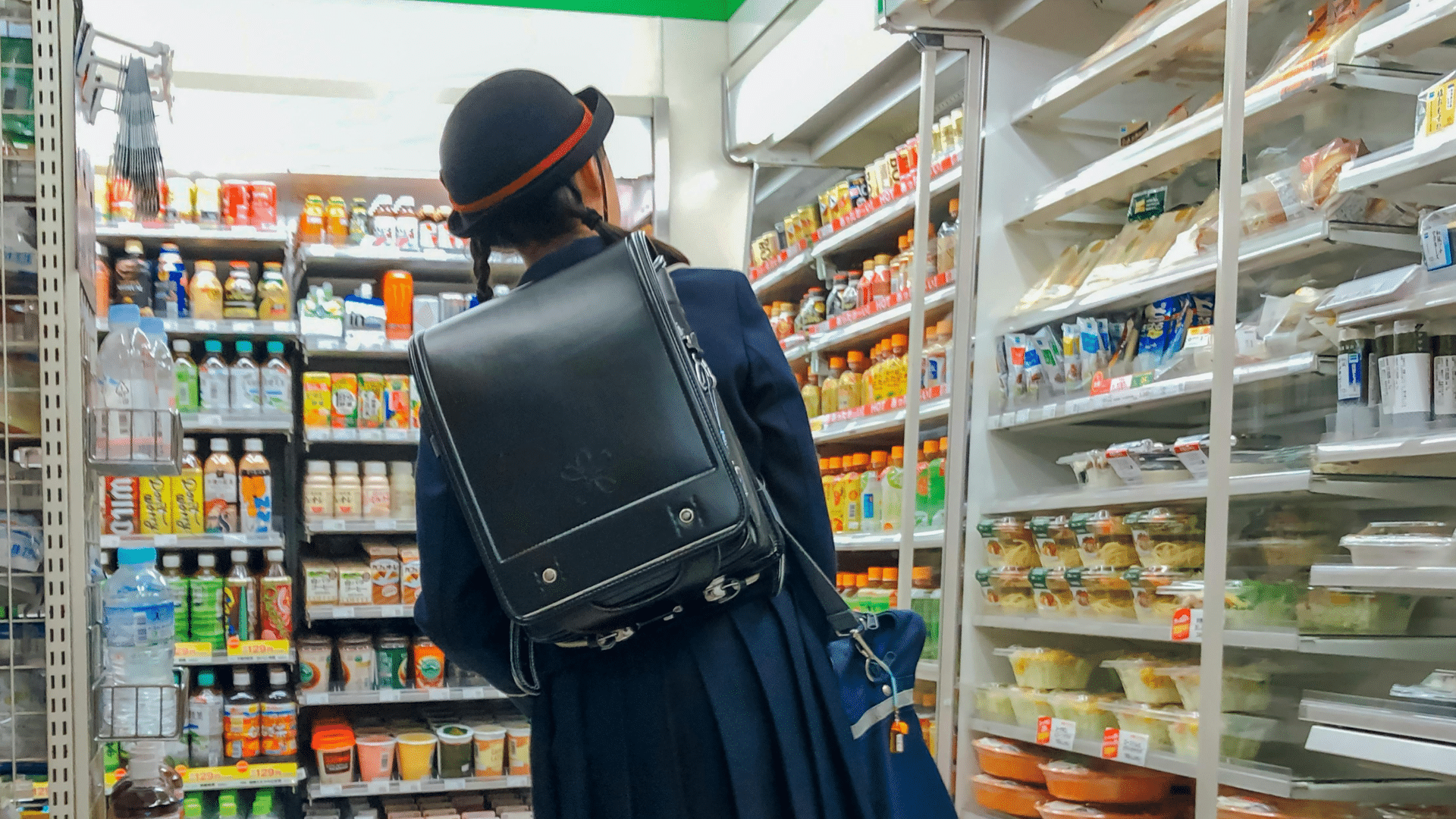
Company filings indicate that inflation and reduced consumer spending have played a role in the decision to close hundreds of stores. Lower-income households, in particular, have reduced discretionary purchases, impacting sales at certain locations. These economic pressures have forced retailers to reassess store performance and long-term viability. As a result, underperforming stores are being targeted for closure or conversion.
Not All News Is Negative for the Chain
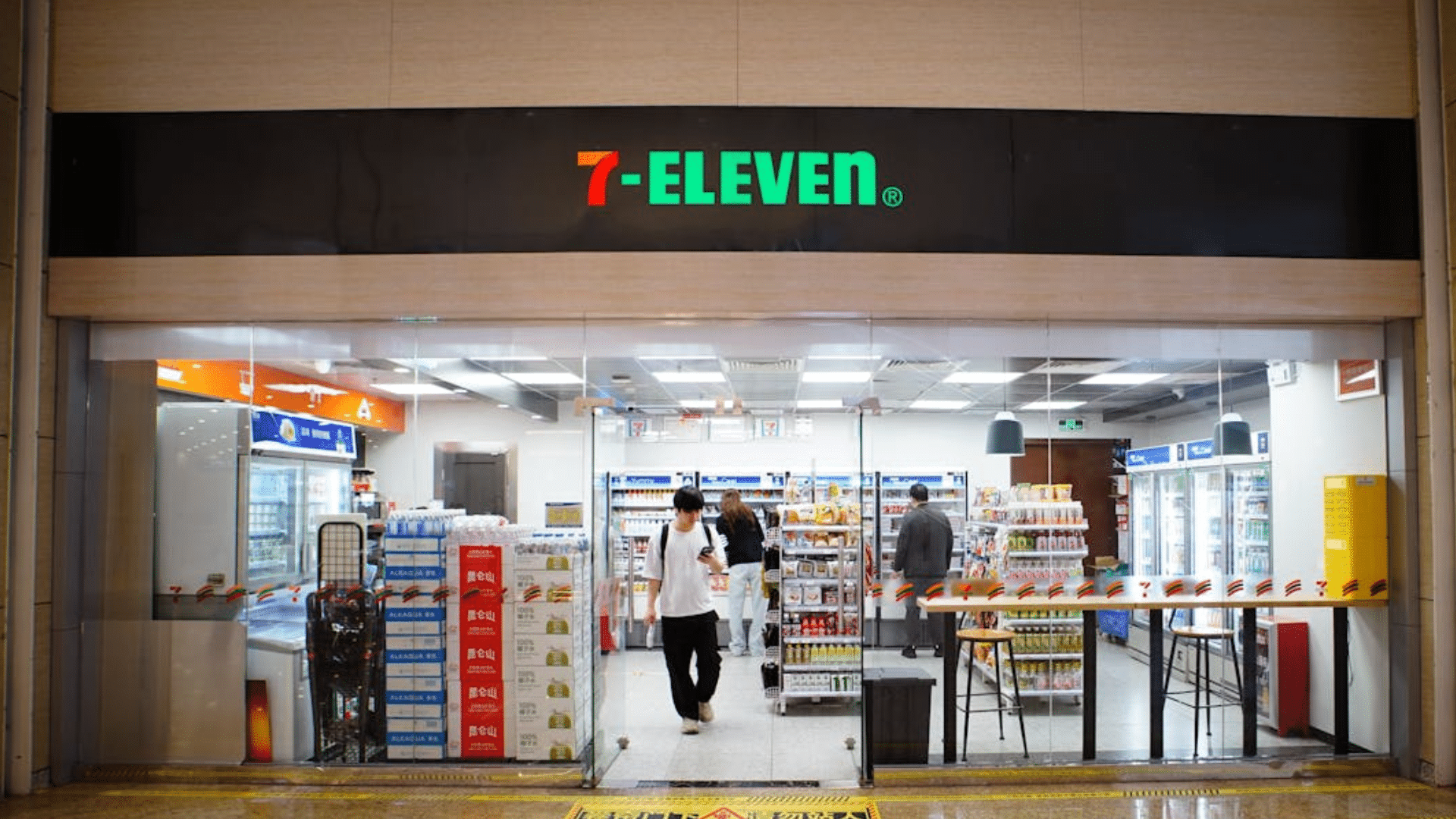
Despite the closures, the company still plans to open more than 200 new stores across North America during the same period. These new locations are designed to be larger, more efficient, and more food-oriented than traditional stores. The expansion is part of a long-term strategy to modernize the brand while reducing outdated formats. This shows the company is still investing in growth, even as it reduces its overall footprint.
Impact on Employees and Local Communities
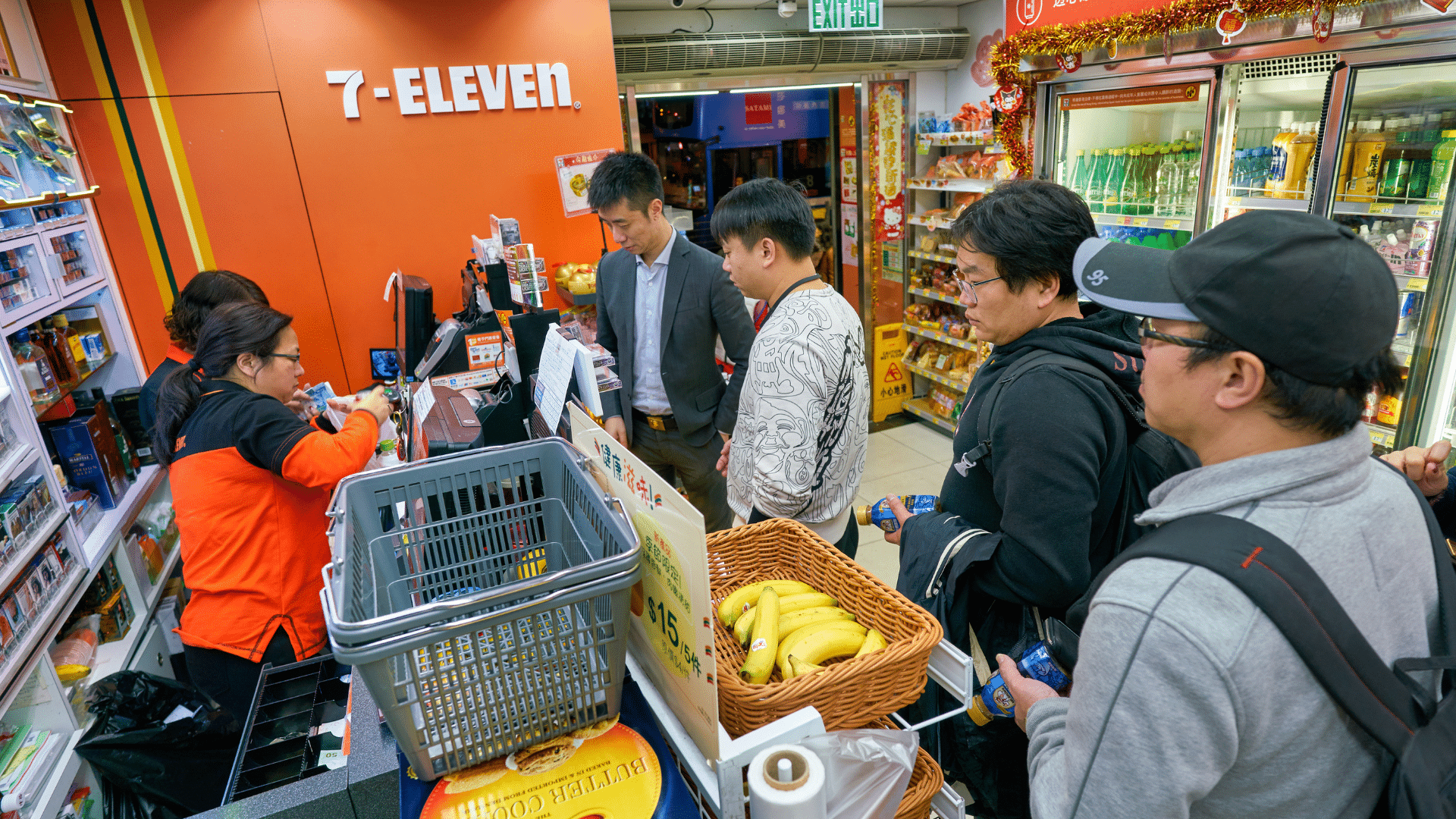
Store closures are expected to affect thousands of employees across multiple states and provinces, particularly in communities where 7-Eleven is a major employer. While some workers may be reassigned or transferred, others could face job displacement. Local economies that rely on these stores for jobs and services may also feel the impact. The restructuring highlights the human side of large-scale retail changes.
A Changing Convenience Store Industry
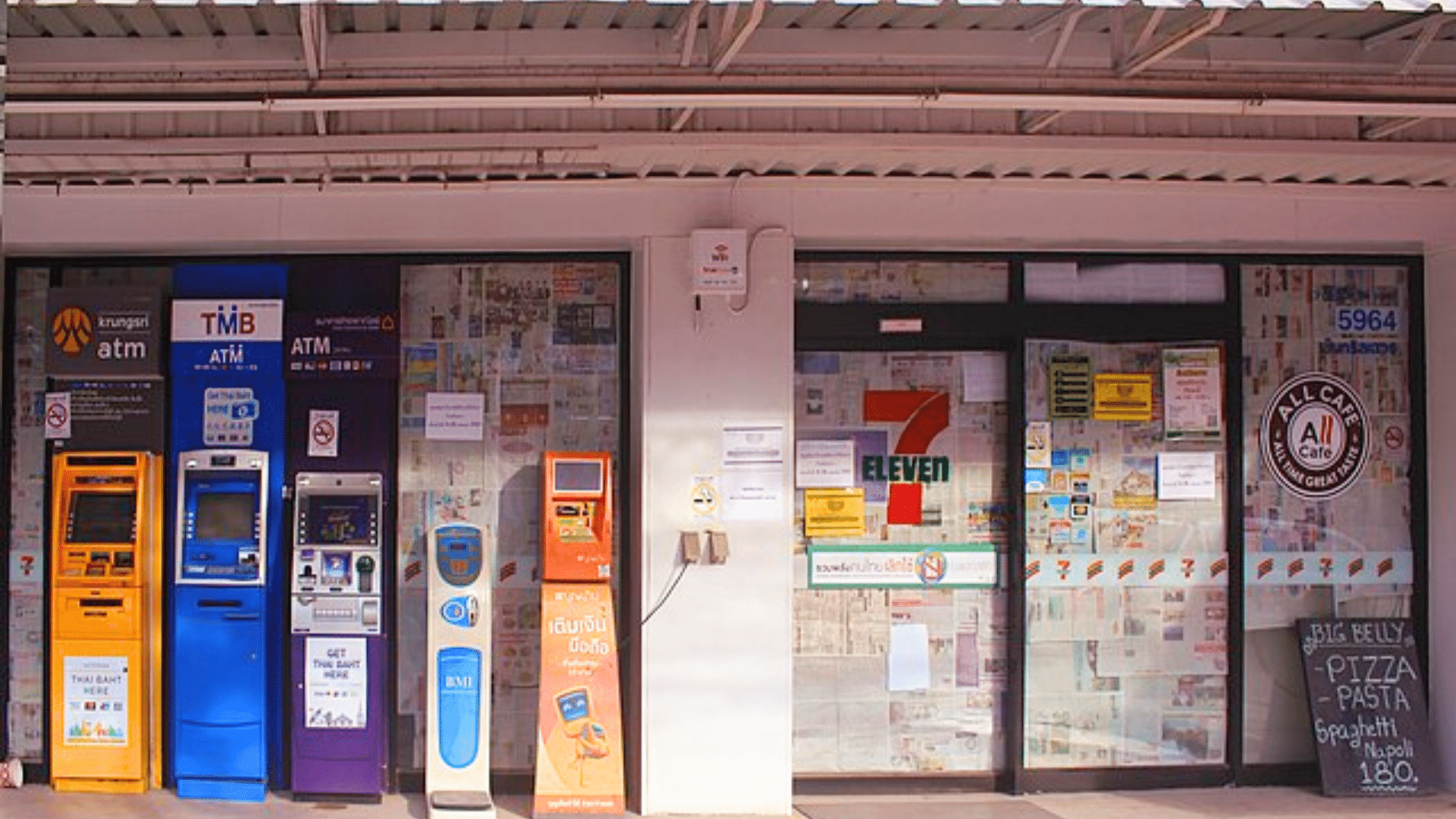
The closures reflect broader changes in the convenience store industry, where companies are adapting to shifting consumer behavior and increased competition. Retailers are focusing more on prepared food, delivery integration, and streamlined operations to stay profitable. As e-commerce and alternative retail formats grow, traditional convenience models are being reworked. This transformation is reshaping how everyday retail stores operate across North America.
What Customers Can Expect Next
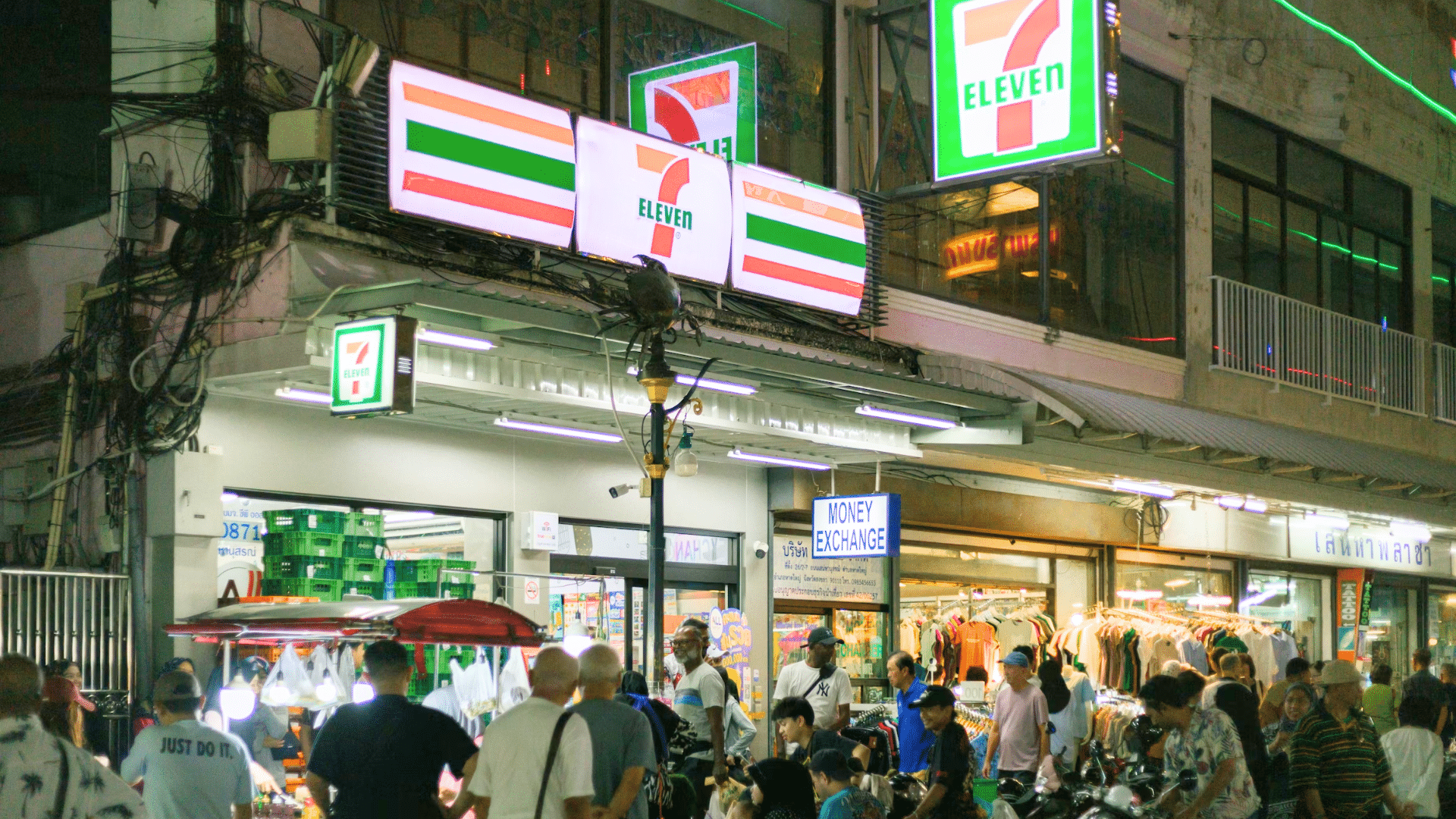
Customers in affected areas may see store closures, conversions, or temporary disruptions as the restructuring continues. However, the company has emphasized that most locations will remain open and continue operating as usual. New store openings and upgrades are also planned to offset some of the closures. The overall goal is to maintain accessibility while improving store quality and efficiency.
A Major Shift, Not a Disappearance
The closure of more than 600 convenience store locations across North America marks one of the biggest restructuring moves in the industry in recent years. While the scale may appear significant, the company is not exiting the market but instead reshaping its footprint for long-term growth. With new store formats and continued expansion plans, the brand is evolving rather than shrinking. For customers, the convenience store landscape will look different, but far from gone.