Prices Surge as Global Sulfur Shortage Raises Alarms Worldwide
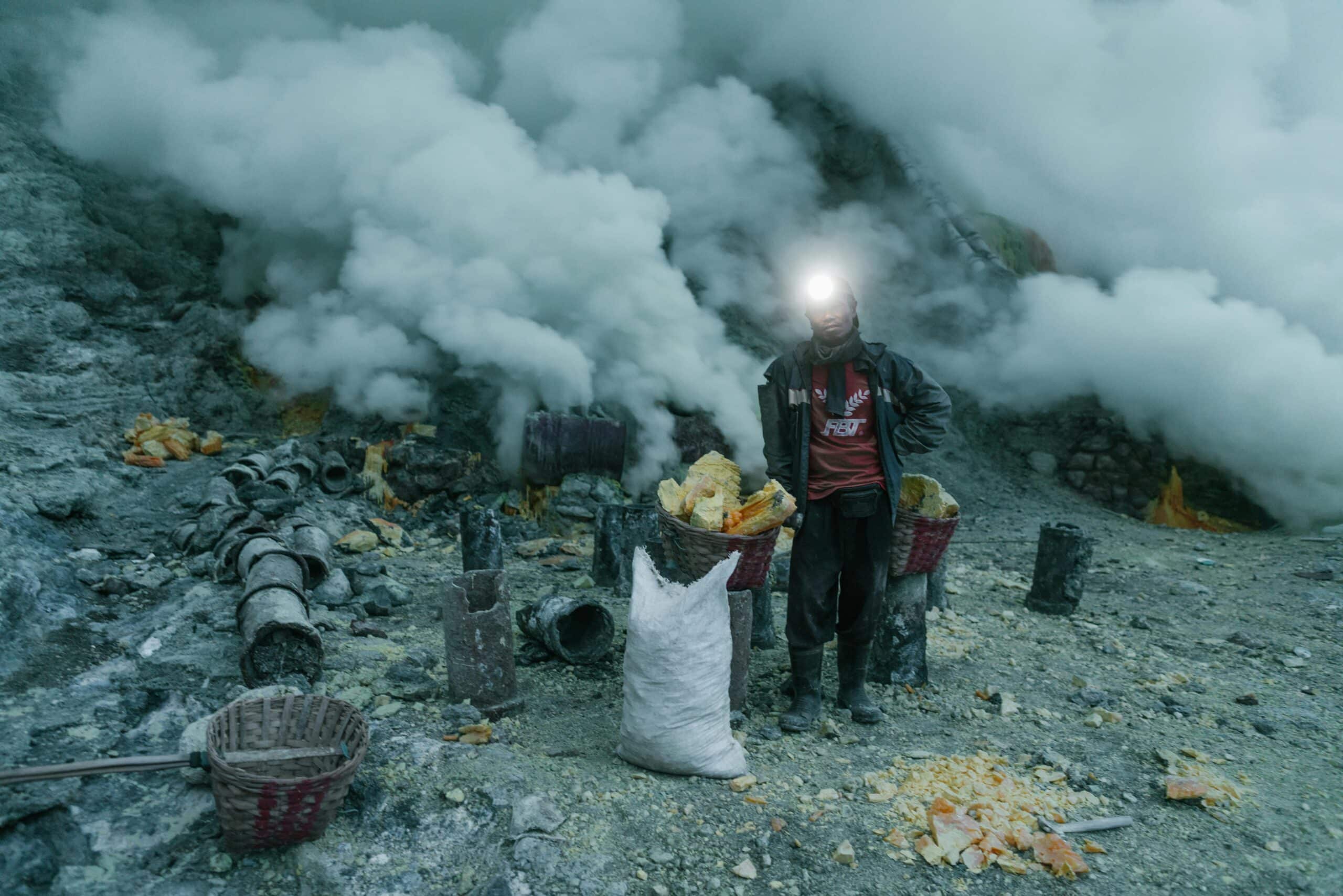

A quiet chemical is suddenly making a lot of noise across the global economy. Sulfur—something most people rarely think about—is now at the center of a growing supply crisis. Prices are climbing fast, supply chains are tightening, and industries from farming to tech are feeling the pressure. What makes this situation more concerning is how quickly it escalated. What started as a regional disruption is now shaping into a global ripple effect, one that could soon show up in everyday expenses, from groceries to electronics.
Why Sulfur Matters More Than You Think
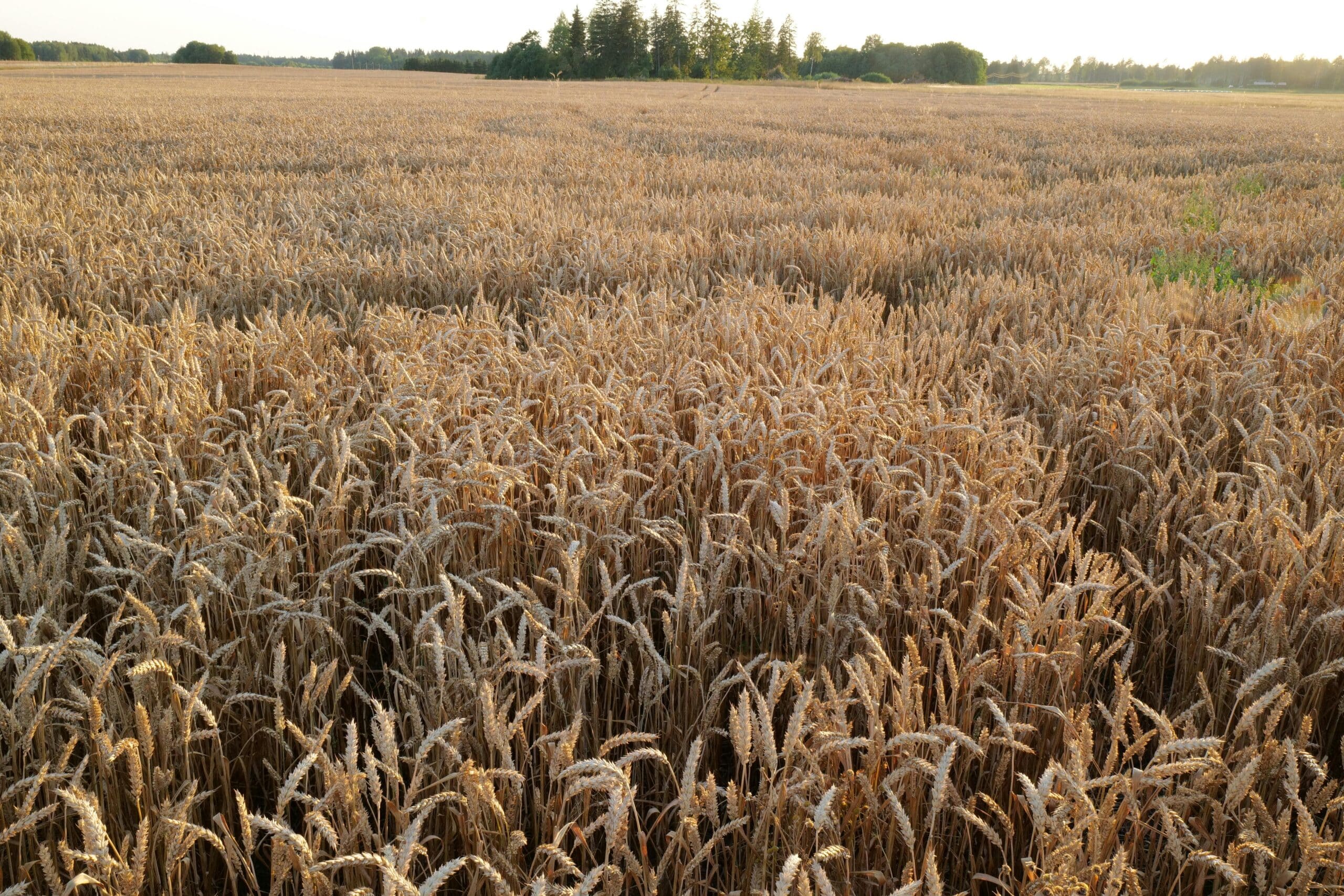
Sulfur may not be a household name, but it plays a massive role behind the scenes. Around 80% of sulfur is turned into sulfuric acid, a key ingredient used in fertilizers, chemicals, and industrial processes. That means it directly supports food production and manufacturing. Without it, crops struggle to grow efficiently, and industries face rising costs. In short, sulfur is one of those “invisible essentials” that keeps the modern world running smoothly—until it suddenly doesn’t.
What Caused the Sudden Shortage
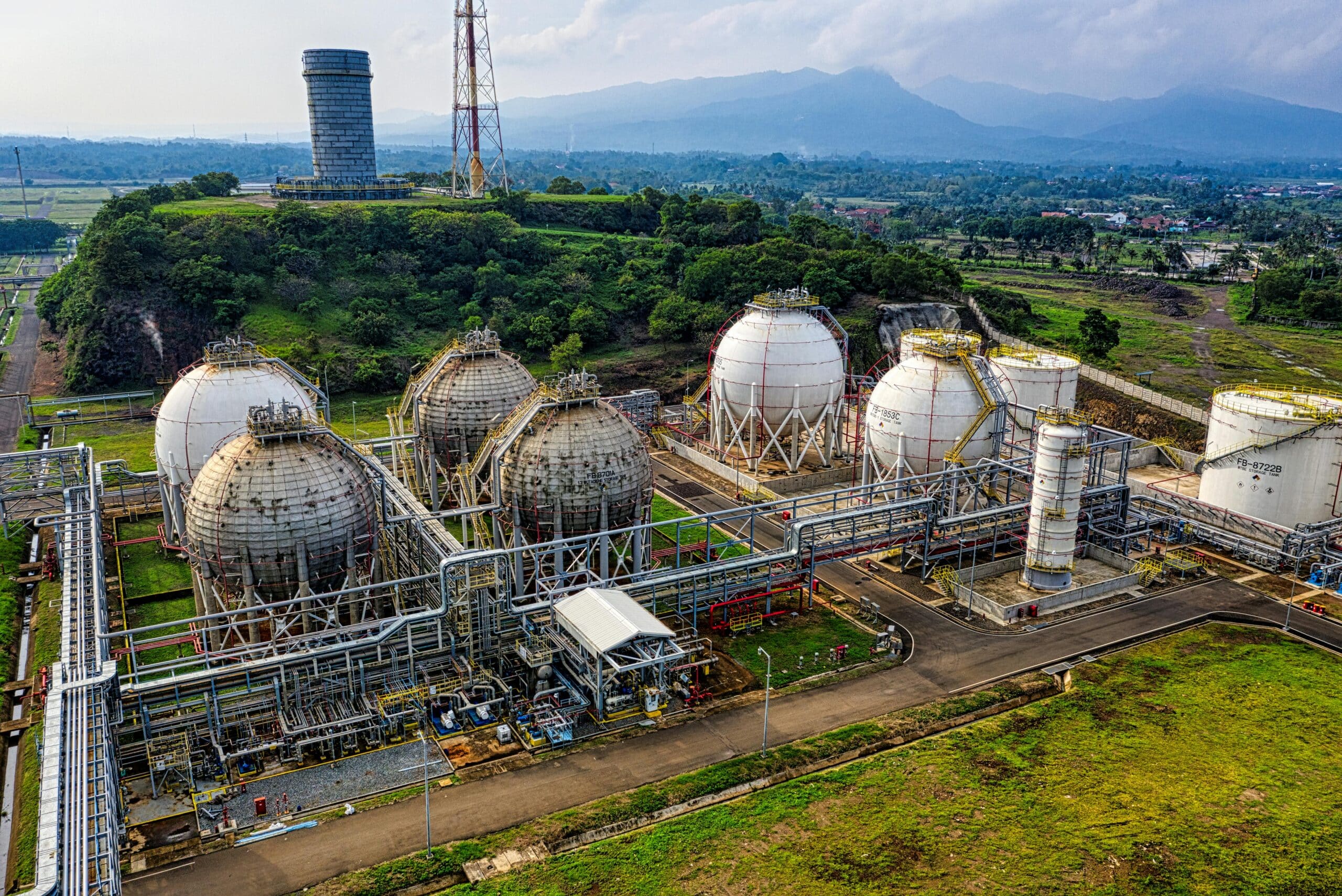
The current shortage is largely tied to disruptions in the Middle East, particularly around the Strait of Hormuz, a critical global shipping route. This region is responsible for a huge share of the world’s sulfur exports, and when shipments slow or stop, the entire system feels it. With conflict affecting oil and gas production—where sulfur is produced as a byproduct—supply has dropped sharply. At the same time, transporting what’s left has become more difficult, creating a bottleneck that’s pushing prices higher.
Prices Are Rising Fast

The numbers tell the story clearly. Sulfur prices have surged by about 40% in just a matter of weeks, reaching roughly $600 per metric ton. In some markets, prices have climbed even higher, reflecting just how tight supply has become. This kind of rapid increase doesn’t stay contained; it spreads. Industries that rely on sulfur are now paying more, and those added costs often get passed along to consumers.
The Impact on Food Prices

One of the biggest concerns is what this means for food. Sulfur is essential for producing phosphate fertilizers, which help crops grow. When fertilizer costs rise, farmers face higher expenses—and that can translate into more expensive groceries down the line. Timing makes this even more critical. The shortage is hitting just as farmers prepare for planting season, raising concerns about lower yields and tighter food supplies in the months ahead.
The Pressure Spreads Across the Food Chain
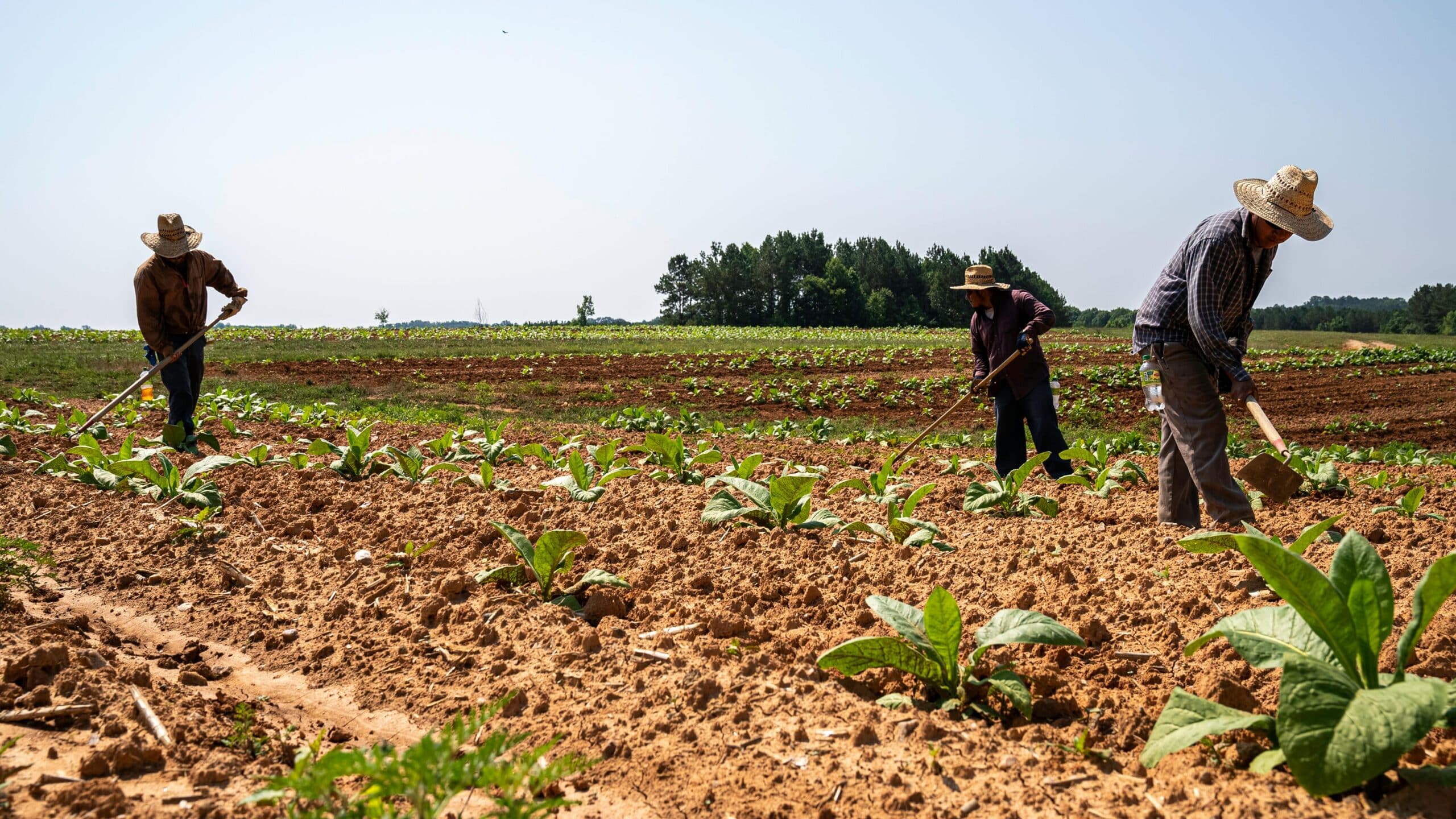
The impact doesn’t stop at fertilizer—it moves through the entire food system. Sulfur plays a role in processing crops, refining raw materials, and supporting the production of key agricultural inputs. As costs rise at each stage, farmers, distributors, and food producers all feel the strain. That pressure can lead to higher production costs for everything from grains to packaged foods. When multiple steps in the supply chain become more expensive at once, the effect compounds. What starts as a shortage of a single chemical begins to influence the price and availability of food across the board.
A Fragile Supply System Exposed

This shortage is revealing how dependent agriculture is on global supply chains. A large portion of the world’s sulfur exports comes from the Middle East, making it a critical source for fertilizers used worldwide. When that supply is disrupted, farmers and suppliers have limited alternatives. Competing for smaller amounts of available sulfur drives prices even higher, especially during peak planting periods. The result is a system where food production becomes more vulnerable to disruptions happening far beyond the farm.
Why Farmers Can’t Easily Adapt
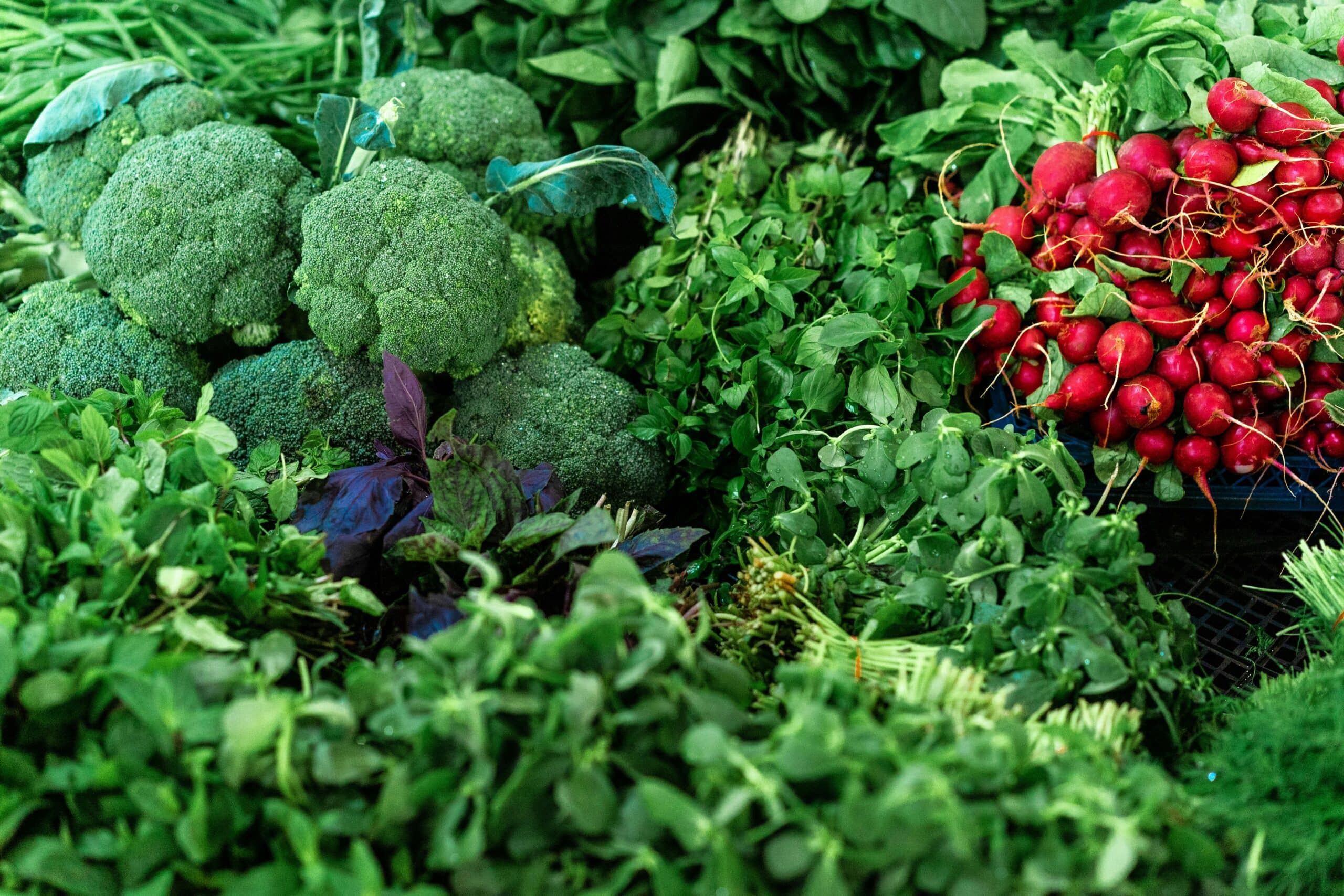
Unlike other inputs, sulfur isn’t something farmers can easily replace. It’s a core component in fertilizers that support crop growth and soil health. If supply is limited, farmers may have to reduce usage, delay planting decisions, or absorb higher costs. The challenge is timing. This shortage is hitting during key planting cycles, when decisions directly affect harvest outcomes months later. That means the effects of today’s shortage may not fully show up until the next growing season.
What It Means for Global Food Prices
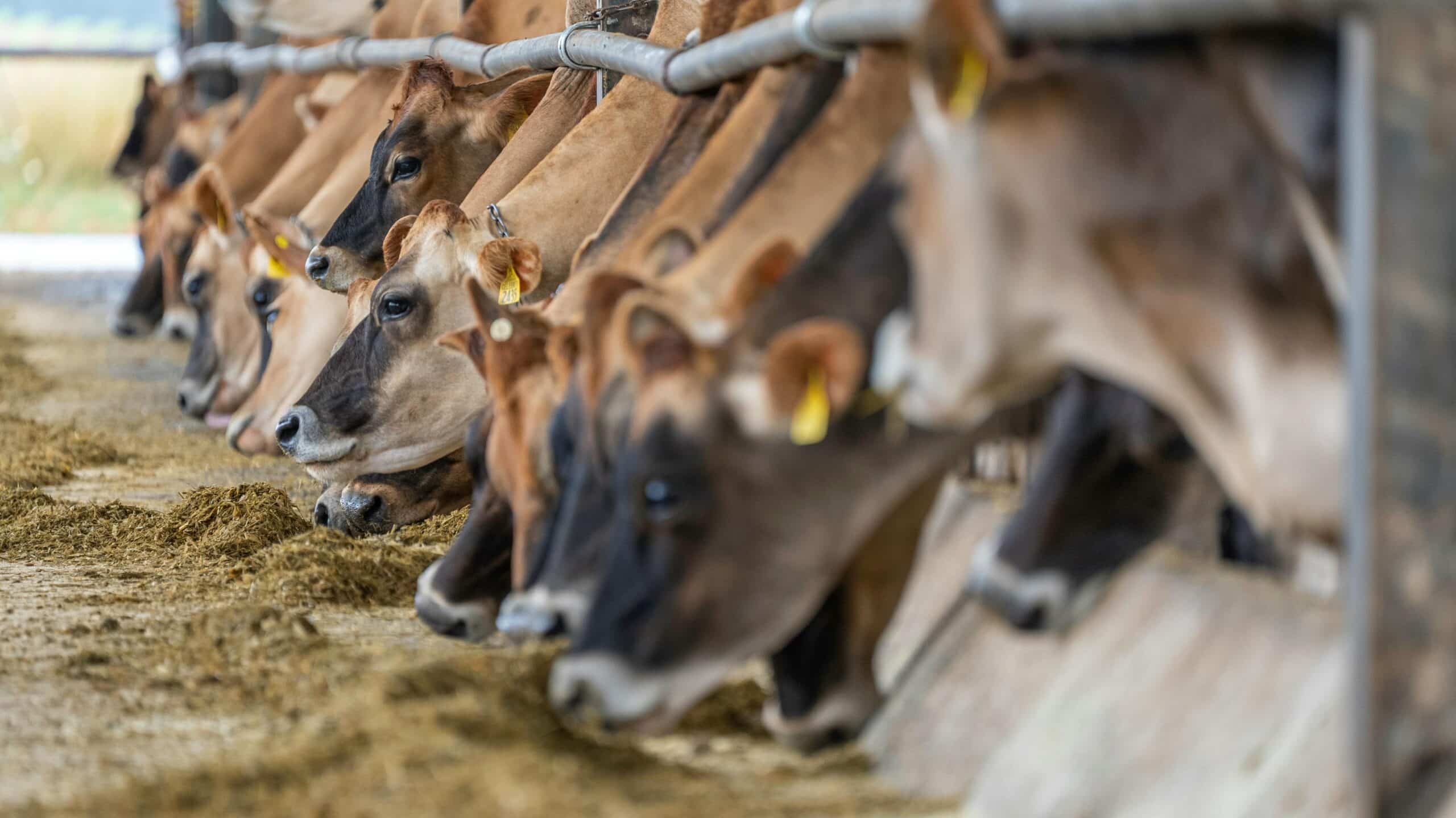
When fertilizer becomes more expensive, food rarely stays the same price. Higher input costs often lead to increased prices for crops, which then affect everything from animal feed to processed foods. In regions that rely heavily on imported fertilizers, the impact can be even stronger. Some countries may face tighter food supplies or rising costs more quickly, especially if they already depend on global markets for key agricultural inputs. This is how a supply issue in one part of the world can ripple into grocery bills elsewhere.
Why This Matters at the Grocery Level

The sulfur shortage may seem distant, but its effects are moving closer to everyday life. As costs rise across farming and food production, those increases often make their way to store shelves. This situation highlights how closely food prices are tied to global supply chains and industrial inputs that most people never see. If disruptions continue, the result leads to higher grocery bills and less stability in food pricing. For now, the takeaway is simple: what happens far upstream, in shipping routes, refineries, and fertilizer supply can shape what ends up on your plate.