Researchers Say 22 Million Americans Could Cut Indoor Air Pollution With One Kitchen Change



Indoor air quality has become an increasingly important topic for scientists studying everyday environmental exposure. A recent study suggests that millions of Americans could significantly reduce indoor air pollution by making a simple change in their kitchens, replacing gas stoves with induction alternatives.
Research published in December analyzed nitrogen dioxide exposure across different ZIP codes in the United States. According to reporting from the San Francisco Chronicle, the findings could encourage many households, especially in regions like California, to consider cleaner cooking technologies that produce fewer pollutants indoors.
Induction stoves have emerged as one of the most promising alternatives. Unlike gas stoves, they generate heat through electromagnetic energy that warms the cookware directly. This process reduces the release of combustion gases and also improves efficiency, allowing meals to cook faster while keeping kitchen surfaces cooler and easier to clean.
Understanding the Hidden Pollution Produced by Gas Stoves

For many researchers, the health implications of gas appliances became clearer after observing indoor pollution firsthand. Robert Jackson, a professor of Earth system science at Stanford University, began investigating the issue several years ago and was surprised by what he discovered inside his own home.
Colleagues conducted detailed monitoring in Jackson’s kitchen to measure the pollutants produced during everyday cooking. Sensors tracked nitrogen dioxide levels while researchers tested simple mitigation strategies such as opening windows, running ventilation hoods, and using air filtration systems.
Seeing the results unfold in real time highlighted how much pollution can accumulate indoors during normal cooking routines. Jackson later explained that the experience reinforced the idea that electrification, including the adoption of induction cooking, could play an important role in improving household air quality.
Why Reducing Nitrogen Dioxide Indoors Matters for Public Health
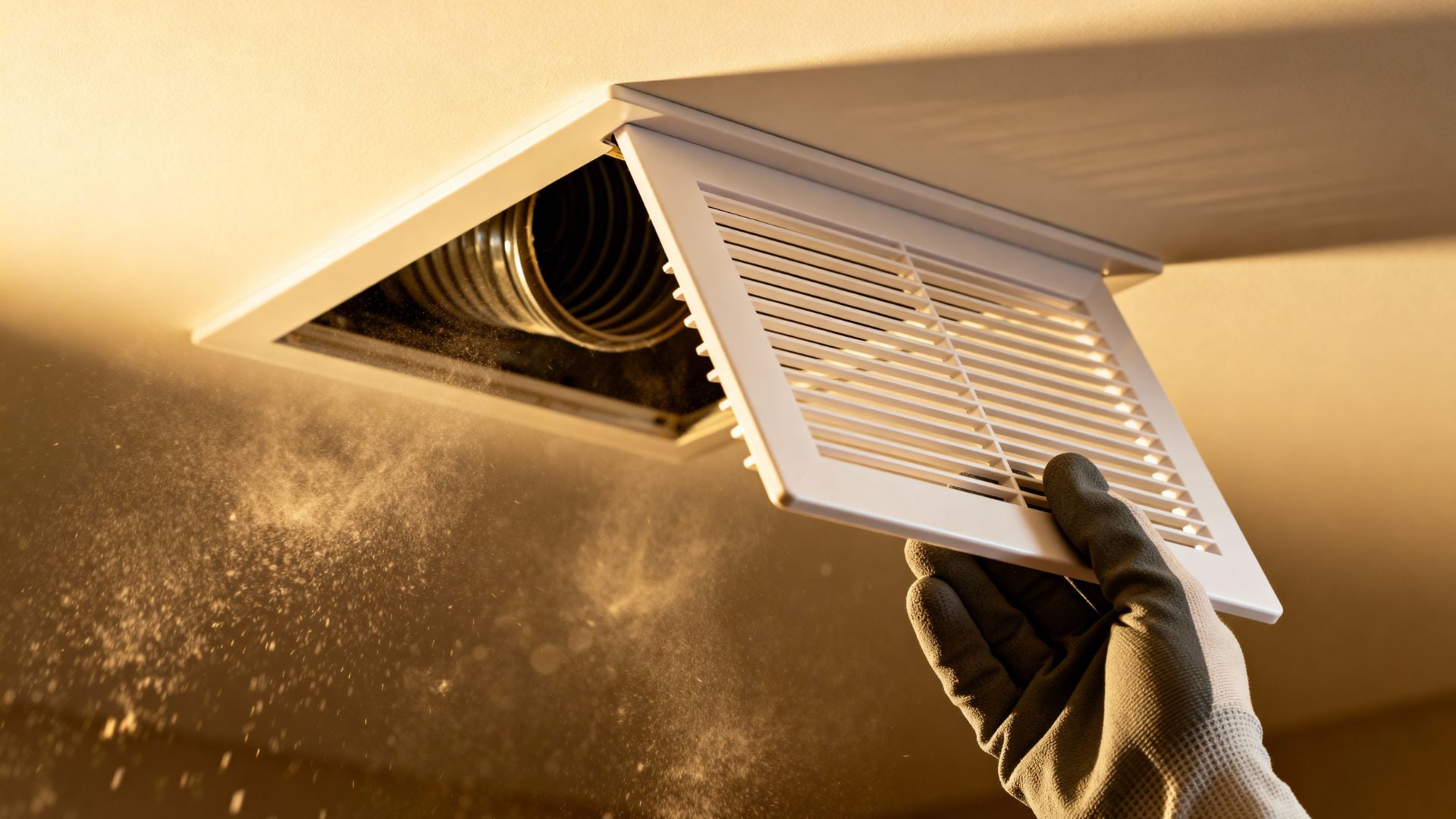
Nitrogen dioxide is widely recognized as one of the most common air pollutants in outdoor environments, often linked to vehicle emissions and power generation. However, indoor sources such as gas stoves can also contribute significantly to exposure, especially in homes with limited ventilation.
Health experts warn that repeated exposure to nitrogen dioxide may irritate the respiratory system and increase the likelihood of developing breathing problems. Children who are regularly exposed to high levels of the gas face a higher risk of asthma, while individuals with existing heart or lung conditions may be especially vulnerable.
Researchers note that people spend the majority of their time indoors, which makes household air quality particularly important. According to the study, replacing gas stoves with electric or induction models could eliminate known nitrogen dioxide related health risks for roughly 22 million Americans, offering a meaningful improvement in everyday environmental health.
Practical steps households can take to improve kitchen air quality

While induction stoves offer clear environmental and health advantages, switching appliances is not always a straightforward decision. Upfront costs, living arrangements, and kitchen design can all influence whether homeowners or renters are able to make the transition.
Some states and local programs now provide financial incentives that help offset the price of new induction ranges, in some cases offering rebates of several hundred dollars. For households looking for a simpler option, portable plug in induction burners provide a lower cost way to test the technology without replacing an entire stove.
For those who continue using gas stoves, small changes can still help reduce exposure to indoor pollutants. Using a ventilation hood that exhausts air outdoors, opening windows while cooking, or running an air purifier can lower pollution levels. Even cooking on a back burner may slightly improve airflow capture, helping kitchen ventilation systems remove fumes more effectively.