Restaurant Sales Fall as $4 Gas Prices Push Family Budgets to the Limit
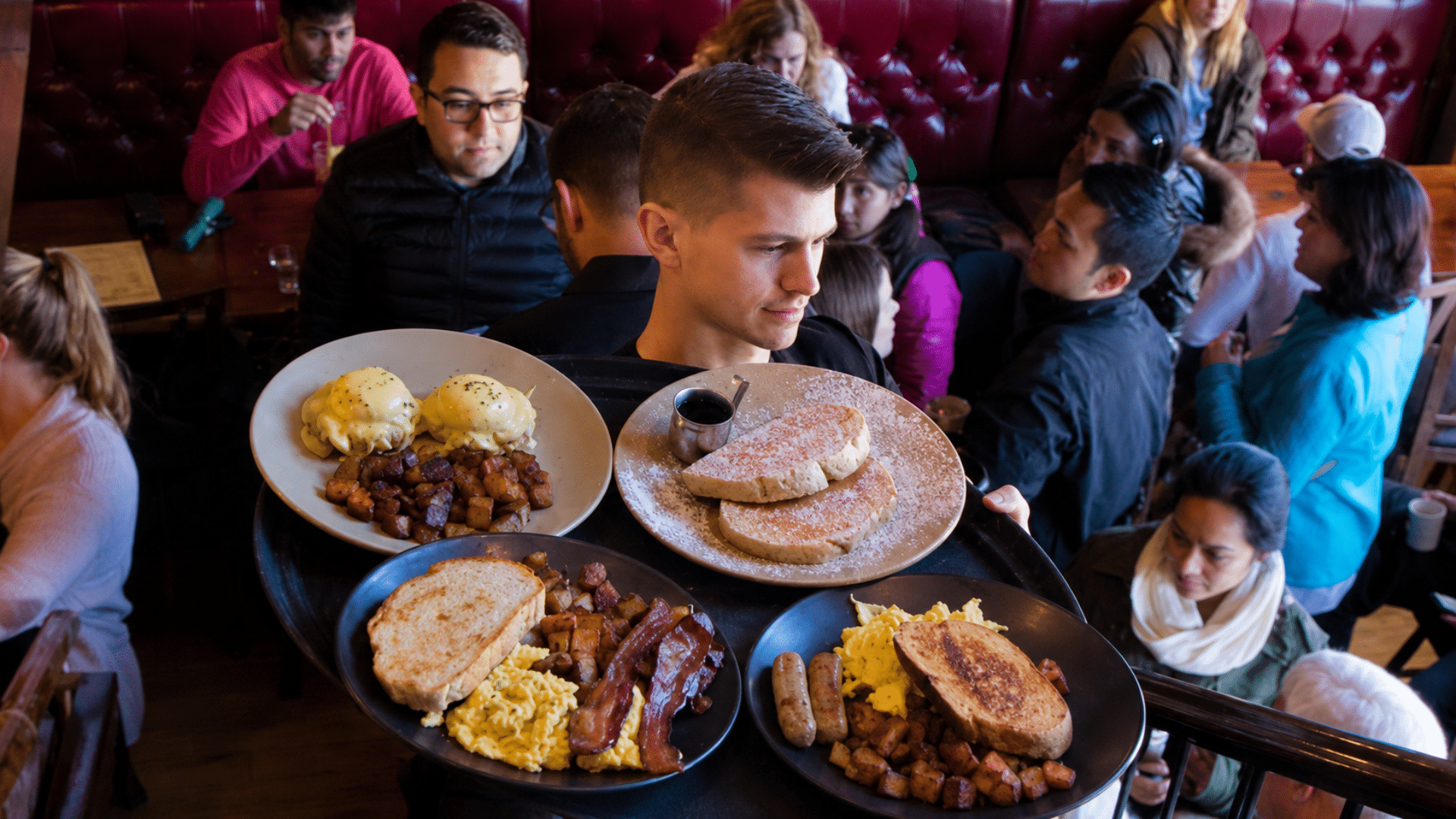

The national average gas price hit $4.45 per gallon on May 2, 2026, the highest ever recorded for that date. For millions of American families, that number at the pump is not just an inconvenience. When more money goes into the gas tank, less goes toward dinner out. That trade-off is now showing up directly in the quarterly earnings of some of the country’s biggest restaurant chains, and the numbers are not reassuring.
A War in the Middle East, Felt at the Drive-Through
U.S. gas prices averaged $2.98 per gallon on February 26, two days before the war in Iran began. By early May, that figure had climbed to $4.45, according to AAA data. The conflict disrupted roughly 20% of global oil supplies by effectively closing the Strait of Hormuz, a critical waterway for energy exports. The head of the International Energy Agency described the situation as the “greatest global energy security challenge in history.” Families filling their tanks are feeling it, and so are the restaurants counting their customers.
Wingstop Takes the Hardest Hit
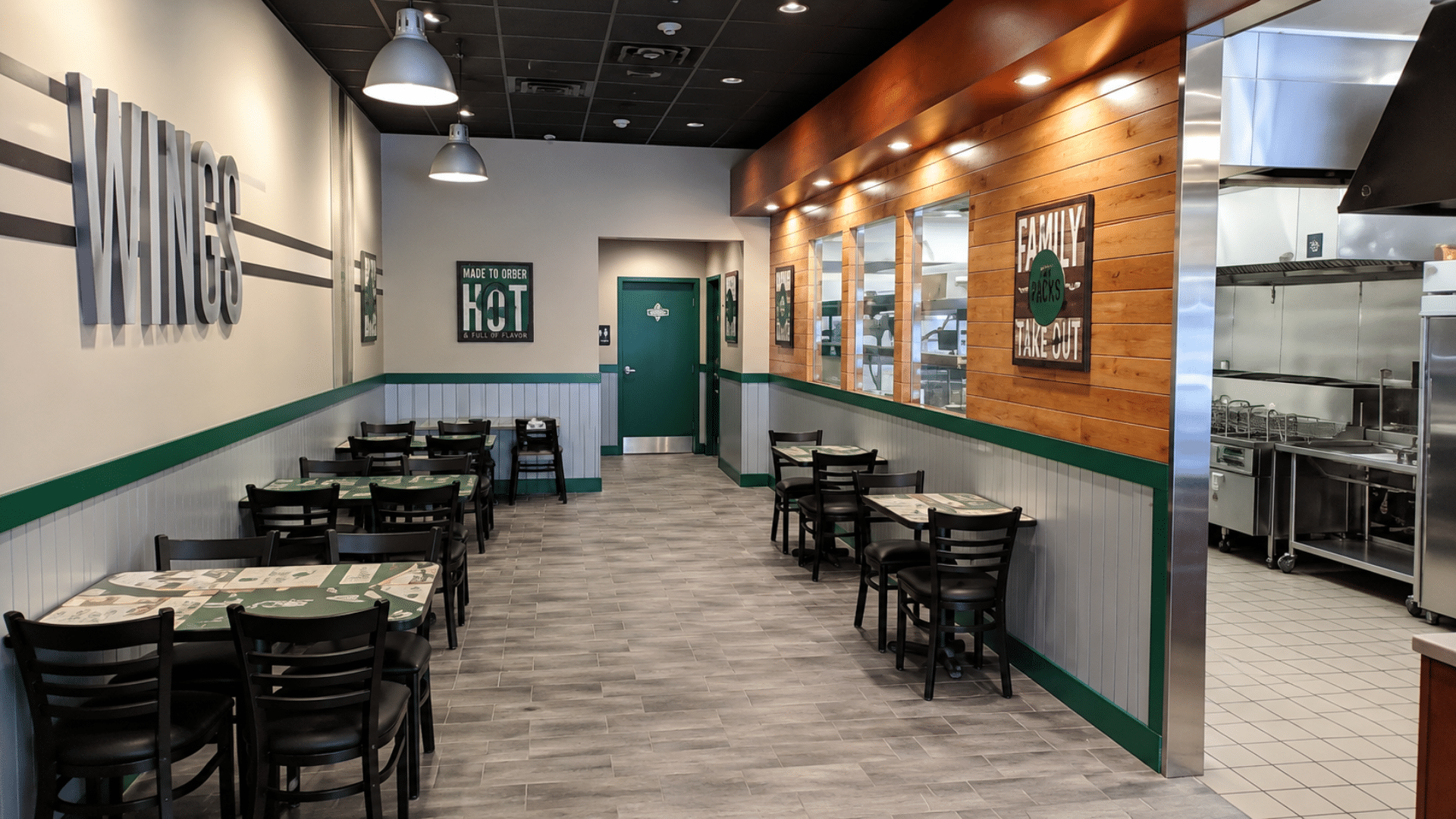
Wingstop reported that soaring gas prices contributed to an 8.7% drop in quarterly same-store sales, far worse than analysts had expected. The chain markets itself on affordability, which makes the result all the more striking. According to CEO Michael Skipworth, the broader economic environment is “extremely difficult for anyone to predict,” and he told investors they should prepare for further sales declines throughout the year, with high fuel prices expected to remain a persistent drag. When even the value options lose customers, the pressure on the entire industry becomes clear.
Domino’s and Chipotle Sound the Alarm
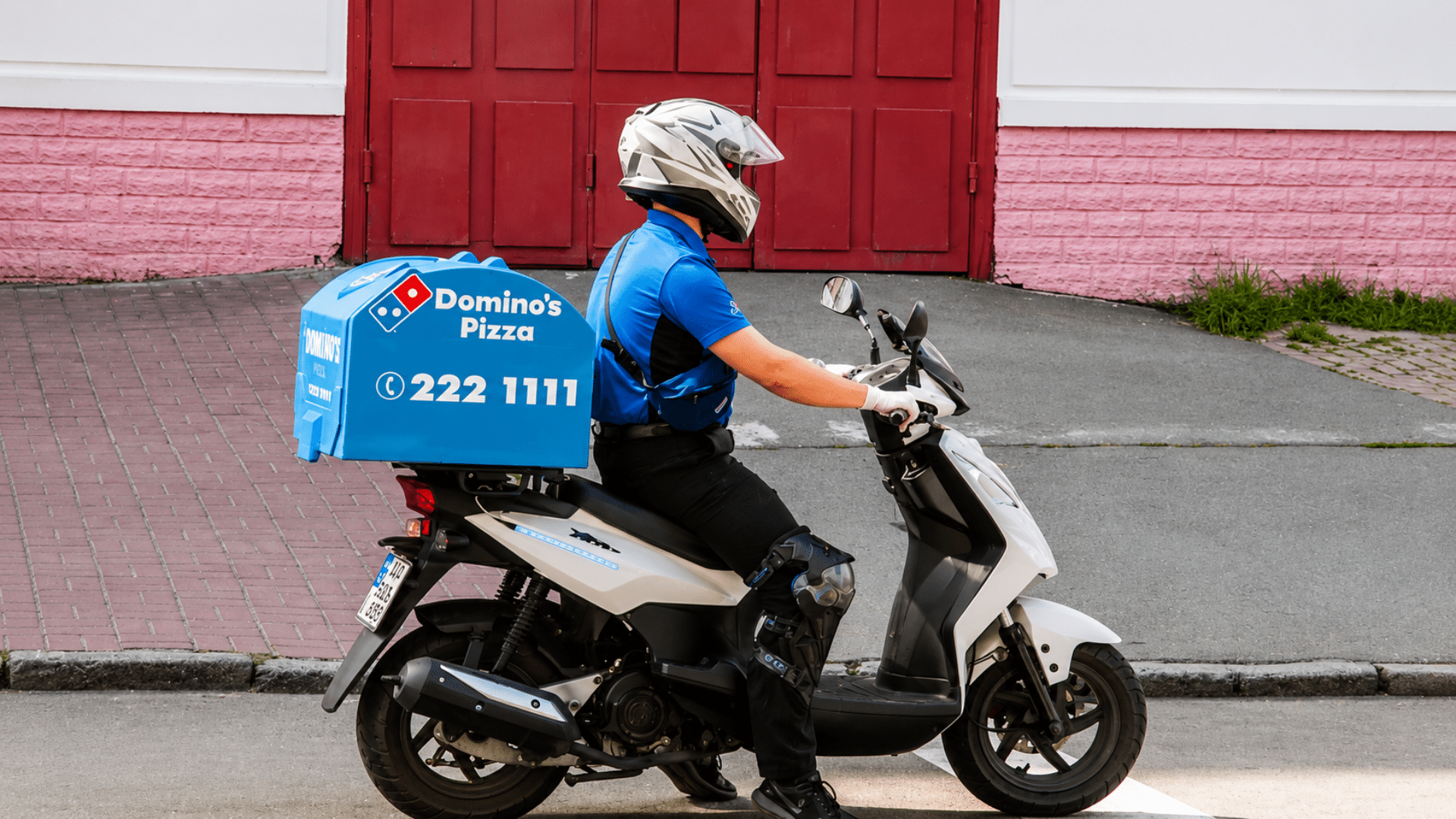
Domino’s reported U.S. same-store sales growth of just 0.9%, below what Wall Street had forecast. CEO Russell Weiner noted that competitors had aggressively copied his chain’s discount playbook, squeezing results further, though he said Domino’s was better positioned to absorb the cost of promotions long-term. Chipotle posted modest same-store sales growth of 0.5%, which beat expectations, but CFO Adam Rymer still guided for flat growth over the full year, citing uncertainty tied to the war and elevated gas prices. Even relative winners are bracing for worse.
The $4 Threshold That Changes Everything
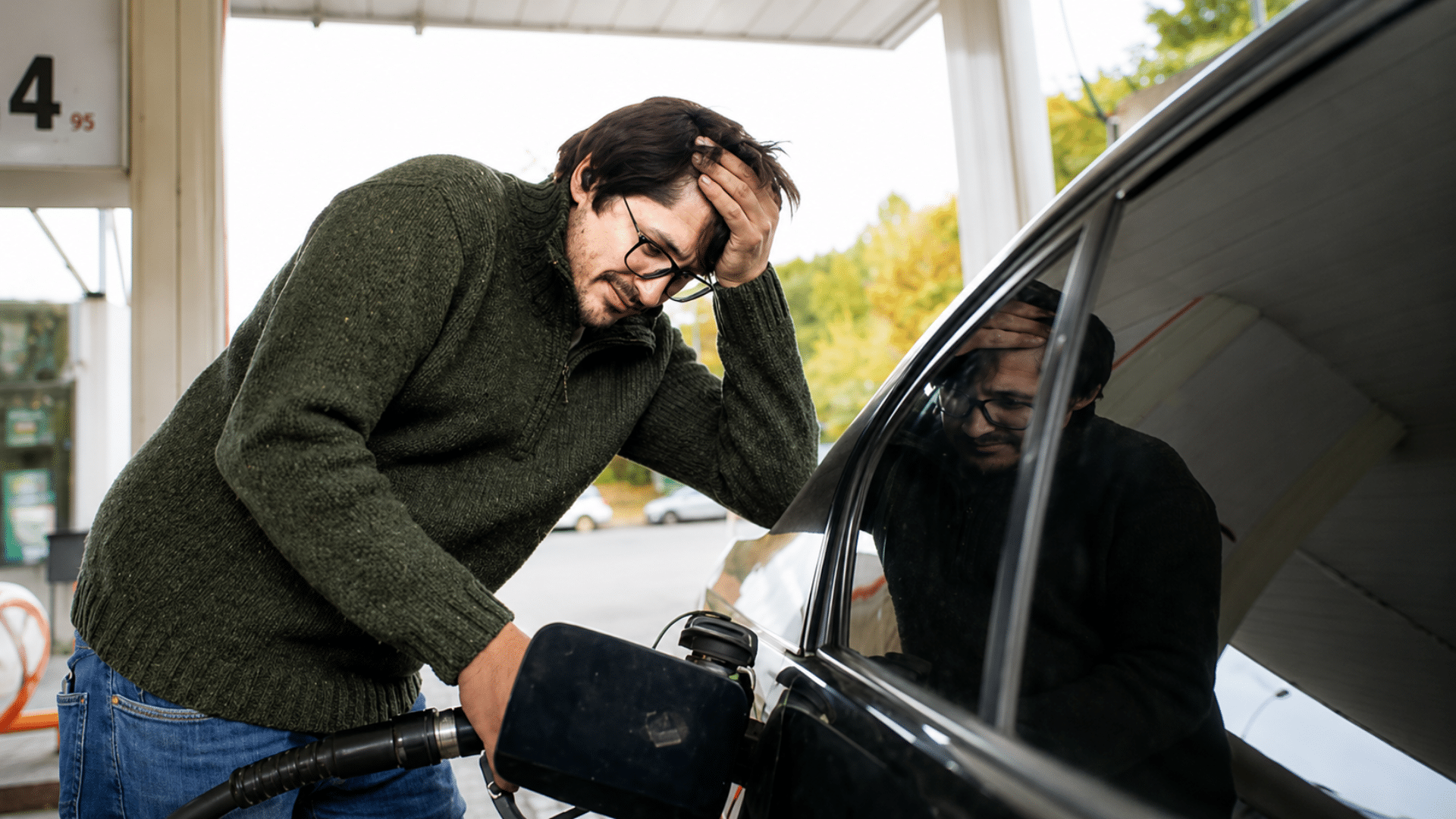
According to Sebastien Fernandez, chief analyst at restaurant consulting firm Revenue Management Solutions, $4 per gallon is not just a round number. It is a behavioral tipping point. The firm analyzed 14.6 billion restaurant transactions over four years and found that consumer visits gradually decline as gas prices rise, but the pace of that decline doubles once prices cross the $4 mark. At $4.20 per gallon, roughly 1.5% fewer customers visit restaurants. Patrick De Haan of GasBuddy described $4 as a “psychological wall” for consumers.
Six Customers a Day Adds Up Fast
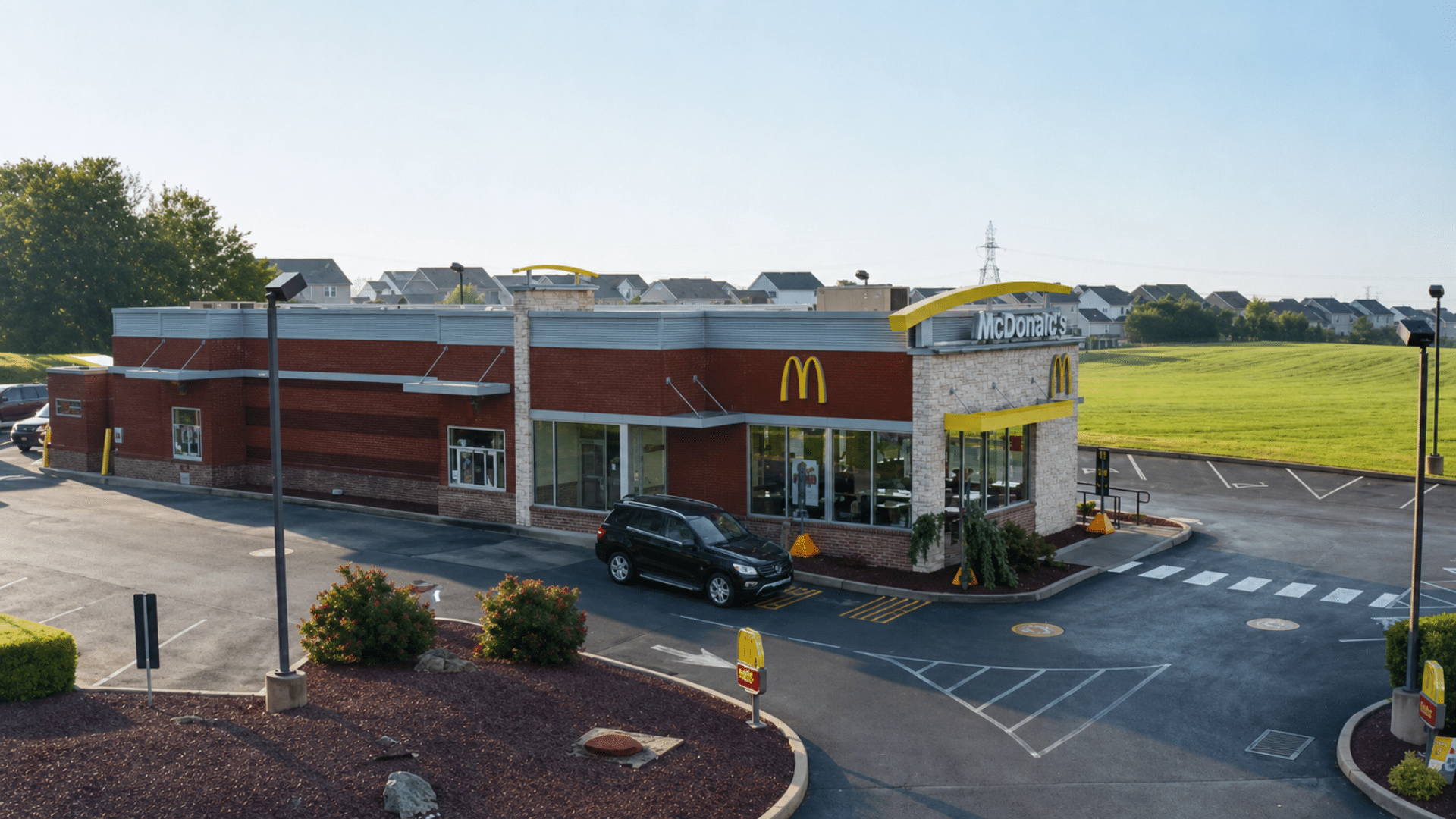
The math behind lost restaurant traffic is sobering. According to Revenue Management Solutions, a $1 spike in gas prices costs a typical drive-through location with 300 daily transactions about six customers per day. Over a year, that adds up to roughly $22,000 in lost annual sales for a single location. For chains operating hundreds or thousands of restaurants nationwide, the cumulative damage runs into the tens of millions of dollars. The impact is not abstract; it shows up in staffing decisions, franchise profitability, and whether a location stays open at all.
Wall Street Is Already Pulling Back
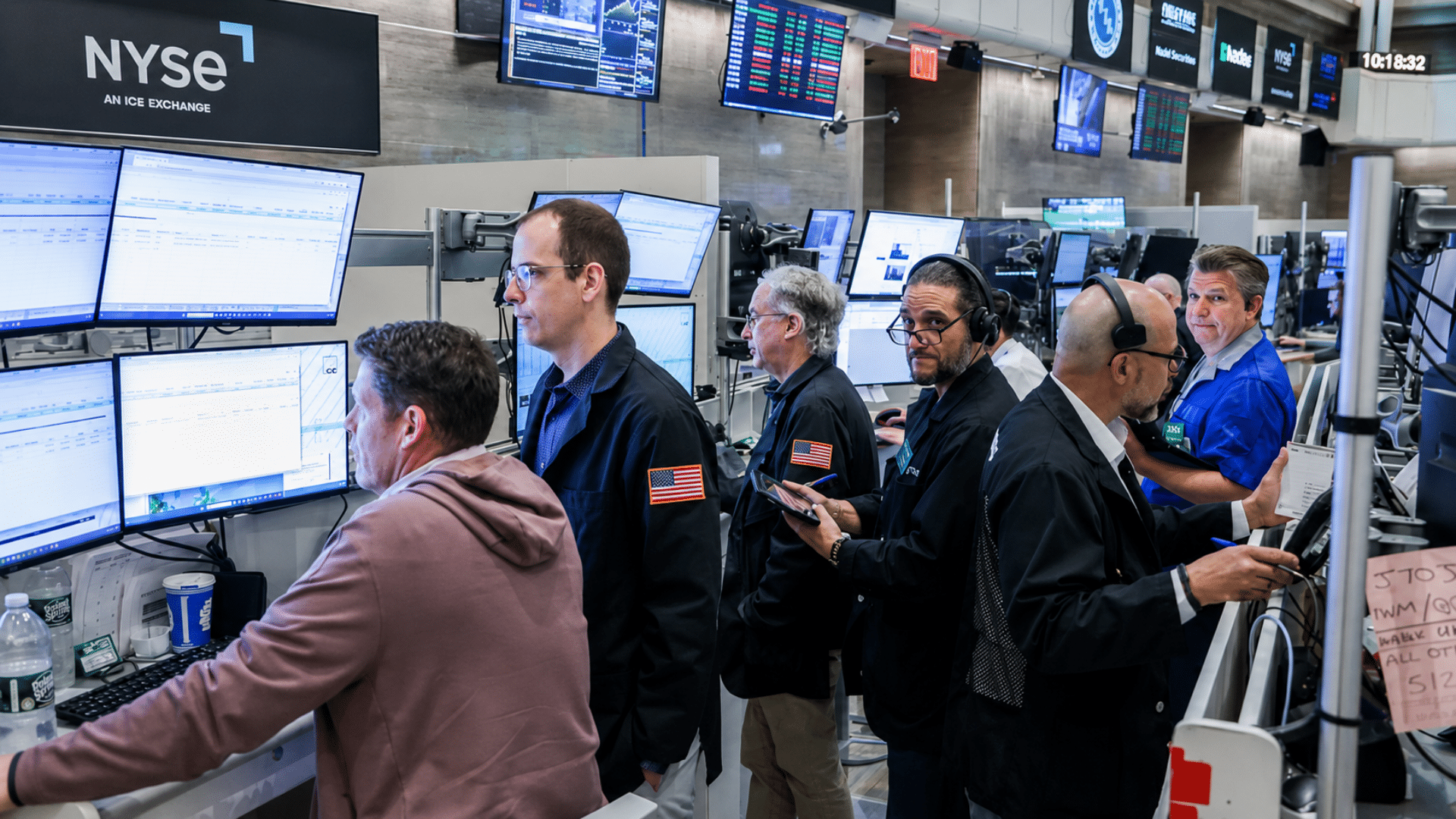
Investor confidence in the restaurant sector has deteriorated sharply since the conflict in Iran began. According to LSEG data cited by Reuters, the LSEG U.S. restaurant index has fallen 5% since the start of the war, erasing more than $40 billion in market value. In April alone, nearly twice as many restaurant analysts cut their profit forecasts for the coming quarter as raised them. Analysts expect upcoming earnings from Shake Shack and Jack in the Box to show similar pressure. The financial community is not waiting to see if things get worse before adjusting expectations.
Value Meals Are Having a Moment
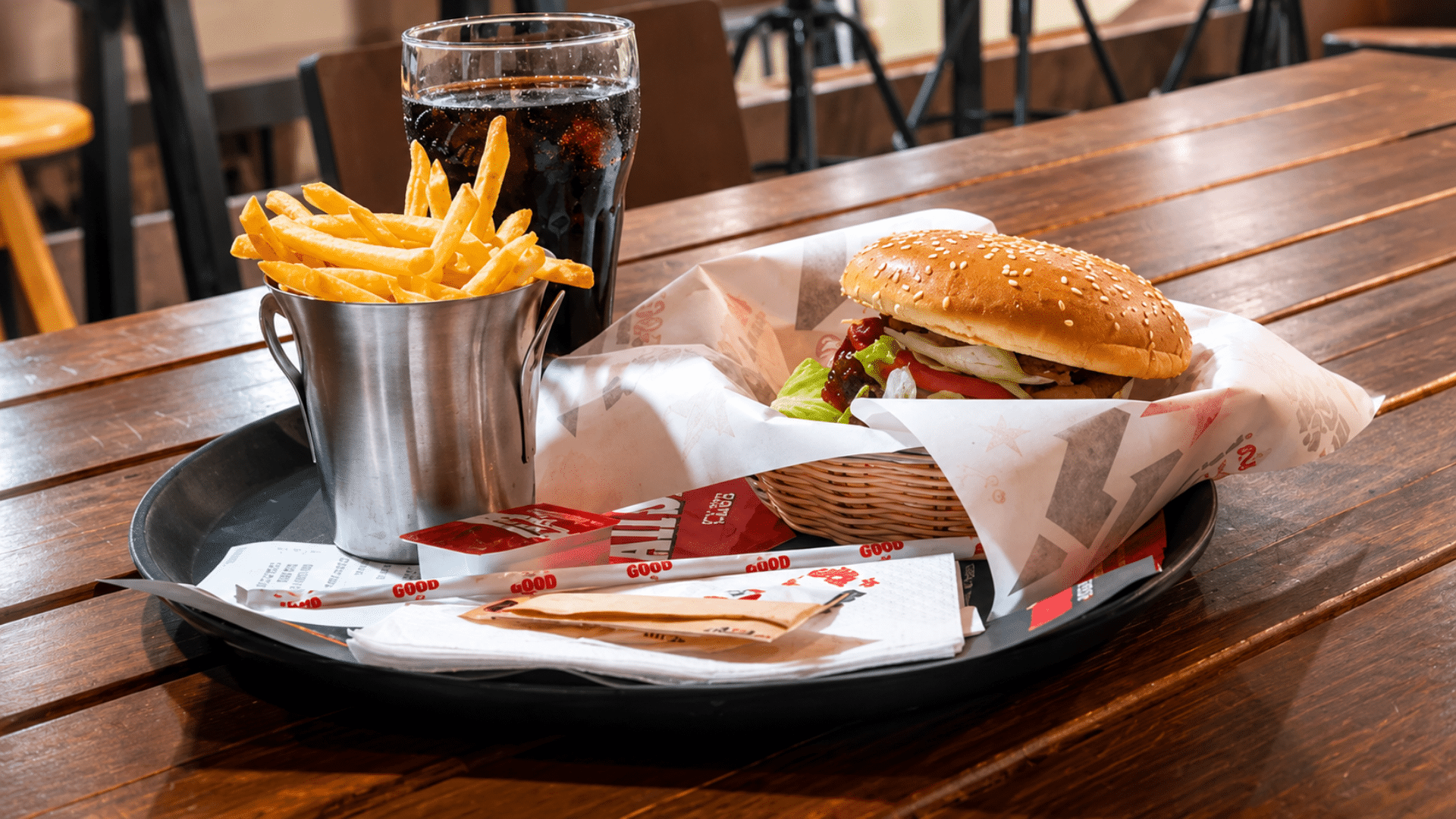
Not every chain is struggling. Taco Bell, which launched a value meal starting at $3 in January, reported 8% quarterly same-store sales growth in its U.S. restaurants. According to Mark Wasilefsky, head of restaurant finance at TD Bank, the industry is currently seeing a record level of value menus as chains compete aggressively for budget-conscious customers. The discounting trend predates the gas price surge, but the Iran war has accelerated it. As consumers stretch every dollar further, the chains offering the most obvious savings are finding their moment.
Starbucks Finds an Unlikely Bright Spot
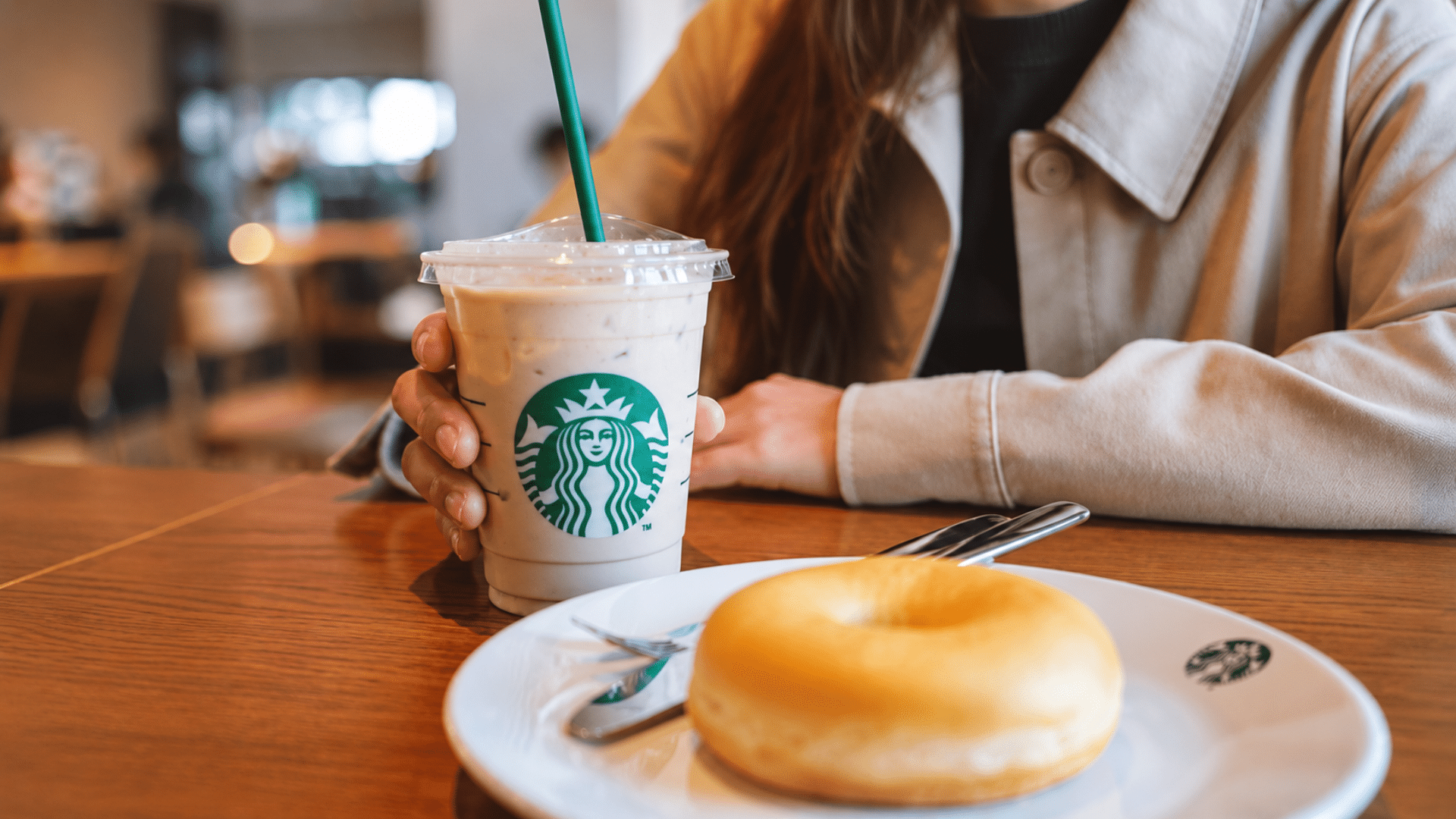
Starbucks posted 7.1% quarterly same-store sales growth in North America, a result that surprised many observers given the broader consumer pullback. CEO Brian Niccol told investors the chain had picked up lower-income customers who viewed its beverages as “a little bit of indulgence” during a difficult period. Analysts describe this pattern as “affordable indulgence”: when people cannot afford vacations or nights out, a $6 drink can still feel like a treat. According to NPR, prices could keep rising for “weeks or even months” depending on how long the Strait of Hormuz stays closed.
The Restaurant Bill That Consumers May Not Be Able to Pay
The restaurant industry’s current stress is a direct read-out of the broader household budget squeeze hitting millions of Americans. Experts warn that even after the Iran conflict ends, gas prices are likely to fall slowly, and the financial strain on consumers may linger. According to CNBC and CBS News, higher diesel prices have yet to fully filter through supply chains, meaning food costs may rise further.

