Restaurants Brace for $168M Loss From Trump Policy, Consumers Could Feel It
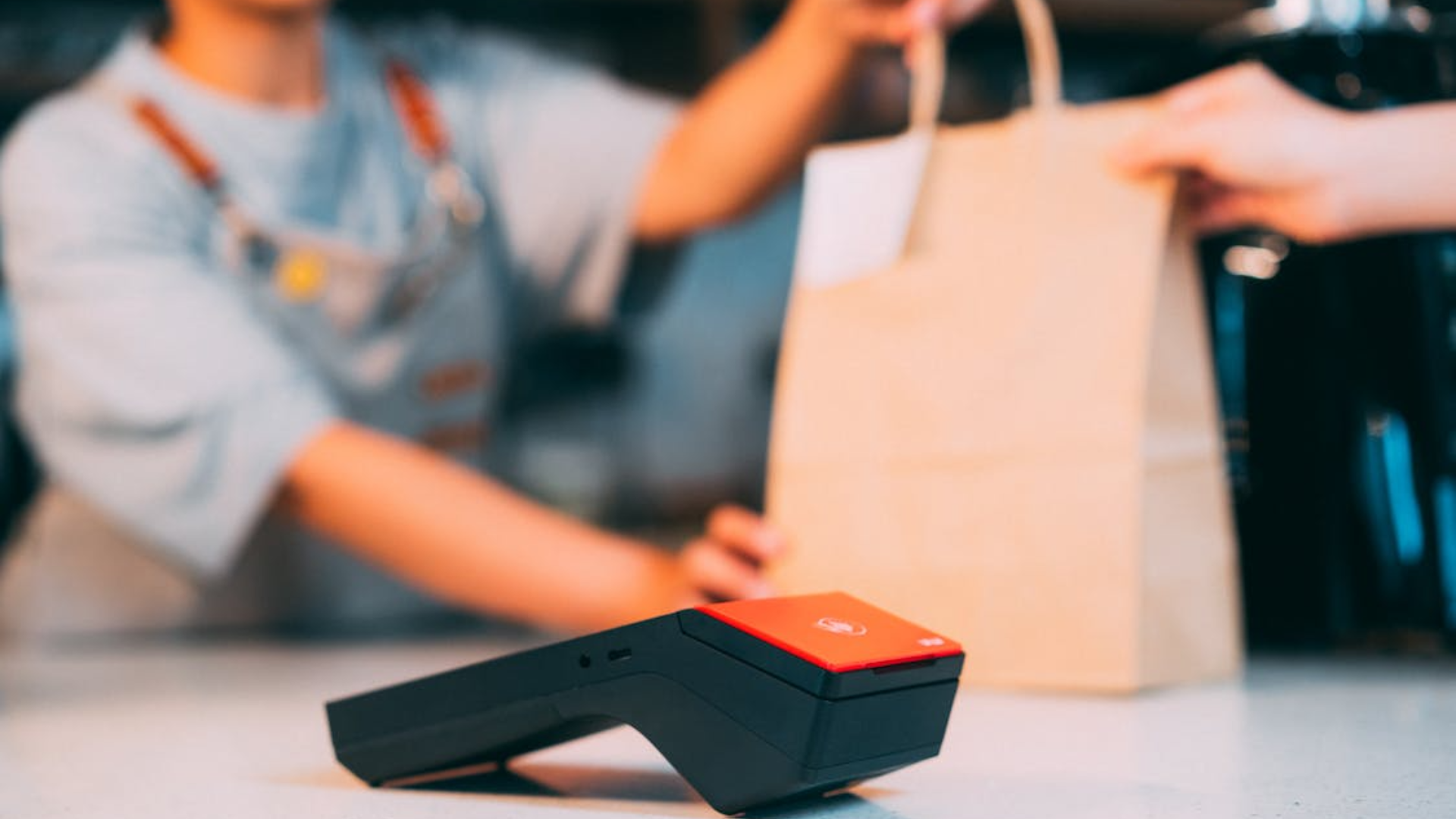

Restaurant industry leaders warn that a recent policy change under President Donald Trump is expected to cost food establishments an estimated $168 million in lost revenue annually and could soon affect consumers at the checkout. The losses stem from the nationwide phase‑out of the one‑cent coin and the resulting challenges restaurants face in providing exact change for cash transactions. Operators say the unintended consequences are rippling through an already tight industry and could lead to higher prices or frustration for customers as rounding practices become more widespread.
Why the Penny Is Gone and What It Means
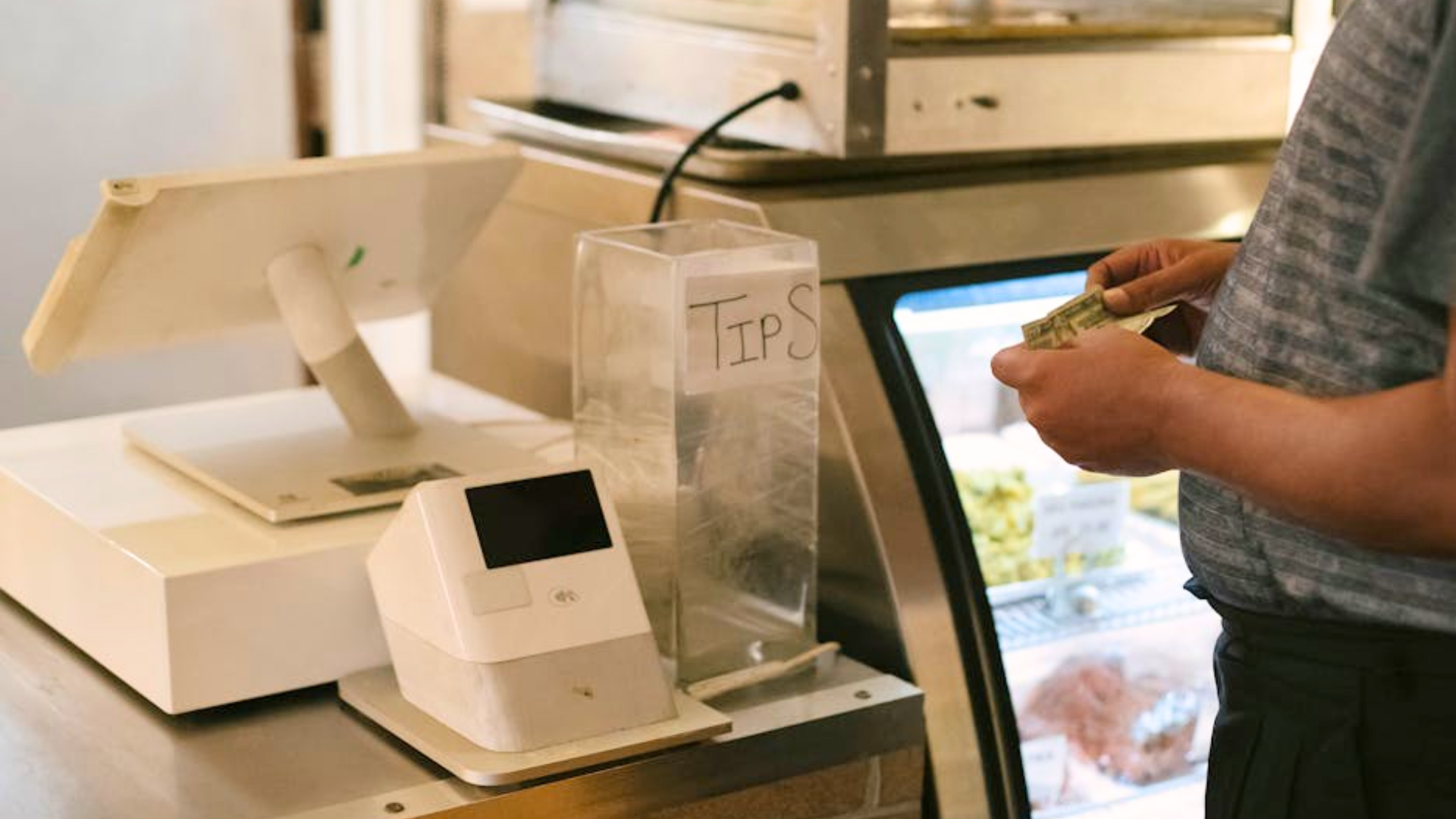
President Trump announced in early 2025 that the U.S. Mint would stop producing pennies amid rising production costs, which officials said were higher than the coin’s face value. The last batch of pennies was struck in November 2025, leaving the United States to operate without newly minted one‑cent coins circulating. With fewer pennies available nationwide, businesses have struggled to make exact change when customers pay with cash.
How Rounding Practices Are Hitting Restaurants

In response to the penny shortage, many restaurants and other retailers have started rounding cash transaction totals to the nearest five cents. Some businesses have no choice because local banks no longer have enough pennies to supply registers. Industry groups note that without standardized federal rounding rules, individual restaurants are left to choose how they adjust customer totals, leading to inconsistent and potentially costly outcomes.
Industry Estimate: $168 Million in Annual Losses

According to the National Restaurant Association, even conservative rounding practices could collectively cost restaurants up to $14 million per month, or around $168 million per year, as cash transactions are rounded down more often than up. With roughly one‑in‑four meals paid for in cash, the impact of rounding errors accumulates quickly across thousands of small and large restaurant locations nationwide.
Restaurant Leaders Urge Congress to Act

Restaurant associations and industry advocates are now pressing Congress to pass legislation that would establish a national standard for rounding transactions in a penny‑less economy. They argue that without clear guidelines, businesses will continue to face uncertainty and financial strain, potentially forcing some to raise menu prices or reduce services to offset the losses.
Consumers May Feel the Pinch Too

Industry observers warn that the rounding practices could eventually shift costs to consumers, especially in cash transactions. Without federal rules, some restaurants might round totals up to the nearest nickel more often to avoid losses, leading to higher out‑of‑pocket expenses for customers who use cash. This could be particularly burdensome for low‑income diners who rely more heavily on cash payments.
Small Businesses Face Tough Choices

Smaller restaurant operators say the rounding issue amplifies other financial challenges, such as rising food and labor costs. With narrow profit margins already squeezing independent eateries, the added impact of rounding down change could make it harder for them to compete with larger chains that can absorb minor losses. Some small owners fear the burden could contribute to closures.
Lack of National Policy Creates Confusion

Without a uniform federal policy for how to handle transactions in a penny‑less environment, restaurants are left to interpret state or local rounding rules if they exist at all. Some jurisdictions require exact change, others allow rounding, and still others are silent on the matter, leaving both customers and staff unsure of what practice is fair or legal. Industry advocates want clarity to reduce disputes and avoid potential penalties.
Card Payments Remain Precise But Costly

Many restaurants encourage customers to use card payments to avoid the rounding issue altogether, as debit and credit charges can be processed to the exact cent. However, card transactions come with processing fees that restaurants must absorb or pass on to customers, presenting a different set of cost challenges. Balancing customer convenience and financial stability has become a central concern for many operators.
Rounding Debate Continues

As the United States adapts to a future without pennies, the restaurant industry is highlighting the financial challenges that the change has triggered. With estimated losses of up to $168 million annually and an unclear regulatory landscape, both restaurants and consumers may soon feel the effects of rounding practices at the register. Lawmakers face pressure to act and establish clear rules that can help stabilize commerce in a penny‑less world and protect small businesses and their customers alike.

